

Indonesia
Indonesia, the world’s largest archipelago, stretches across more than 17,000 islands, each offering its own cultural traditions, landscapes, and experiences. From volcanic peaks to tropical beaches and ancient temples, the country is as diverse as it is expansive.
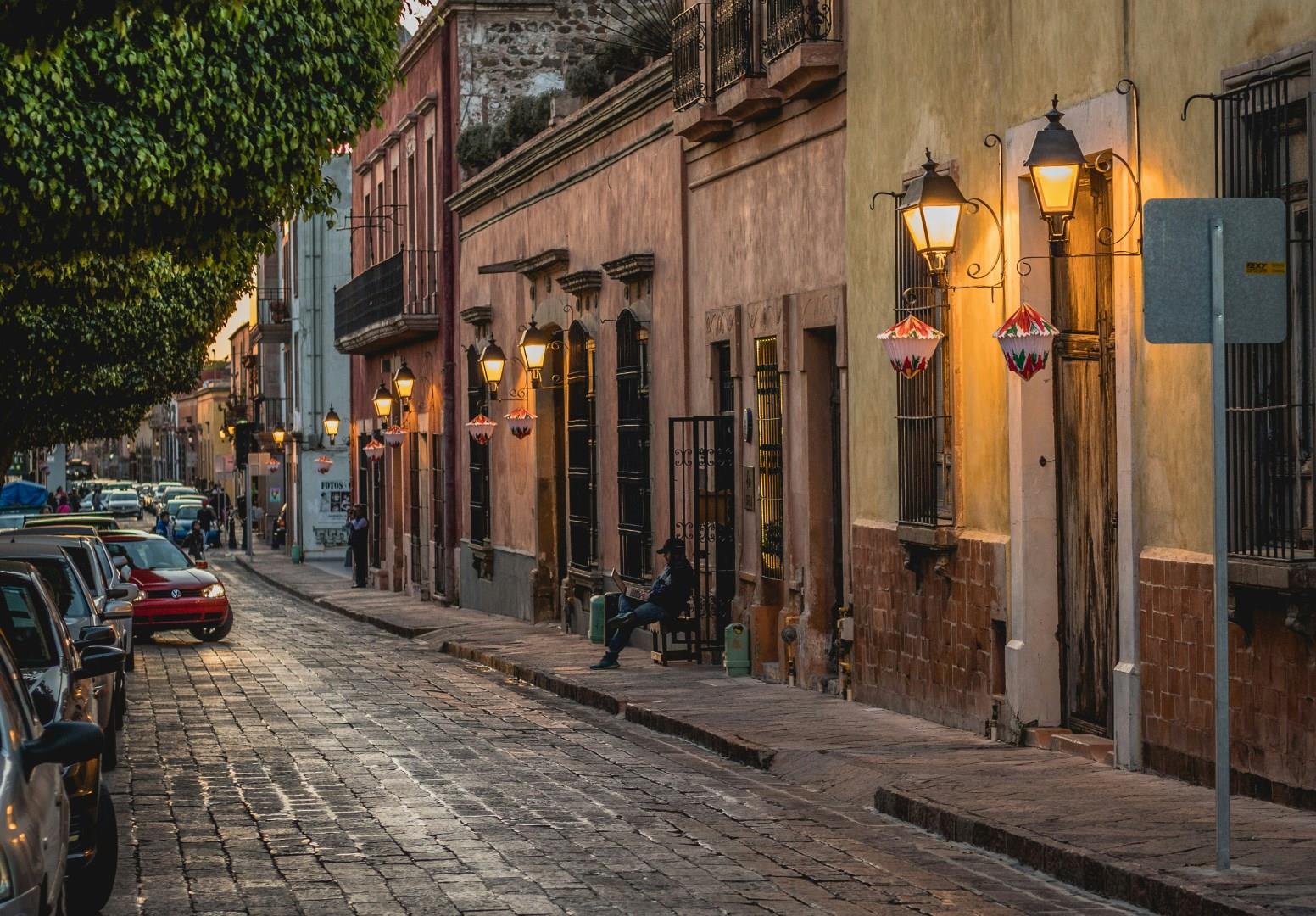
Querétaro
Querétaro, located in the heart of central Mexico, is a city where centuries of history are still visible in daily life. Its historic center, a UNESCO World Heritage Site, features narrow streets, elegant plazas, and baroque churches that reflect its colonial past. One of the city’s most iconic landmarks is the massive aqueduct, built in the 18th century with 74 stone arches stretching nearly a mile across the landscape.
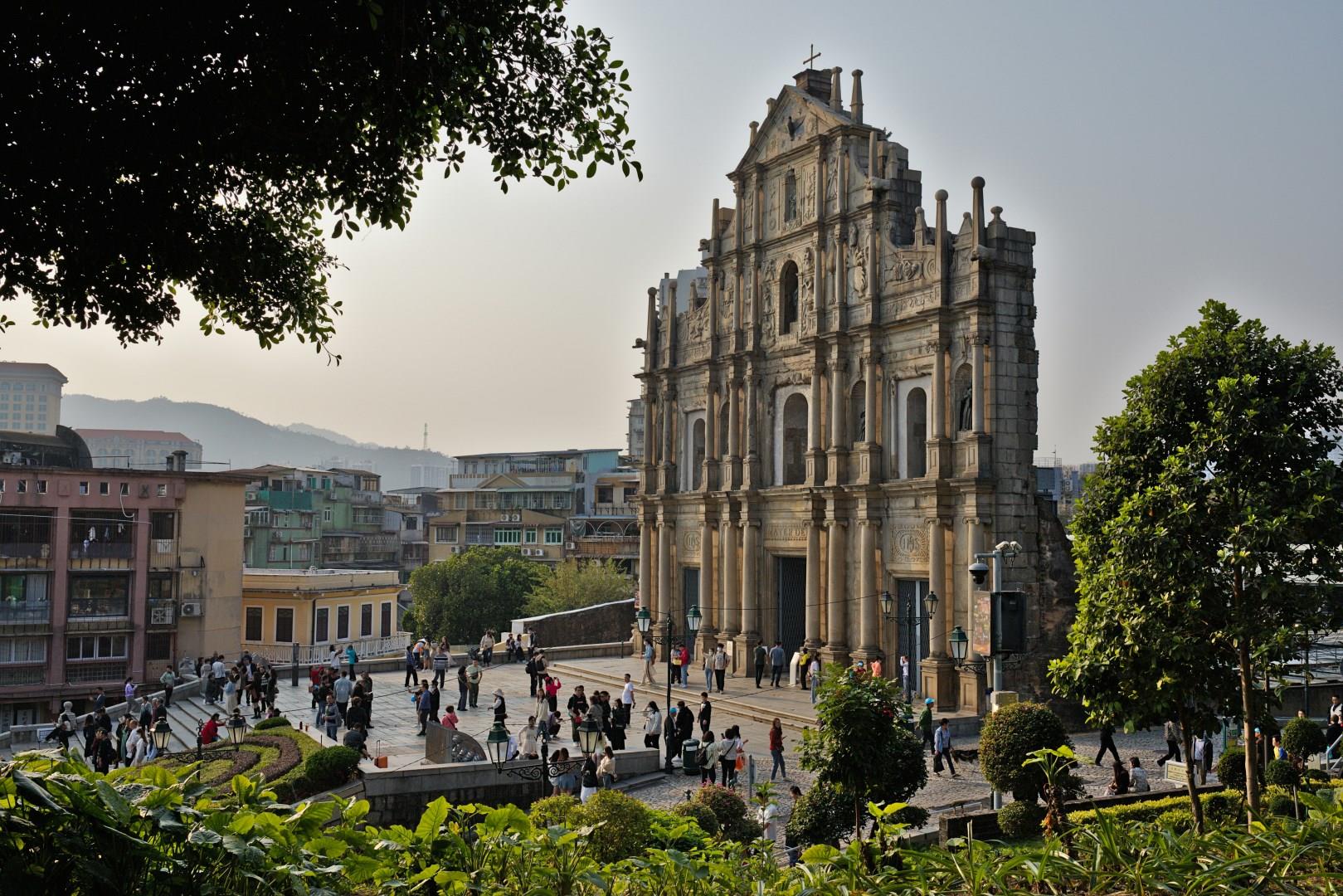
Macao
Macao, a Special Administrative Region of China, is known for its distinctive blend of Portuguese and Chinese heritage. Once a Portuguese colony, the city retains historic squares, colonial architecture, and cobblestone streets that contrast with its modern skyline of resorts and entertainment complexes.

Saudi Arabia
Saudi Arabia is revealing chapters long unseen by tourists. Al-Ula is home to Hegra, the first UNESCO World Heritage Site in the kingdom and hosts to ancient Nabatean tombs carved in sandstone cliffs. Nearby, the mirrored Maraya Concert Hall reflects the desert sky, its design both unexpected and elegant amid the sands. Visitors can wander through narrow canyons, step inside rock-hewn facades, and feel the weight of ancient civilizations still echoing across the dunes.

Badlands National Park
Badlands National Park stretches across southwestern South Dakota, where layered rock formations and sharply eroded spires reveal nearly 75 million years of geological history.
