

Pisek
Písek, a picturesque city in the South Bohemian Region of the Czech Republic, is a hidden gem steeped in history and charm. One of its most notable landmarks is the Písek Stone Bridge, the oldest preserved bridge in the country. Built in the 13th century, this Gothic bridge spans the Otava River and is a testament to medieval engineering.

Zion National Park
Zion National Park, located in southwestern Utah, is known for its massive sandstone cliffs, narrow slot canyons, and unique desert ecosystems. Established in 1919, it was Utah’s first national park and continues to attract visitors with its dramatic elevation shifts and striking rock formations. The park’s most iconic feature, Zion Canyon, stretches for 15 miles and reaches depths of up to 2,640 feet, carved over time by the Virgin River.

Kalambaka
Nestled in the heart of Greece's Thessaly region, Kalabaka is a charming town renowned for its striking natural and historical attractions. Most famous for its proximity to the Meteora rock formation, Kalabaka offers a unique blend of geological marvel and spiritual history.
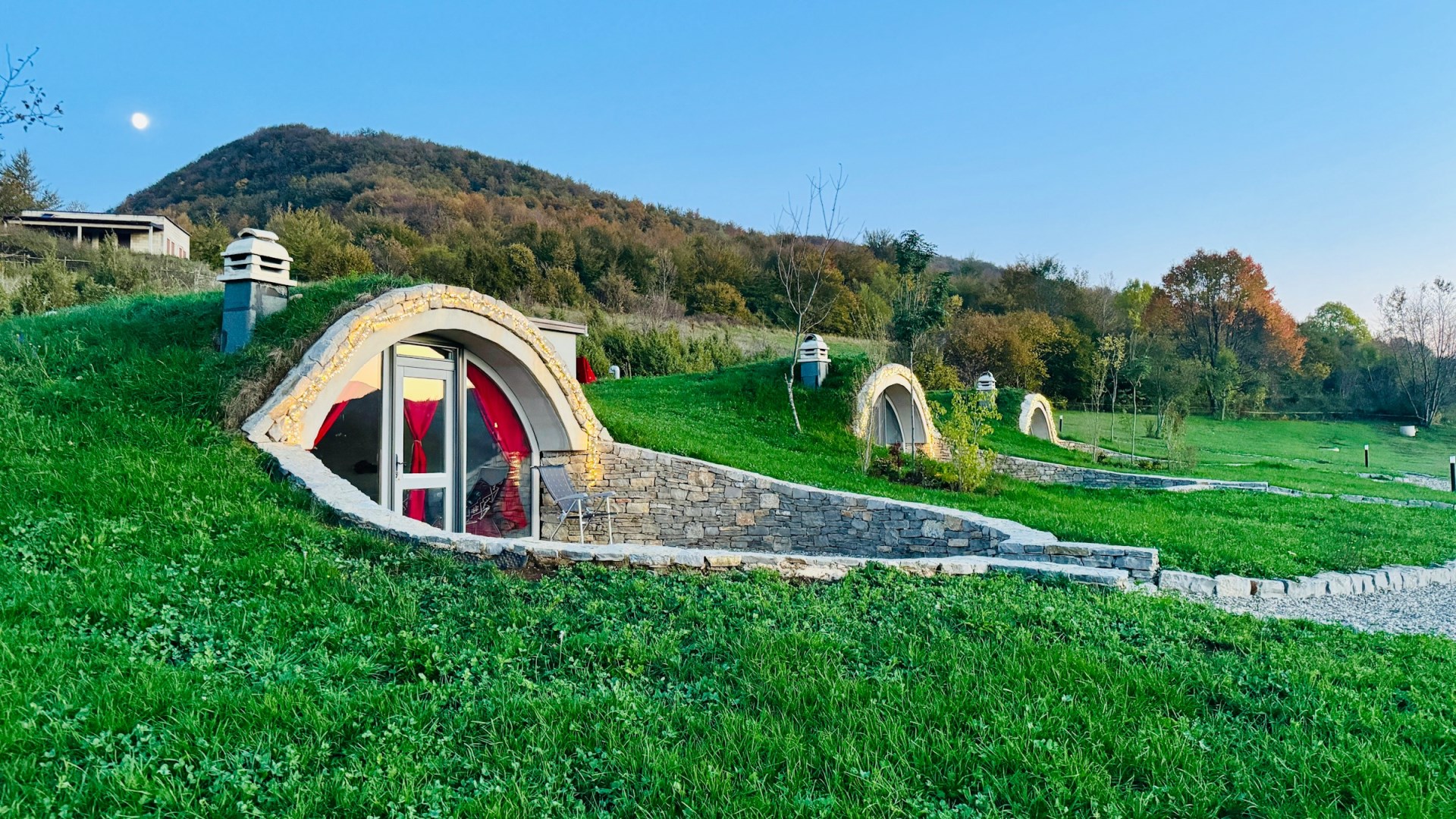
Kosovo
Kosovo, one of Europe’s youngest countries, offers visitors a glimpse into a landscape marked by resilience and rich tradition. The capital, Pristina, blends modern life with historical landmarks such as the Imperial Mosque, built in the 15th century, and the National Library, known for its unique architectural style. Walking through the city, visitors encounter a mix of Ottoman influences alongside vibrant street art and lively cafes.

Taranto
Taranto is a coastal city in Puglia known as the “City of Two Seas,” positioned between the open Mar Grande and the sheltered Mar Piccolo. Its location has shaped a strong maritime identity, with fishing, mussel farming, and naval activity remaining important parts of local life. The historic center occupies an island connected to the newer city by the Ponte Girevole, while the waterfront extends around the two bodies of water.
