
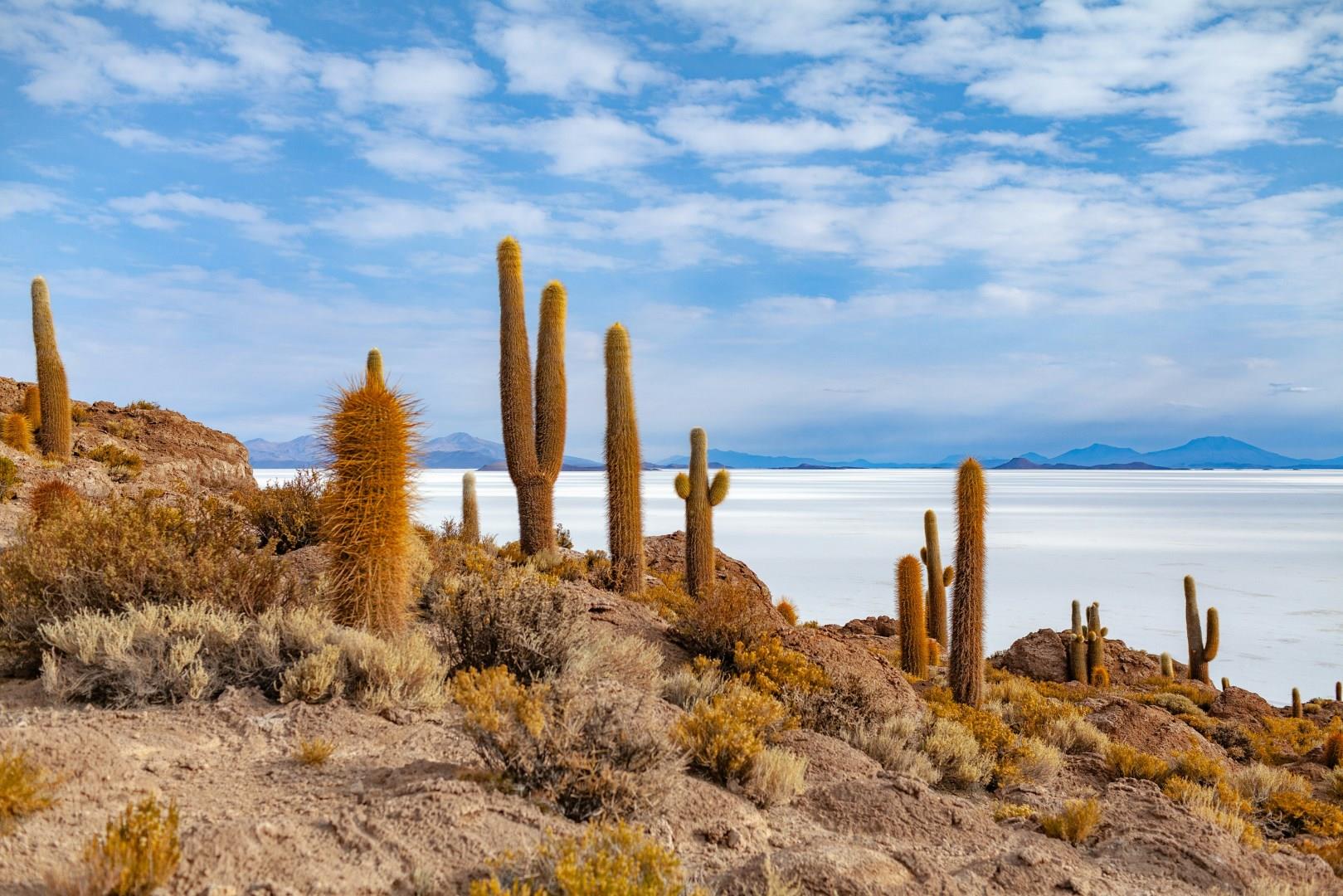
Uyuni
Uyuni, in southwestern Bolivia, is best known as the gateway to the world’s largest salt flat, Salar de Uyuni. Once a humble railway town, Uyuni has grown into a base for travelers drawn to this surreal landscape, where an ancient dried-up lake has left behind a vast expanse of glistening salt crust.
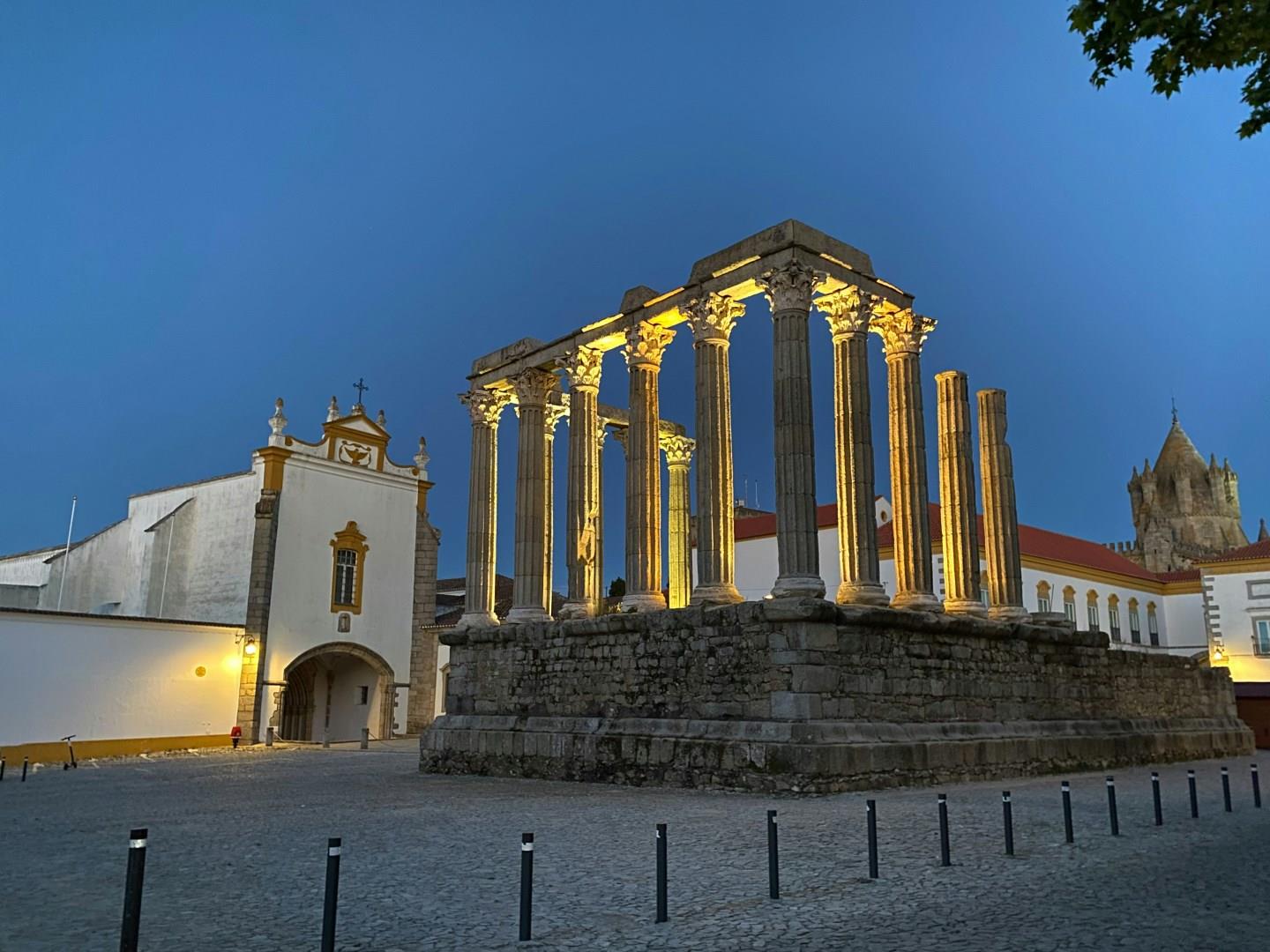
Evora
Évora, in Portugal’s Alentejo region, feels like stepping into a story that spans more than two thousand years. Its Historic Centre was named a UNESCO World Heritage Site for good reason with its ancient walls, homes with wrought-iron balconies, and narrow streets quietly preserve traces of Roman, Moorish, and medieval life. Beyond architecture and monuments, Évora reveals lesser-known treasures that reward exploration.
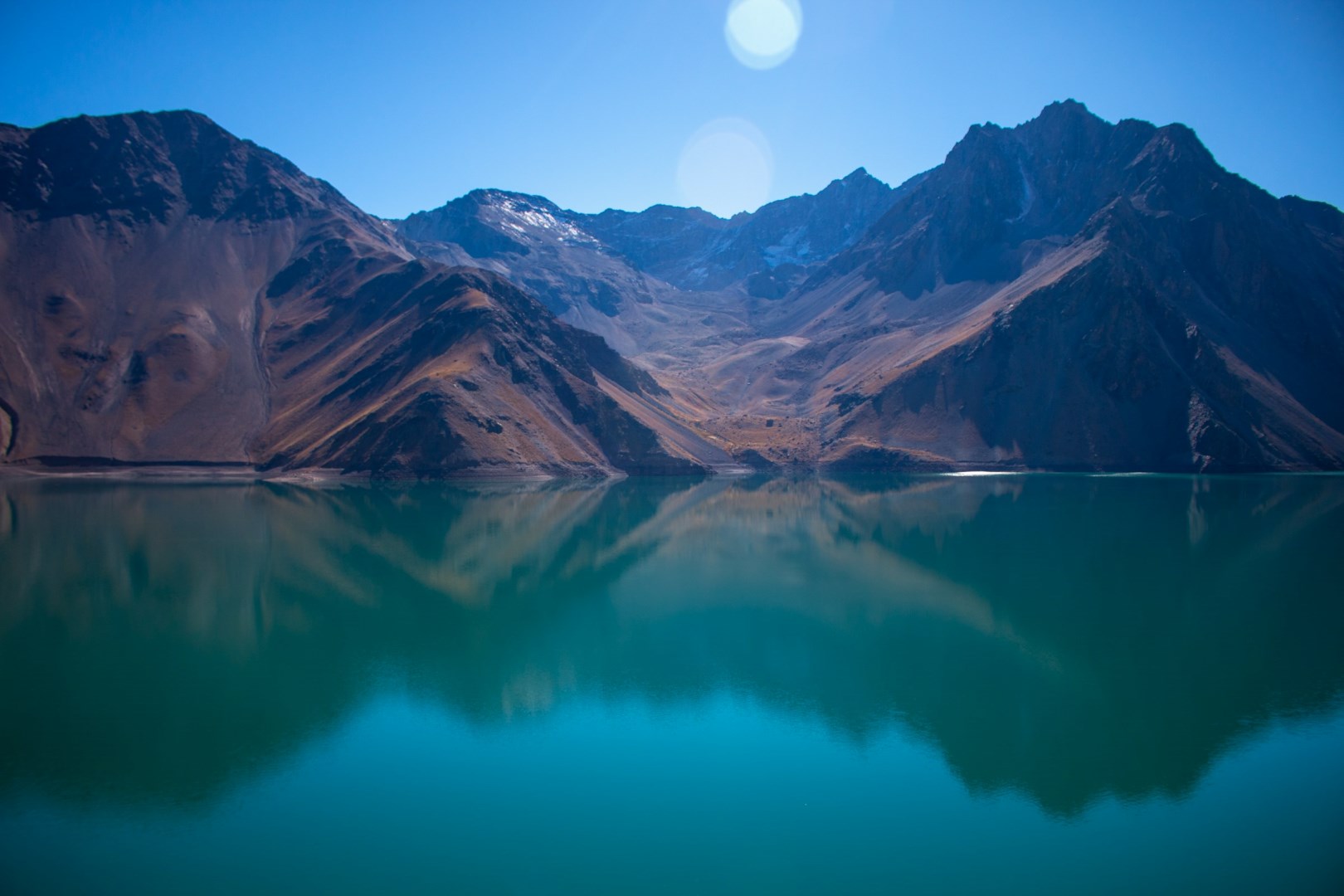
Maipo
Maipo is a rural area south of Santiago in Chile's Metropolitan Region, centered on the Maipo River and the agricultural communities of the Maipo Valley. The landscape combines vineyards, orchards, farmland, and foothills that rise toward the Andes. The area is particularly associated with wine production, especially Cabernet Sauvignon and other red varieties grown in the valley's warm, dry climate.
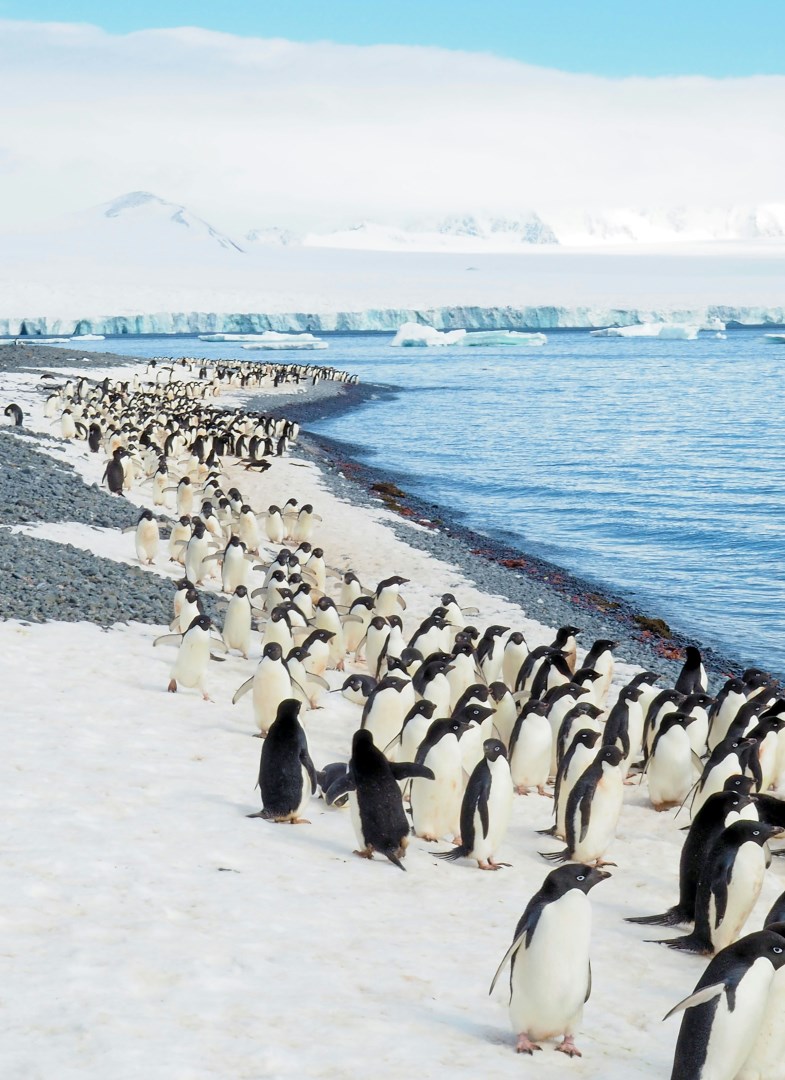
Brown Bluff
Brown Bluff is a distinctive coastal landmark on the east side of the Tabarin Peninsula, overlooking the southwestern Antarctic Sound. Its defining feature is a long beach of cobbles and volcanic ash backed by steep, red-brown cliffs that rise toward an ice-capped, flat-topped mountain. The cliffs are made of volcanic tuff and contain rounded volcanic bombs, giving the shoreline a rugged geological character. Glaciers and permanent ice border the site, while brash ice can sometimes spread across
Mestia
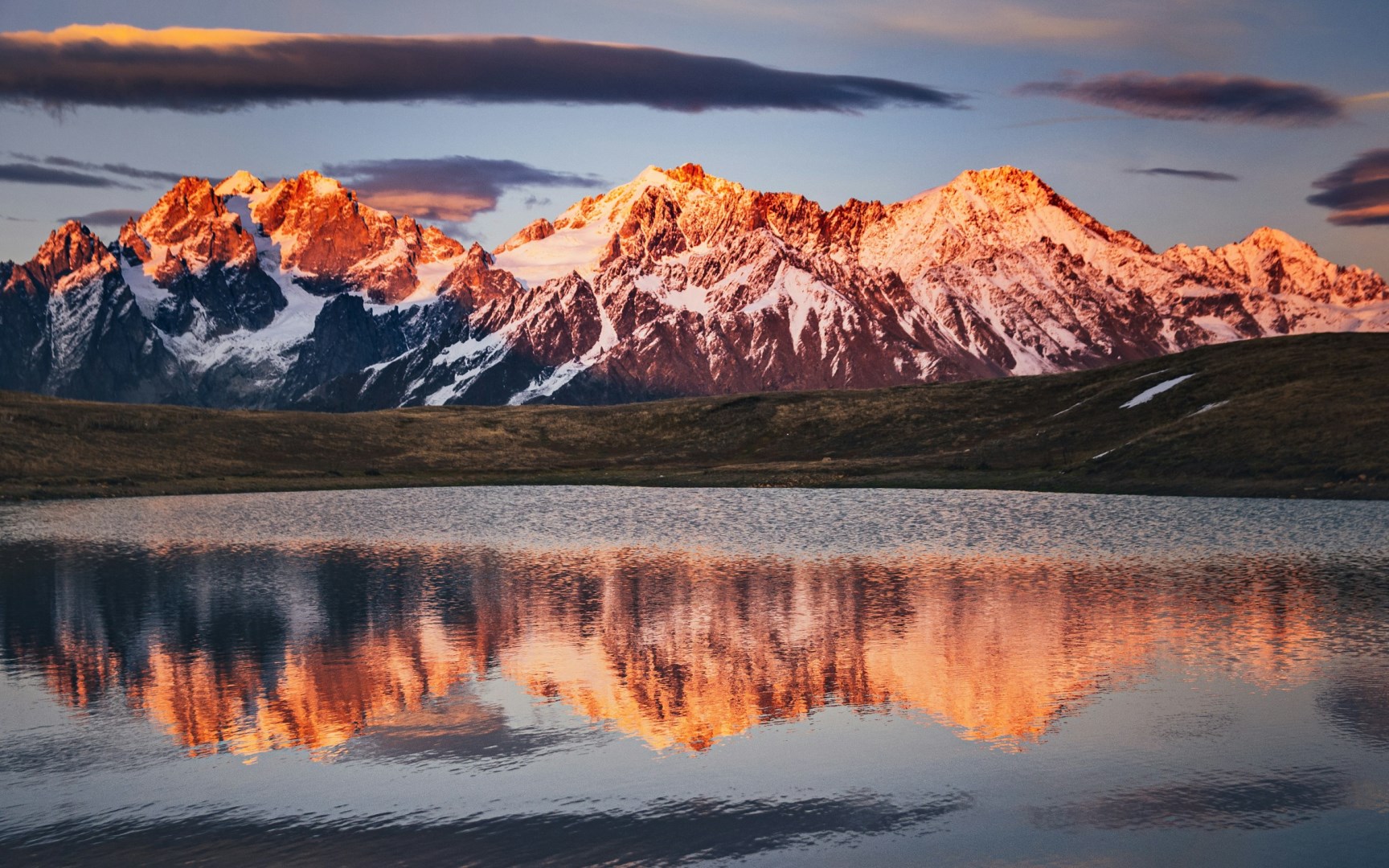
Mestia is the main town of Upper Svaneti, a high mountain region in northwestern Georgia surrounded by the peaks of the Greater Caucasus. The town sits in a broad valley at about 1,500 meters above sea level, with snow-covered mountains, forested slopes, and alpine terrain extending in every direction.
