
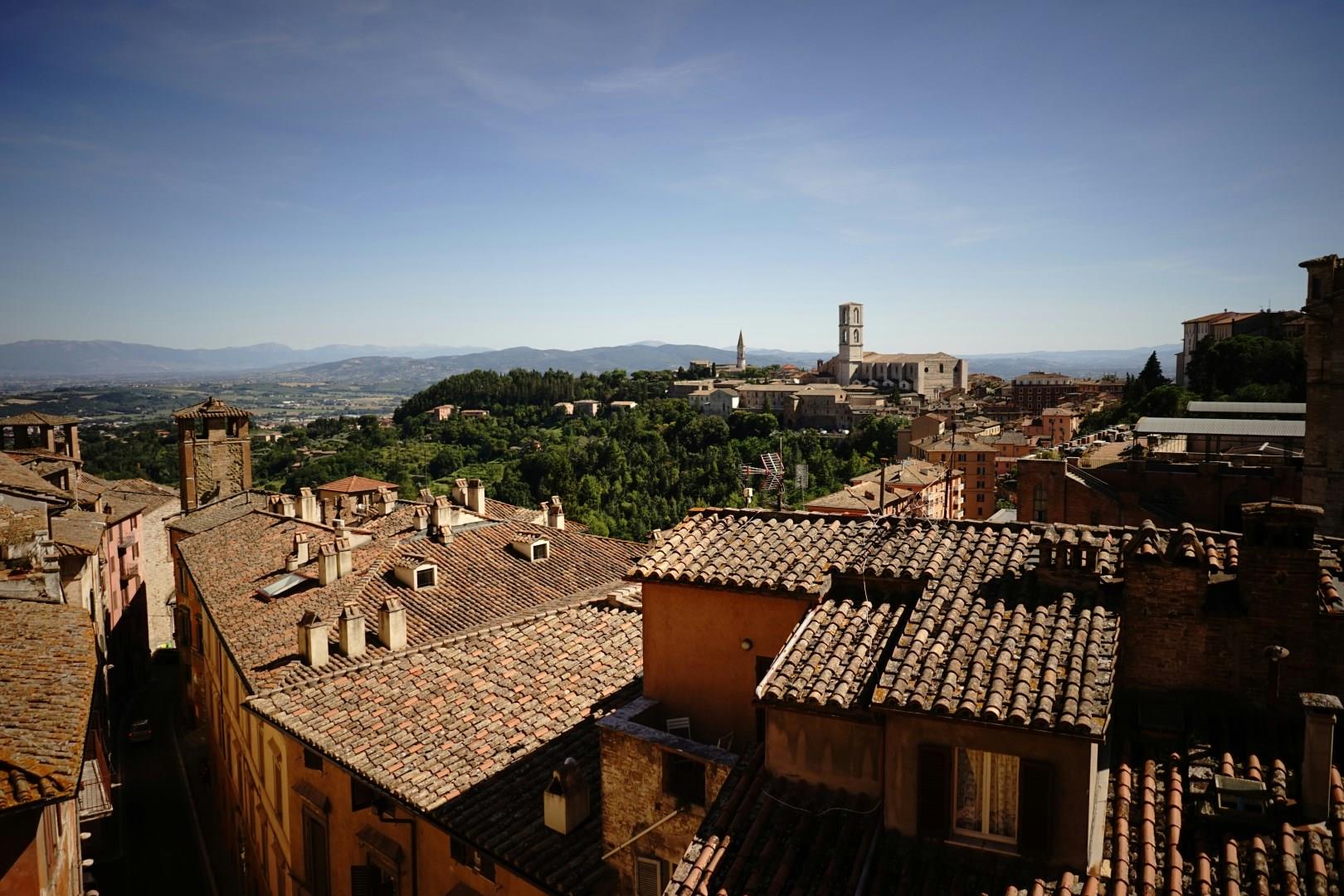
Perugia
Perugia, the capital of Italy’s Umbria region, is a city built across hills and centuries. Originally settled by the Etruscans more than 2,500 years ago, it still holds remnants of their civilization, including one of the largest surviving Etruscan arches in Italy named Arco Etrusco, which greets visitors at the city’s entrance. Walking through the narrow streets of the historic center reveals layers of Roman, medieval, and Renaissance architecture, all woven together within ancient stone walls.
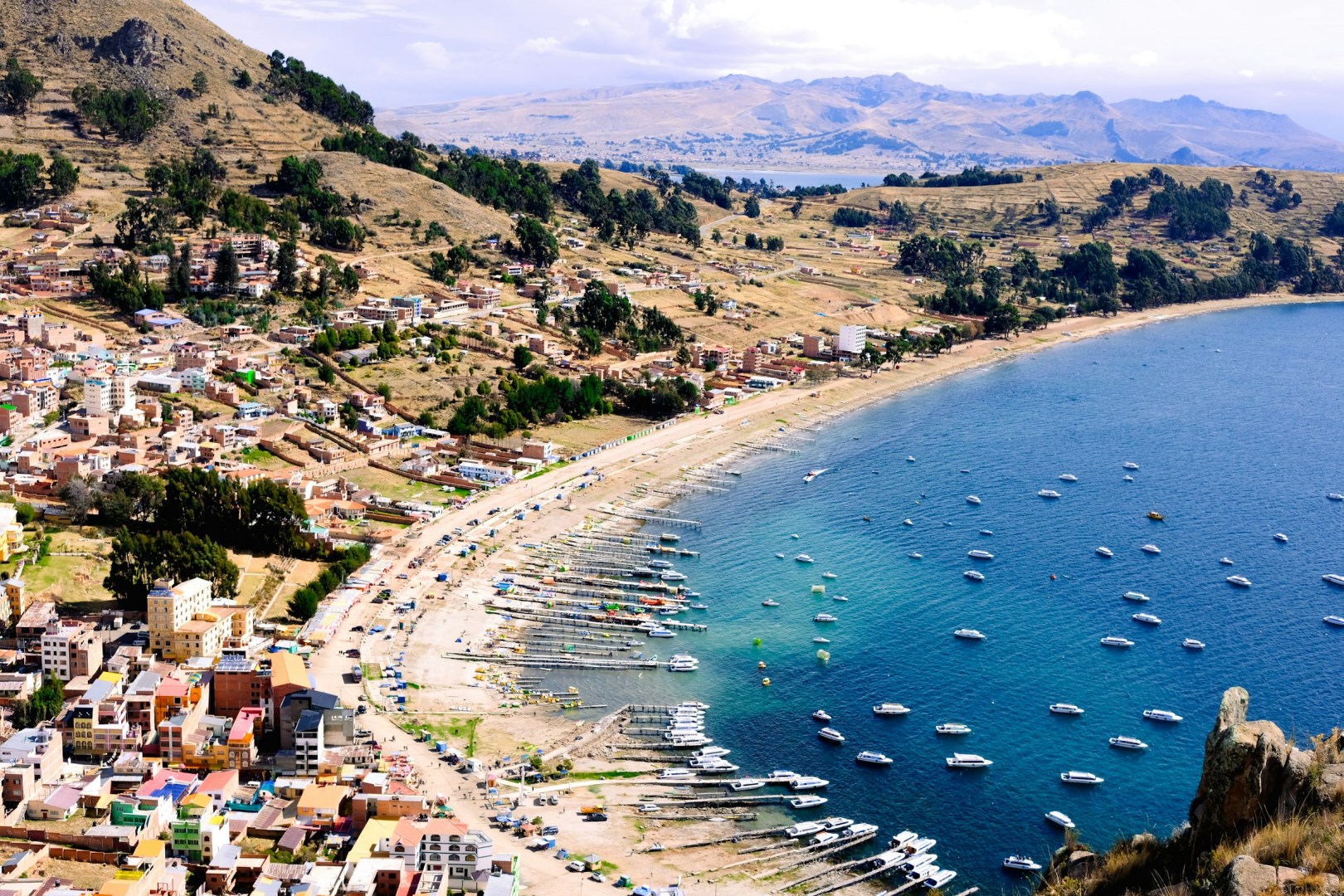
Copacabana
Copacabana is a lakeside town in western Bolivia, situated on the shores of Lake Titicaca near the Peruvian border. Its setting between the lake and the surrounding hills gives it a distinctive highland landscape, with views extending across the deep blue waters toward the distant mountains. Copacabana is one of Bolivia’s main gateways to Lake Titicaca and serves as a starting point for boat trips to Isla del Sol and nearby islands.
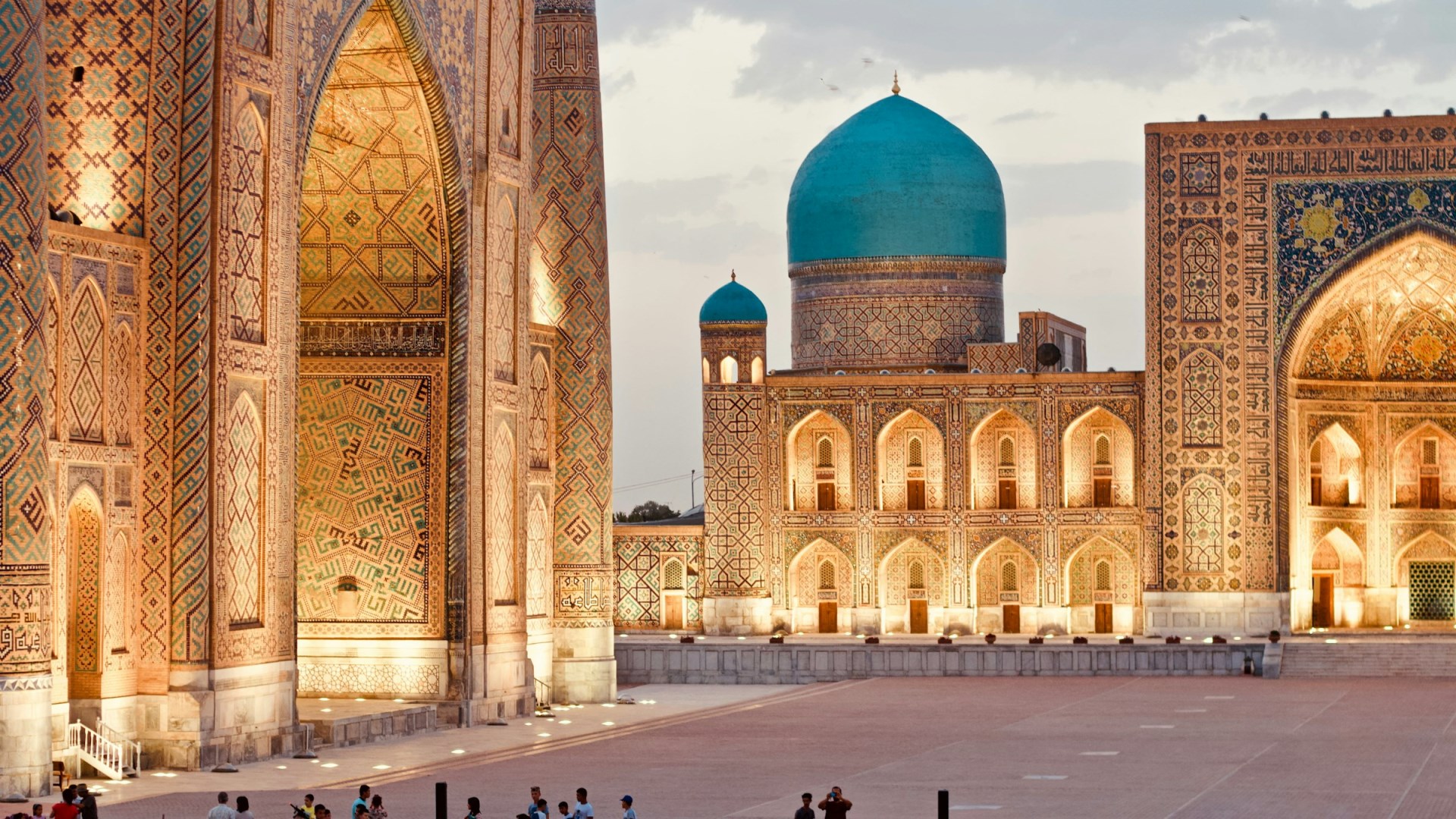
Samarkand
Samarkand is one of Central Asia’s most storied cities, famed for its role as a crossroads of culture, science, and trade along the Silk Road. The heart of the city is the Registan, a grand square framed by three ornate madrasas decorated with vivid mosaics, intricate tilework, and soaring arches.
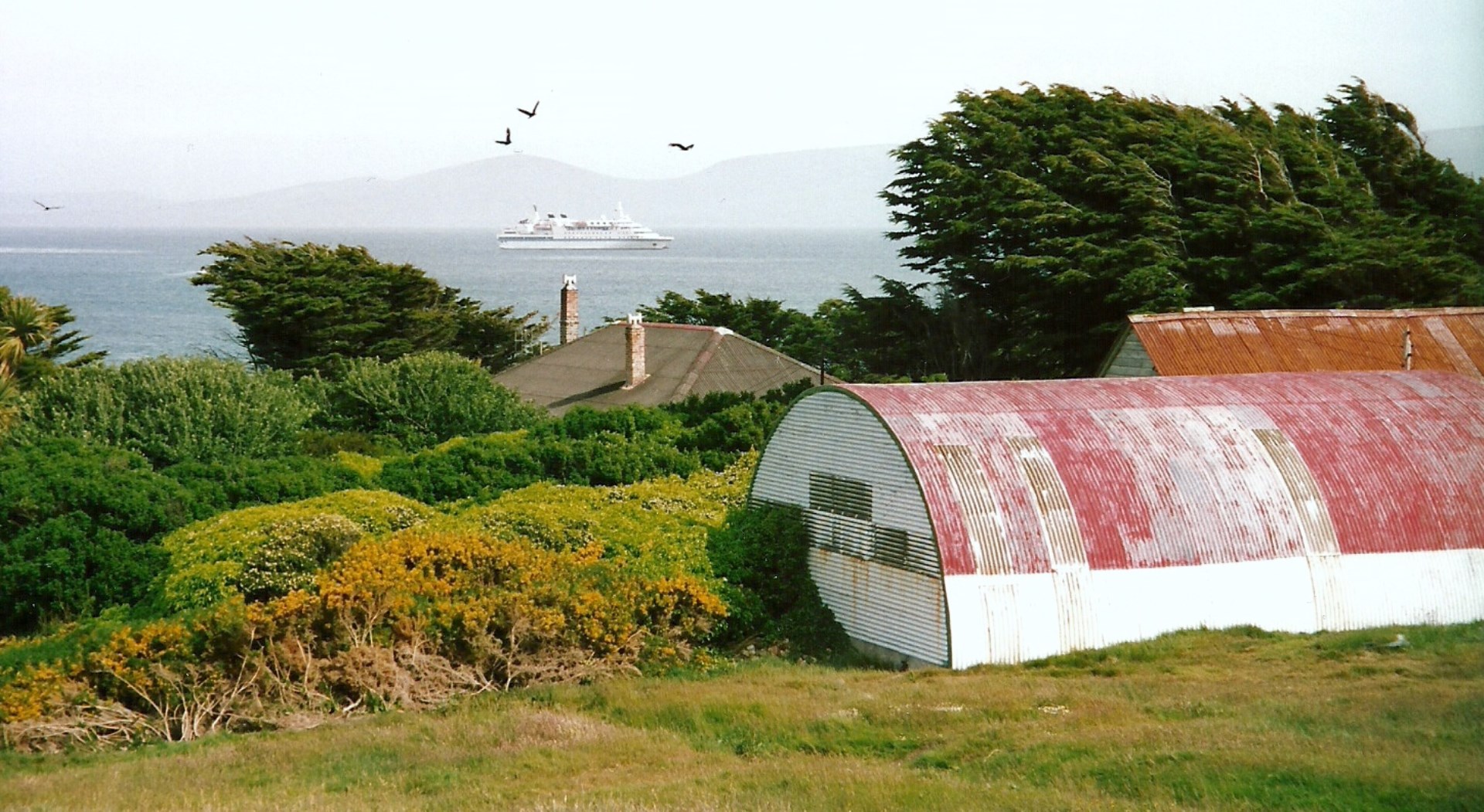
Carcass Island
Adjoining the idyllic farm of the McGill family are miles of beaches, tussock grass, and wildflower meadows, the nesting grounds of hundreds of Magellanic and gentoo penguins, upland and kelp geese, crested and flightless steamer ducks, tussock birds, and night herons. After viewing the birds, take a spot of tea in Mrs. McGill's kitchen.
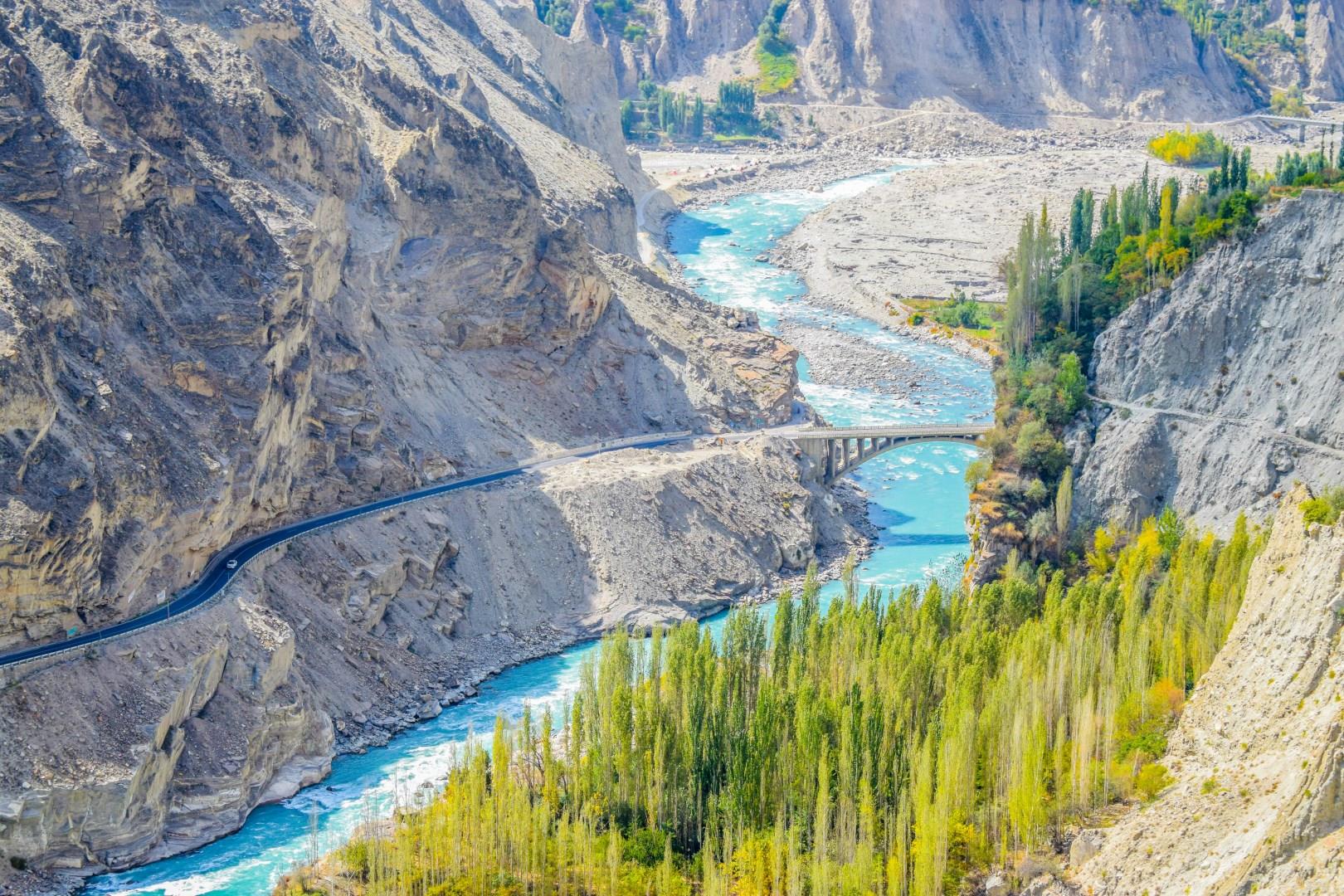
Pakistan
Pakistan is a country of remarkable diversity, combining mountains, deserts, rivers, and coastal areas. The northern regions feature some of the world’s highest peaks, including K2, while the southern plains are home to fertile agricultural land and the port city of Karachi.
