
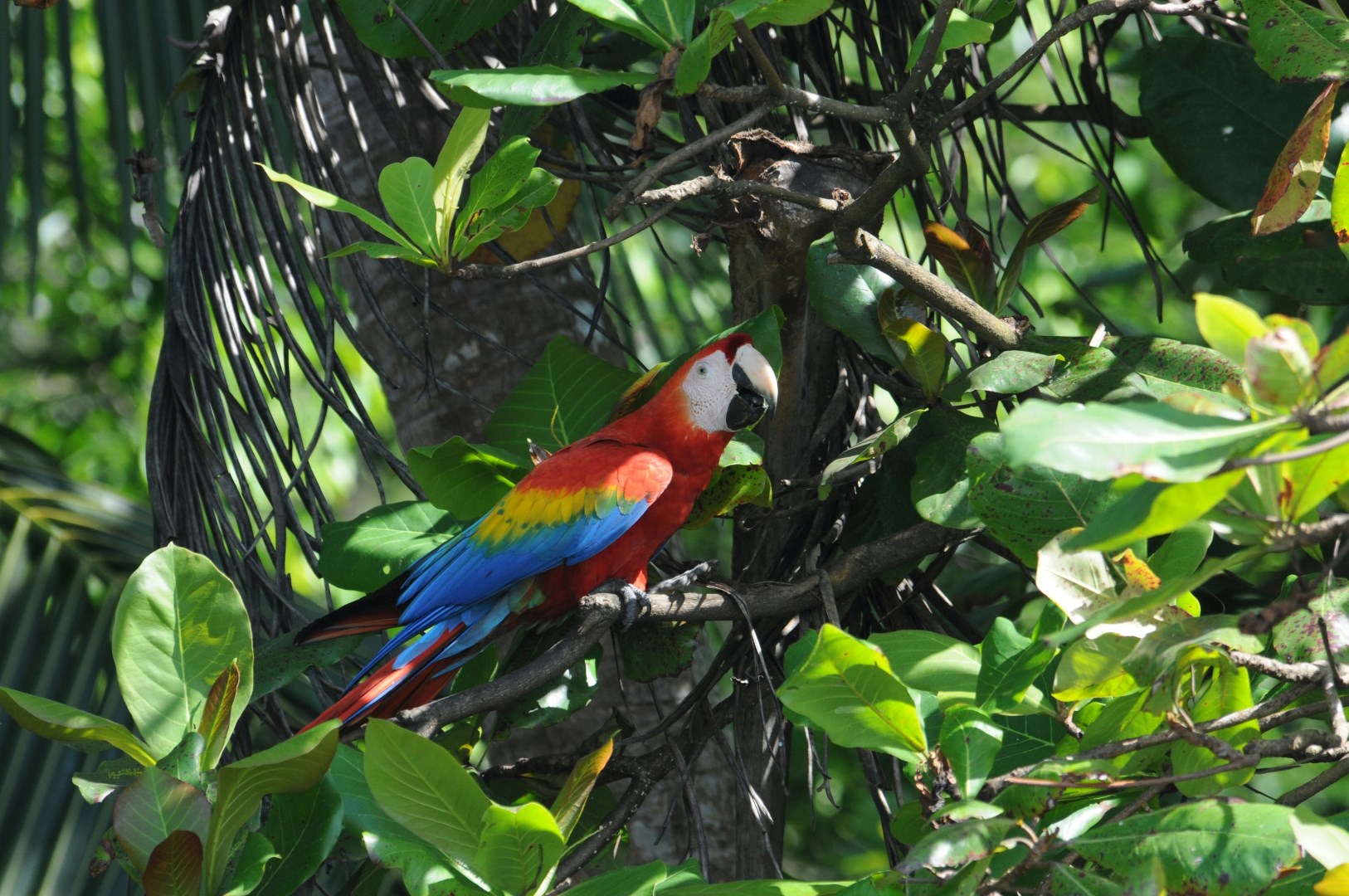
Corcovado
On the remote Osa Peninsula, Corcovado National Park unfolds as a vast stretch of rainforest meeting the Pacific Ocean. This protected area covers a large portion of the peninsula and is often described by scientists as one of the most biologically intense places on Earth. Dense jungle, quiet beaches, and winding rivers sit side by side, creating a landscape where visitors may walk from thick forest into open coastline within minutes.
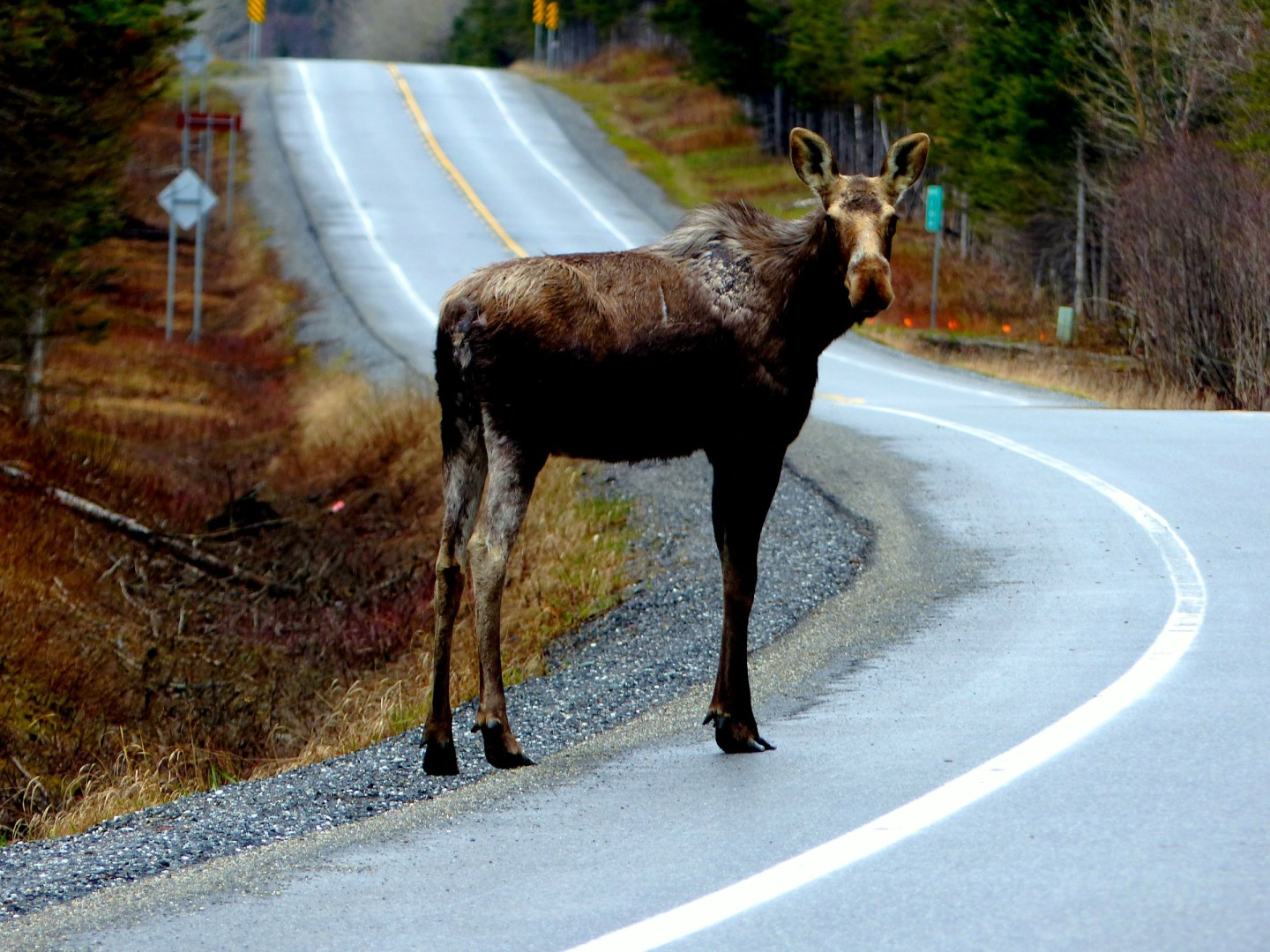
Gaspésie National Park
Gaspésie National Park lies in the heart of Quebec's Gaspé Peninsula, protecting more than 800 square kilometres of mountains, forests, rivers, and alpine environments. The park encompasses parts of the Chic-Choc and McGerrigle mountain ranges, including more than 25 peaks rising above 1,000 metres.
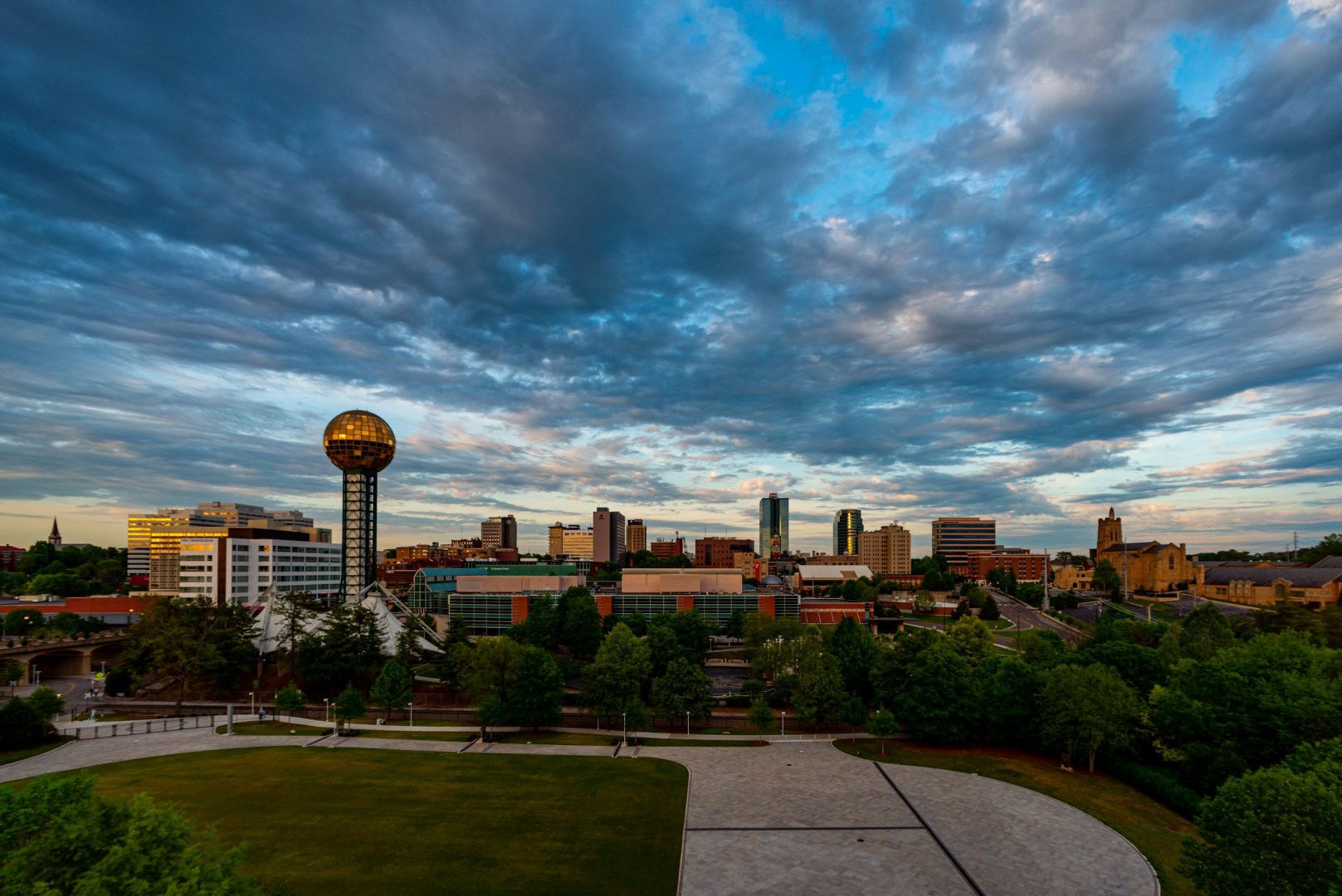
Knoxville
Knoxville sits in the Great Valley of East Tennessee at the headwaters of the Tennessee River, with the Appalachian Mountains rising to the east and southeast. The city combines a historic downtown with riverfront parks, leafy neighborhoods, and easy access to outdoor areas.
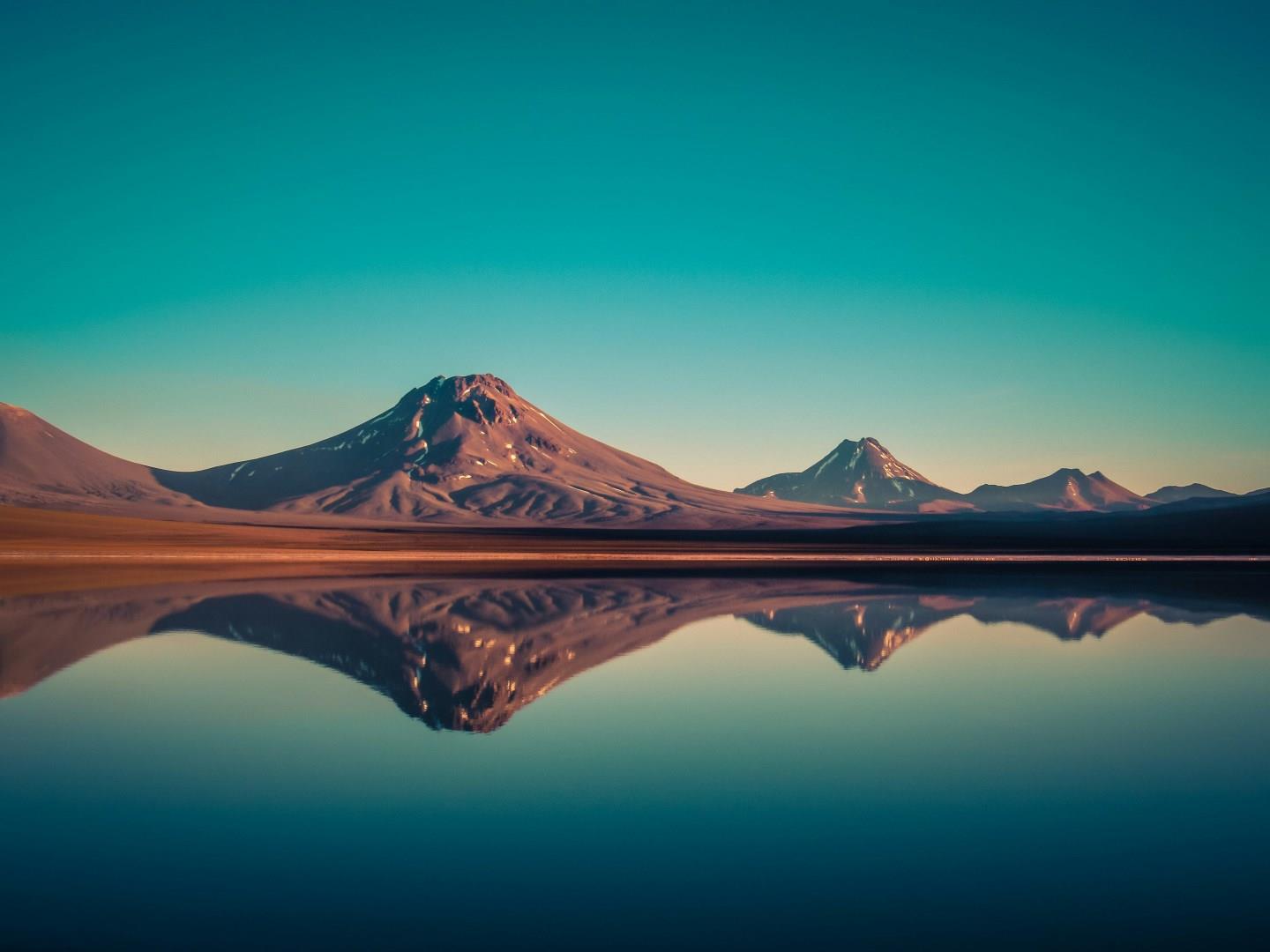
San Pedro De Atacama
San Pedro de Atacama, a small town in northern Chile, sits at over 2,400 meters above sea level in one of the most geologically diverse areas on Earth. Surrounded by volcanoes, salt flats, geysers, and ancient lava flows, it has long served as a gateway to the Atacama Desert. This desert is the driest non-polar place in the world, where some weather stations have never recorded rainfall.
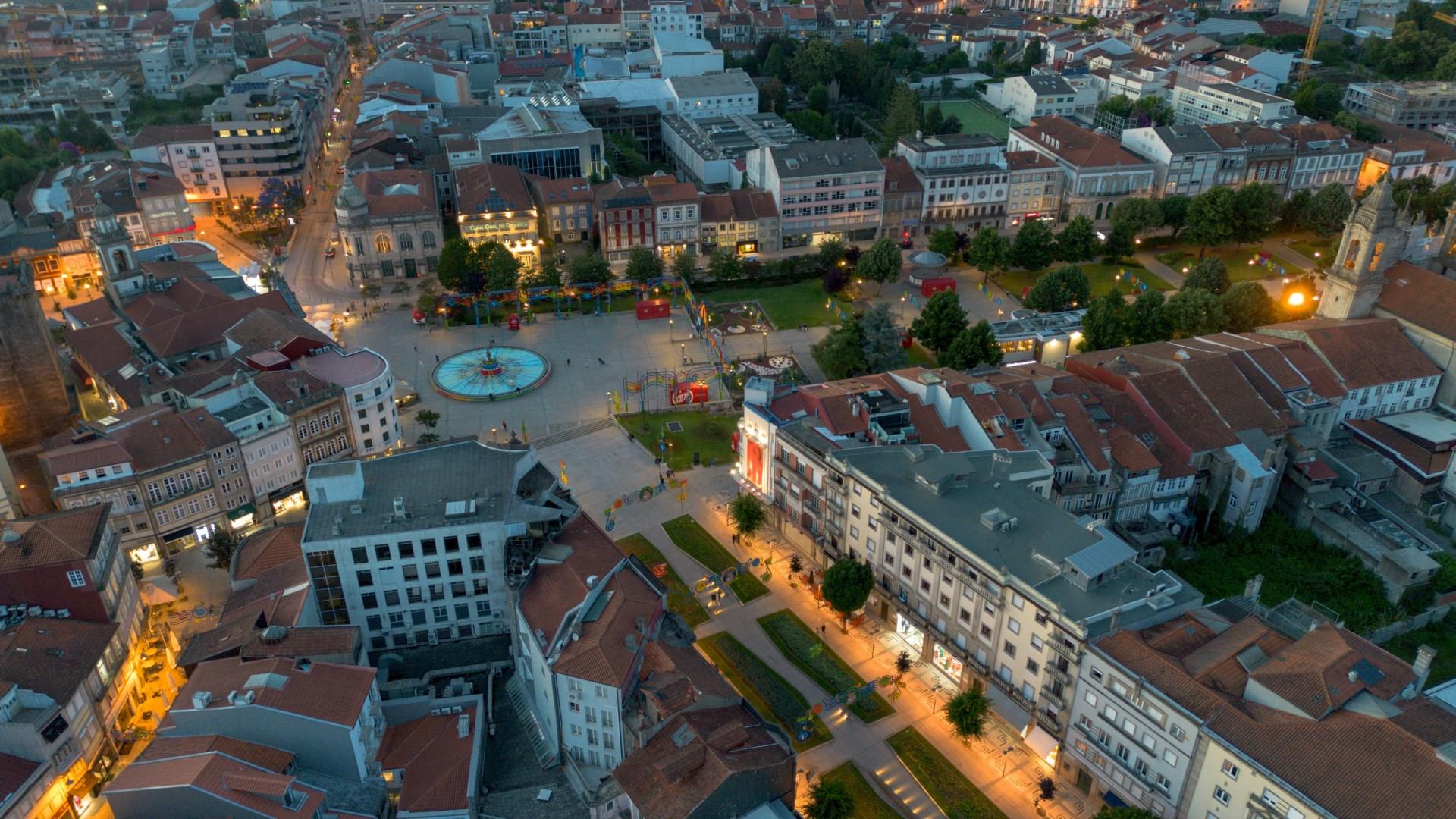
Braga
Braga, one of Portugal’s oldest and most vibrant cities, blends deep religious heritage with a youthful, energetic spirit. Founded over two millennia ago by the Romans as Bracara Augusta, the city has long been a center of faith and culture, earning it the nickname “the Rome of Portugal.”
