
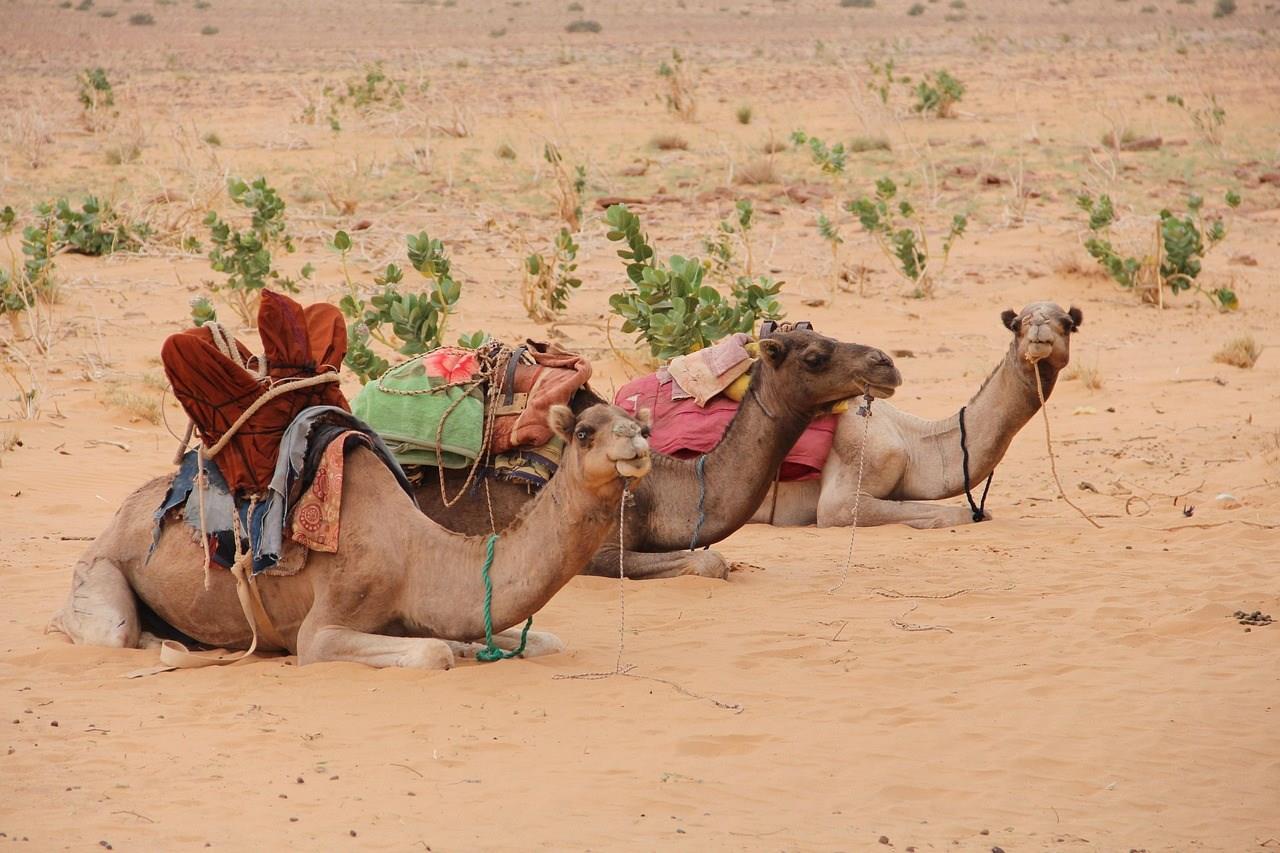
Mauritania
Mauritania, stretching between the Atlantic Ocean and the Sahara Desert, offers travelers a journey through wide-open landscapes and centuries of history. Its terrain is marked by shifting sand dunes, ancient caravan towns, and stretches of untouched coastline.
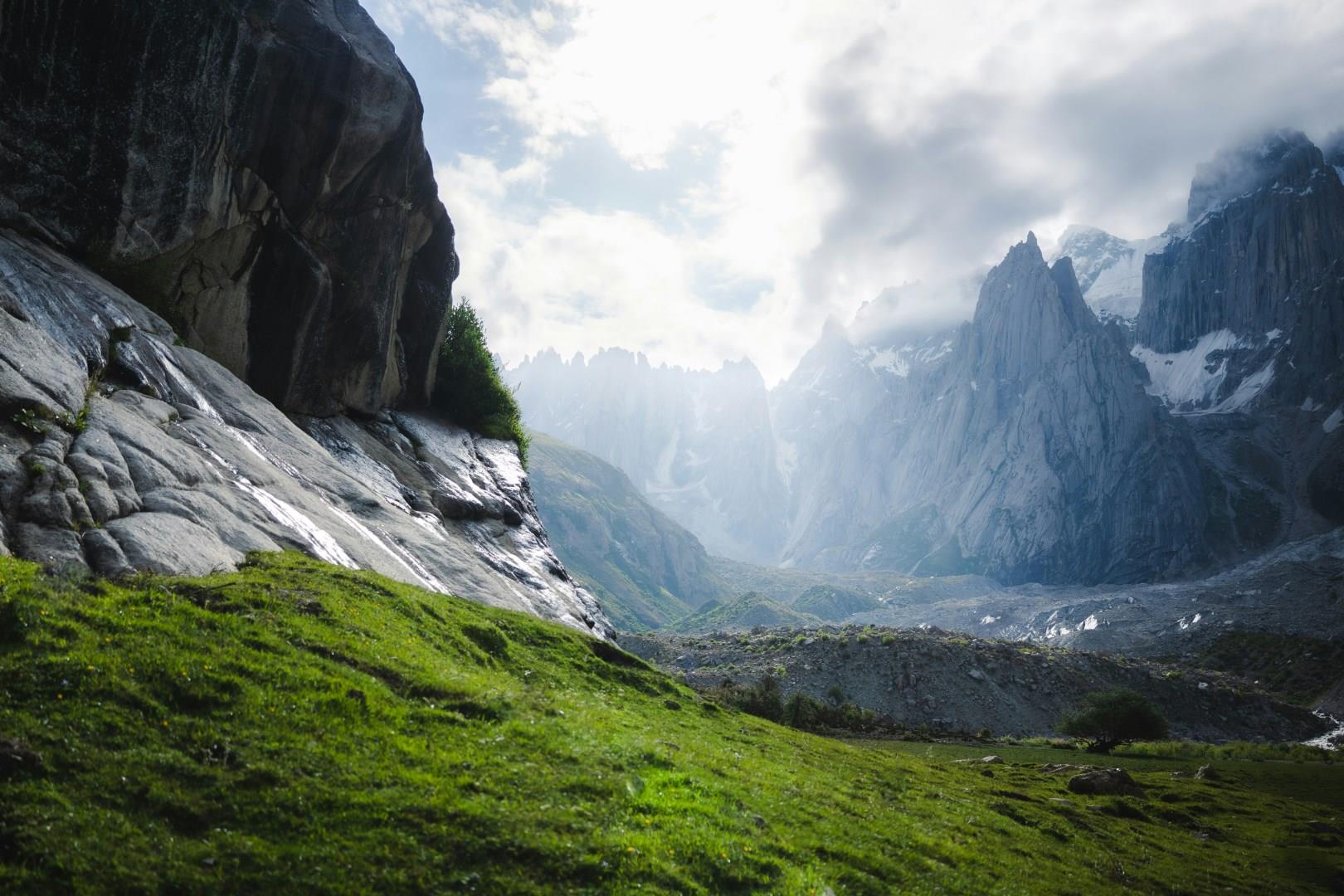
Nangma Valley
Nangma Valley, tucked deep within the Karakoram Range of northern Pakistan, is a place where towering granite spires rise dramatically above alpine meadows and clear streams. Located near the small town of Hushé in Gilgit-Baltistan, the valley is often described as a natural amphitheater of peaks. Climbers and trekkers from around the world are drawn to its vertical walls, but the valley’s quiet trails and sweeping views also offer an extraordinary experience .
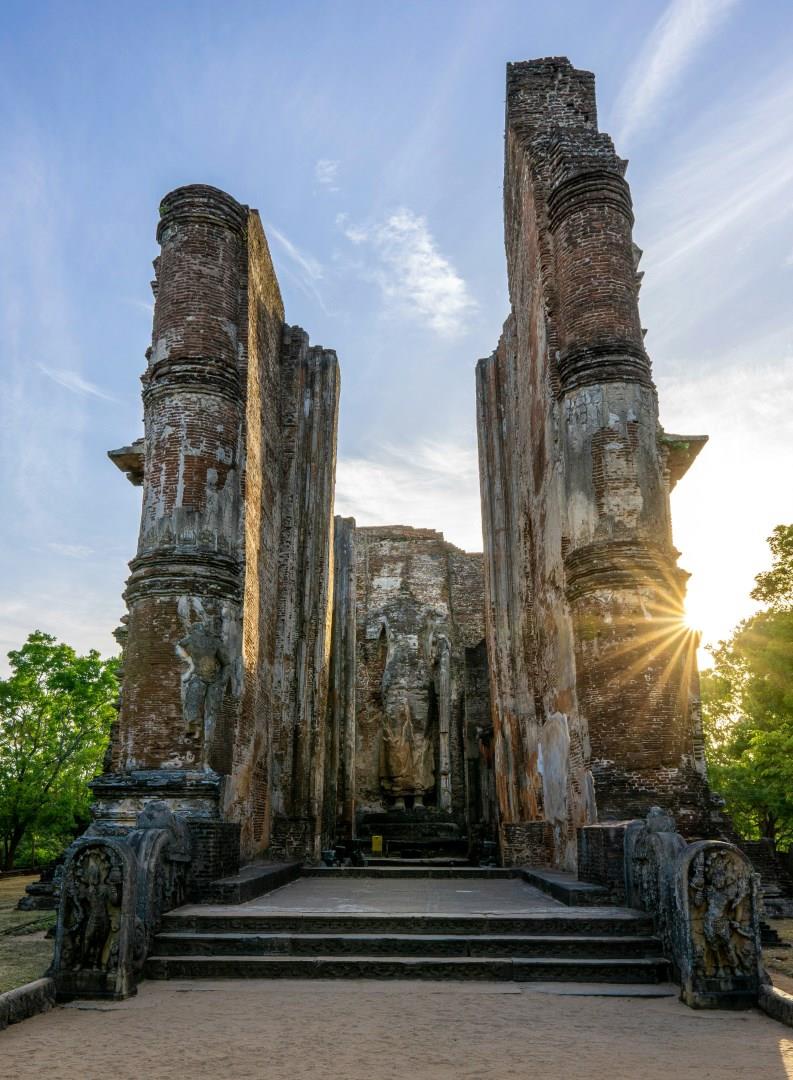
Polonnaruwa
Polonnaruwa, located in Sri Lanka’s North Central Province, served as the island’s capital nearly a thousand years ago. Today, it offers one of the most extensive and well-preserved archaeological sites in South Asia. Visitors can walk among the ruins of royal palaces, Buddhist monasteries, and intricately carved stone temples. One of the highlights of Polonnaruwa is the Gal Vihara, a group of colossal Buddha statues carved directly into granite.
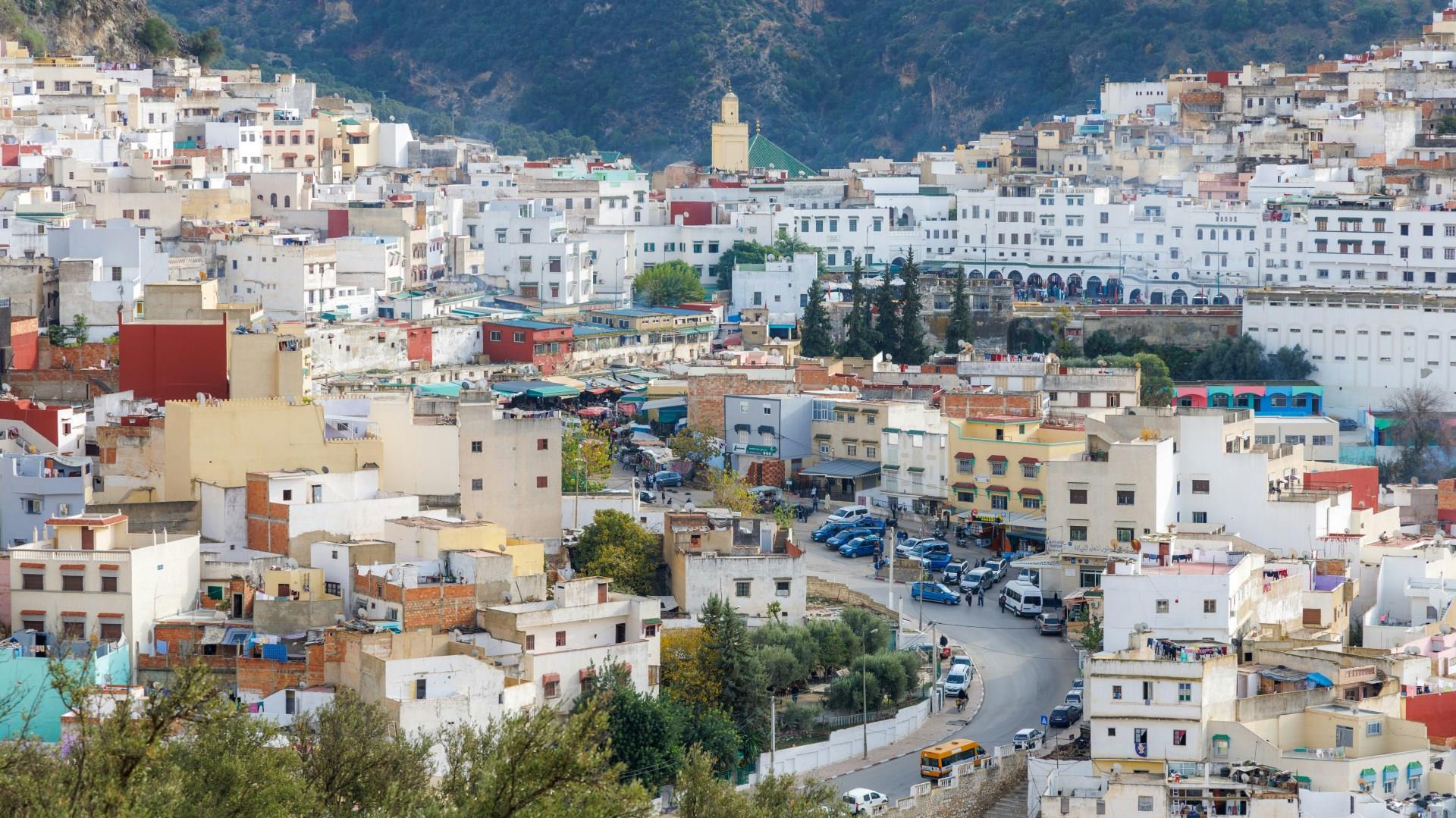
Moulay Idriss
Moulay Idriss sits on twin hills in northern Morocco, revered as one of the country’s most important spiritual centers.

Beijing
Beijing, the capital of China, is a city where history and modern life intersect on a grand scale. Ancient landmarks like the Forbidden City, Tiananmen Square, and the Temple of Heaven reflect centuries of imperial heritage, while the Great Wall lies just outside the city, offering views of one of the most famous engineering feats in the world.
