
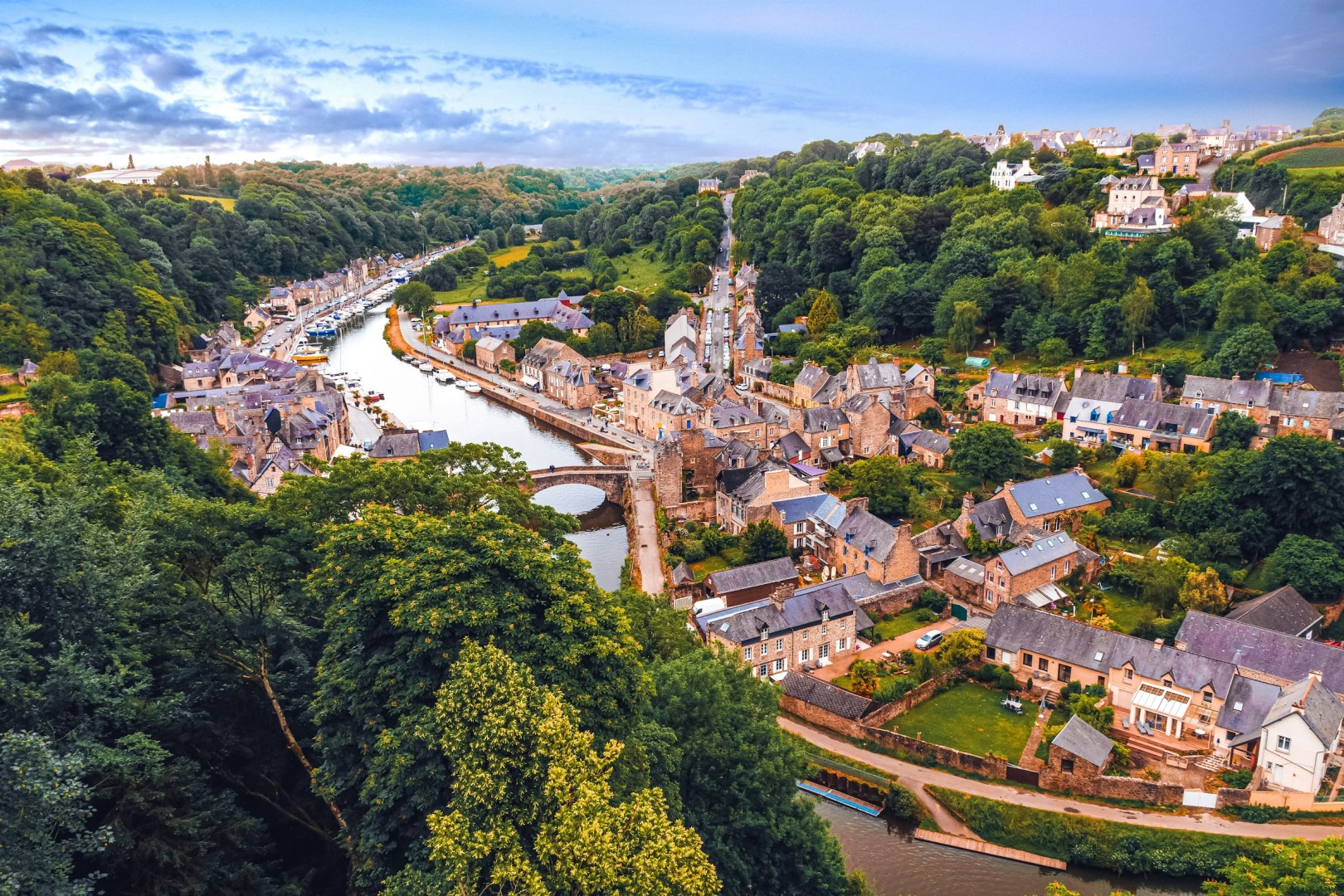
Dinan
Medieval half-timbered houses decorated with vibrant flower displays line the cobblestone streets of this picturesque and charming French town. Whether you're perusing the artisan shops, exploring the historic buildings, taking a leisurely walk along the riverbanks, or enjoying the lively markets or festivals, you'll find yourself immersed in its timeless beauty.
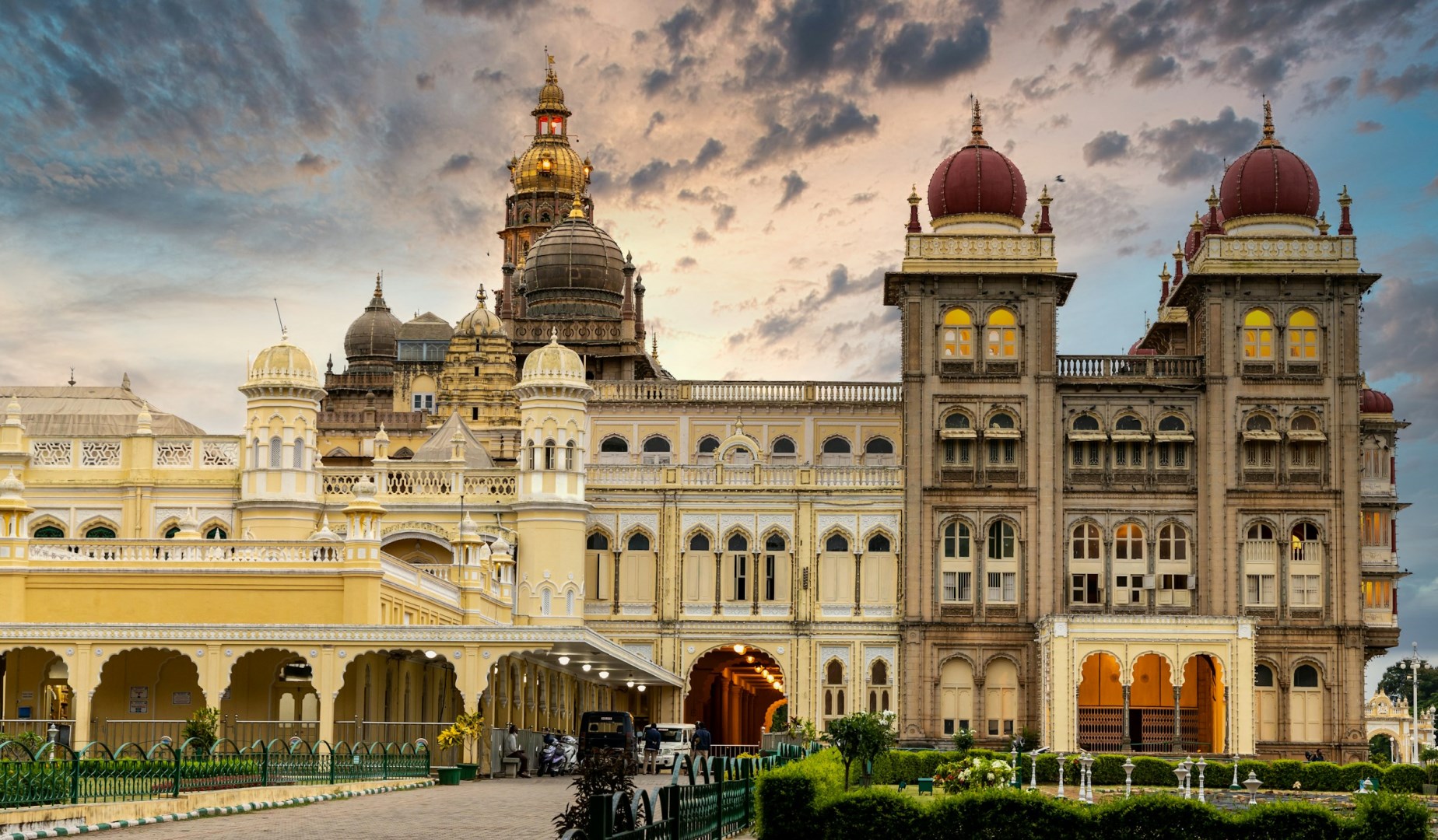
Mysore
Mysore, often called the “Cultural Capital of Karnataka,” is a city where centuries-old royal heritage meets living tradition. Located at the foothills of the Chamundi Hills, it is best known for its palaces, wide boulevards, and colorful festivals. Once the seat of the Wadiyar dynasty, Mysore still carries an unmistakable royal influence that can be seen in its architecture, markets, and cultural celebrations.
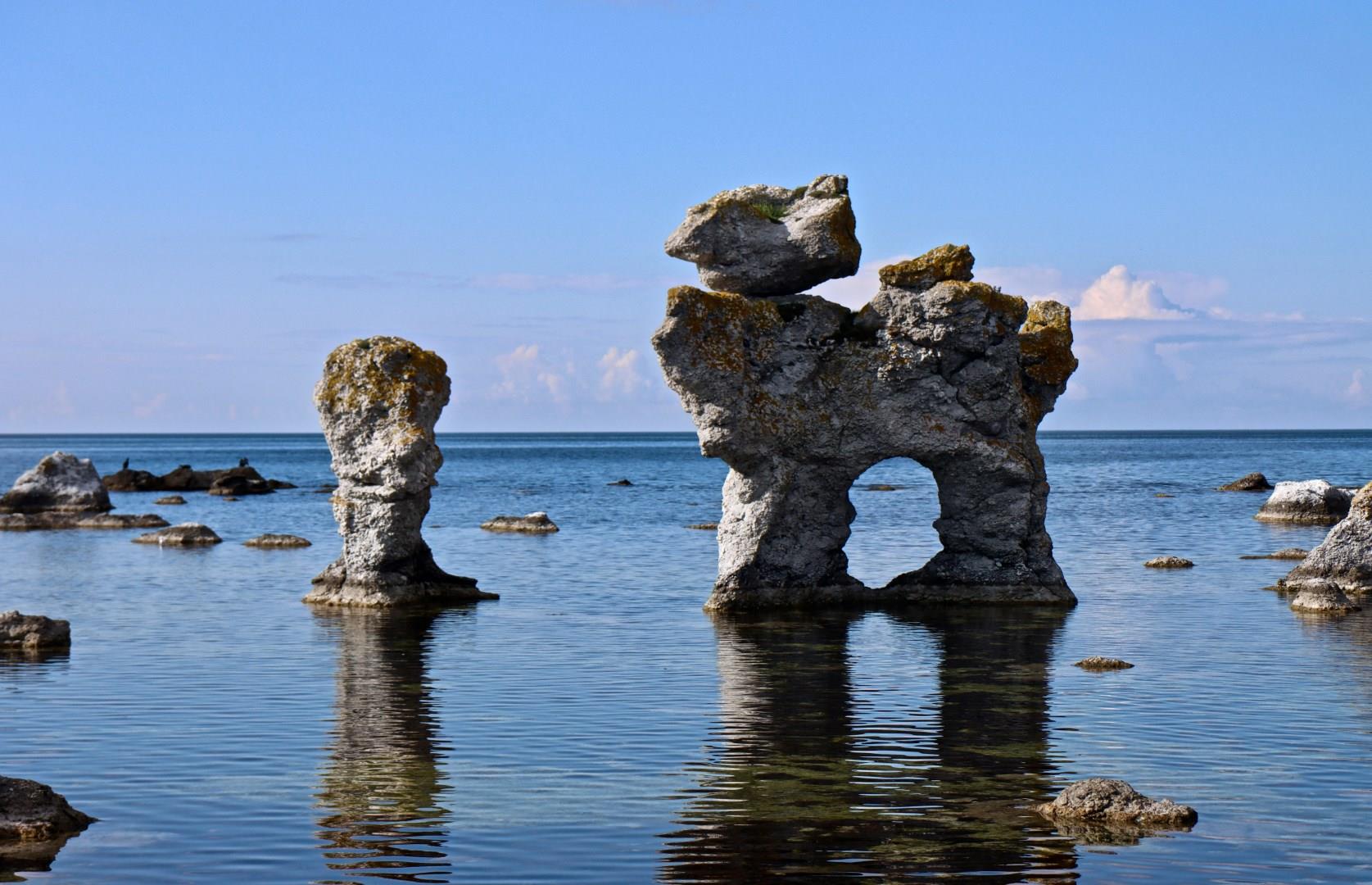
Gotland
Gotland, Sweden’s largest island, sits in the Baltic Sea and feels like a world of its own. Its main town, Visby, is a UNESCO World Heritage site and one of the best-preserved medieval towns in Northern Europe. Surrounded by a 3.5-kilometer stone wall with original towers still intact, Visby once served as a key Hanseatic trading hub. Visitors can walk along cobbled streets lined with rose-covered cottages, explore Gothic church ruins, and climb up the city wall for views over the harbor.
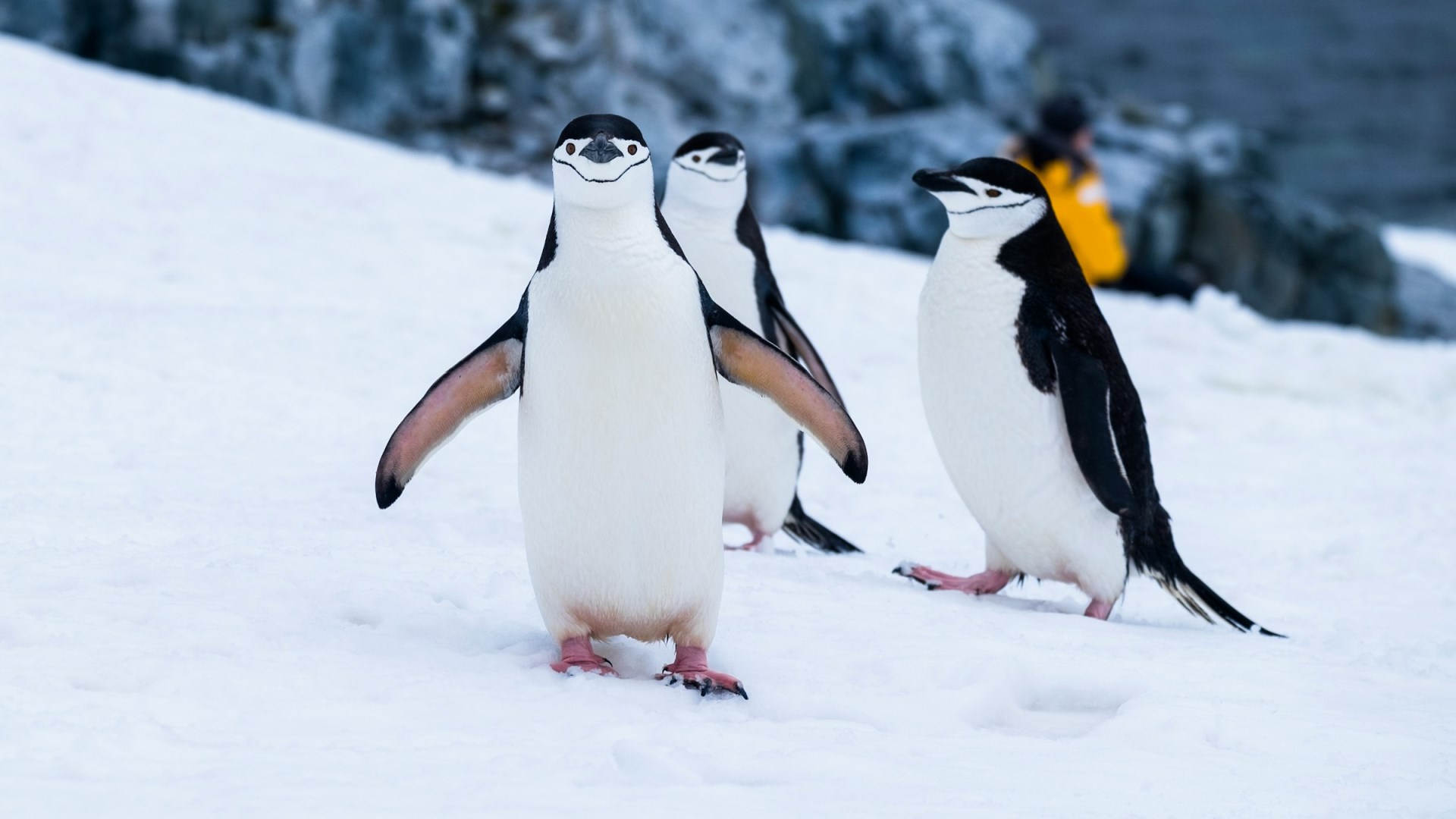
Two Hummock Island
Two Hummock Island is a mountainous island off the west coast of the Antarctic Peninsula, separated from the mainland by the Lemaire Channel region and surrounded by ice-filled waters. The island is named for its two prominent peaks, which rise above a rugged landscape of snow, rock, and glaciers. Its remote setting makes it a less frequently visited destination than some nearby Antarctic sites, but expedition vessels may approach the island for wildlife viewing, scenic cruising, or shore activi
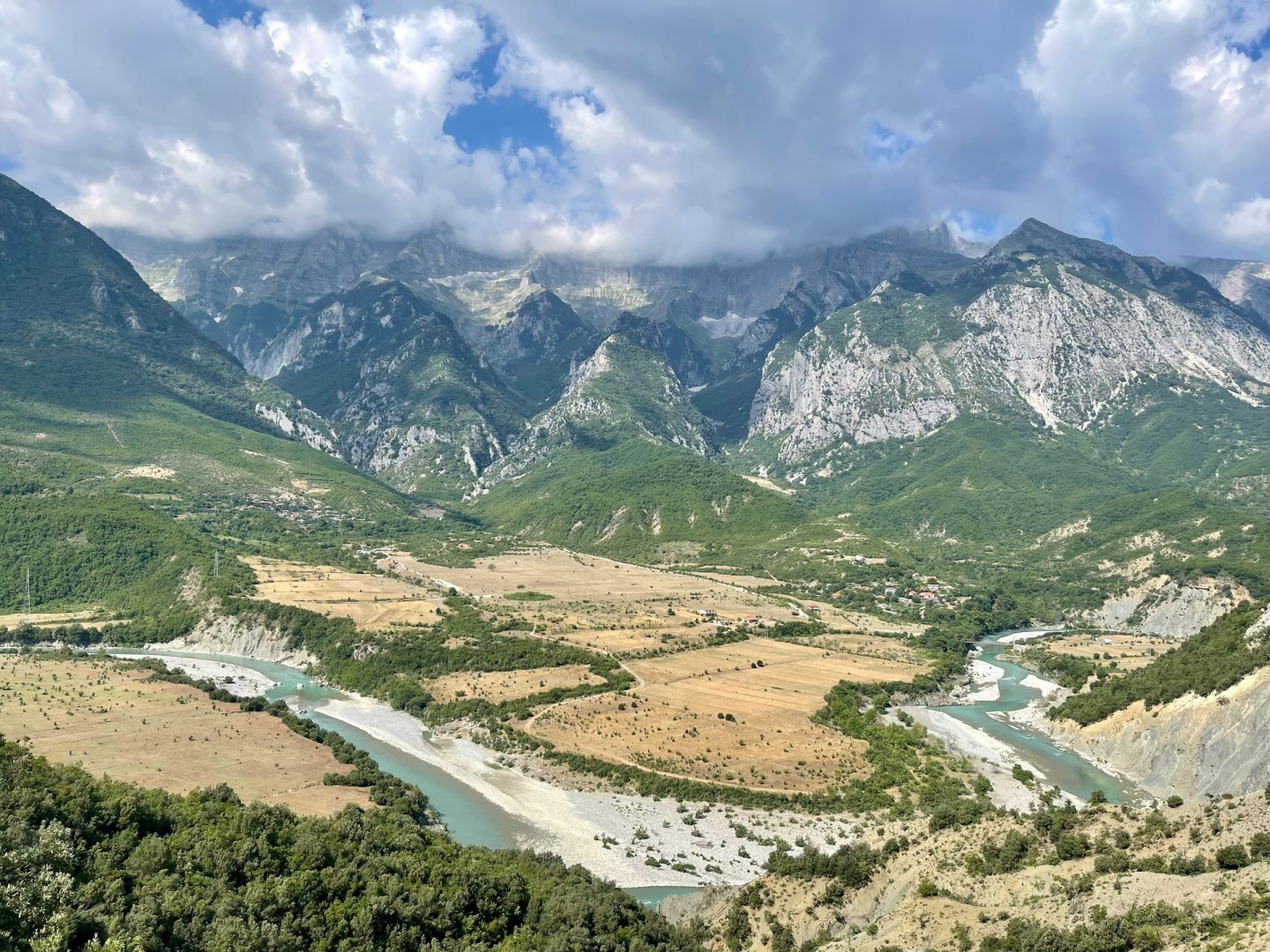
Përmet
Përmet is a small town in southeastern Albania, situated in the Vjosa River valley between the Dangëlli and Trebeshinë mountain ranges. Often known as the “City of Roses,” it is surrounded by forested hills, river landscapes, and agricultural land. The town's position near the Vjosa and its tributaries gives the area a strong connection to water and mountain environments. Përmet is also a base for exploring nearby thermal springs, canyons, protected forests, and rural villages.
