

Dominica
Dominica, known as the “Nature Island of the Caribbean,” is a haven for eco-tourists and adventure seekers. Nestled between the French islands of Guadeloupe and Martinique, this lush island boasts a remarkable landscape of volcanic mountains, dense rainforests, and stunning waterfalls. Dominica’s most iconic natural wonder is the Boiling Lake, the second-largest hot spring in the world.
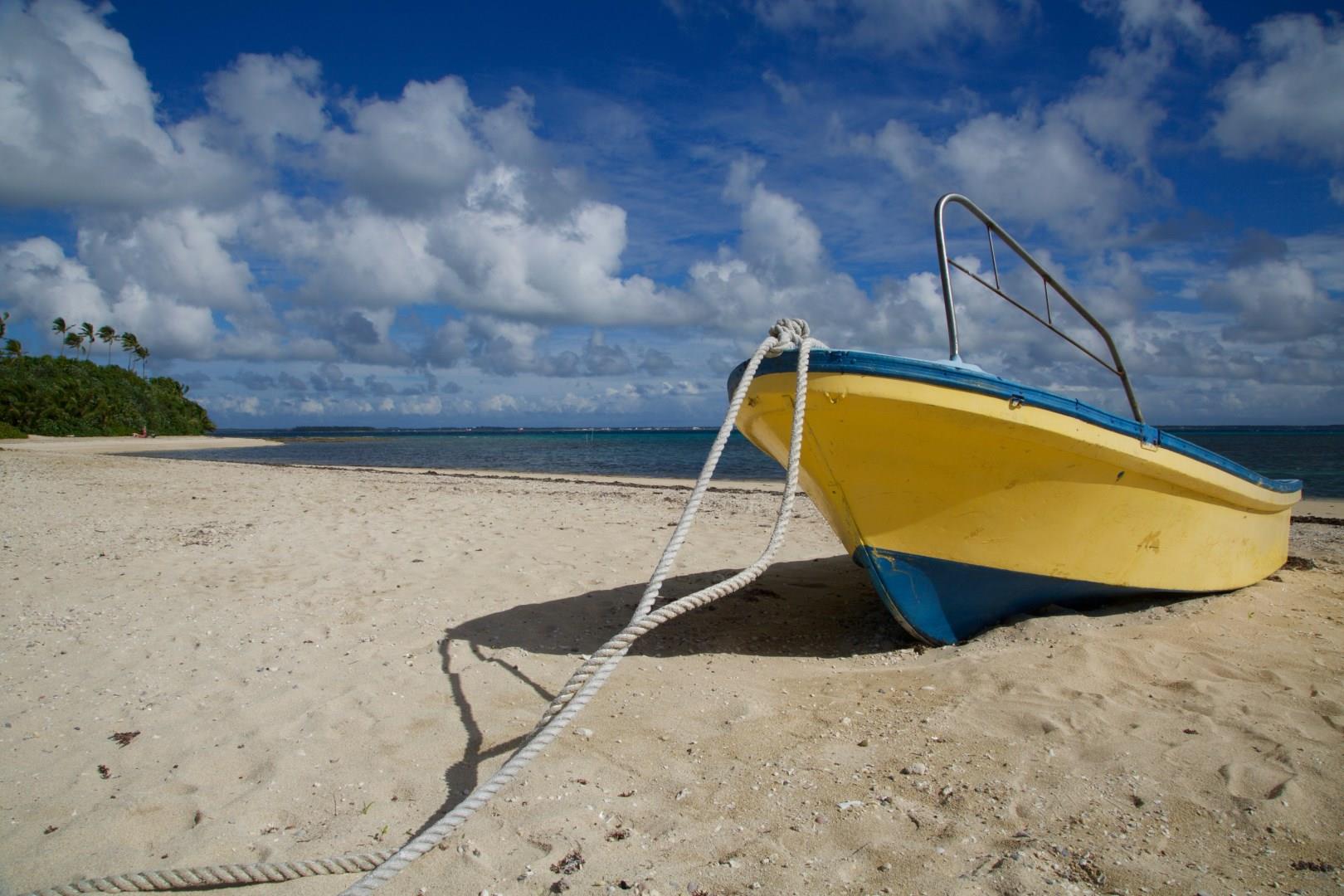
Tonga
Tonga is distinctly different to its neighboring island nations. This Polynesian kingdom, made up of 170 islands, carries a proud history that dates back over 3,000 years. On the main island of Tongatapu, travelers can explore ancient stone structures like the Haʻamonga ʻa Maui Trilithon—sometimes called the Stonehenge of the Pacific. Royal tombs in Lapaha offer a glimpse into the lineage of Tonga’s kings, while village life remains guided by customs that have changed little over centuries.

Lifou
Lifou Island, the most populous of the Loyalty Islands in New Caledonia, is a flat, former coral atoll with abundant vegetation and surrounded by secluded coral reefs which many say offer some of the best snorkeling in the world.

Kigali
Kigali, the capital of Rwanda, is a city that blends modern energy with deep cultural roots. Set among rolling hills, it offers striking views at nearly every turn.

Uluru
Located in Australia's Northern Territory, Uluru is an iconic sandstone formation and UNESCO World Heritage site. This red rock monolith, believed to be over 500 million years old, has been considered sacred by Australia's indigenous peoples for thousands of years and is one of the country's most well-known natural landmarks. This spiritual destination will astound you at sunrise and sunset, when the warm sunlight turns Uluru to deep hues of red and orange.
