
Mole National Park
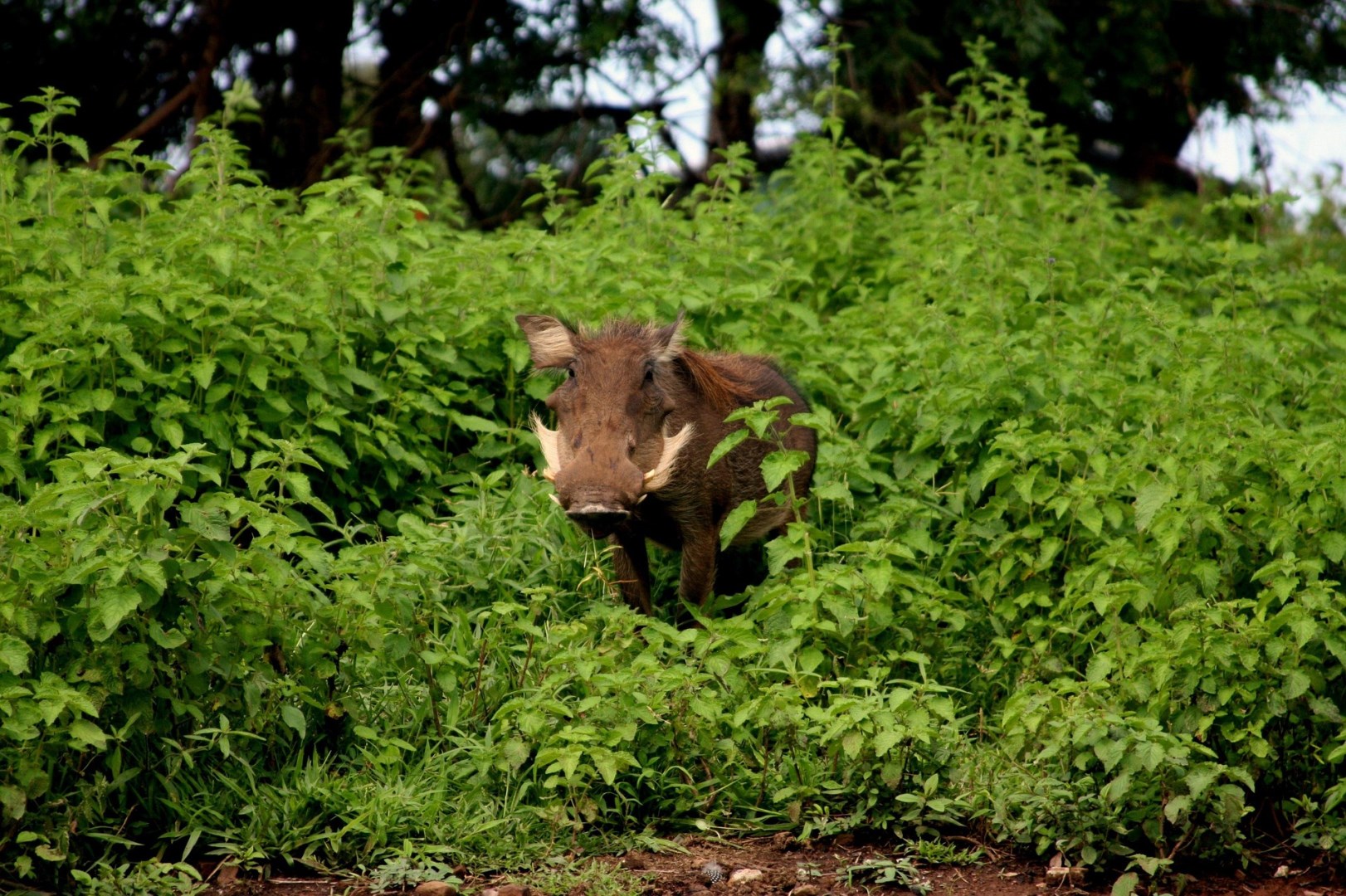
Mole National Park is Ghana’s largest protected terrestrial area, covering a broad landscape of savanna woodland and grassland in the country’s northern region. The park lies near Larabanga and stretches across gently rolling terrain marked by seasonal streams, rocky outcrops, and wooded valleys. Its open habitats provide a clear contrast with the tropical forests of southern Ghana.
St. Kilda
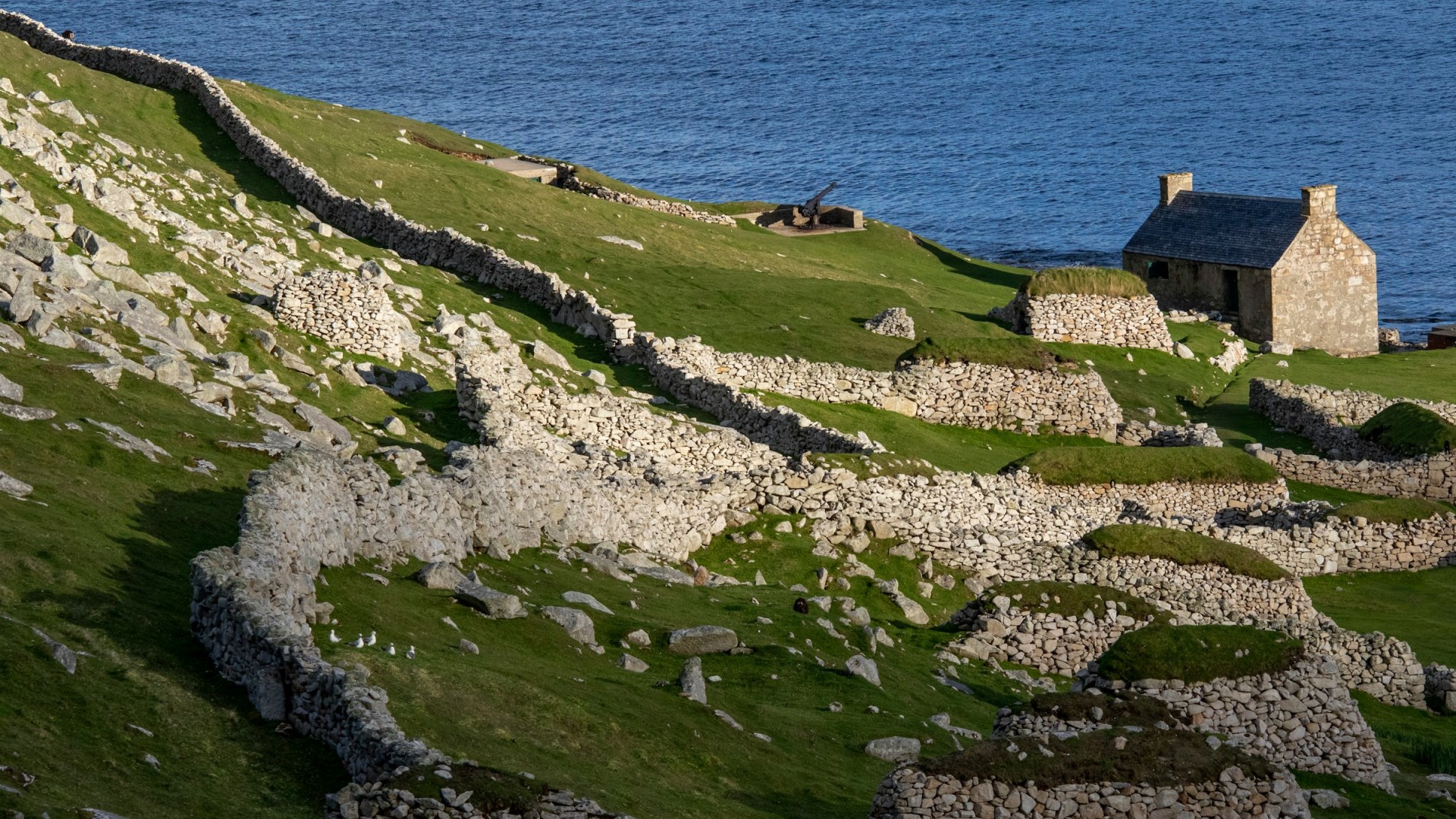
St Kilda is a remote volcanic archipelago in the Atlantic Ocean, far west of Scotland’s Outer Hebrides. The group consists of Hirta, Dun, Soay, and Boreray, along with numerous sea stacks and smaller formations. Hirta is the largest island and contains the remains of the former settlement around Village Bay. No permanent civilian population lives on St Kilda today, although conservation workers, researchers, and Ministry of Defence personnel occupy Hirta at various times.
Faro
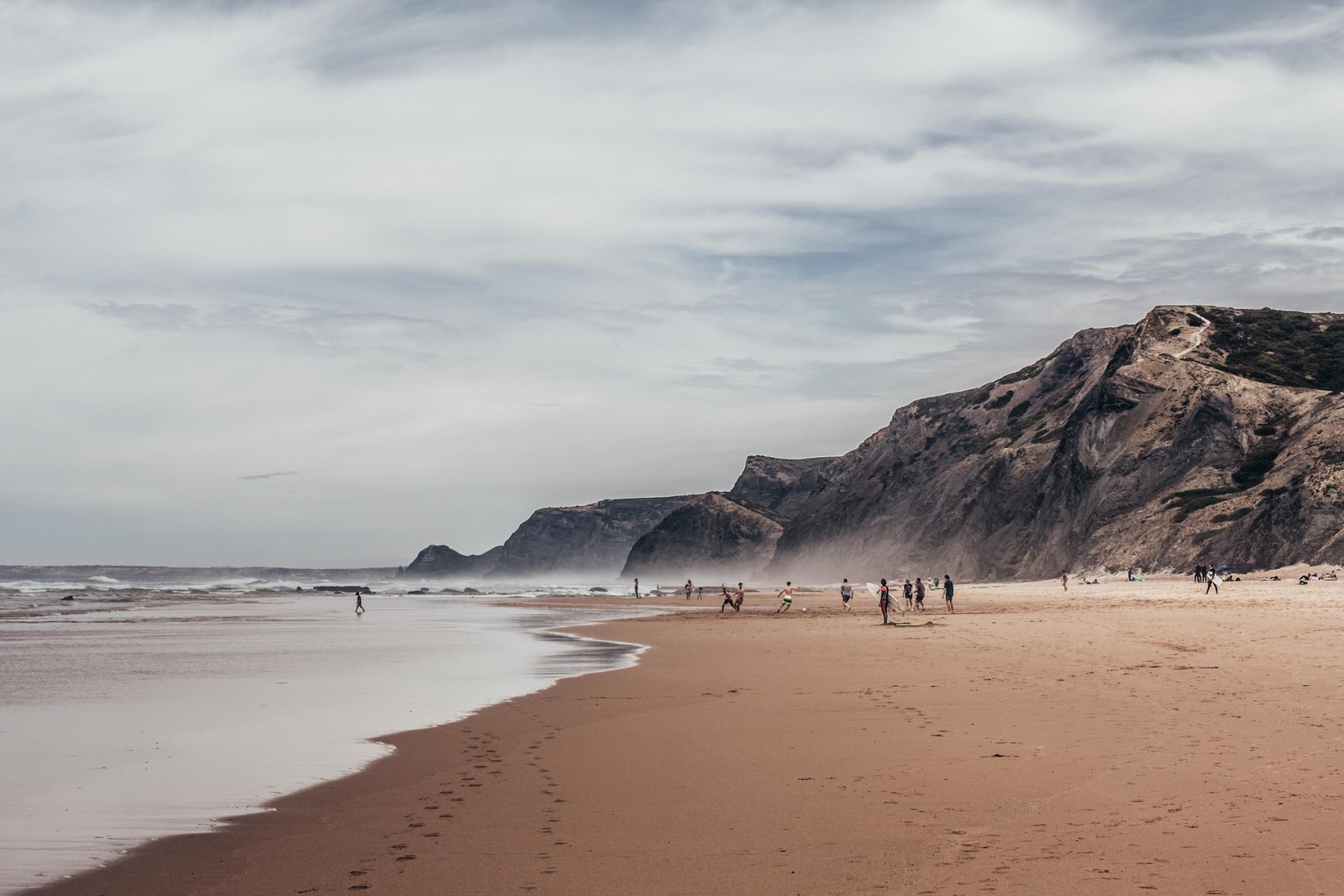
This is the most Moorish part of Portugal, the rich plain south of the Serra do Caldeirao, scalloped by the beaches and headlands of the Algarve. It is where, in early spring, blossoming almond trees carpet the still-brown hillsides with drifts of snow-like flowers, and the plain white facades of little houses are topped by intricately pierced chimneys that look like ice-cream cones.

French Polynesia
An enchanting paradise in the heart of the South Pacific, French Polynesia is made up of over 100 islands known for their crystal-clear lagoons, lush mountains, and vibrant coral reefs. The islands’ warm, tropical climate combined with its stunning landscapes, from towering waterfalls to dramatic volcanic peaks, invite travelers to step into a world of natural wonder and beauty.
Ambon
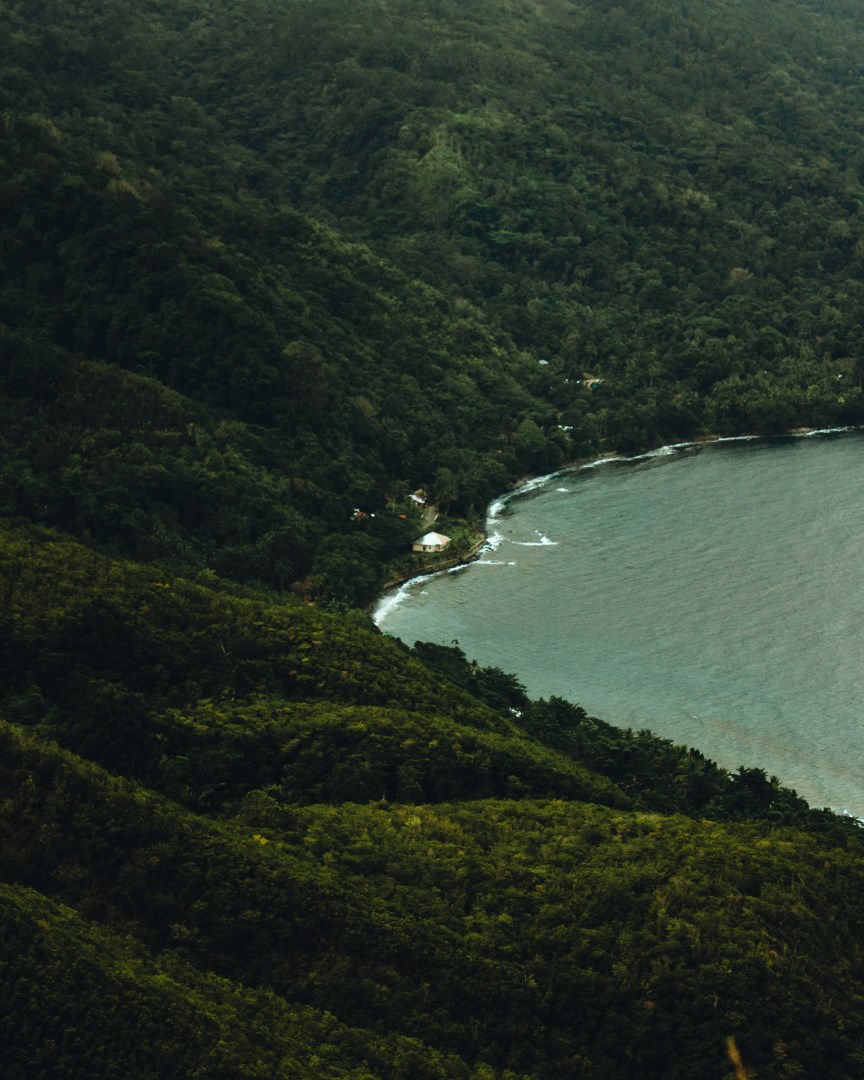
Ambon is the capital of the archipelago of Maluku. The city was founded around the late 1500's due largely to the famed Spice Trade route. Ambon is diverse with the rich culture of many different nationalities.
