
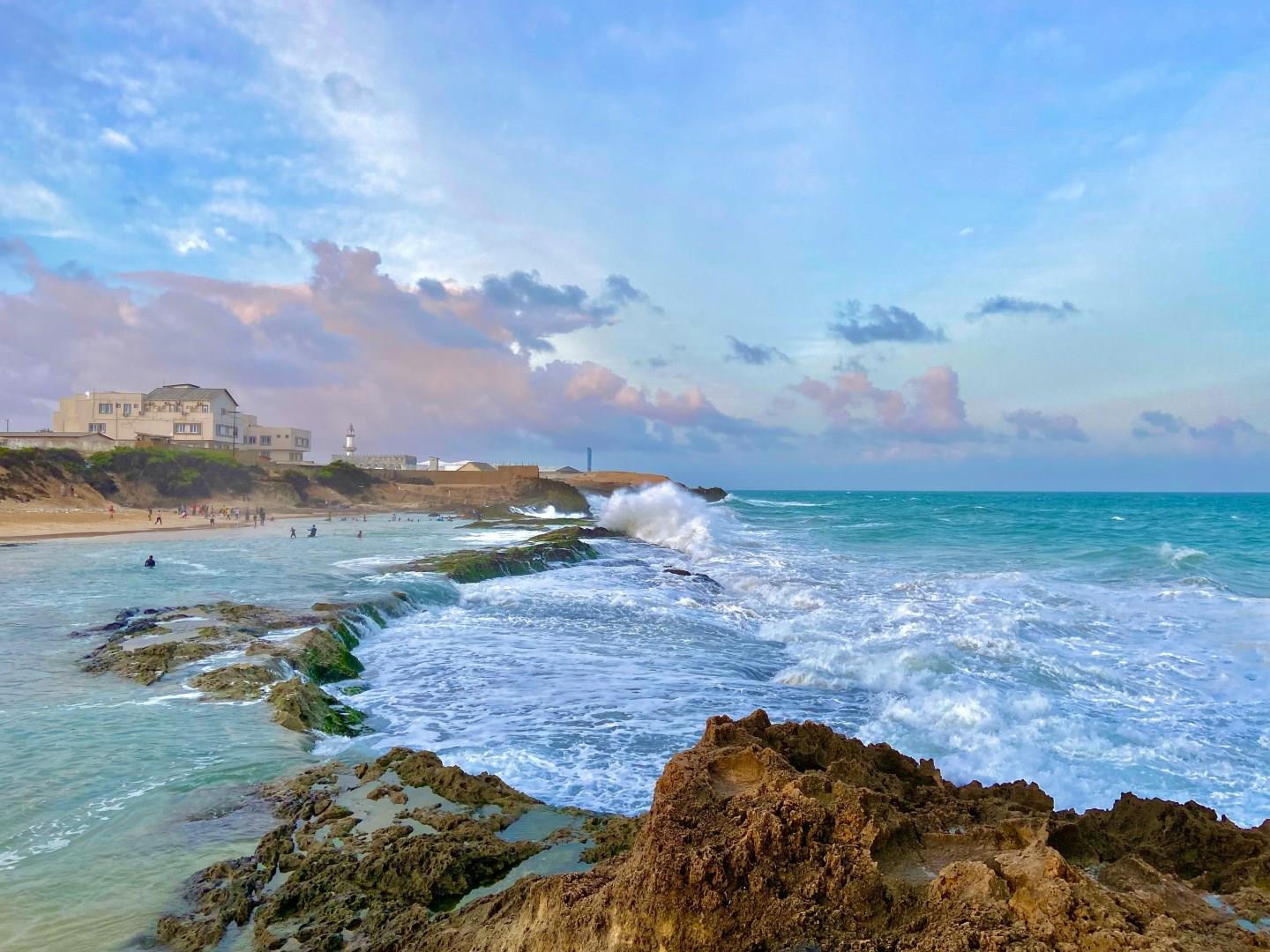
Somalia
Somalia, located on the Horn of Africa, is a land defined by its coastline, culture, and long history as a crossroads of trade. With the Indian Ocean and Gulf of Aden shaping much of its identity, Somalia has one of the longest coastlines in Africa, stretching over 1,800 miles.
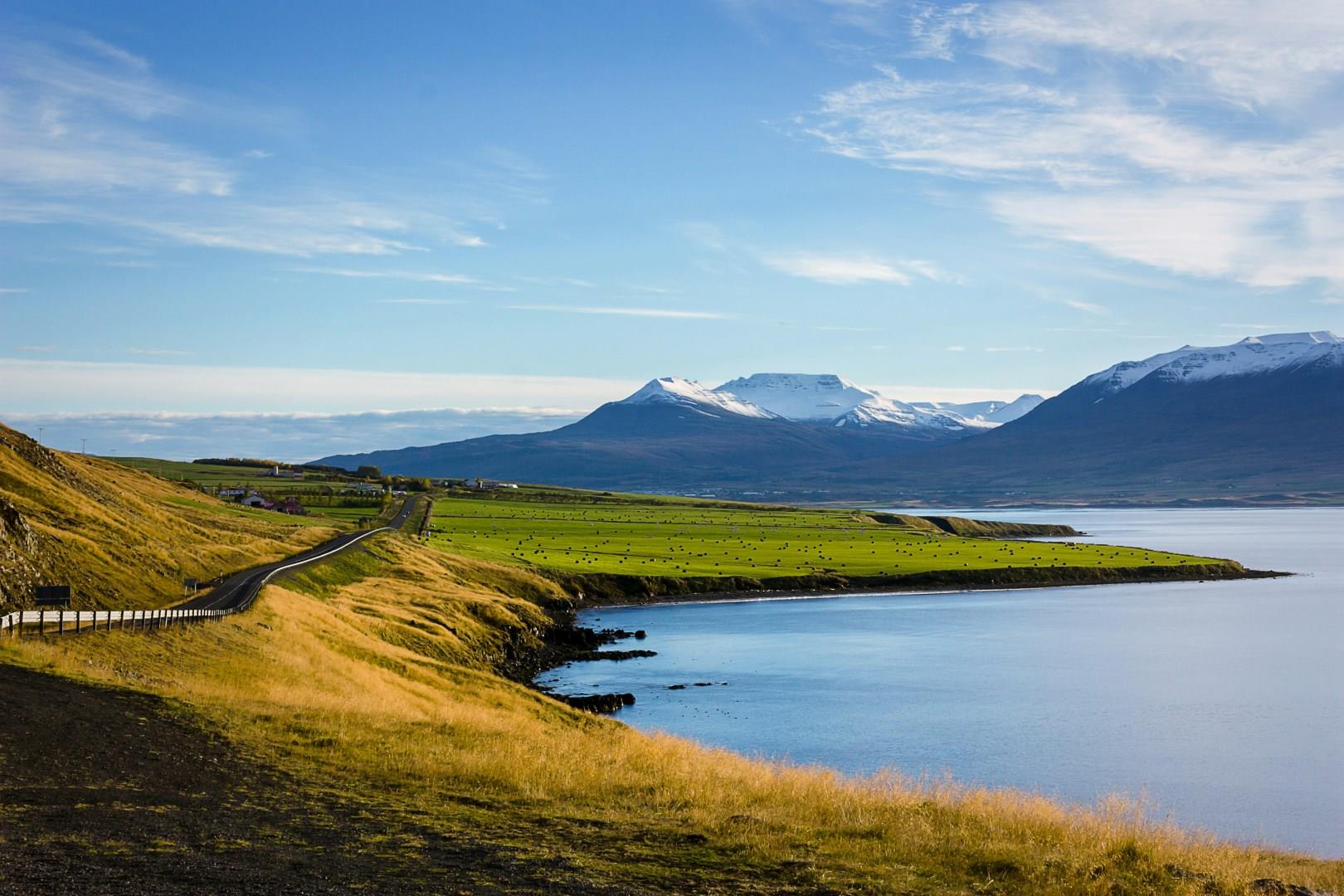
Akureyri
Akureyri, often referred to as the capital of North Iceland, offers travelers a distinct experience shaped by its Arctic location and rich local culture. Nestled at the base of Eyjafjörður fjord, the town has served as a trading center since the 1600s and continues to thrive with a mix of fishing, arts, and tourism. Within a few hours’ drive, visitors can reach the geothermal fields of Hverir, the volcanic craters at Lake Mývatn, and the powerful Goðafoss waterfall.
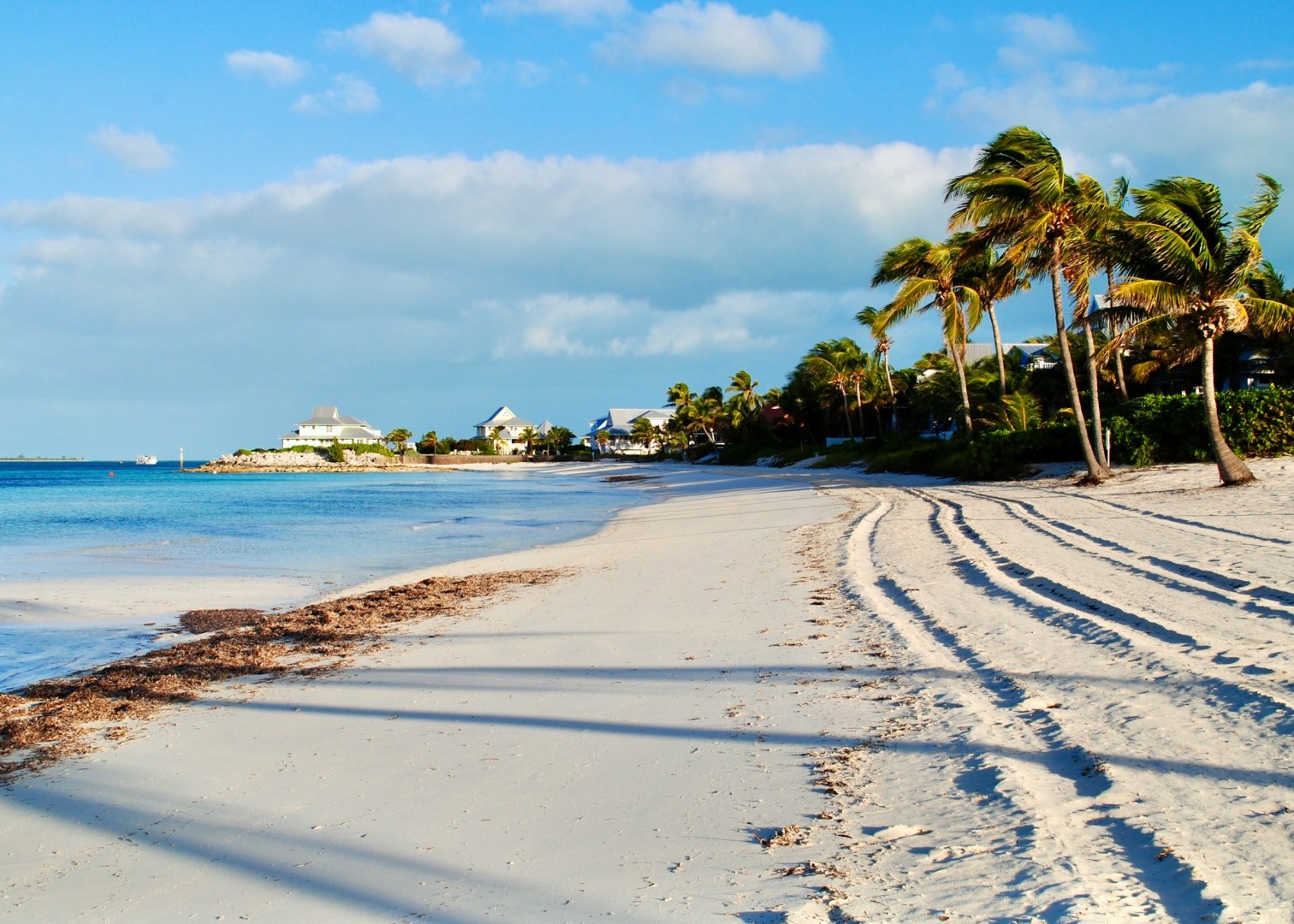
Berry Islands
The Berry Islands are a scattered group of small islands and cays in the central Bahamas, located between New Providence and Andros. The archipelago contains Great Harbour Cay, Little Harbour Cay, Chub Cay, and numerous smaller islands surrounded by shallow banks, reefs, and clear Atlantic waters. Much of the landscape consists of low limestone islands with sandy beaches, scrub vegetation, mangroves, tidal flats, and sheltered coves.
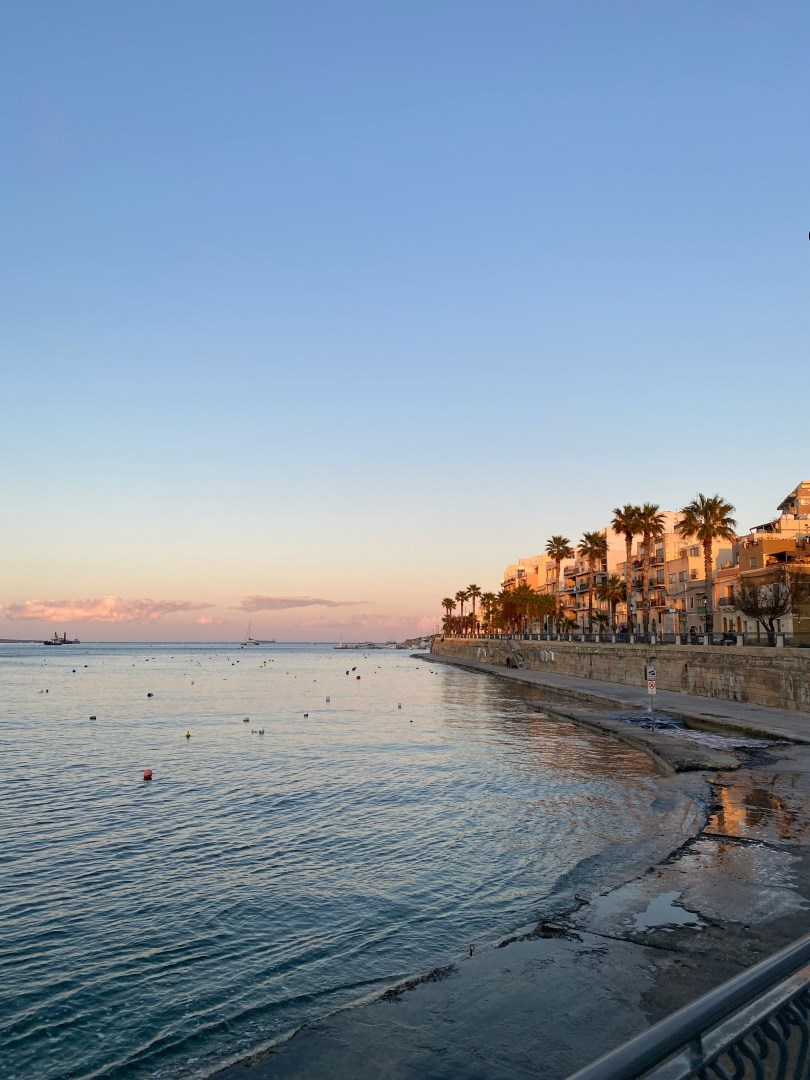
St. Paul's Bay
St. Paul’s Bay is a coastal town in northern Malta that stretches around a broad, indented section of the island’s northeastern shoreline. The area includes the neighborhoods of Bugibba, Qawra, and the original fishing settlement around St. Paul’s Bay itself. Its waterfront combines rocky shores, small bathing areas, marinas, promenades, and commercial streets filled with cafés and restaurants.
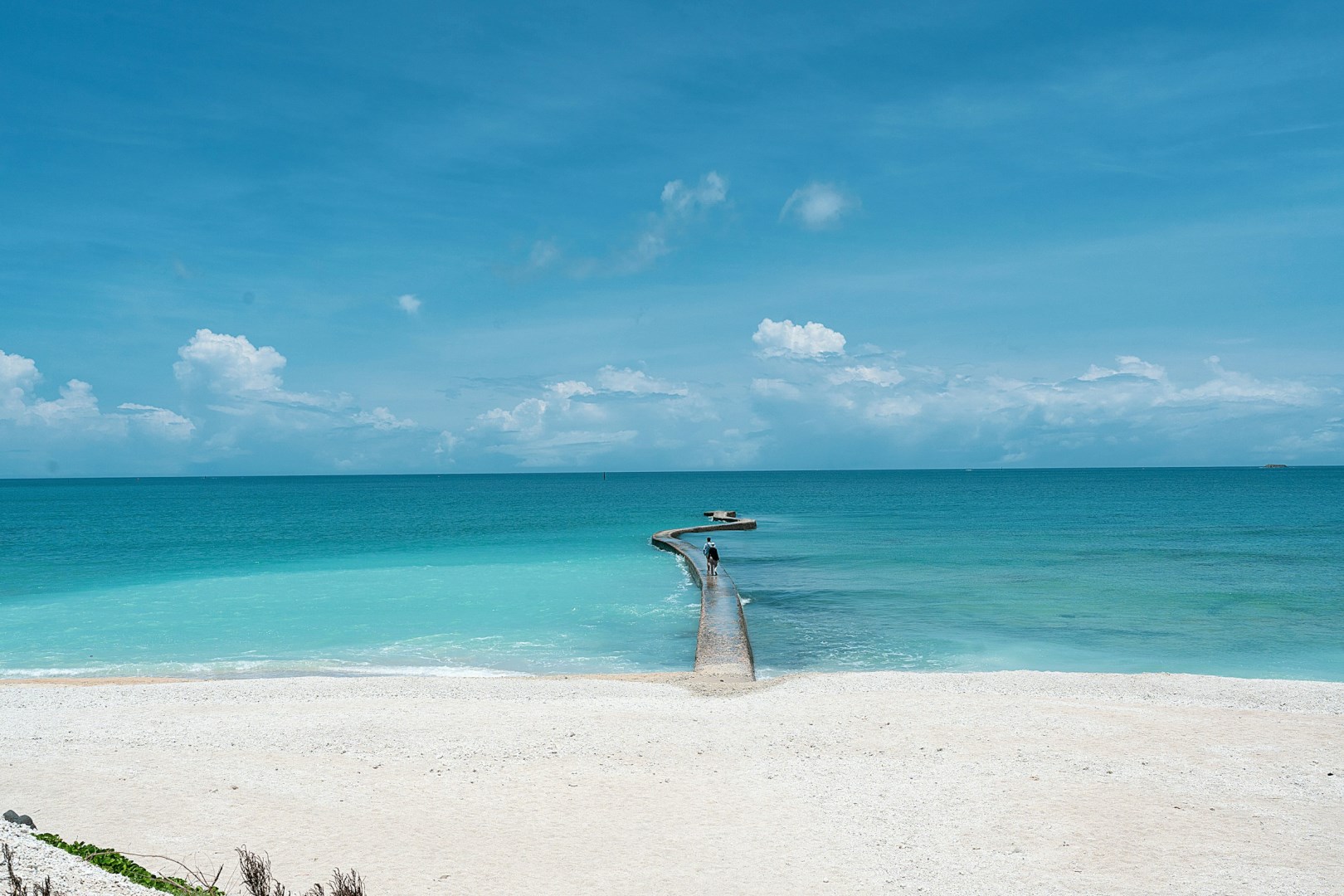
Magong
Magong is the main city of Penghu County, an island group in the Taiwan Strait known for low volcanic landscapes, coastal waters, and traditional fishing communities. The city serves as Penghu's administrative and commercial center, with a waterfront, harbor, markets, temples, and narrow streets surrounding its older districts. Its position makes it a practical base for exploring nearby islands and coastal attractions.
