

Nelson Lakes National Park
Nestled in the heart of New Zealand's South Island, Nelson Lakes National Park is a paradise for nature enthusiasts and adventure seekers alike. This breathtaking park is renowned for its stunning lakes, dense beech forests, and rugged mountains. The twin lakes, Rotoiti and Rotorua, are the park's crown jewels, offering crystal-clear waters framed by lush greenery. Visitors can explore these serene lakes by taking a scenic boat ride or embarking on a picturesque hike along their shores.
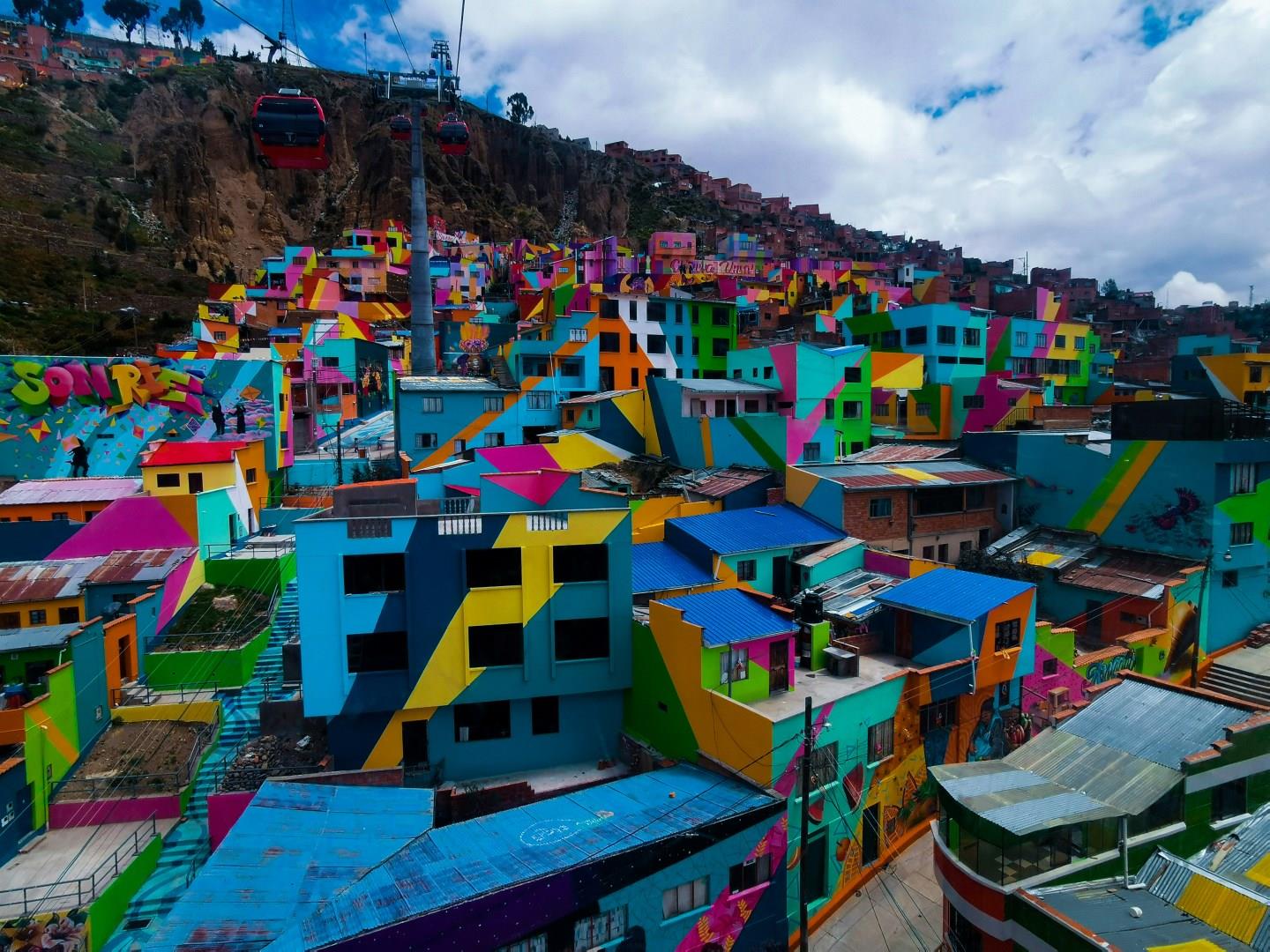
La Paz
La Paz, Bolivia’s seat of government, is one of the world’s highest capital cities, dramatically set in a deep canyon carved by the Choqueyapu River. Founded in 1548 atop an important Indigenous settlement, the city has long been a crossroads of Andean cultures, colonial history, and modern political life.

Dominica
Dominica, known as the “Nature Island of the Caribbean,” is a haven for eco-tourists and adventure seekers. Nestled between the French islands of Guadeloupe and Martinique, this lush island boasts a remarkable landscape of volcanic mountains, dense rainforests, and stunning waterfalls. Dominica’s most iconic natural wonder is the Boiling Lake, the second-largest hot spring in the world.
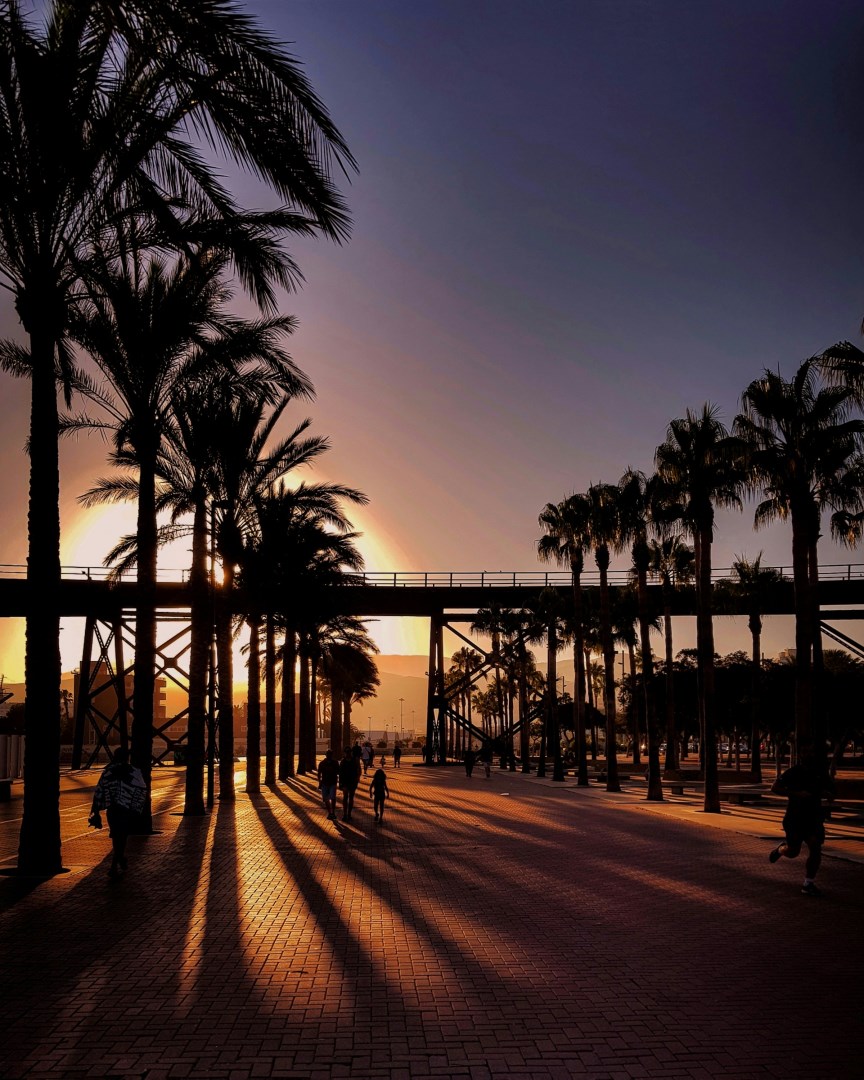
Almería
Almería is a coastal city and provincial capital in southeastern Spain, facing the Mediterranean Sea. It lies between a working port, dry coastal plains, and rugged mountains in one of the driest areas of mainland Europe.
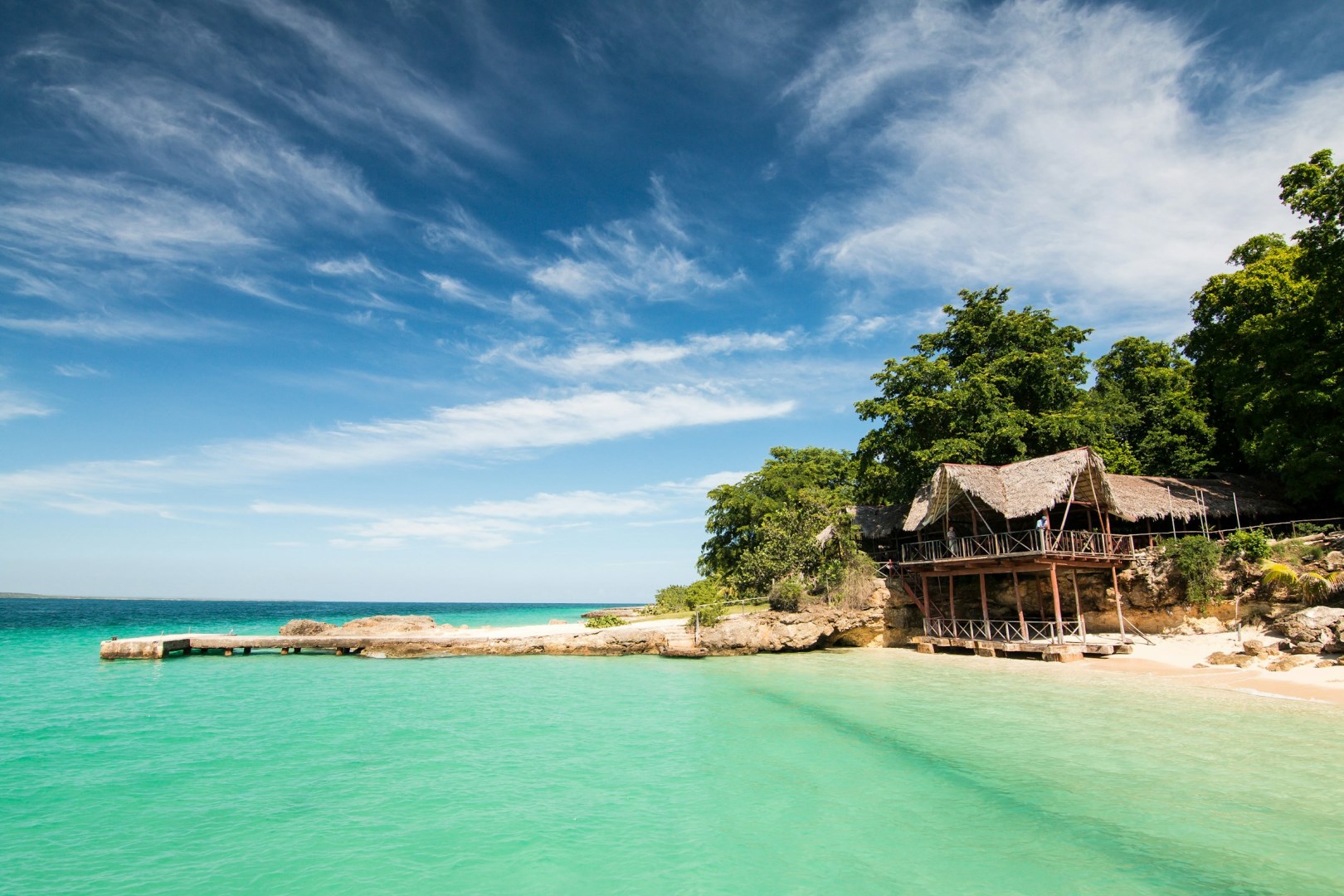
Mayarí
Mayarí is a town and municipality in Holguín Province in eastern Cuba, surrounded by a landscape of low mountains, forests, farmland, and rivers. The municipality extends from inland agricultural areas toward the northern coast, giving it a varied geography that includes the Sierra Cristal and fertile valleys. Mayarí is closely associated with agriculture and the cultivation of sugarcane, coffee, cacao, and other crops, while nearby reservoirs and rivers support farming and local communities.
