
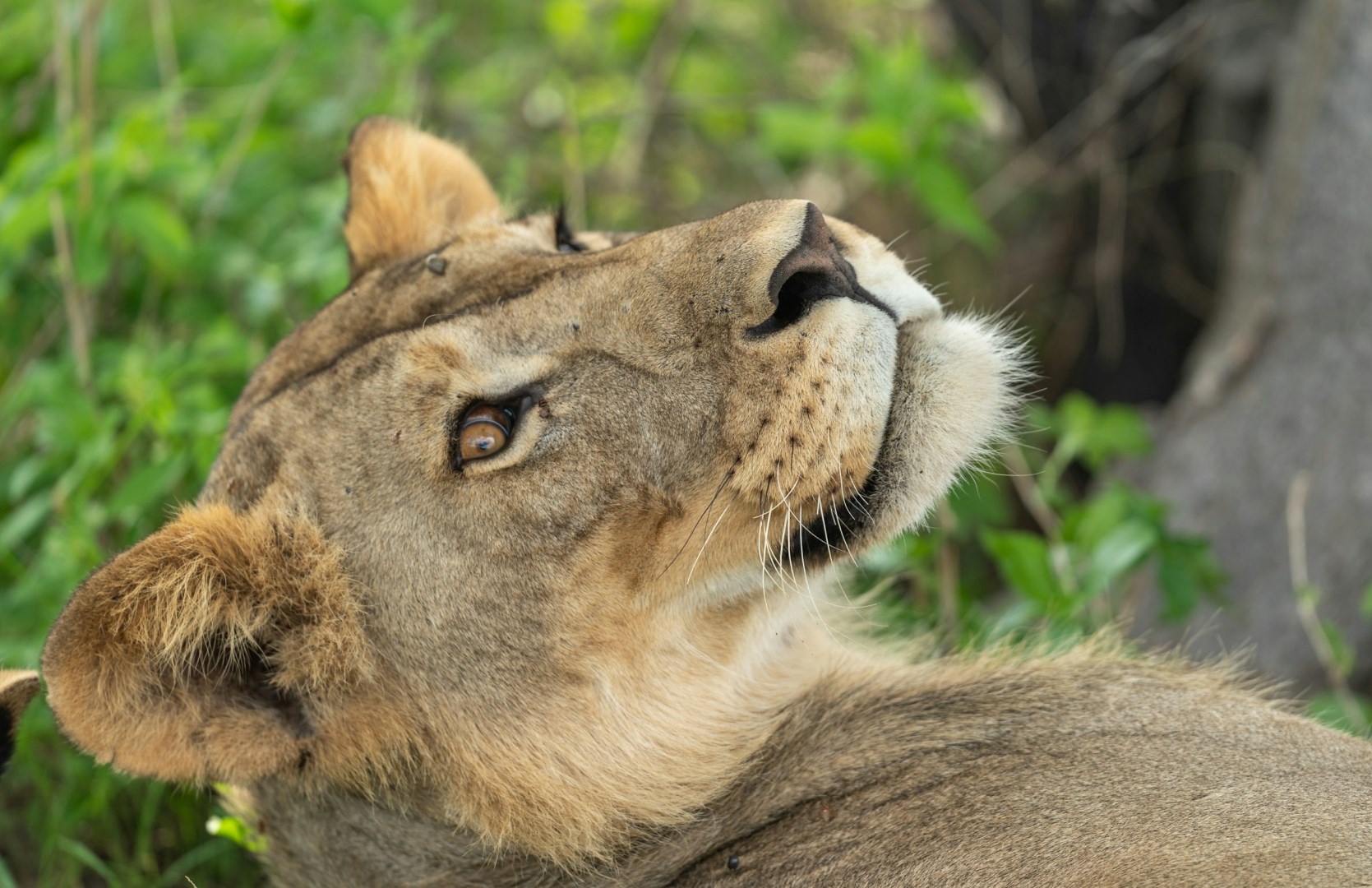
Ruaha National Park
Ruaha National Park is a vast protected area in south-central Tanzania, covering about 20,226 square kilometres. The park is defined by a varied landscape of open savanna, miombo woodland, rocky hills, seasonal rivers, and large baobab trees. The Great Ruaha River forms one of its most important natural features, providing water and supporting wildlife across the surrounding plains.
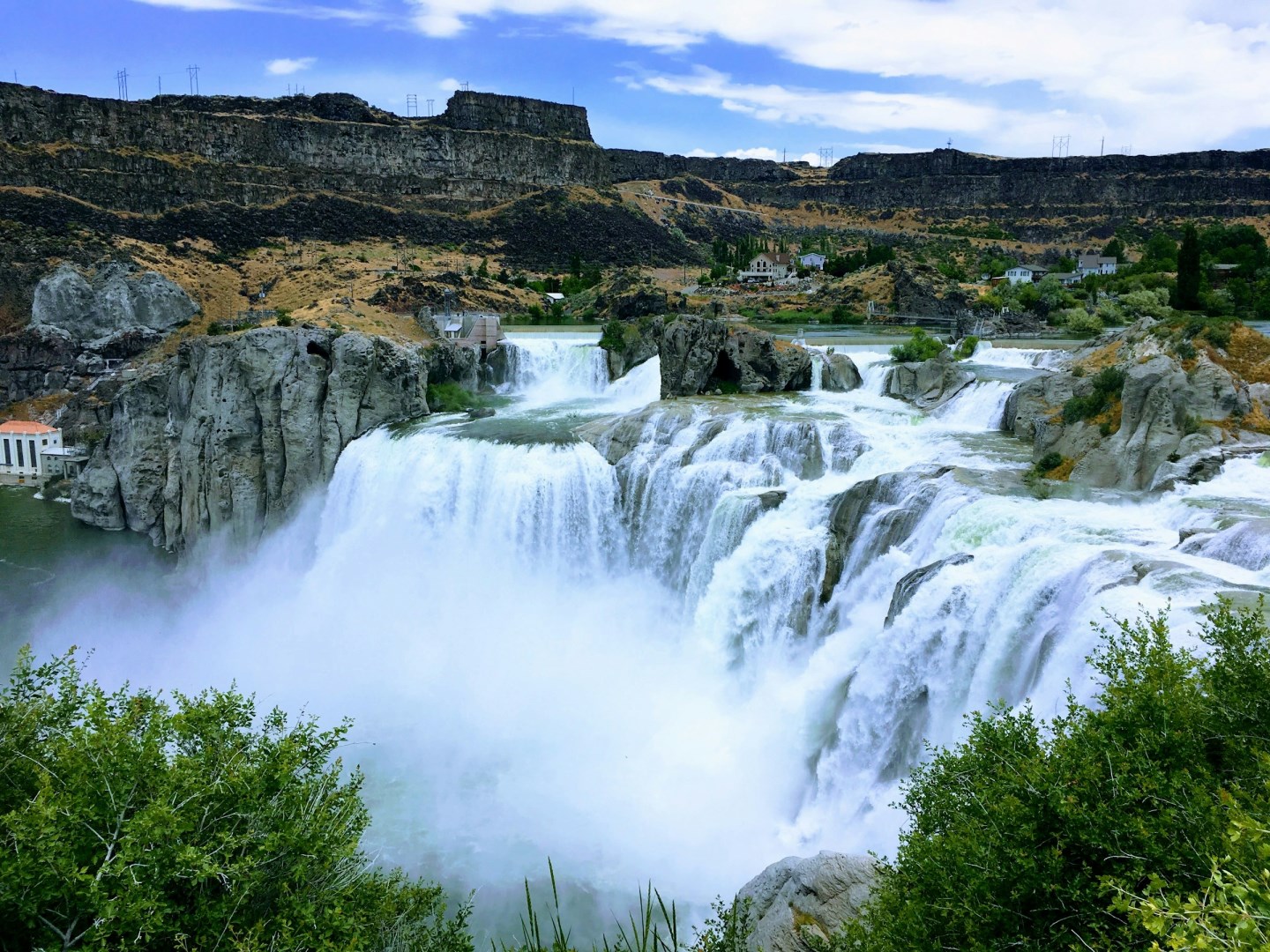
Twin Falls
Twin Falls is a city in southern Idaho overlooking the Snake River Canyon, where the Snake River has cut through the surrounding basalt landscape. The city serves as a regional center for the Magic Valley and is known for its access to canyon viewpoints, waterfalls, farmland, and river recreation. The Perrine Bridge crosses the canyon at the northern edge of the city and is a prominent local landmark.
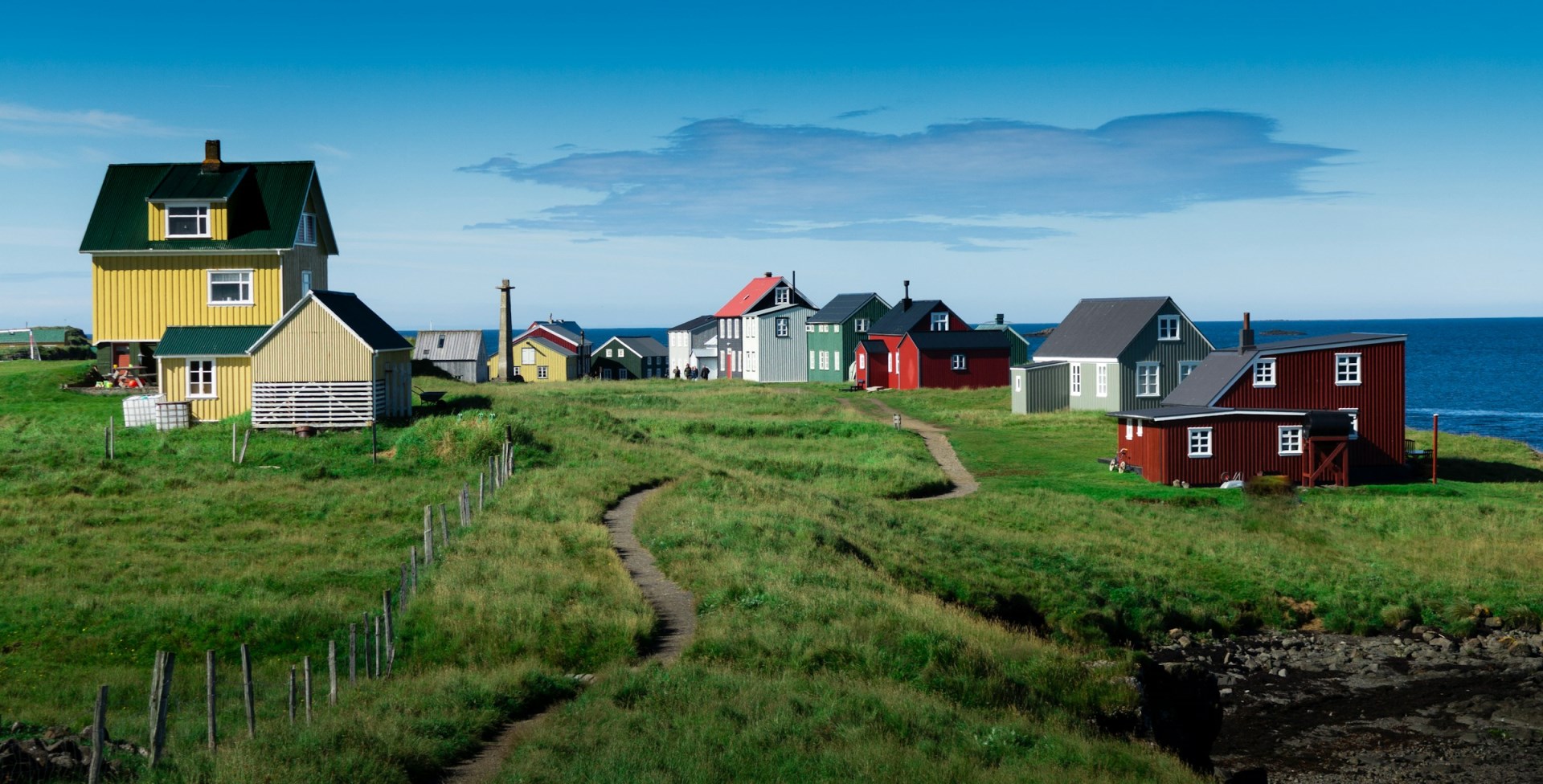
Flatey
Flatey is a small island in Breiðafjörður in western Iceland, known for its compact settlement, historic buildings, and quiet coastal landscape. The island is almost entirely flat, with low fields and rocky shores extending between the surrounding skerries. Its main settlement consists of a cluster of colorful wooden houses, many of which have been preserved as part of the island’s heritage.
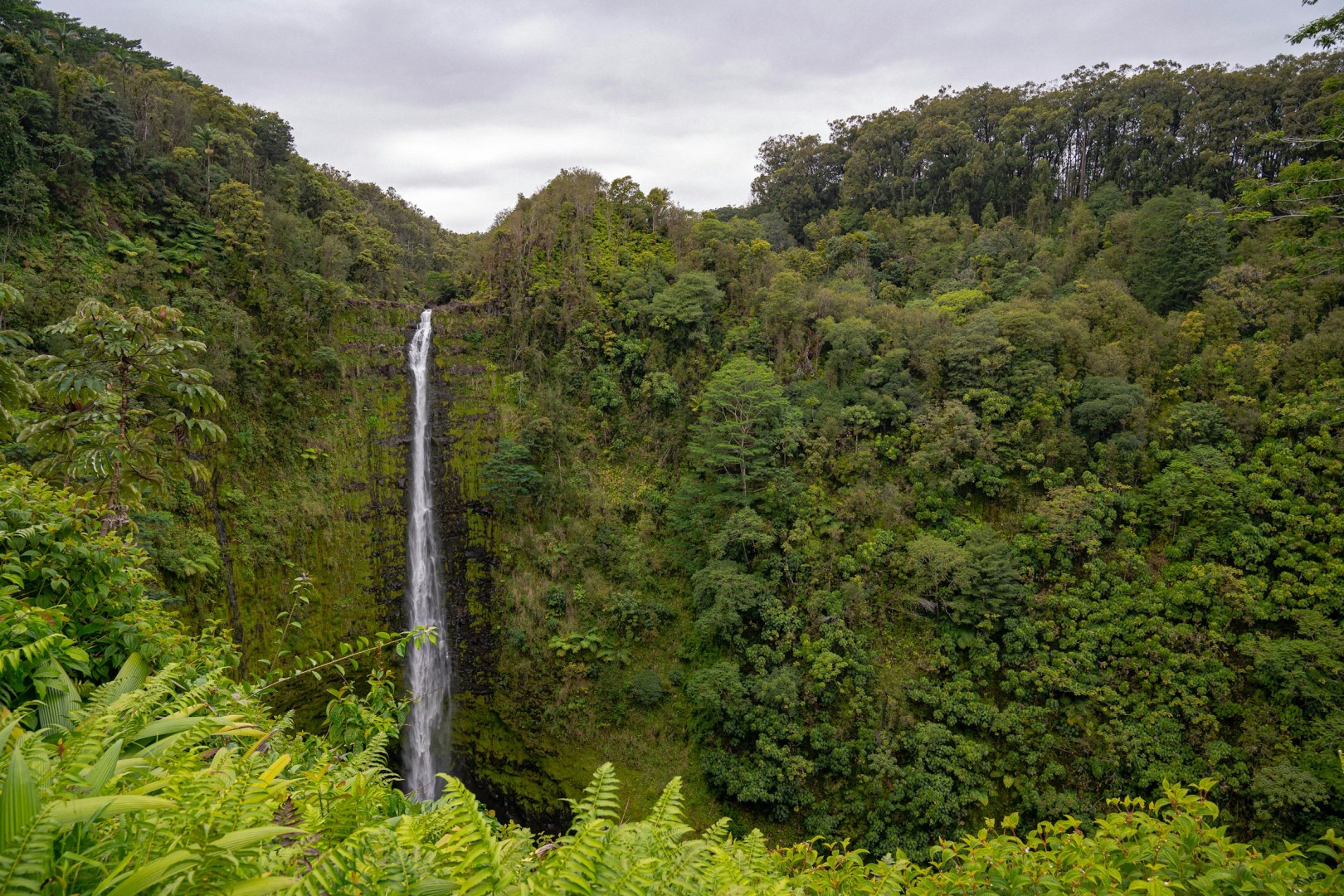
Hawaii Volcanoes National Park
Hawaii Volcanoes National Park protects a remarkable volcanic landscape on Hawaii Island shaped by Kilauea and Mauna Loa, two of the world's most active volcanoes. Visitors can explore lava fields, volcanic craters, native rainforest and dramatic terrain created by generations of eruptions.
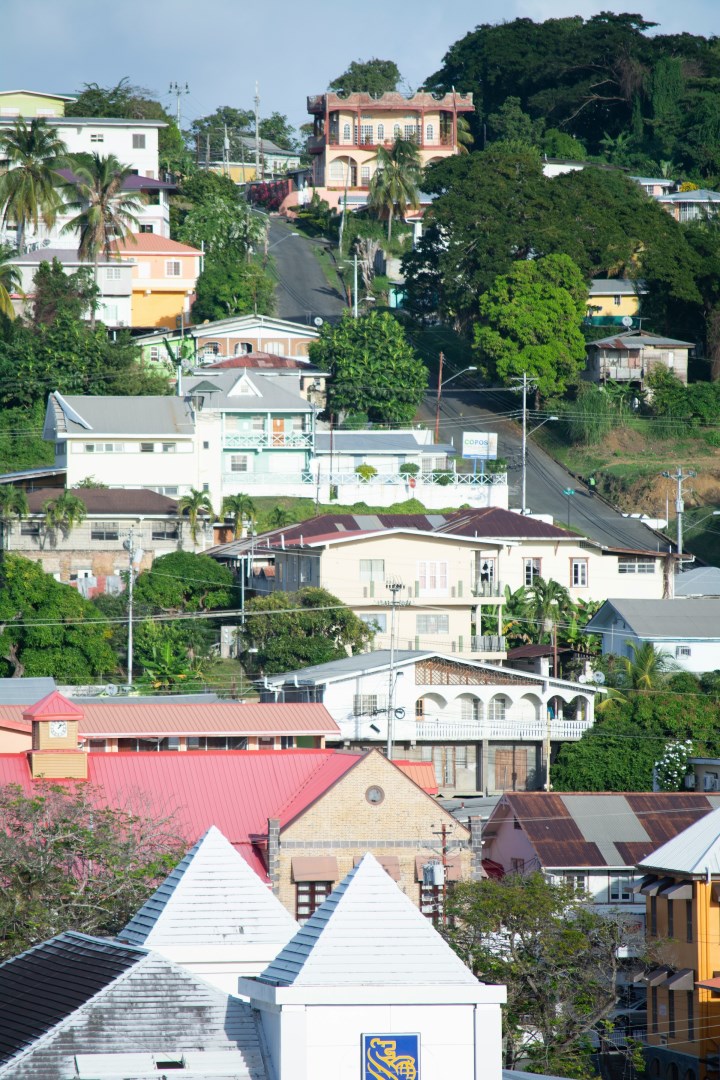
Scarborough
Blanketed from end to end in luxuriant greenery and brightly colored flowers, this enchanted island is scalloped with beautiful beaches. There are sandy coves beside coral reefs, and alabaster cresents below tiny trails, leading to pretty waterfalls or plantation ruins. Best of all is the Main Ridge Rain Forest Trail, where jungle-thick ferns and giant bamboo grasses flourish under a canopy of foliage 60-feet high.
