

Bolivia
Bolivia is a country where altitude meets attitude high in the Andes with rich traditions that stretch back thousands of years. Its capital, La Paz, sits in a bowl-shaped valley surrounded by jagged peaks, making it one of the highest cities in the world. Cable cars glide over the city’s rooftops, linking markets, museums, and neighborhoods in a way that doubles as both transport and sightseeing. From here, visitors can easily reach the Moon Valley.
Sioux Falls
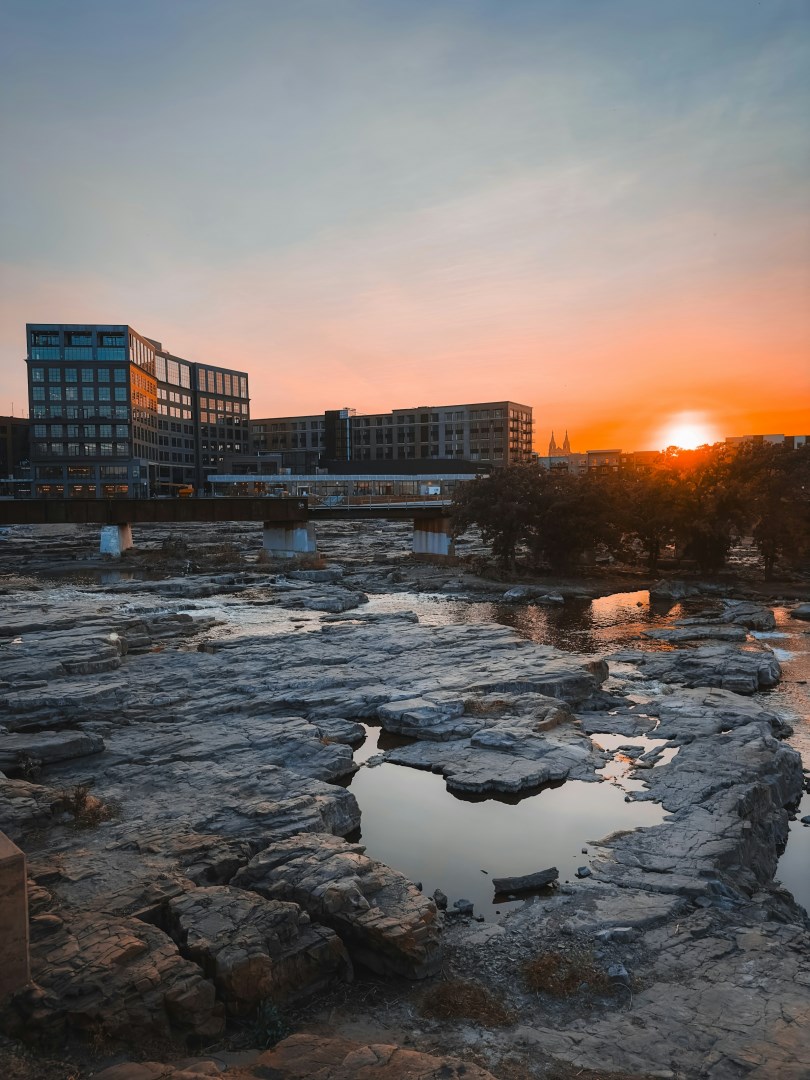
Sioux Falls is South Dakota’s largest city, located in the southeastern part of the state along the Big Sioux River. The river is central to the city’s landscape, most notably where it passes over a series of pink quartzite ledges at Falls Park. Around the urban area, the terrain opens into the broad prairie of the Great Plains, with farmland and gently rolling countryside extending beyond the city.
Saskatoon
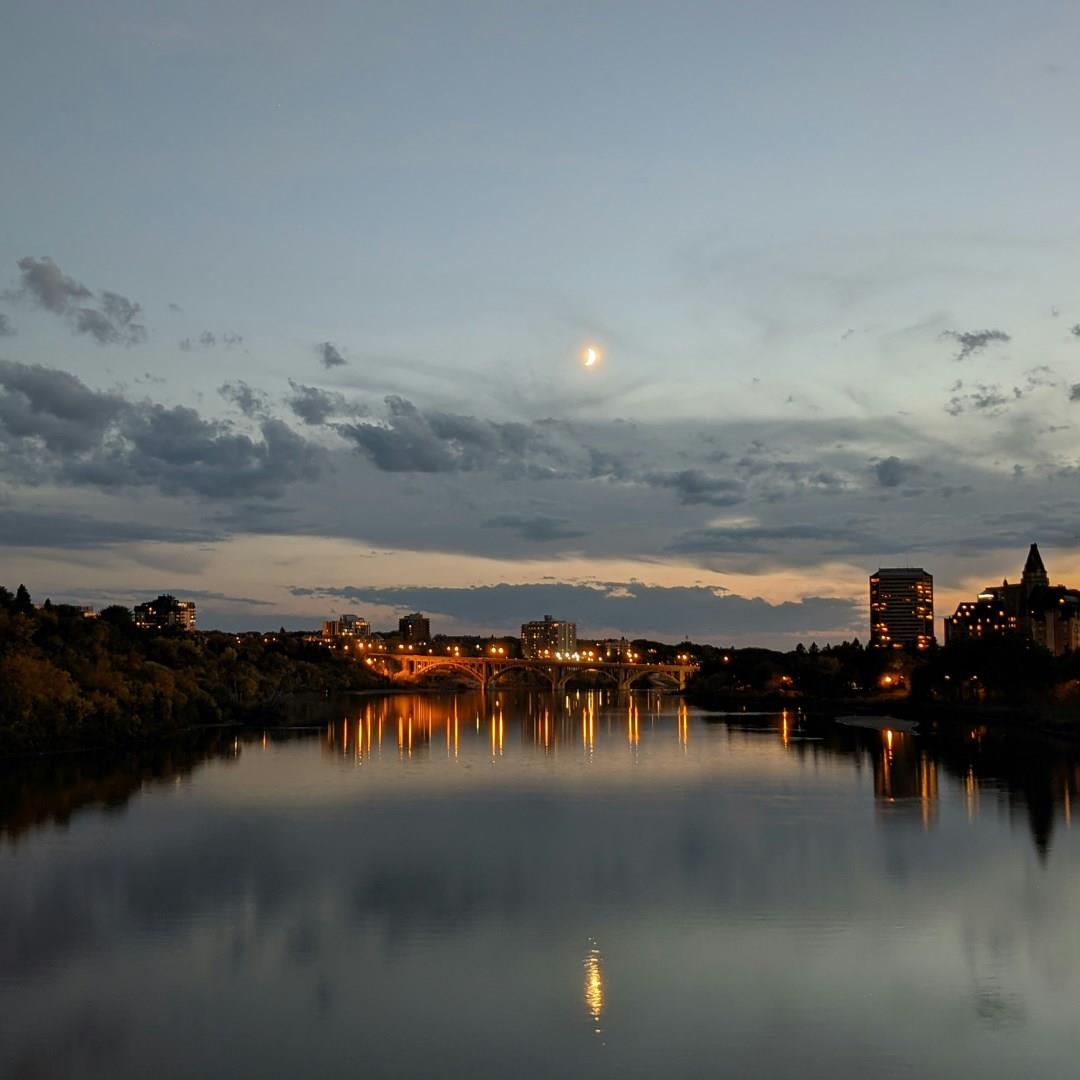
Saskatoon, set along the South Saskatchewan River in central Canada, is a city where prairie heritage meets a growing cultural scene. Known as the “City of Bridges” for the many spans that cross its winding river, Saskatoon combines natural charm with urban vibrancy.

Colón
Colón is a Caribbean port city on Panama’s northern coast, positioned near the Atlantic entrance to the Panama Canal. Its waterfront setting, tropical climate, and access to the canal, Caribbean beaches, and surrounding rainforest give it a distinctive role within Panama’s geography. The city is closely connected to the canal’s commercial activity and serves as an important gateway to destinations in Colón Province.

Florence
Florence is a city in northeastern South Carolina and a regional center for the Pee Dee area, positioned between the coastal plain and the inland agricultural districts. Its landscape is generally flat to gently rolling, with pine forests, wetlands, and farmland surrounding the urban area. Florence developed as a transportation center, and rail lines remain an important part of its identity and geography.
