

Texas
Texas is a state where size meets story from high plains to coastal shores, every region brings something distinct to the table. In San Antonio, visitors can walk through centuries of layered history starting at the Alamo, a site of one of the most famous battles in the state’s fight for independence. The nearby San Antonio Missions, a UNESCO World Heritage Site, offers a deeper look into the Spanish colonial influence that shaped the region.
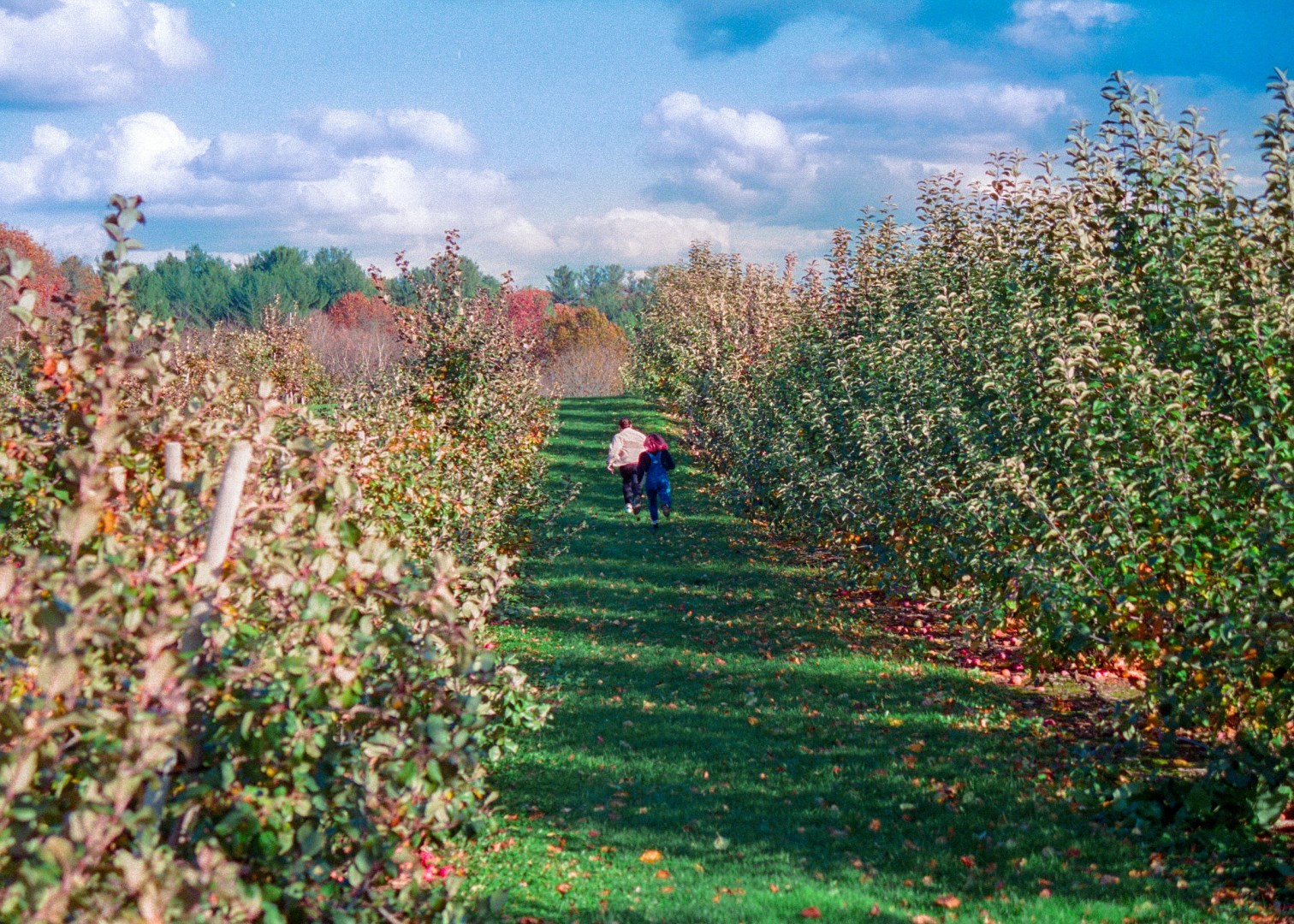
Londonderry
Londonderry is a town in southern New Hampshire, positioned between Manchester and the Massachusetts border. It is known for its agricultural roots, apple orchards, wooded landscapes, and historic rural character, while its location provides convenient access to the larger communities of the Merrimack Valley. Londonderry’s landscape includes farms, conservation areas, ponds, and gently rolling roads rather than a dense downtown centre. Apple growing remains an important part of its identity, wit

Greece
Greece is a country where layers of history sit side by side with everyday life. In Athens, visitors can stand at the foot of the Acropolis and look up at the Parthenon, built more than 2,400 years ago, then walk a few blocks to modern cafes buzzing with conversation and music. The city’s neighborhoods, like Plaka and Monastiraki, offer both ancient ruins and small family-run shops selling handmade sandals and olive oil soap.
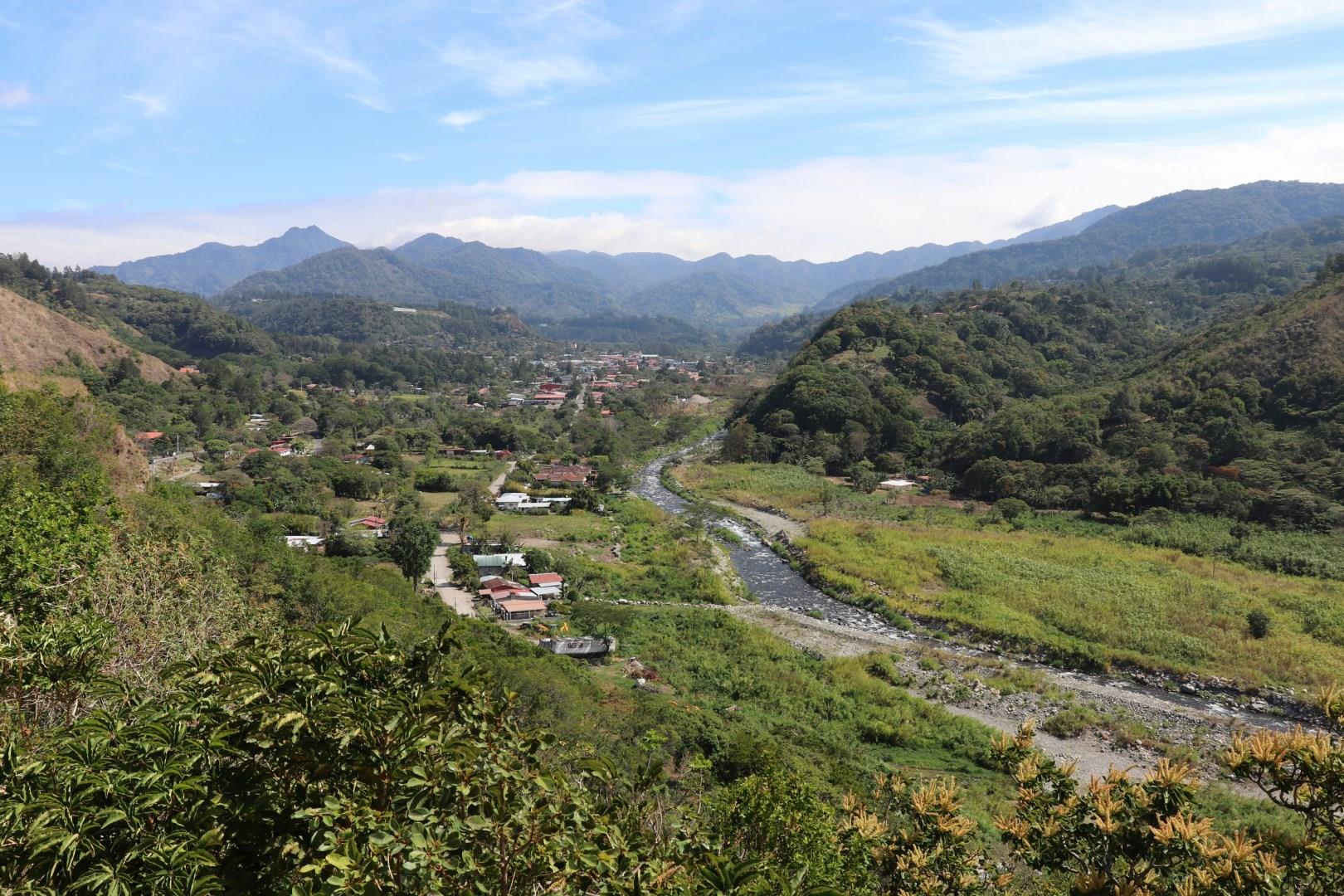
Chiriquí
Chiriquí, a province in western Panama, offers a striking variety of landscapes, from highland cloud forests to golden Pacific beaches. Bordered by Costa Rica to the west, it’s known for its rich agriculture, coffee plantations, and impressive volcano views. The capital city, David, serves as the main hub for travelers, but many of the region’s most memorable experiences are found in its rural towns, mountain valleys, and coastal areas.

Hubbard Glacier
A moving sight...literally. Hubbard Glacier's recent nickname "the galloping glacier" refers to its rapid movement through Disenchantment Bay in the direction of the Gulf of Alaska. This tidewater glacier is a natural wonder over 6 miles wide! Those on ships are usually able to get within about a half mile of Hubbard Glacier's face.
