

Reggio Calabria
Reggio Calabria, located at the tip of Italy’s toe, is a city where ancient history and natural beauty converge in spectacular fashion. One of the city's most renowned landmarks is the Bronzi di Riace, two magnificent bronze statues from the 5th century BC that were discovered off the coast of Riace in 1972.
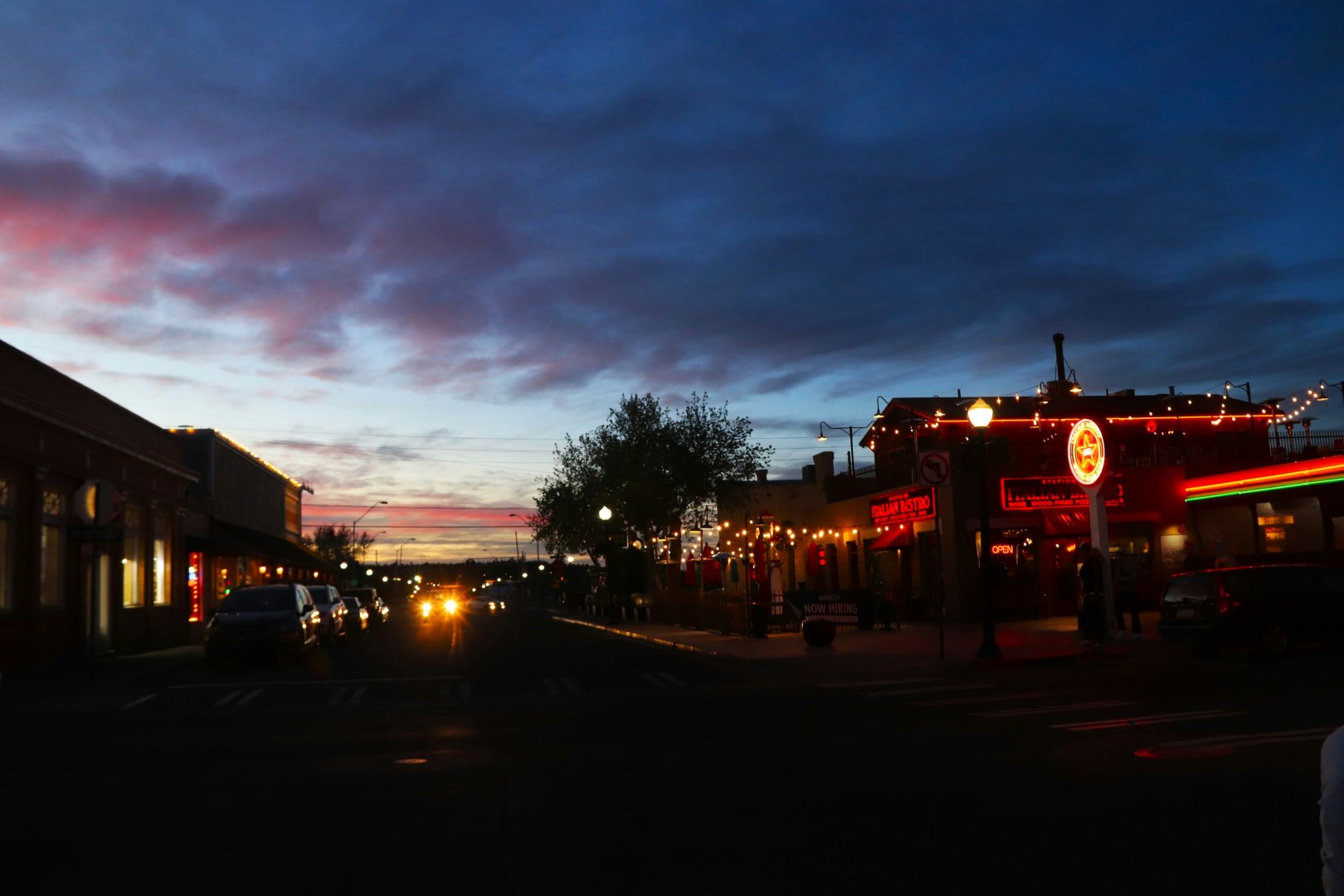
Williams
Williams is a small city in northern Arizona, located along historic Route 66 and near the edge of the Kaibab National Forest. It is often known as the “Gateway to the Grand Canyon” due to its role as a departure point for the Grand Canyon Railway.

Puebla
Puebla, a city nestled in the heart of Mexico, is a captivating blend of colonial charm, vibrant culture, and rich history. Known as the "City of Angels," Puebla's well-preserved historic center is a UNESCO World Heritage site, filled with stunning baroque architecture, colorful tiled buildings, and bustling markets. Puebla is also a haven for food lovers, celebrated as the birthplace of some of Mexico’s most iconic dishes.

Lake Titicaca
Lake Titicaca, perched at over 3,800 meters above sea level, is the highest navigable lake in the world and a place where ancient stories still echo across the water. Shared by Bolivia and Peru, this lake has long been considered sacred by the Andean peoples. According to Inca legend, it was from Titicaca’s deep blue waters that the first humans were created. Today, the lake remains a center of cultural tradition, spiritual significance, and daily life for many who live along its shores.

New York City
New York City is a city that pulses with movement, sound, and stories at every corner. Whether it's the echo of footsteps under Grand Central Terminal’s iconic ceiling or the quiet shuffle of chess pieces in Washington Square Park, every detail is part of a larger rhythm. New York’s cultural offerings are unmatched in scope. A single day could include a visit to the Museum of Modern Art, a Broadway matinee, and live jazz at an underground club in the Village.
