
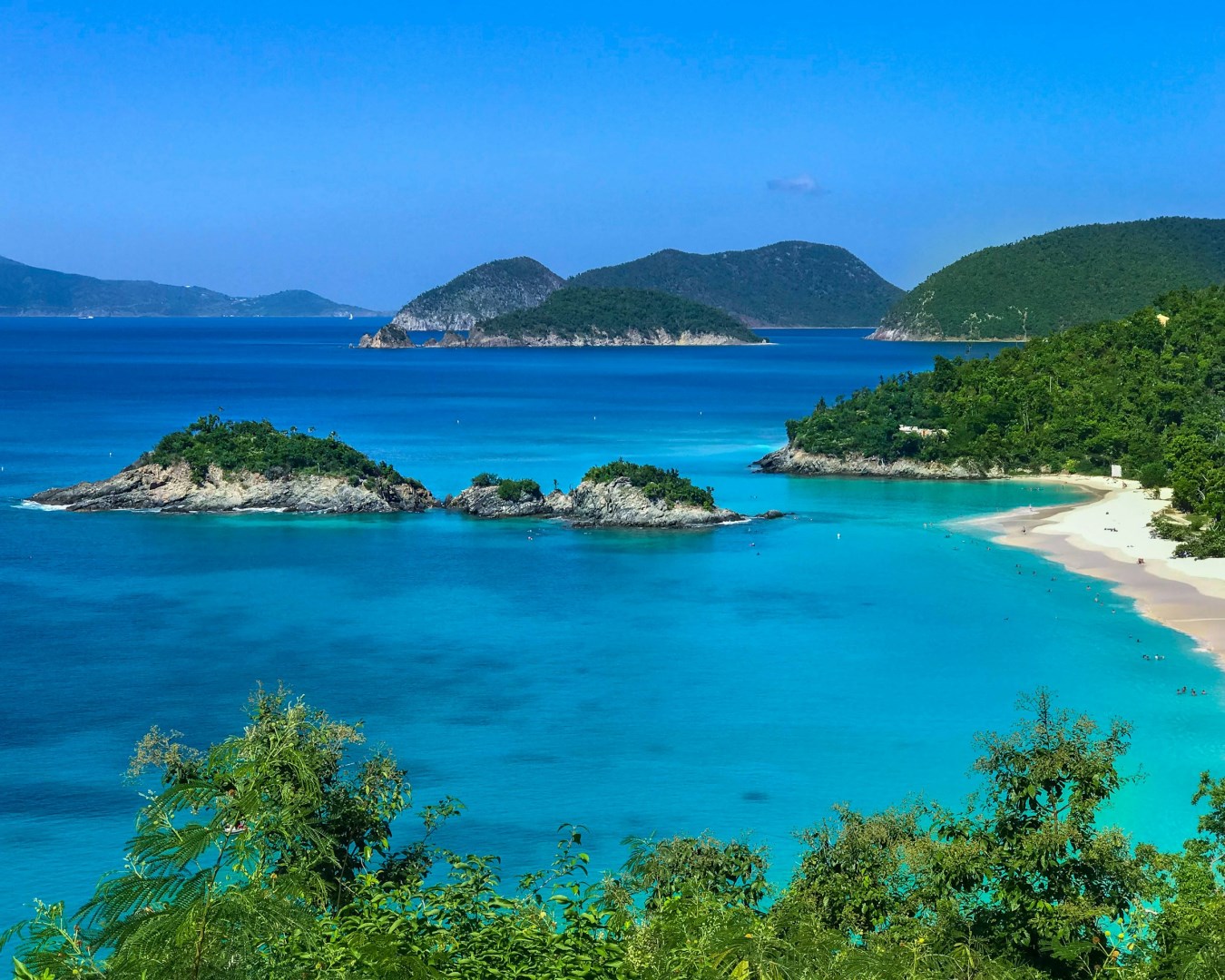
St. John Island
Think of it as a beach a day even on Leap Year. That's right, 366 beautiful beaches encircle this tropical island paradise, the focus of centuries of battles between Spain, France, Great Britain and Denmark. The Dane's influence has been the strongest.
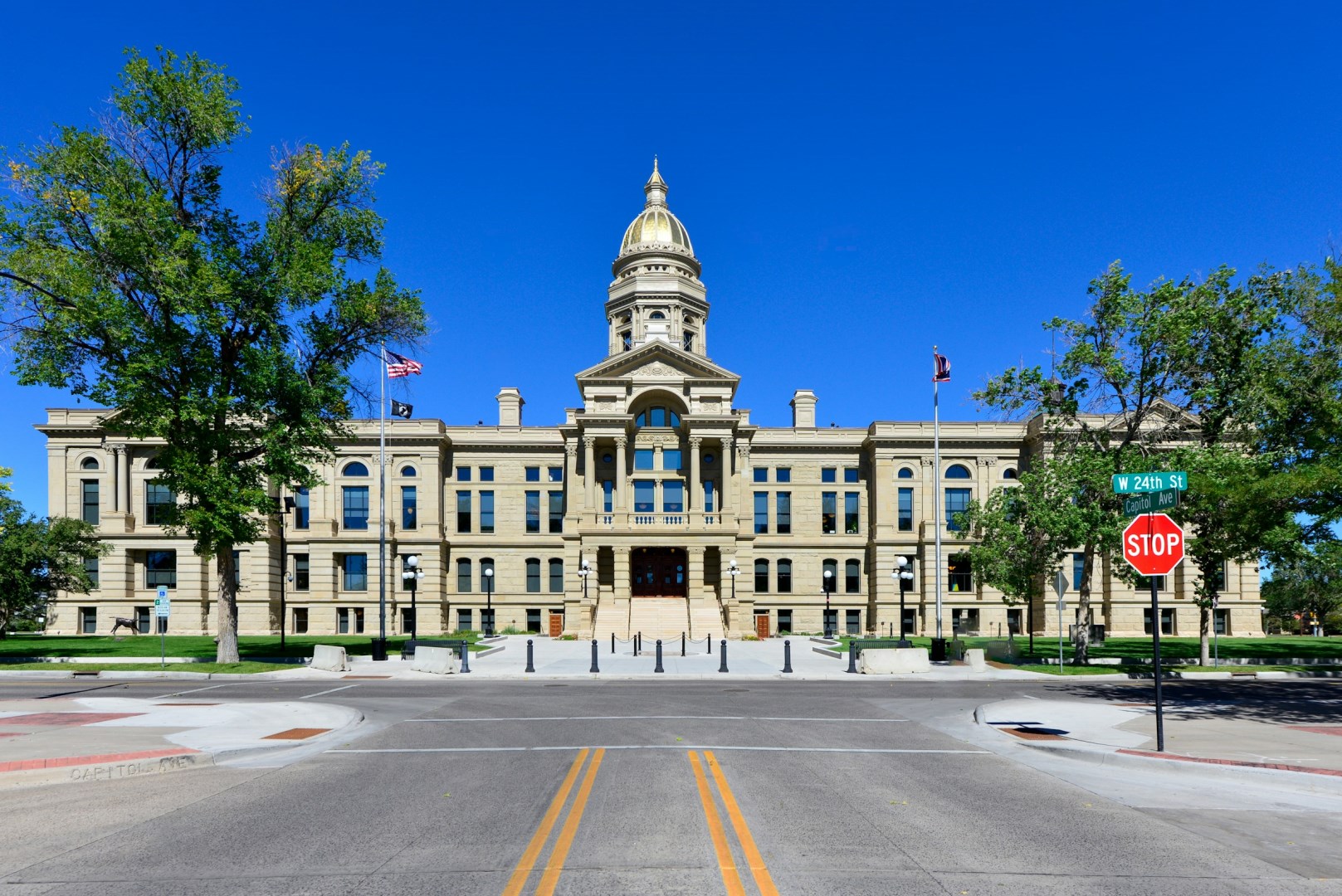
Cheyenne
Incorporated in 1867, it is the capital of the state of Wyoming. Gold mining has been a major industry here.
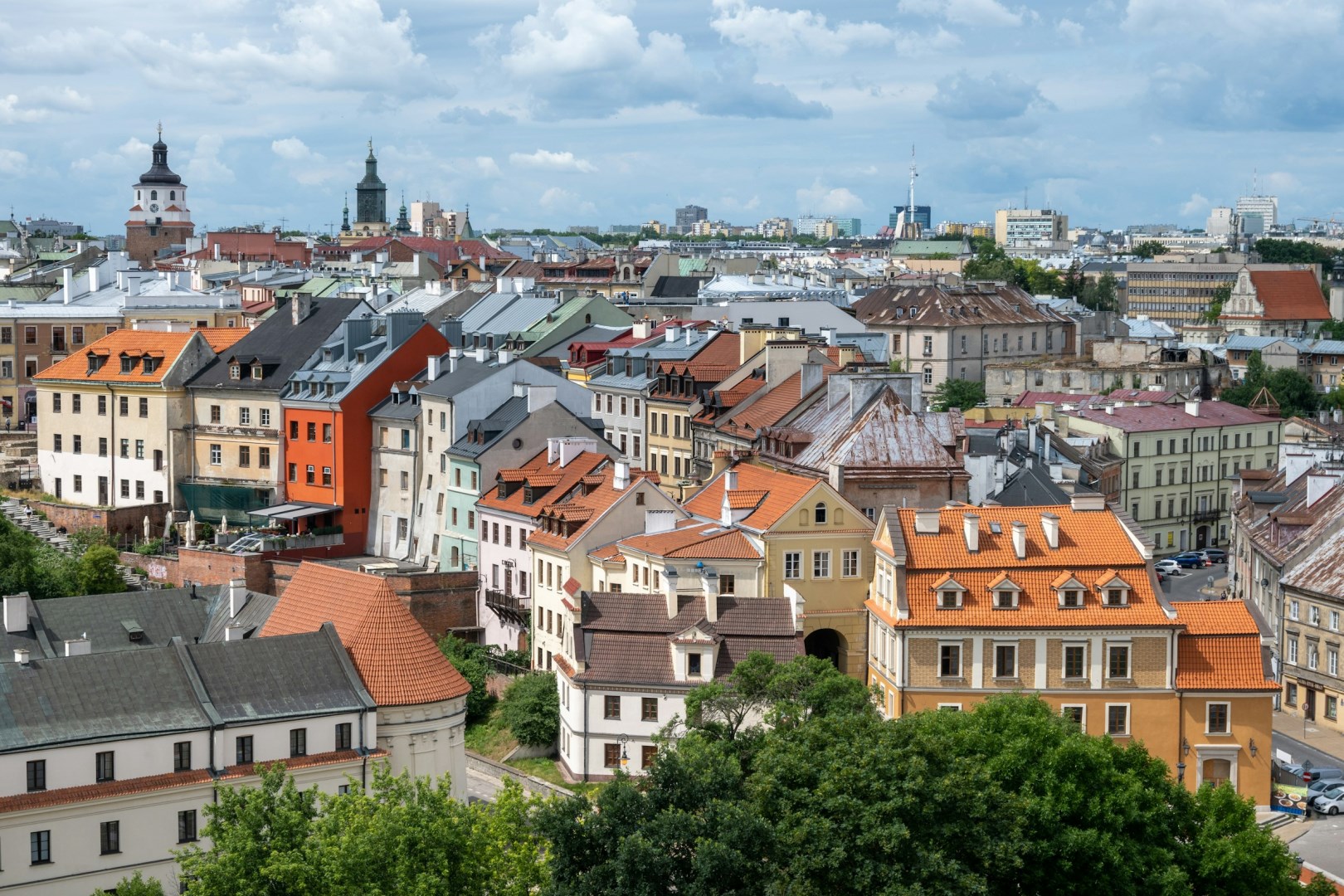
Lublin
Located on a trade route to Lithuania and Russia, Lublin was already an important center by the time it received its municipal charter in 1317. The city still remains relatively unknown to foreign tourists. From the original defense walls and the Krakow Gate, the remnant of Lublin's medieval wall system to the town hall and the Renaissance burgher houses in the Market Square, Lublin offers numerous visual delights.
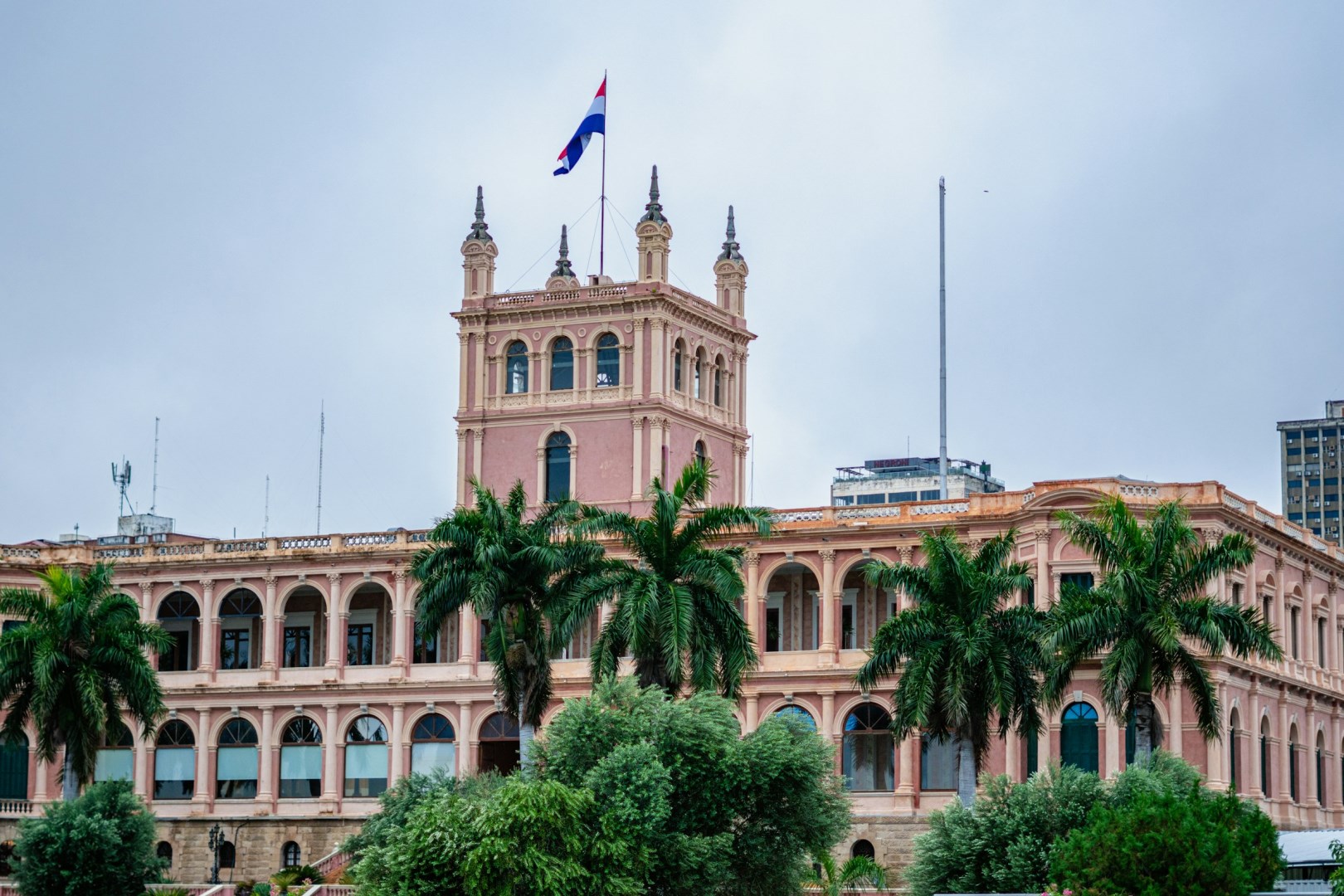
Asunción
The capital, 450-year-old Asuncion ("Mother of Cities") merits a visit of unhurried nights - that way, you'll have time to sit in the main square and people-watch. The shopping in this grand city of 729,000 is the finest the country offers, and the cathedral and archaeological museum are both highlights. The governmental architecture is interesting; don't miss the Congressional Palace, Customs House and Government Palace (in the style of the Louvre).
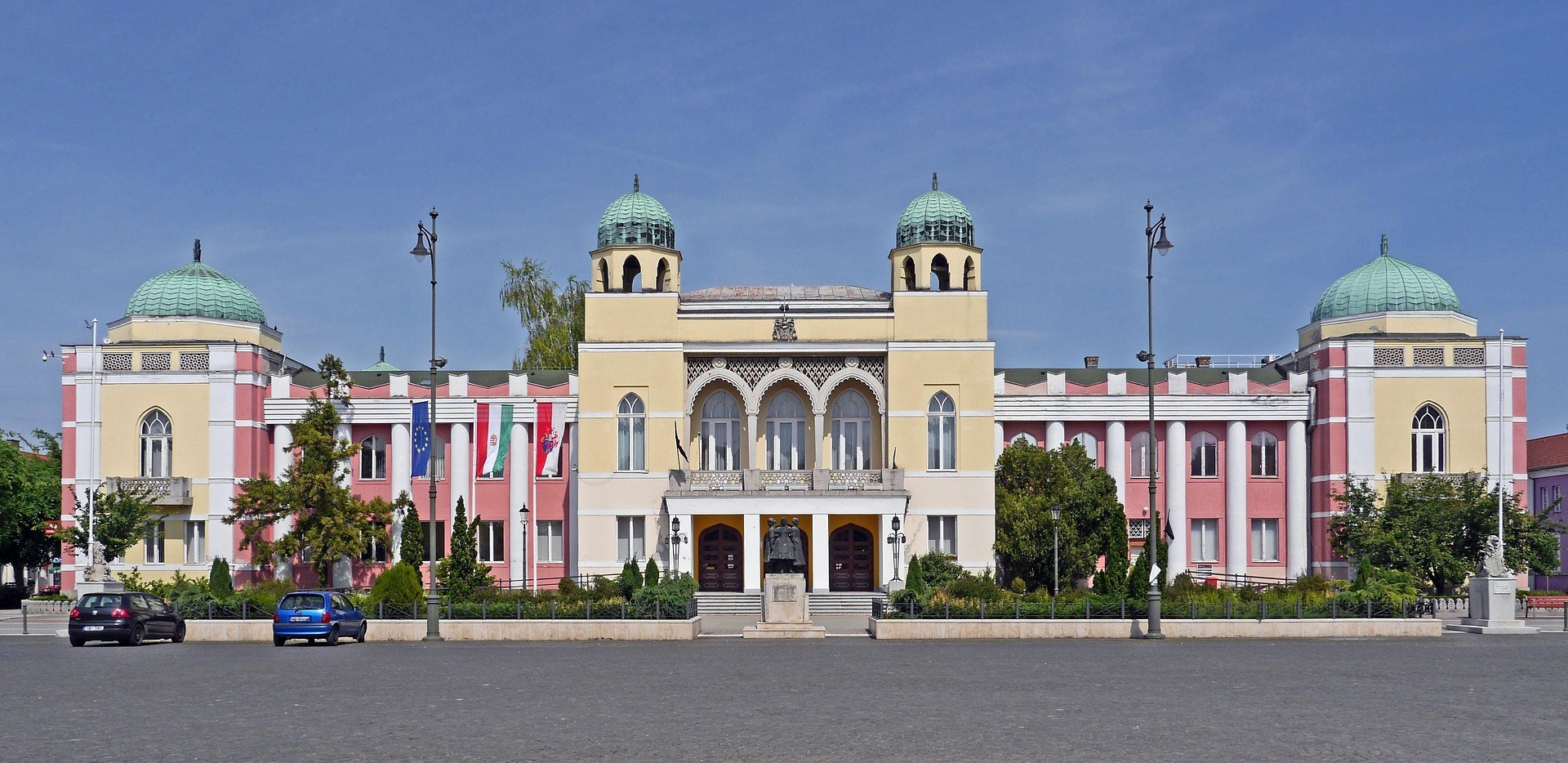
Mohács
Mohács is a Danube-side town in southern Hungary, close to the country’s border with Croatia. Its riverside setting has shaped local life, trade, agriculture, and recreation, while the town’s streets contain a mixture of traditional houses and distinctive public buildings. Mohács is especially associated with the Busó festivities, a masked end-of-winter carnival that has become the city’s defining cultural tradition.
