

Joshua Tree National Park
Joshua Tree National Park, located in Southern California, is a desert wonderland that draws visitors with its dramatic landscapes, unique flora, and surreal beauty. Named after the striking Joshua trees, which resemble natural sculptures with their twisting branches and spiked leaves, the park is a haven for nature lovers, photographers, and adventure seekers.

Passau
Passau sits on the confluence of the Danube, the Inn and the Ilz, so it is fitting that it is known as "the Dreiflüssestadt", which means the “City of Three Rivers.” The historical center offers a cathedral, churches and museums to explore, and the embankment is perfect for a romantic stroll.
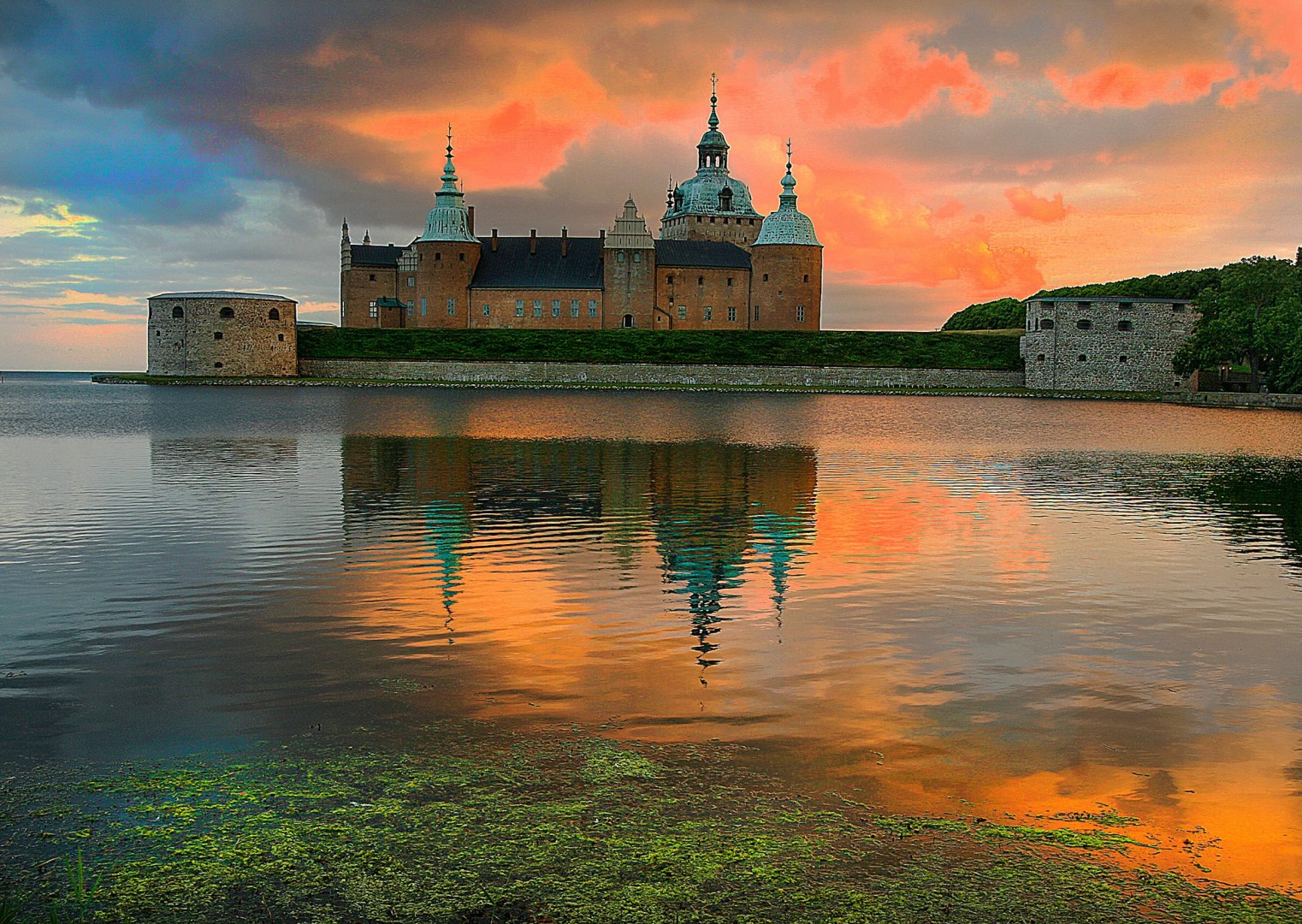
Kalmar
Kalmar Union, combination of the crowns of Denmark, Sweden, and Norway, effected at Kalmar, Sweden, by Margaret I in 1397. Because all three crowns were elective, the union could not be maintained by inheritance. Margaret's successors controlled Sweden intermittently until Gustavus I of Sweden dissolved the union (1523). Norway became independent in 1814.

Maho Beach
Maho Beach, on the Dutch side of Sint Maarten, is one of the Caribbean’s most thrilling and unconventional beach experiences. Situated directly beside Princess Juliana International Airport, the beach is world-famous for its low-flying airplanes that descend just overhead before landing.
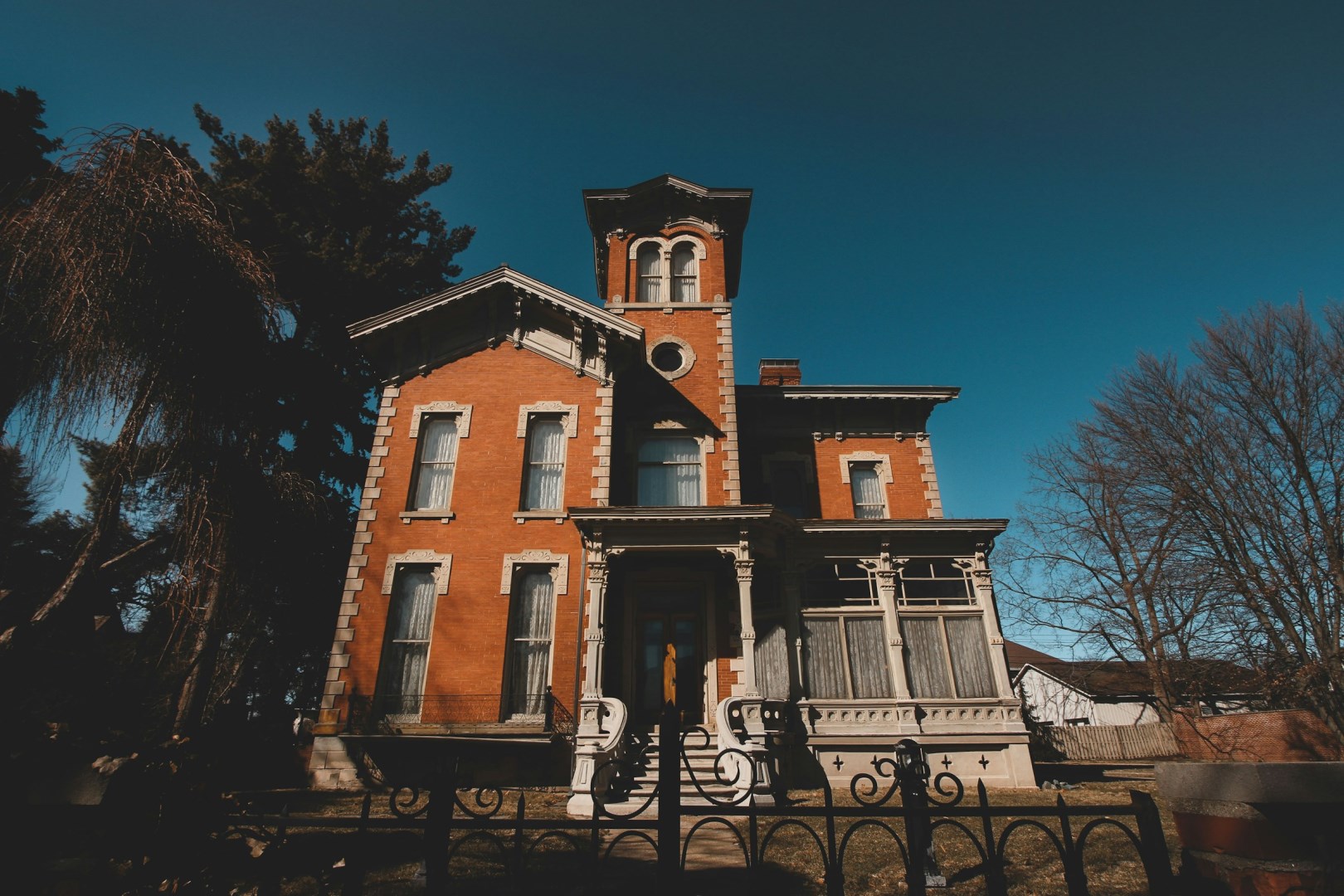
Kalamazoo
Located midway between Chicago and Detroit, Kalamazoo is rapidly becoming an important center for business, education, culture, and many other activities.
