
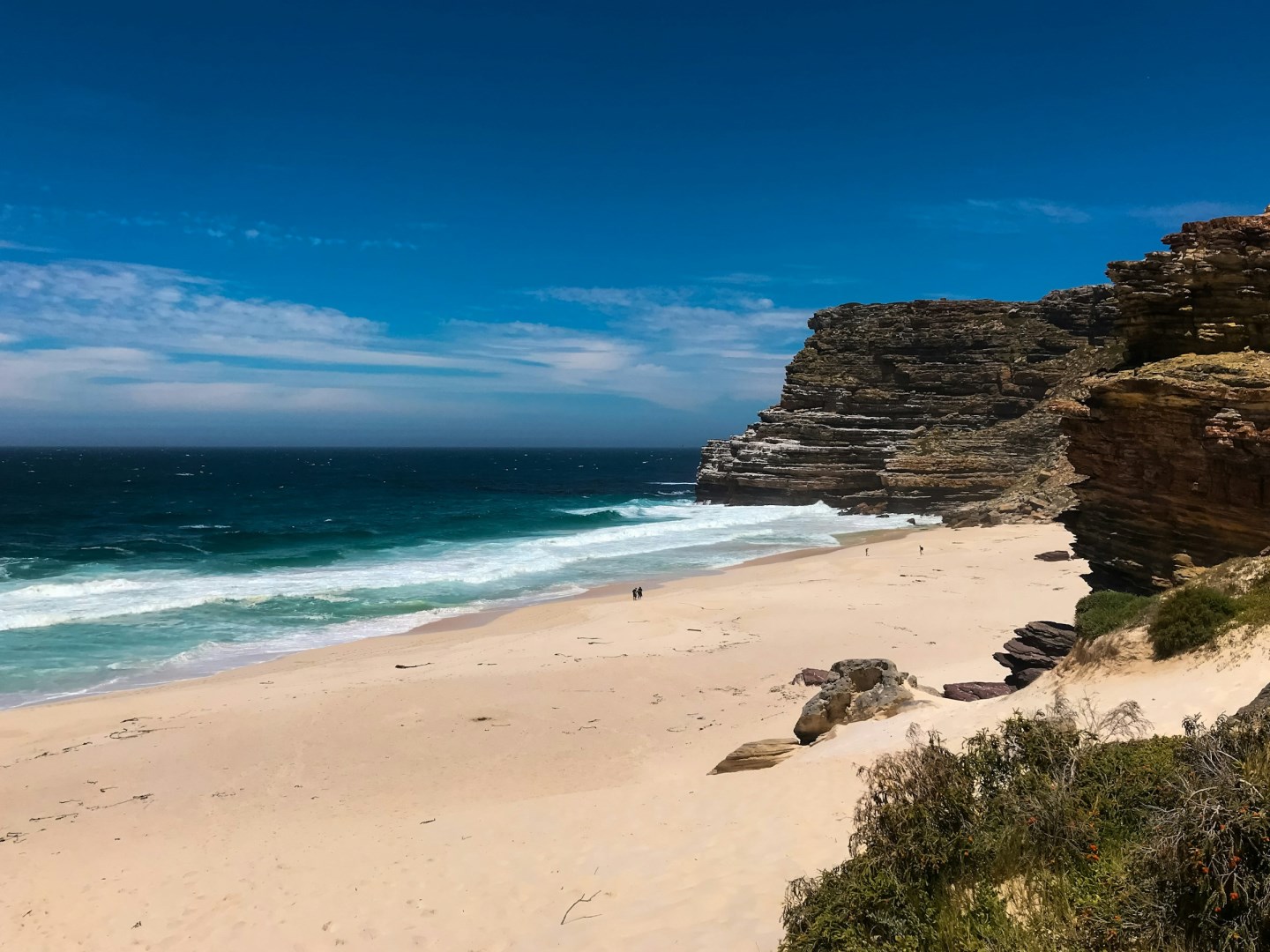
Cape of Good Hope
The Cape of Good Hope, located at the southwestern tip of South Africa, is a destination of striking natural beauty and historical significance. This iconic landmark, part of the Cape Peninsula, offers breathtaking views where the Atlantic and Indian Oceans meet.
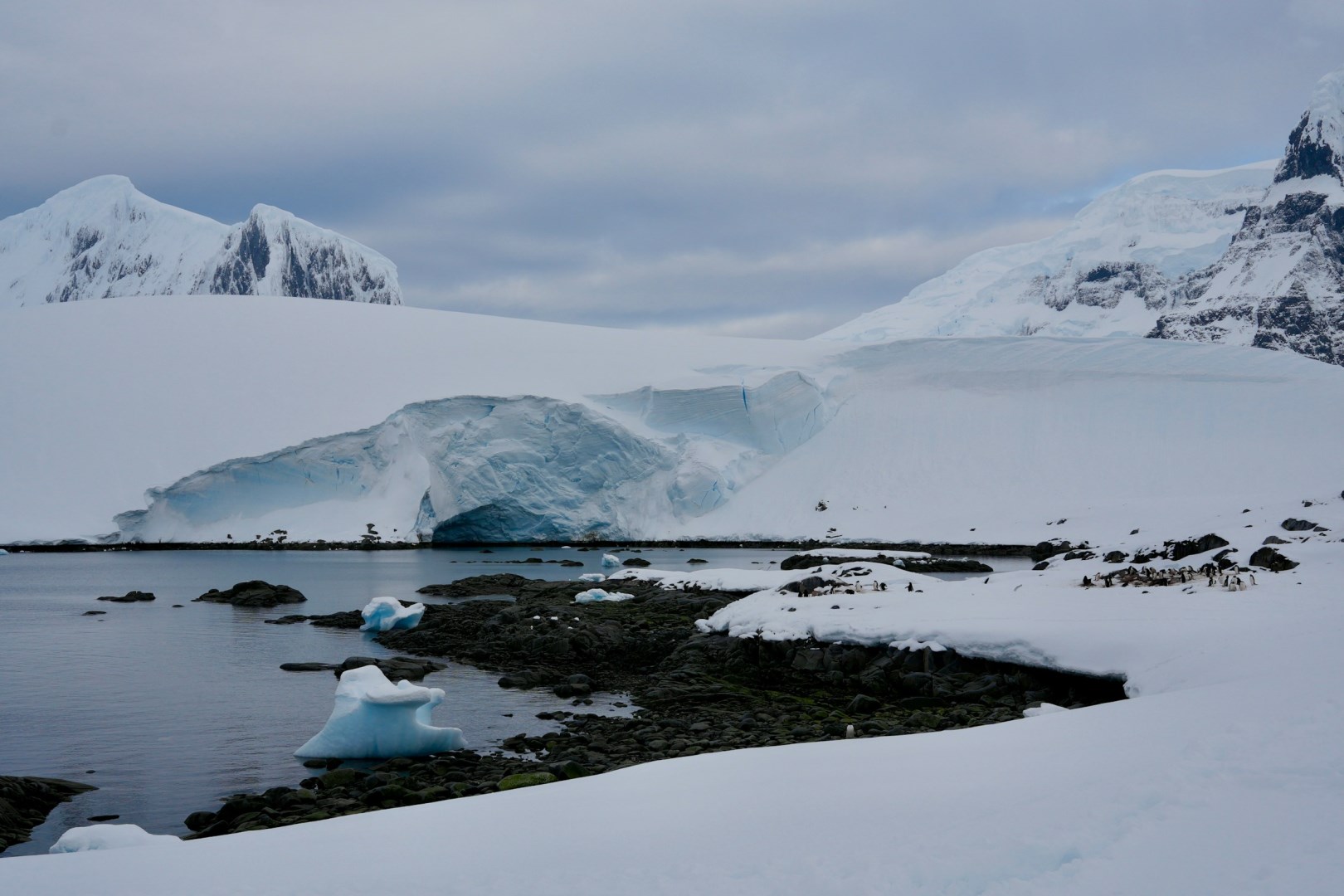
Wiencke Island
Wiencke Island lies off the west coast of the Antarctic Peninsula, separated from Anvers Island by the narrow Gerlache Strait. The island is mountainous and heavily glaciated, with steep slopes rising from a rugged coastline of rocky shores, snowfields, and ice. Several sheltered coves provide access for expedition vessels, while the surrounding waters are often dotted with icebergs and sea ice.
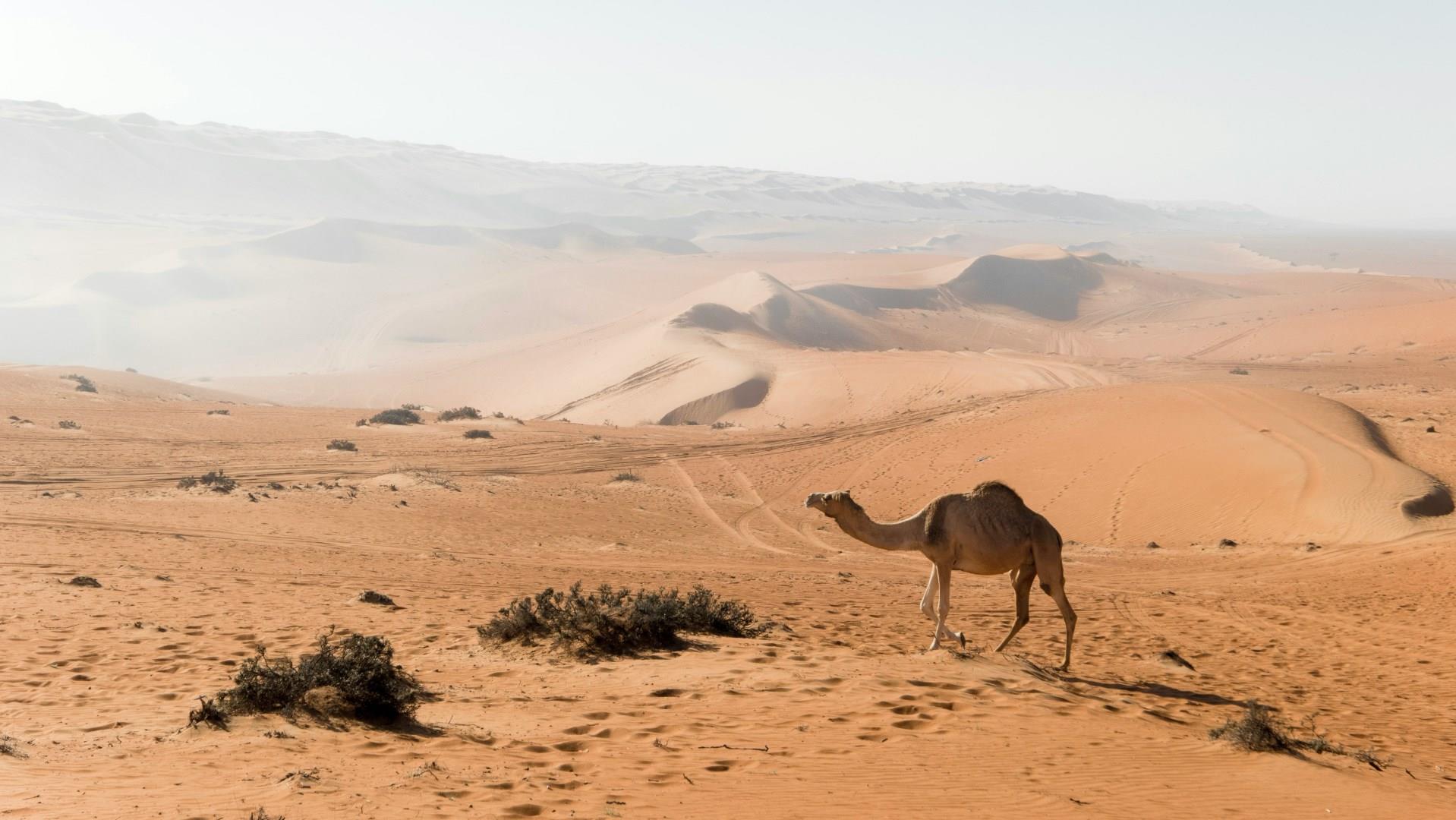
Wahiba Sands
Stretching across central Oman, the Wahiba Sands offer a dramatic desert landscape of rolling dunes that shift in color with the changing light. This vast sea of sand is home to towering ridges and open plains, creating an otherworldly backdrop for exploration.
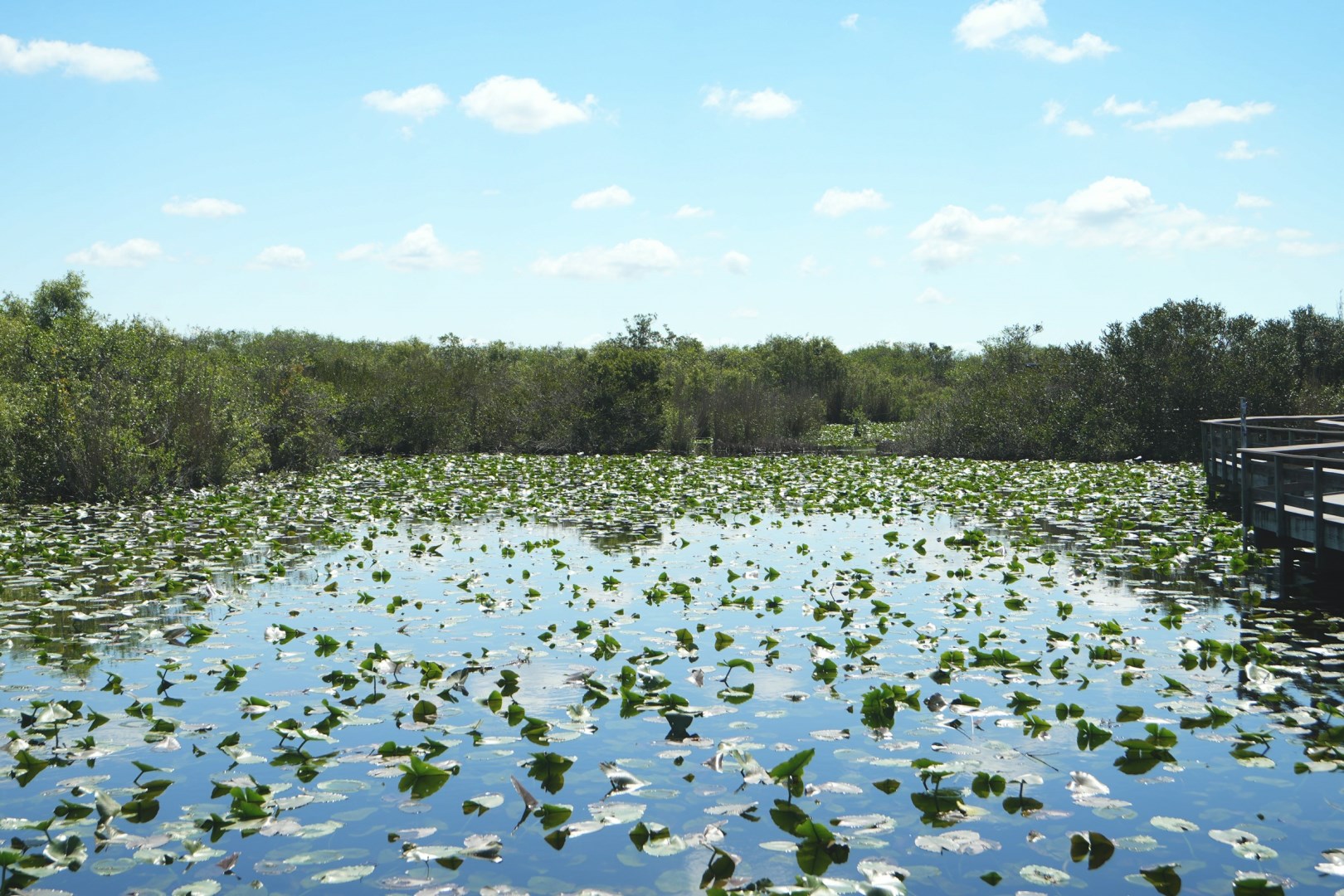
Everglades National Park
Everglades National Park protects a vast subtropical wetland at the southern tip of Florida, where freshwater moves slowly through sawgrass marshes, mangrove forests, hardwood hammocks, and coastal lagoons toward Florida Bay. Covering more than 1.5 million acres, it is the largest subtropical wilderness in the United States. The park is part of a much larger ecosystem whose waters originate in central and southern Florida and eventually reach the Gulf of Mexico and Florida Bay

Memphis
Memphis is as deeply rooted in culture as it is in history. Discover the city's cultural attractions at the Memphis Brooks Museum of Art, The Pink Palace, The Orpheum Theatre and Dixon Gallery and Gardens. Elvis Presley's Graceland is the most visited site.
