

Belluno
Nestled in the foothills of the Dolomites, the picturesque town of Belluno offers visitors a perfect blend of natural beauty, history, and culture. Known as the "gateway to the Dolomites," Belluno is surrounded by rugged mountains, making it a prime destination for hikers, climbers, and outdoor enthusiasts. The town’s position along the Piave River also offers stunning views and opportunities for riverside walks.

Londonderry
Londonderry, often called Derry, is a city steeped in history and charm, uniquely surrounded by remarkably well-preserved 17th-century walls. In fact, it holds the title of being the only completely walled city in all of Ireland. Strolling along these ancient ramparts offers visitors not only a glimpse into the past but also breathtaking panoramic views of the winding River Foyle and the lively streets below.

Aldabra
Aldabra Atoll, a UNESCO World Heritage Site located in the Seychelles, offers a pristine and unparalleled escape into nature's untouched beauty. The atoll, the second-largest in the world, is renowned for its remarkable biodiversity and is home to the Aldabra giant tortoise, a species found nowhere else on Earth. This enormous tortoise population is one of the key attractions for visitors, providing a rare opportunity to observe these majestic creatures in their natural habitat.

Nuremberg
Nuremberg is Bavaria’s second-largest city and for centuries was the undeclared capital of the Holy Roman Empire. There is plenty to do and see, starting with picturesque charm of the Old Town, situated at the foot of the Kaiserburg.
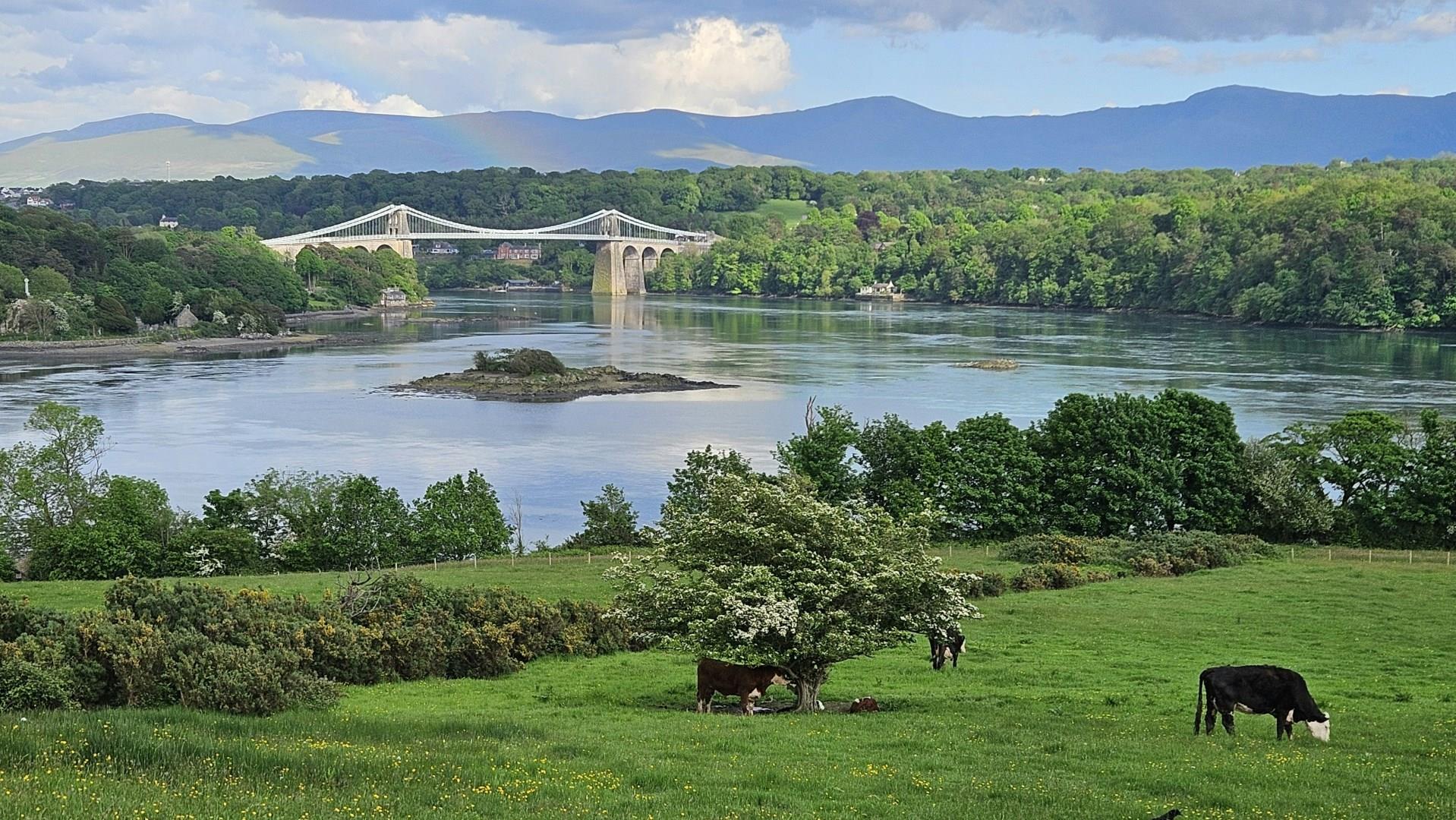
Anglesey
Anglesey is an island off the northwest coast of Wales with a history that stretches back thousands of years. Fertile lands and strategic coastal position made it an early center for agriculture, livestock, and maritime trade.
