

Roseau
Roseau, the lively capital of Dominica, is a city where history and nature coexist in striking harmony. Established on the site of an ancient Kalinago settlement, the town reflects its colonial past through French-inspired architecture, colorful buildings, and historic churches.

Las Vegas
Las Vegas, Nevada, is an electrifying city where glitz and glamour meet entertainment and excitement. Known as "The Entertainment Capital of the World," Las Vegas offers an unparalleled array of attractions, from its iconic casinos and luxurious hotels to its world-class dining and live shows. The city's entertainment scene is second to none, featuring legendary headliners, cutting-edge performances, and an array of themed attractions.

Tórshavn
Tórshavn, the capital of the Faroe Islands, offers a unique blend of Scandinavian charm and rugged natural beauty. Nestled between dramatic fjords and windswept landscapes, Tórshavn is one of the smallest and most picturesque capitals in the world. Visitors can start their exploration in the historic Tinganes area, the cradle of Faroese civilization.
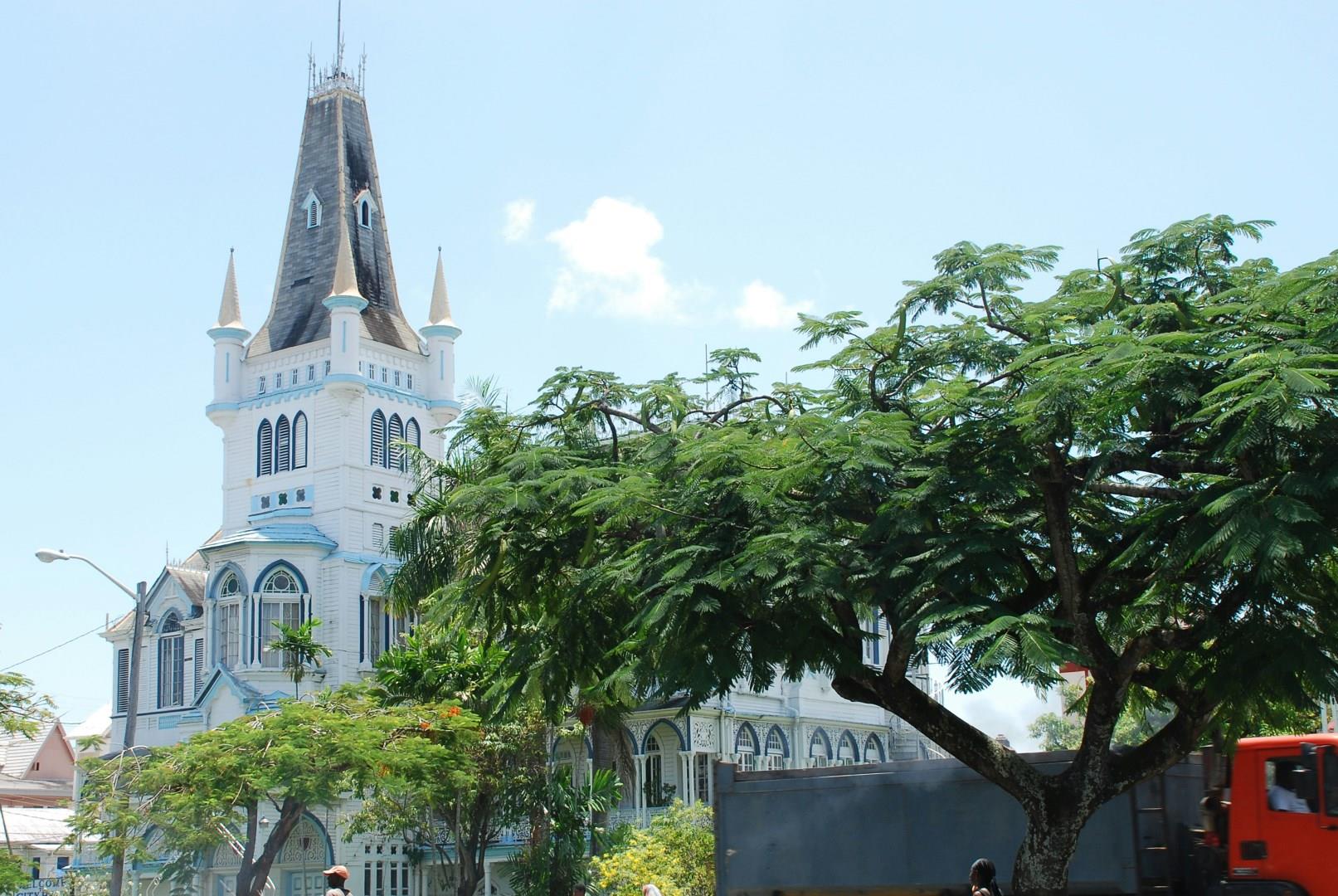
Georgetown
Georgetown, Guyana’s capital, is a city of wooden cathedrals, tree-lined canals, and street corners alive with music, food, and political discussion. Located at the mouth of the Demerara River, the streets still follow the Dutch grid system, and the city’s architectural signature, with its elegant wooden buildings with louvered shutters and fretwork, make it one of the most visually distinct capitals in South America.
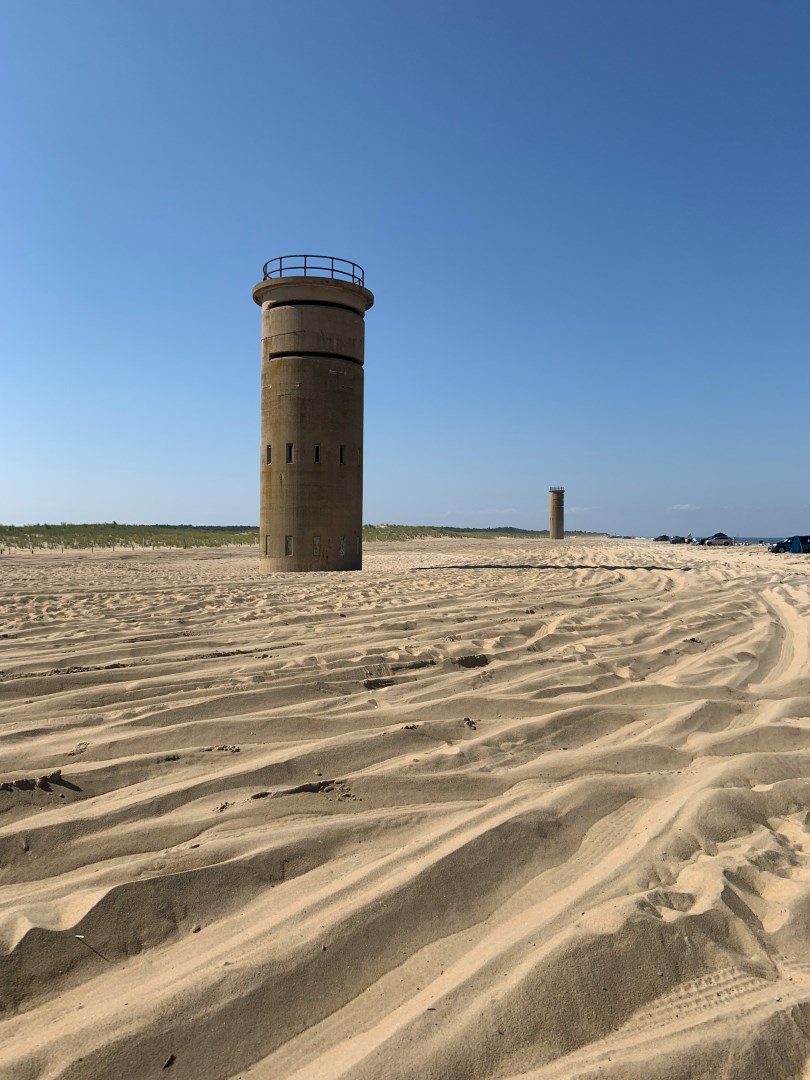
Delaware
Delaware, often called the "First State" for being the first to ratify the U.S. Constitution, offers visitors a unique blend of historical charm, natural beauty, and coastal allure. In Wilmington, history enthusiasts can explore Old New Castle, a preserved colonial town featuring cobblestone streets and beautifully maintained 17th-century buildings.
