
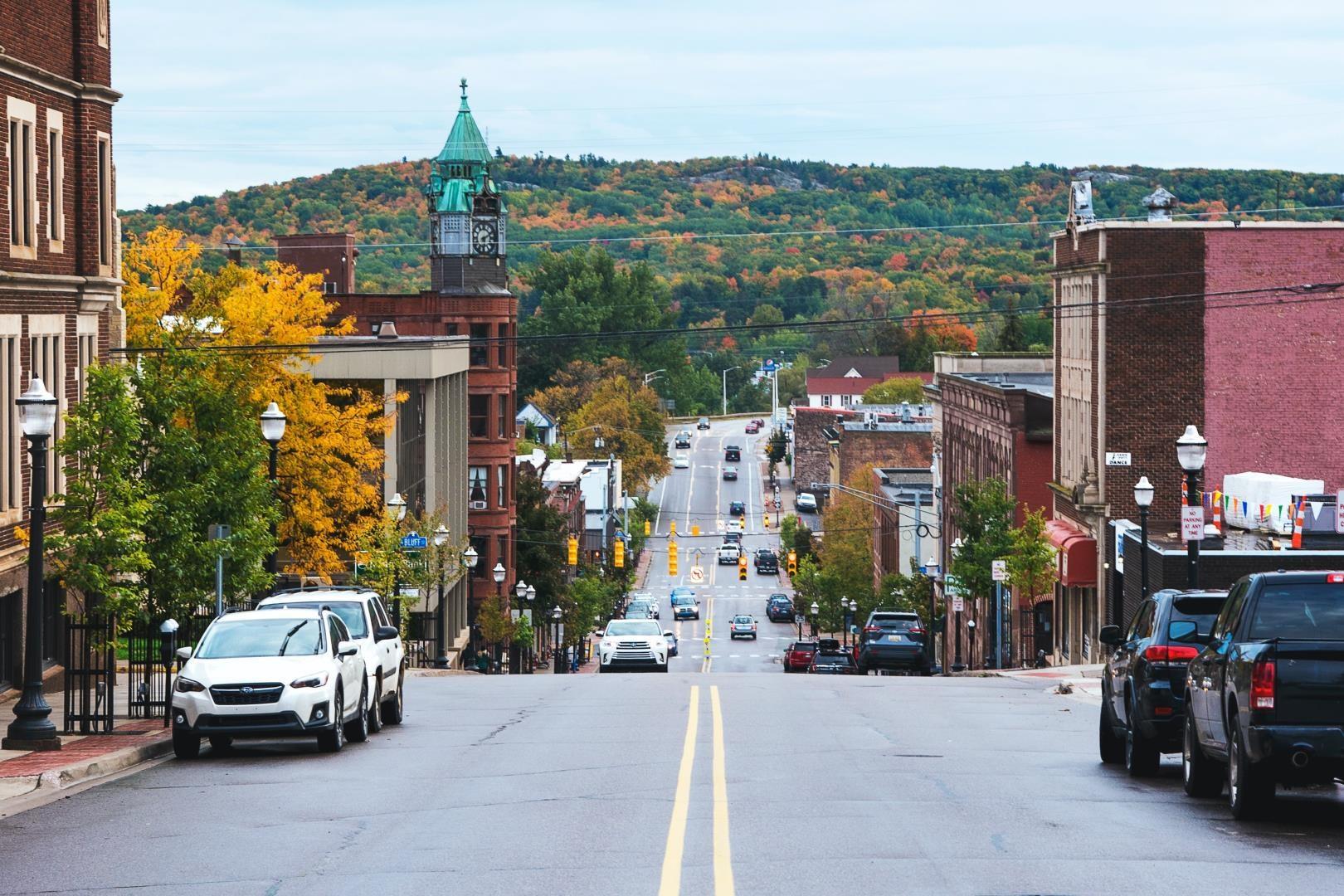
Marquette
West of Hiawatha National Forest, Marquette sits on the shore of Lake Superior and is the biggest city on Michigan's Upper Peninsula. Visit historic Marquette Harbor Lighthouse for spectacular panoramic views of Superior, or take advantage of snowy Marquette Mountain and a variety of winter sports at the height of Marquette's winter season.
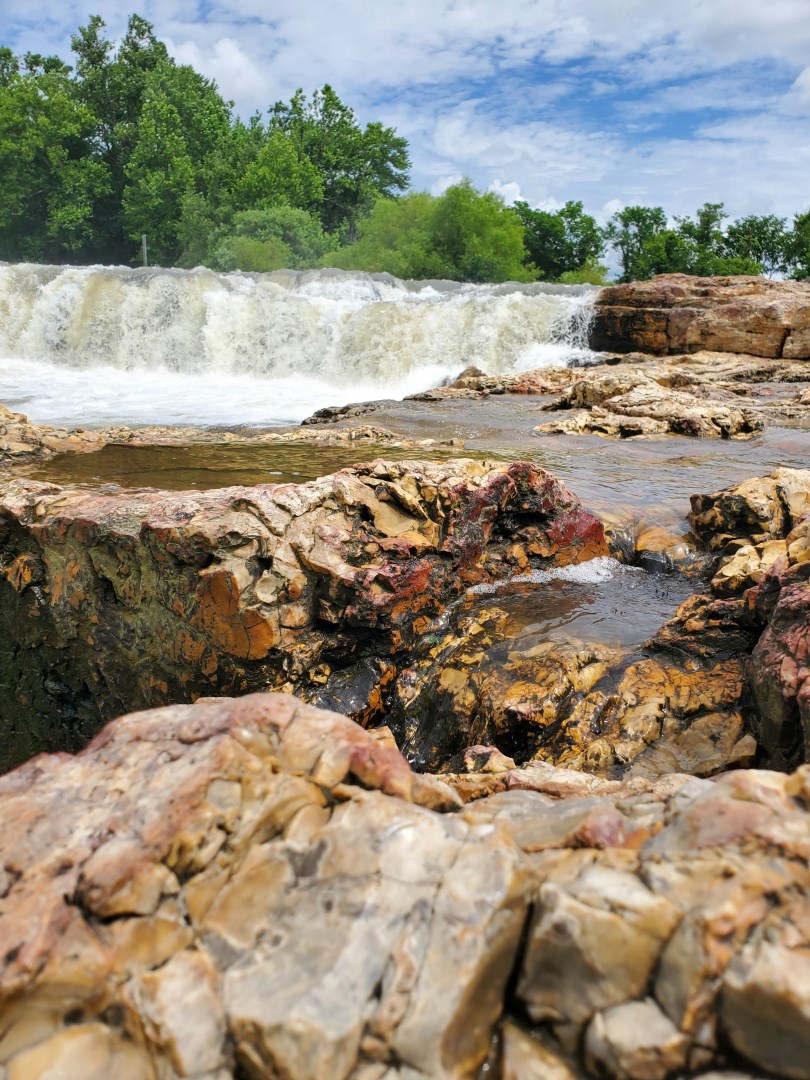
Joplin
Joplin, Missouri, sits in the southwestern corner of the state within the Ozarks region, where rolling woodland, limestone formations, and waterways surround a city shaped by mining, transportation, and Route 66. Its downtown combines historic buildings, murals, independent businesses, restaurants, and cultural venues, while the Murphysburg Historic District preserves some of the community’s older residential architecture.

La Goulette
La Goulette, a charming port town just north of Tunis, is a delightful destination for travelers seeking a blend of history, culture, and seaside relaxation. Known for its vibrant atmosphere, La Goulette offers visitors a chance to explore its bustling markets, enjoy fresh seafood at local restaurants, and relax on its beautiful beaches.
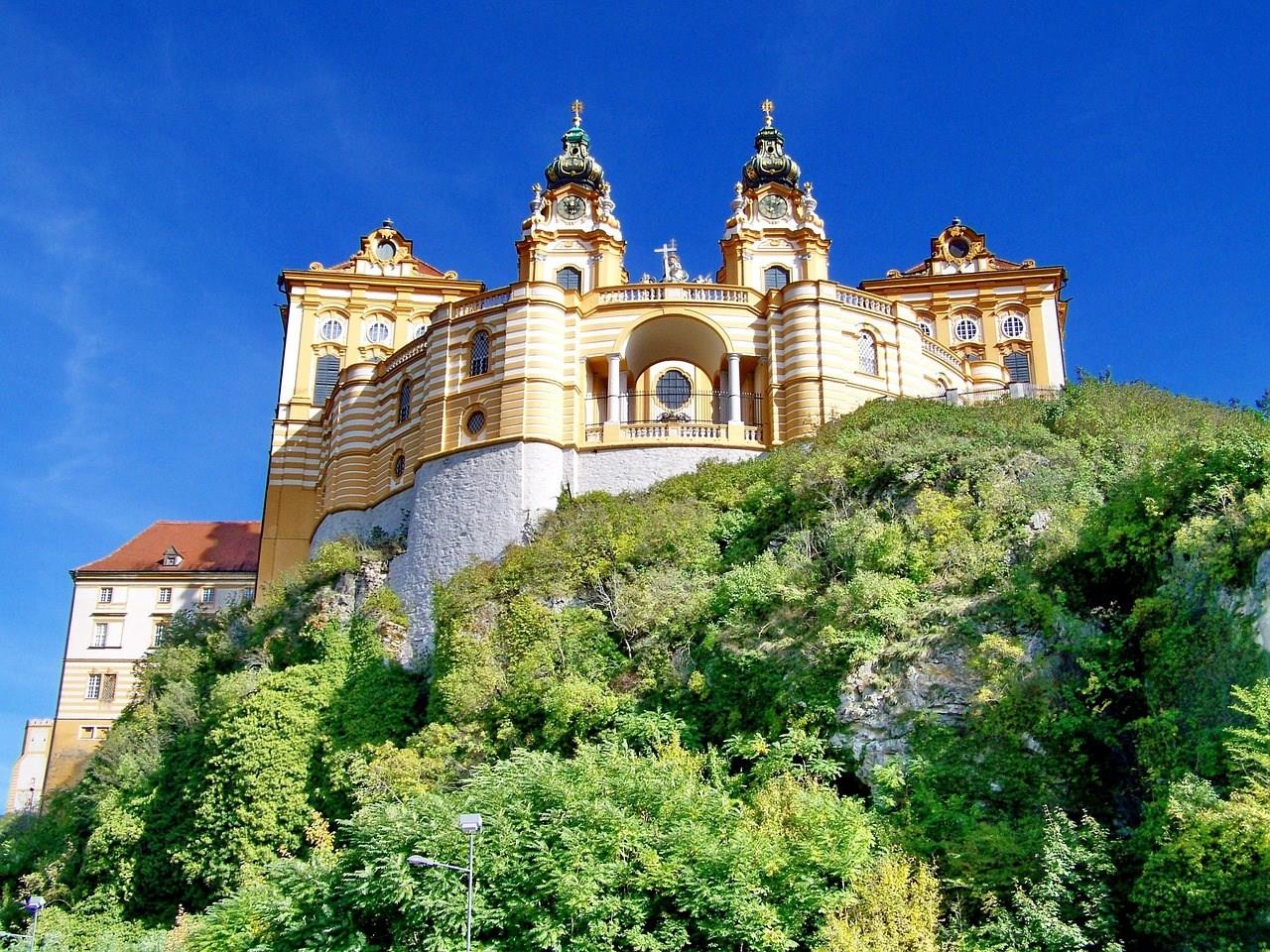
Wachau Valley
Austria’s Wachau Valley is a scenic stretch of the Danube River between Melk and Krems, known for its terraced vineyards, medieval towns, and a deep sense of history.

Genoa
This thriving port city has so much to offer, including several museums, the beautiful historic quarter Porto Antico and La Lanterna. This lighthouse is Genoa's best known landmark and provides stunning views over the port and bay.
