
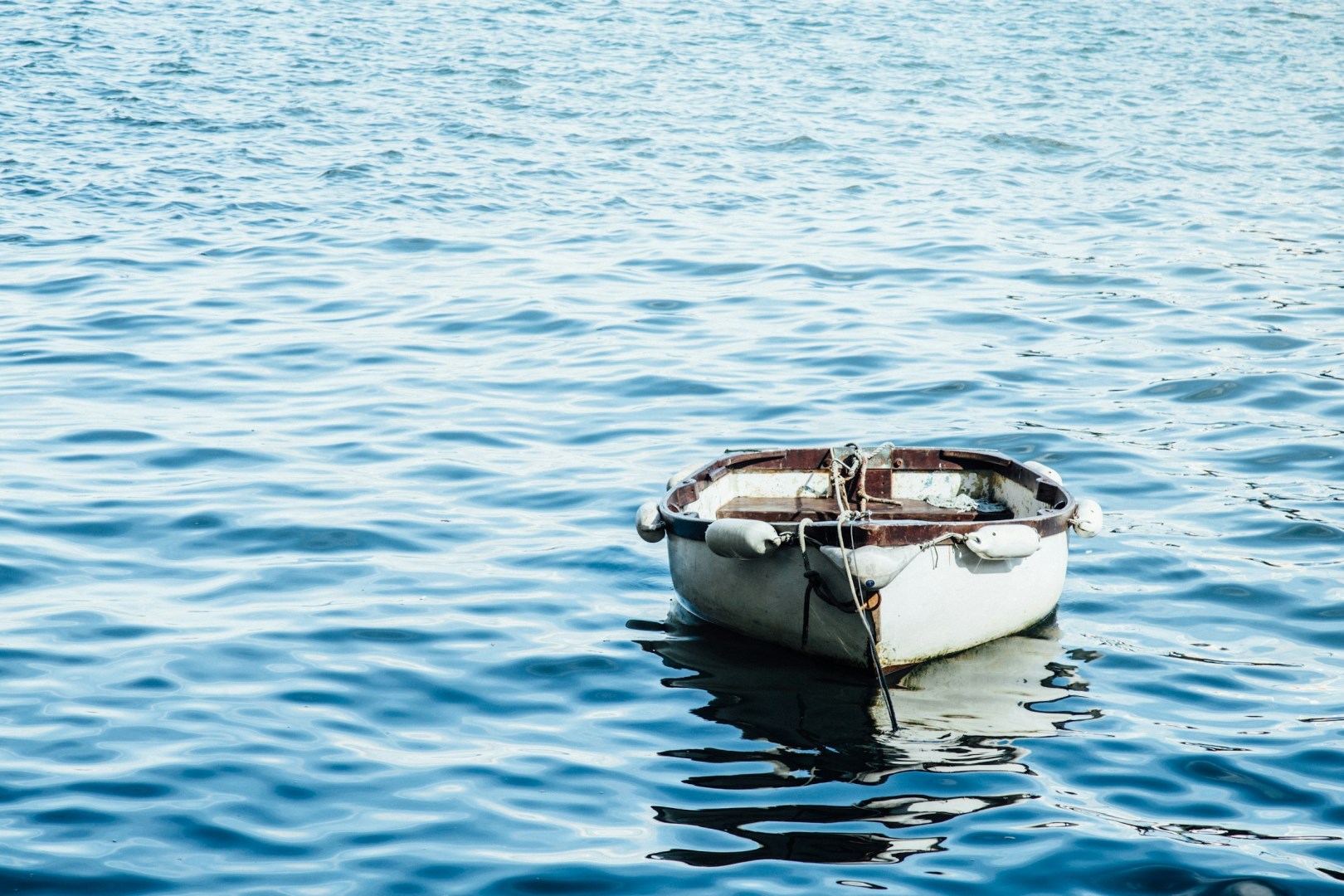
Falmouth
Falmouth, on Cornwall’s south coast, grew around one of the world’s largest natural harbors, a feature that has shaped its maritime identity for centuries. The town expanded during the age of sail, serving as a key port for packet ships, and landmarks like Pendennis Castle still anchor Falmouth firmly in its naval past.
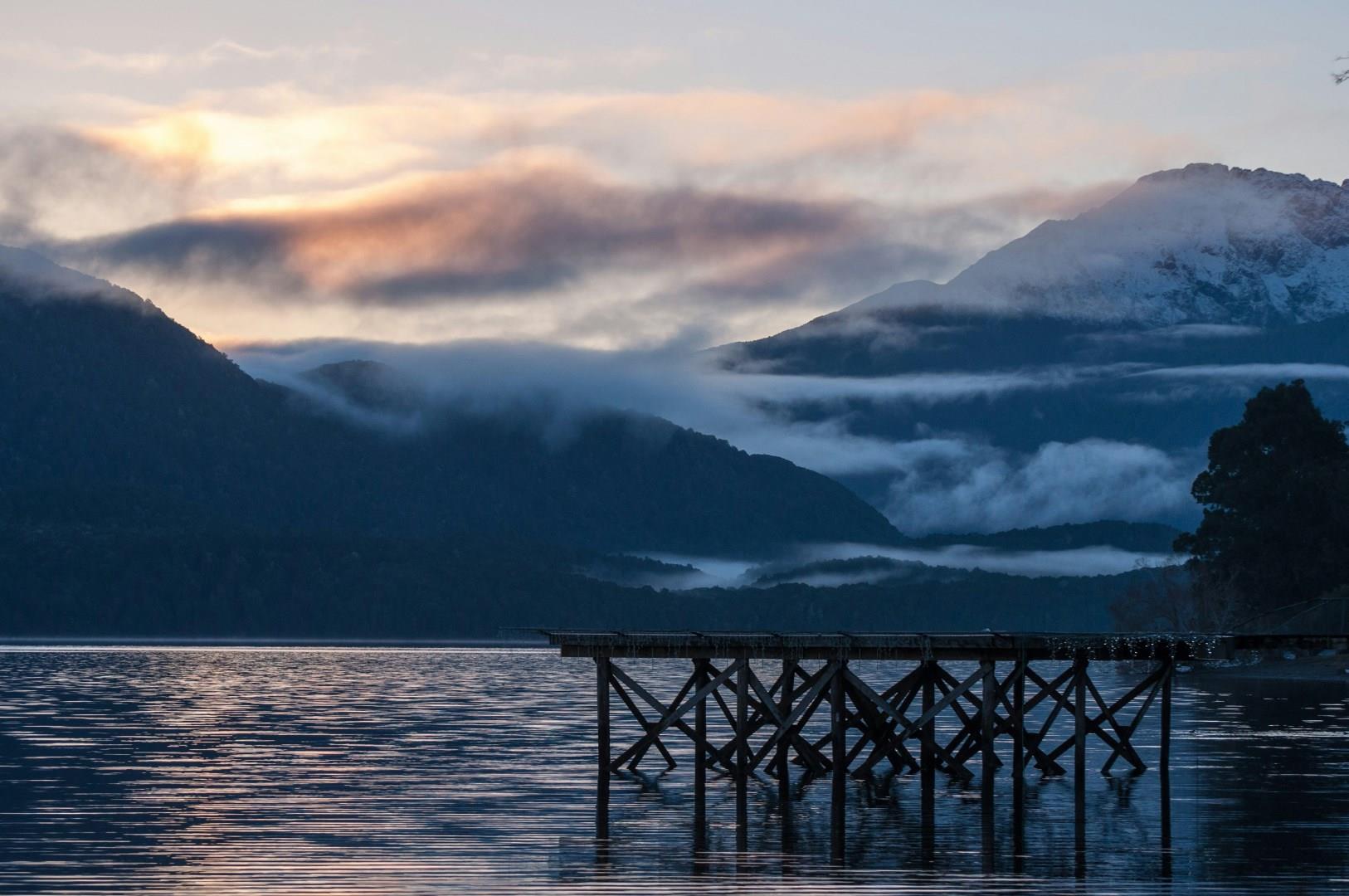
Te Anau
Te Anau sits on the edge of New Zealand’s second-largest lake, acting as the unofficial gateway to Fiordland National Park. While it’s often viewed as a starting point for trips to Milford Sound, the town itself offers a slower, more scenic way to experience the South Island’s dramatic landscapes. Te Anau’s lakefront is a mix of walking paths, local birdlife, and wide-open views across snow-dusted peaks.
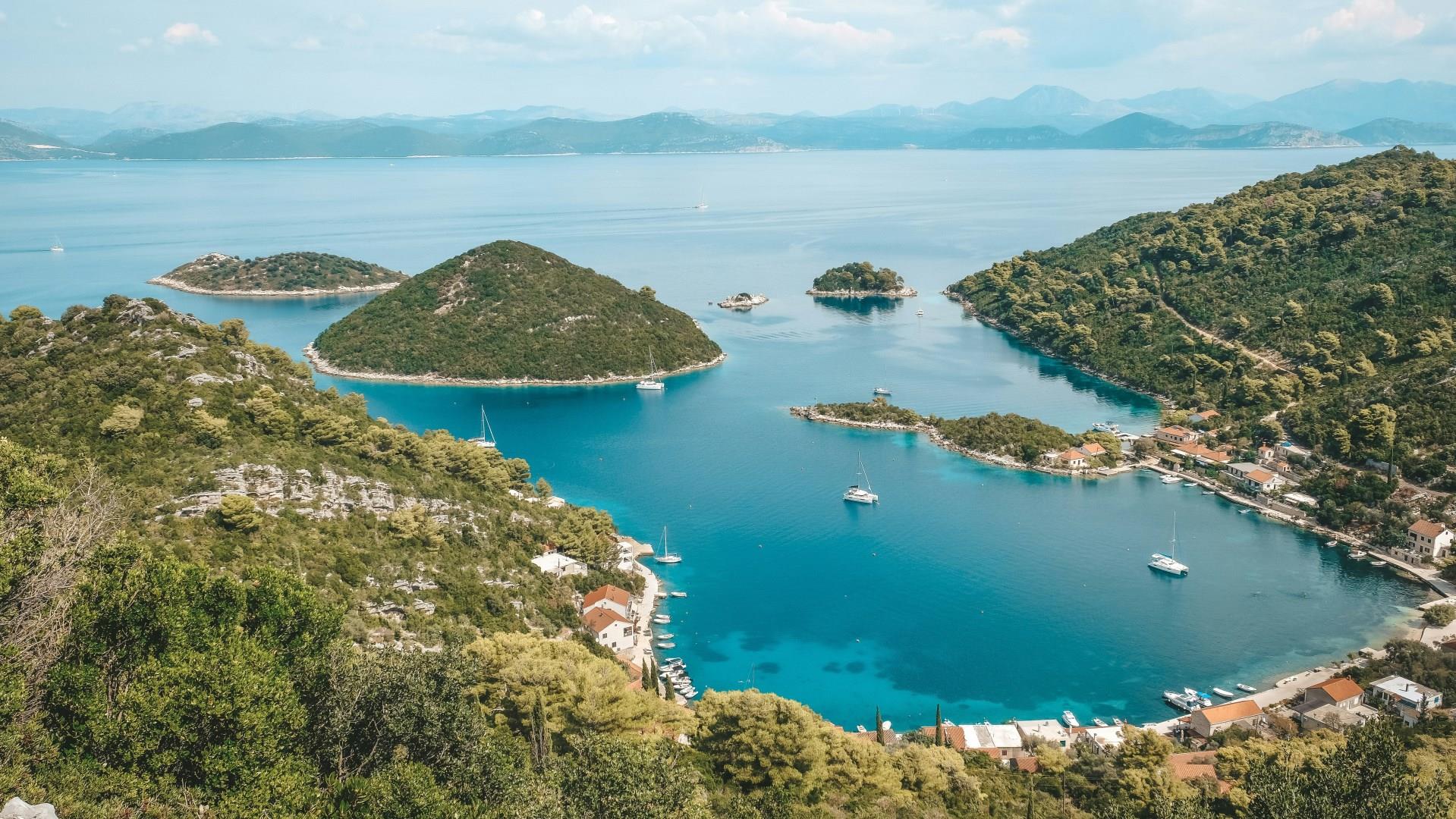
Mljet National Park
Mljet National Park sits on the western side of Mljet Island in Croatia’s Adriatic Sea, a place where saltwater lakes meet ancient forest pathways. The park stretches across nearly one-third of the island, with Veliko Jezero (Great Lake) and Malo Jezero (Small Lake) as their most striking features. These two saltwater lakes are connected by a narrow channel to the open sea, creating calm blue waters that draw visitors for swims, casual kayak outings, or peaceful cycles around the shaded paths.
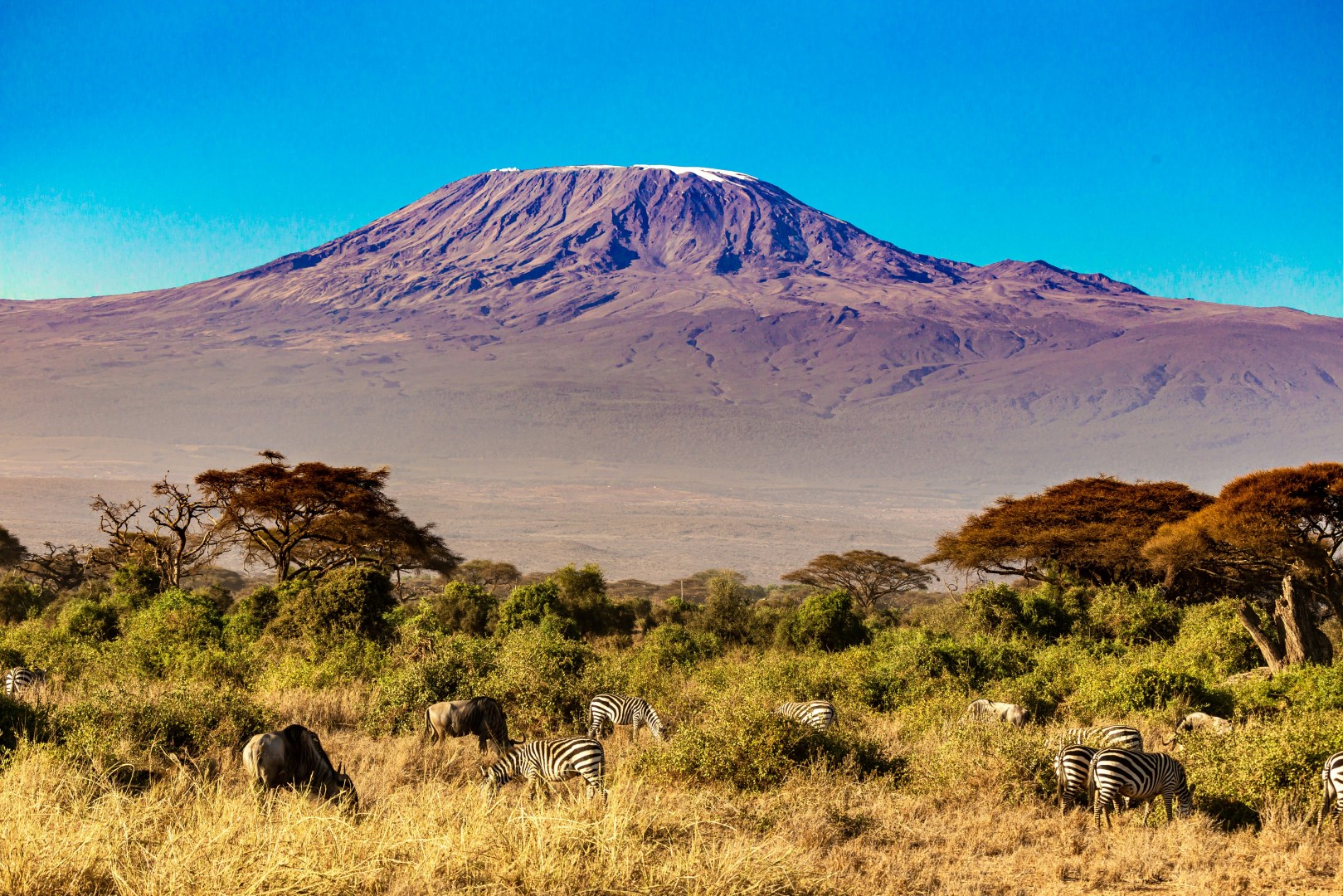
Amboseli
Amboseli is a wildlife region in southern Kenya, centered on Amboseli National Park in Kajiado County near the border with Tanzania. Its landscape is defined by open plains, seasonal lake beds, acacia woodland, and freshwater swamps, with Mount Kilimanjaro rising prominently across the border to the south.
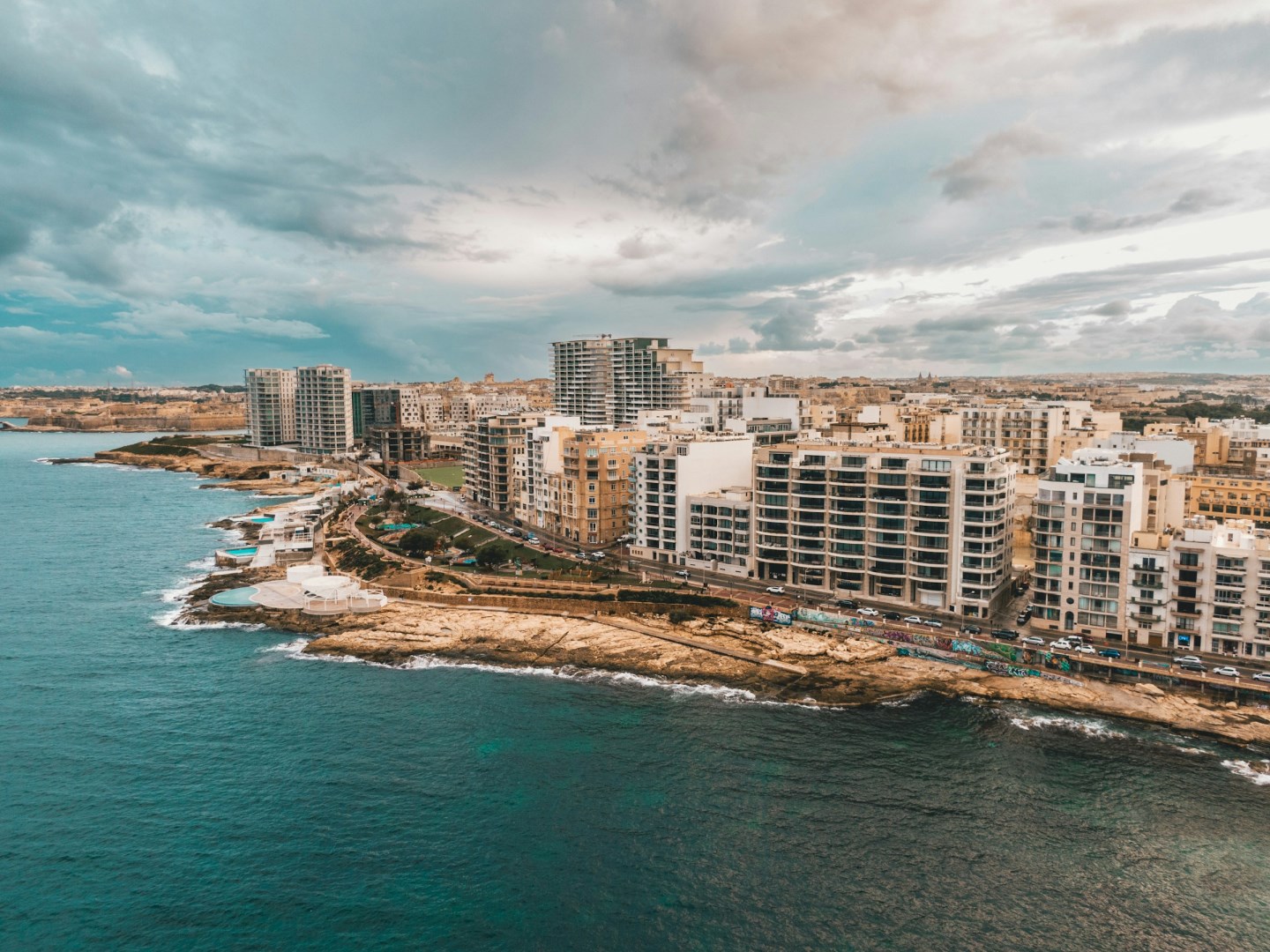
Sliema
Sliema is a coastal town on Malta’s northeastern shore, facing Valletta across Marsamxett Harbour. Once a small fishing community, it has developed into one of Malta’s main residential, commercial, and waterfront areas. The coastline is lined with apartment buildings, hotels, cafés, shops, and a long promenade that follows the rocky shore toward neighboring St Julian’s. Views across the water include Valletta’s fortified skyline, the domes and bastions of the historic capital, and the entrances
