
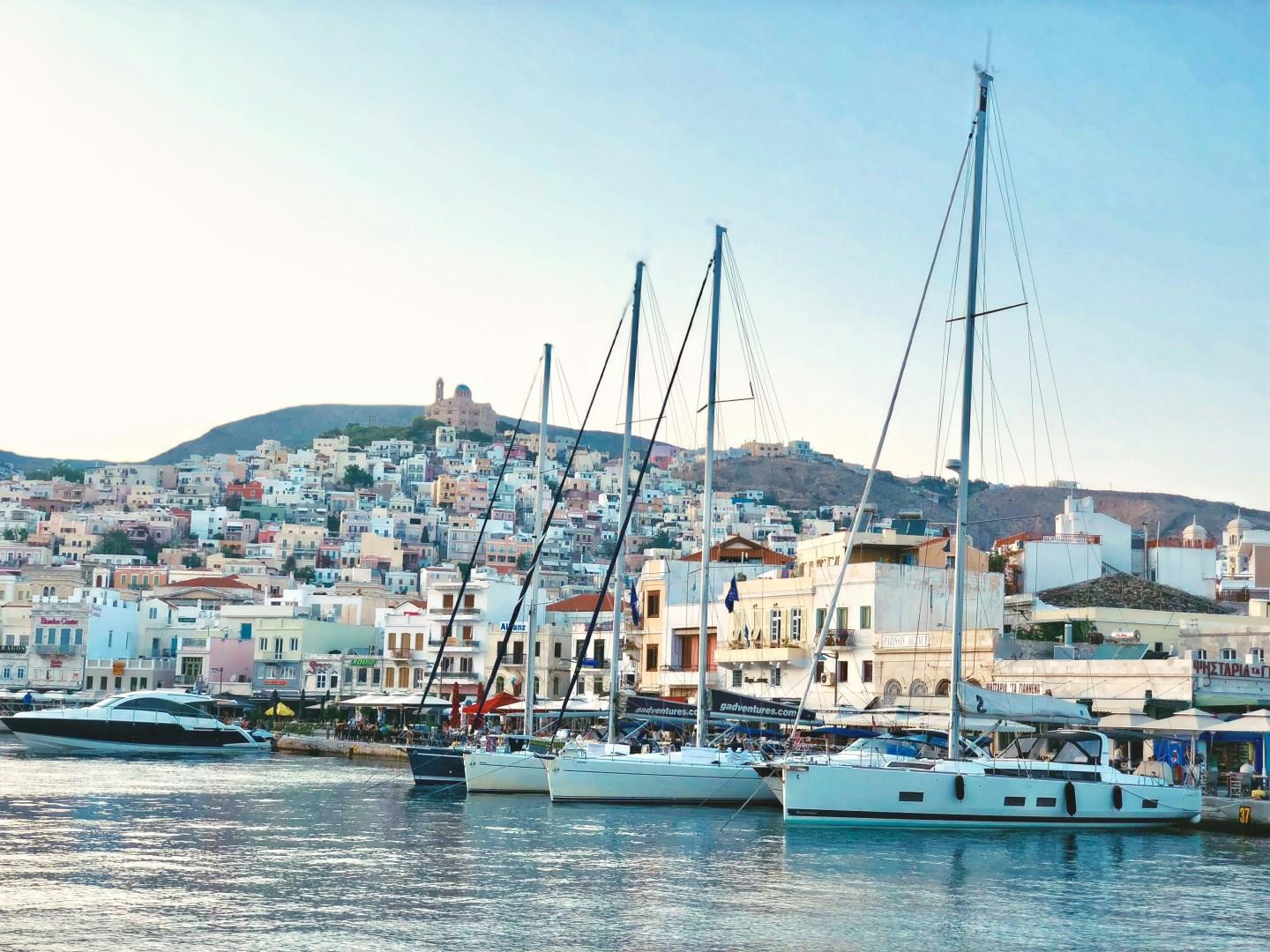
Syros
Syros, the capital of the Cyclades, stands apart from its island neighbors with its blend of neoclassical architecture, Orthodox and Catholic traditions, and year-round local life. Ermoupoli, the main town, was once a thriving 19th-century port and still displays its legacy through grand mansions, marble-paved squares, and the imposing Apollo Theater which was designed by an Italian architect and often referred to as a miniature La Scala.

Dusseldorf
The commercial and cultural center for the Ruhr region on the Rhine River, Duseldorff is also the site of the Felderhof Cave where Neanderthal man was found in 1856.
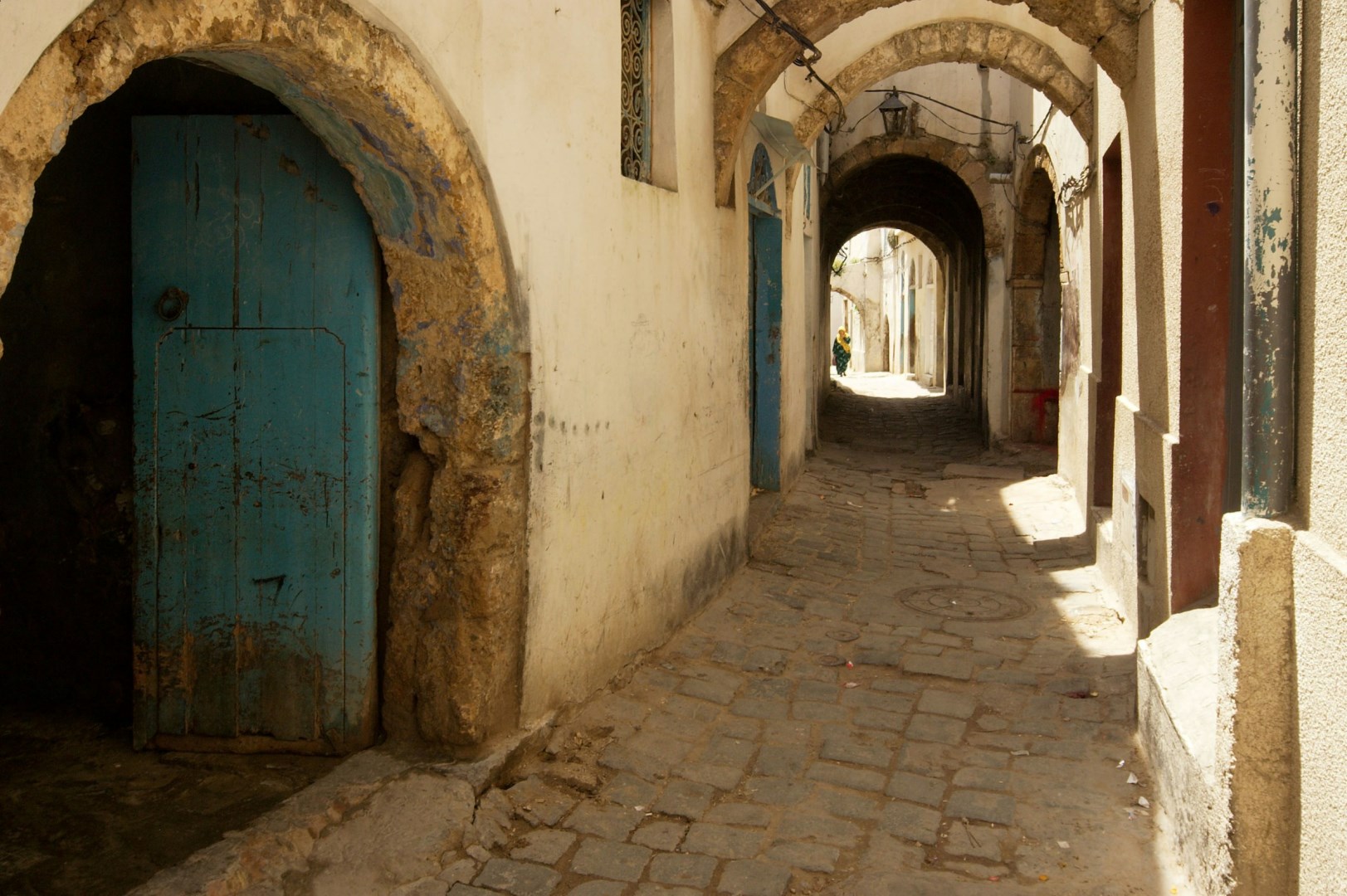
Bizerte
Bizerte is a coastal city in northern Tunisia, situated on the Mediterranean Sea around a lagoon and a network of canals connecting the city with Lake Bizerte. It is known for its working fishing harbour, historic waterfront, and proximity to some of northern Tunisia’s most important natural areas.

Ol Doinyo Lenga
Ol Doinyo Lengai, often called the "Mountain of God," is an active volcano located in northern Tanzania and is a must-visit for adventurous travelers. Towering over the Great Rift Valley, this majestic peak is unique due to its lava composition. Unlike most volcanoes that produce molten lava, Ol Doinyo Lengai emits natrocarbonatite lava, which is unusually cool and flows like water. This rare phenomenon makes it one of the most intriguing volcanic landscapes on Earth.
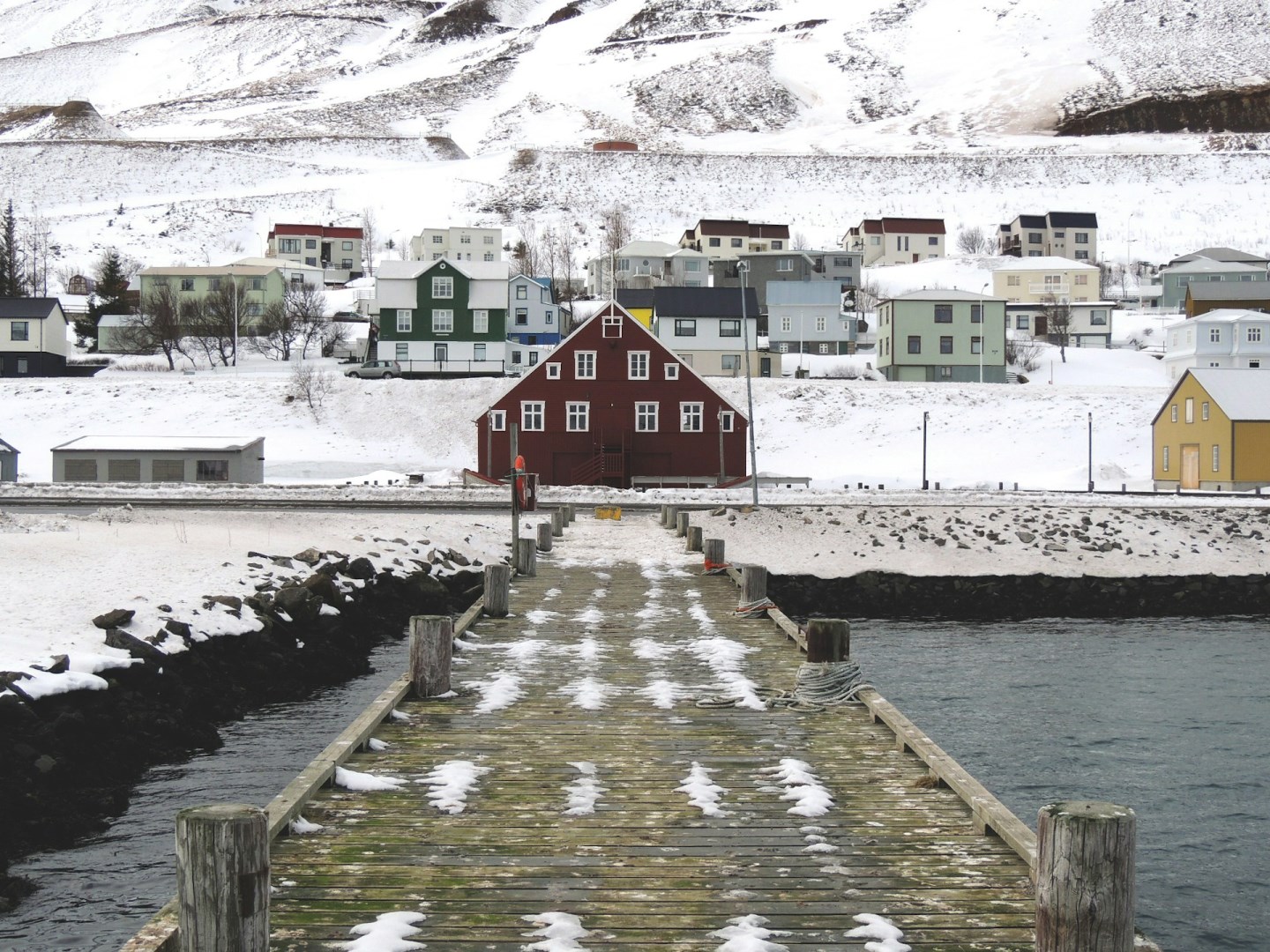
Siglufjörður
Siglufjörður is Iceland’s northernmost mainland town, set at the head of a narrow fjord on the mountainous Trollaskagi Peninsula. Steep slopes rise closely around the harbor, giving the settlement a compact setting shaped by the sea and mountains. Fishing remains central to local life, while the harbor, small streets, cafés, galleries, and museums reflect the town’s role as a regional community.
