

Fort Lauderdale
Fort Lauderdale is known for its sun-soaked beaches, diverse culture, and network of scenic canals that stretch over 300 miles. Visitors can take a water taxi or book a sunset cruise to explore the city from a different perspective.
Guyana
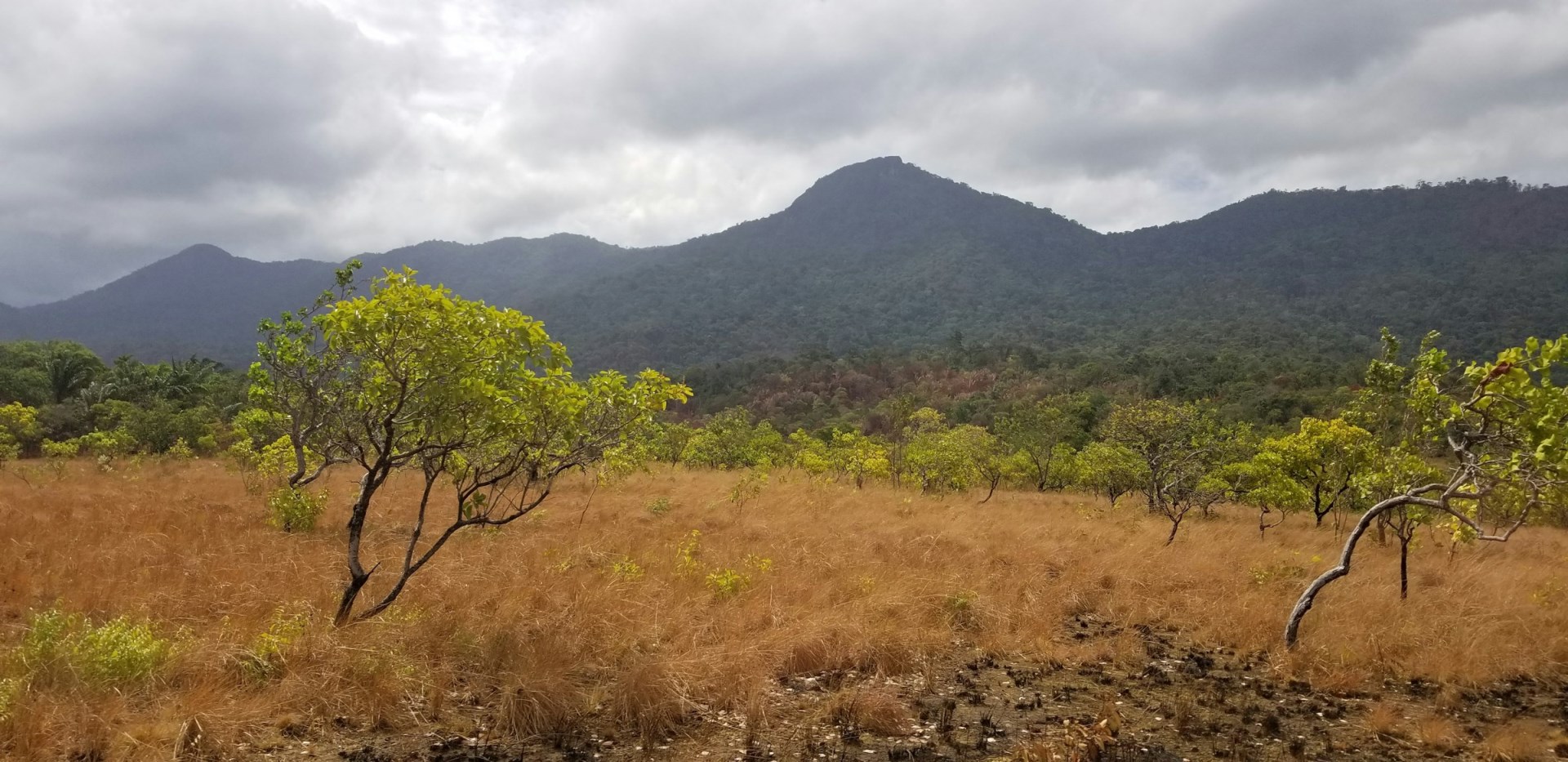
Guyana, perched on South America’s northern coast, is often overlooked by mass tourism, but those who venture here quickly discover a country defined by its wild landscapes and strong cultural identity. As the only English-speaking country on the continent, it offers travelers a smoother entry into South America while maintaining a distinct Caribbean rhythm.
Saint-Émilion
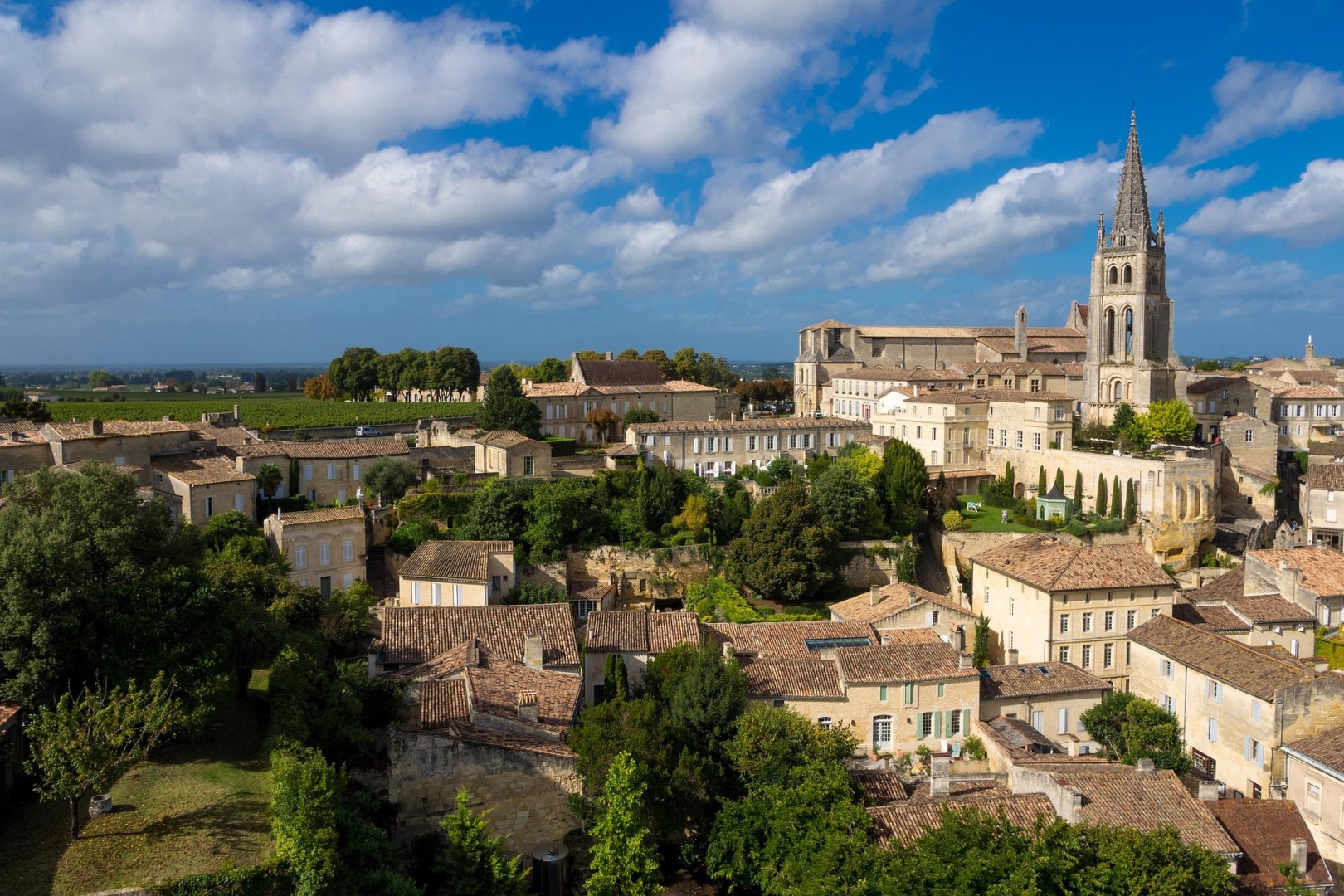
Saint-Émilion, nestled in the heart of southwest France, is a living monument to centuries of craftsmanship, faith, and wine-making. Recognized as a UNESCO World Heritage Site since 1999, this medieval town sits on a limestone plateau surrounded by vineyards that date back to Roman times. Visitors can explore cobbled streets that wind past centuries-old stone houses, descend into underground catacombs carved by monks, and visit the astonishing Monolithic Church.

Oslo
Oslo, Norway’s capital, stands at the crossroads of Nordic history and forward-thinking design. Originally founded over a thousand years ago by Viking King Harald Hardrada, the city has evolved from a medieval trading hub into one of Europe’s most modern capitals. Visitors can explore its layered past at the Akershus Fortress, a 13th-century stronghold still standing guard over Oslofjord, or walk through the preserved wooden homes of Damstredet.
Wailea, Maui
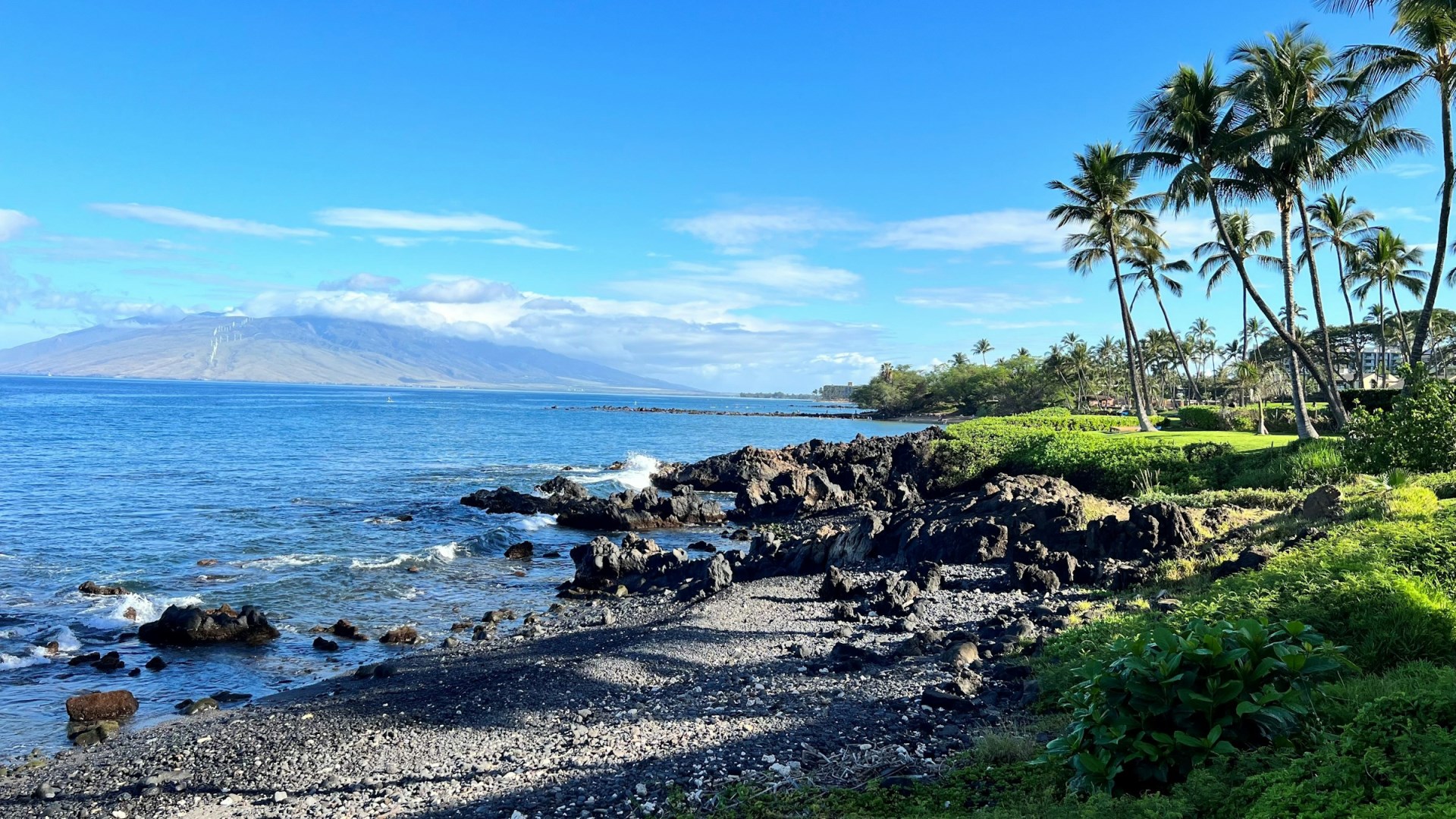
Wailea is a coastal resort community on the southwestern shore of Maui, Hawaiʻi, set between the slopes of Haleakalā and the Pacific Ocean. Its dry climate, landscaped grounds, sandy beaches, and views across the ʻAuʻau Channel toward neighboring islands give it a distinct setting within South Maui. The area is known for several major beaches, including Wailea Beach, Ulua Beach, and Polo Beach, as well as a network of walking paths connecting resorts, beaches, parks, and shopping areas.
