
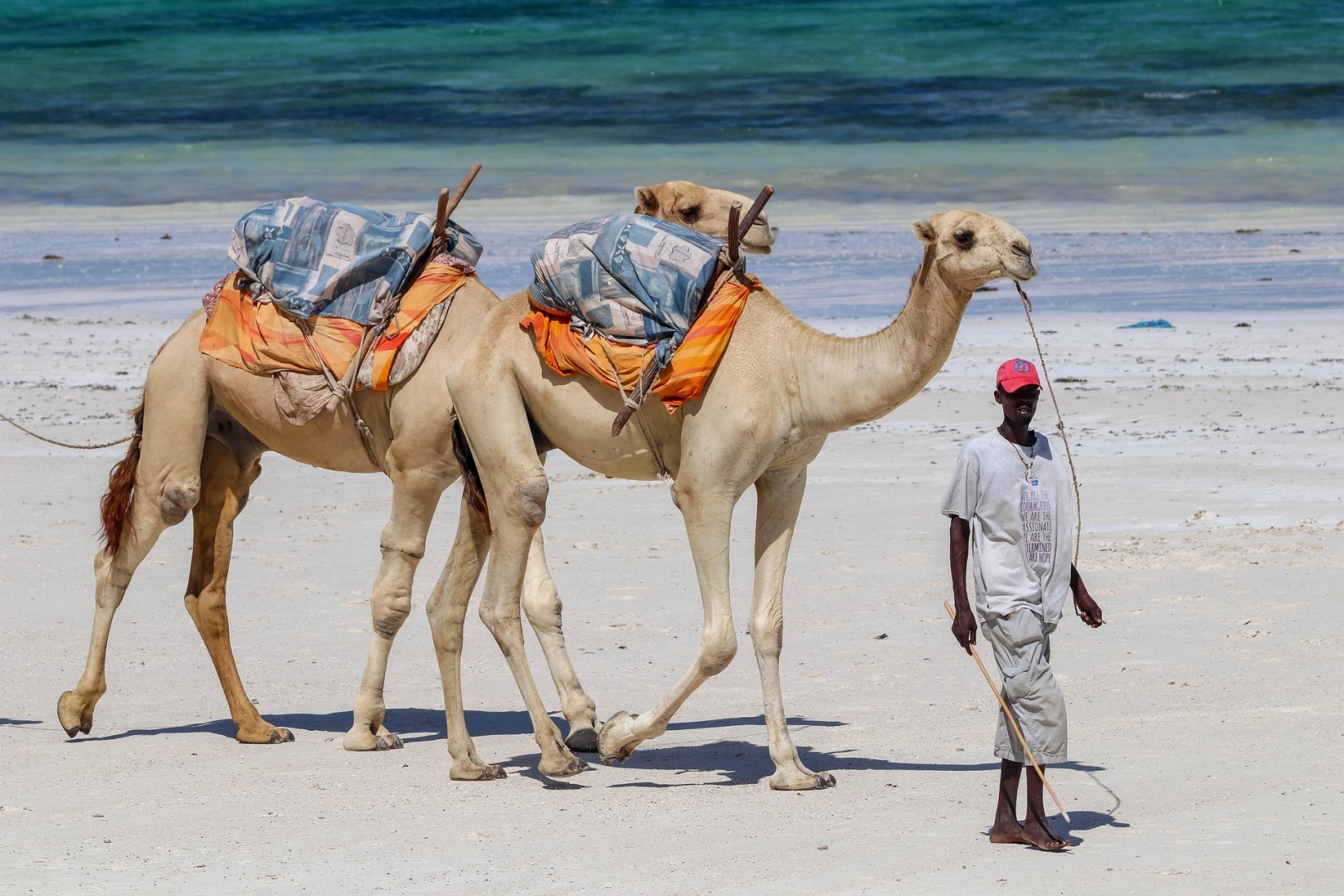
Diani Beach
Diani Beach is a coastal destination south of Mombasa in Kenya, facing the Indian Ocean along the country’s southern coastline. Its shoreline is known for a long stretch of white coral sand bordered by coconut palms and tropical vegetation. The area developed from a coastal village environment into a major tourism centre, while nearby communities continue to support fishing, small-scale farming, crafts, and other local activities.
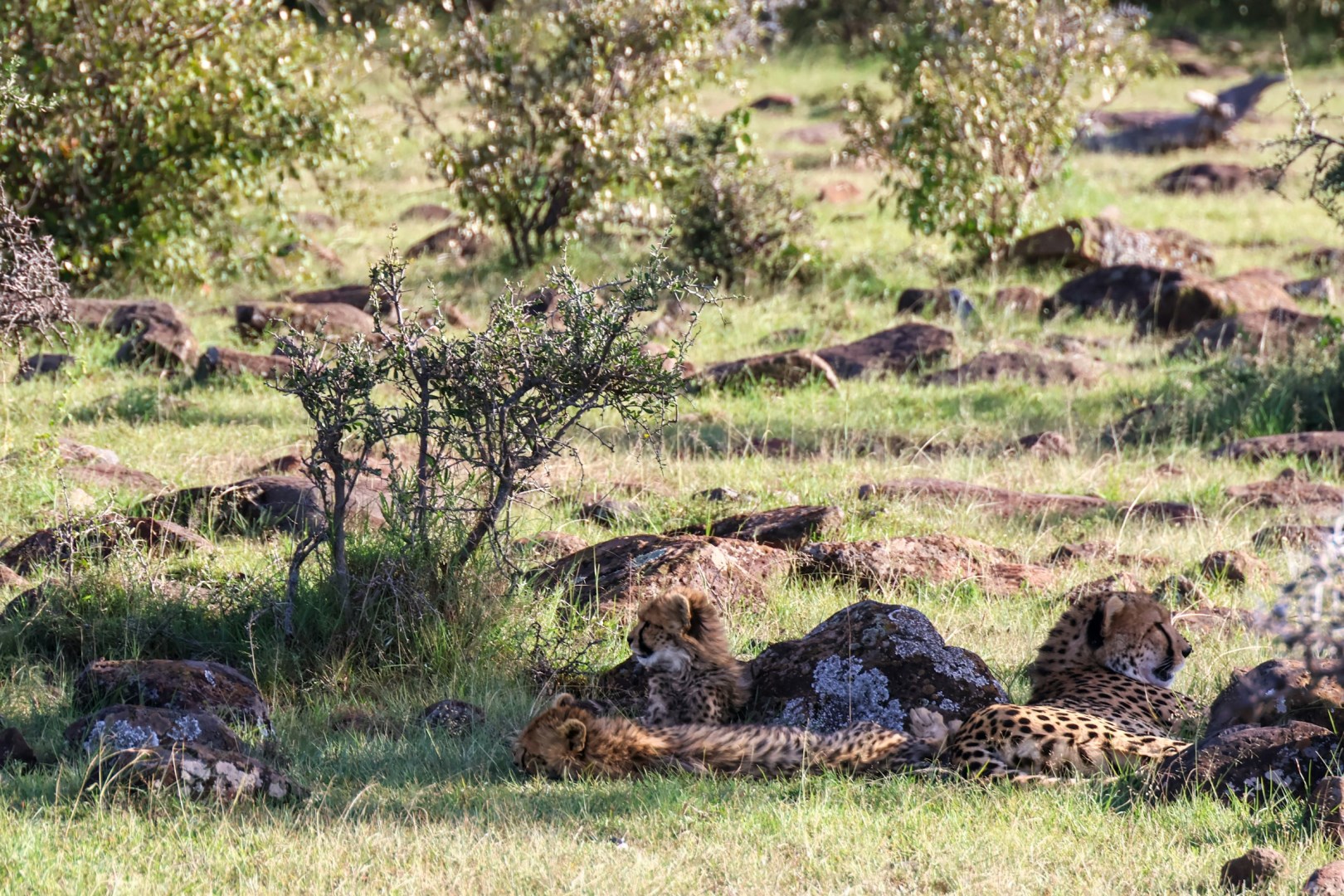
Naboisho Conservancy
Naboisho Conservancy is a community-owned wildlife conservation area bordering Kenya’s Maasai Mara National Reserve in Narok County. The conservancy protects open savanna, grasslands, acacia woodland, and seasonal rivers that provide habitat for a wide range of wildlife. It was established through agreements between local Maasai landowners and conservation partners, creating a model in which tourism revenue supports communities while land is maintained for wildlife.

Nile River
The River Nile, most often associated with Egypt and its ancient civilizations, actually flows through eight other countries including Uganda, Ethiopia, Sudan, and Kenya. It is formed by two major tributaries, the White Nile and Blue Nile, and is considered by many to be the longest river in the world when measured from its source waters in Rwanda and Burundi.
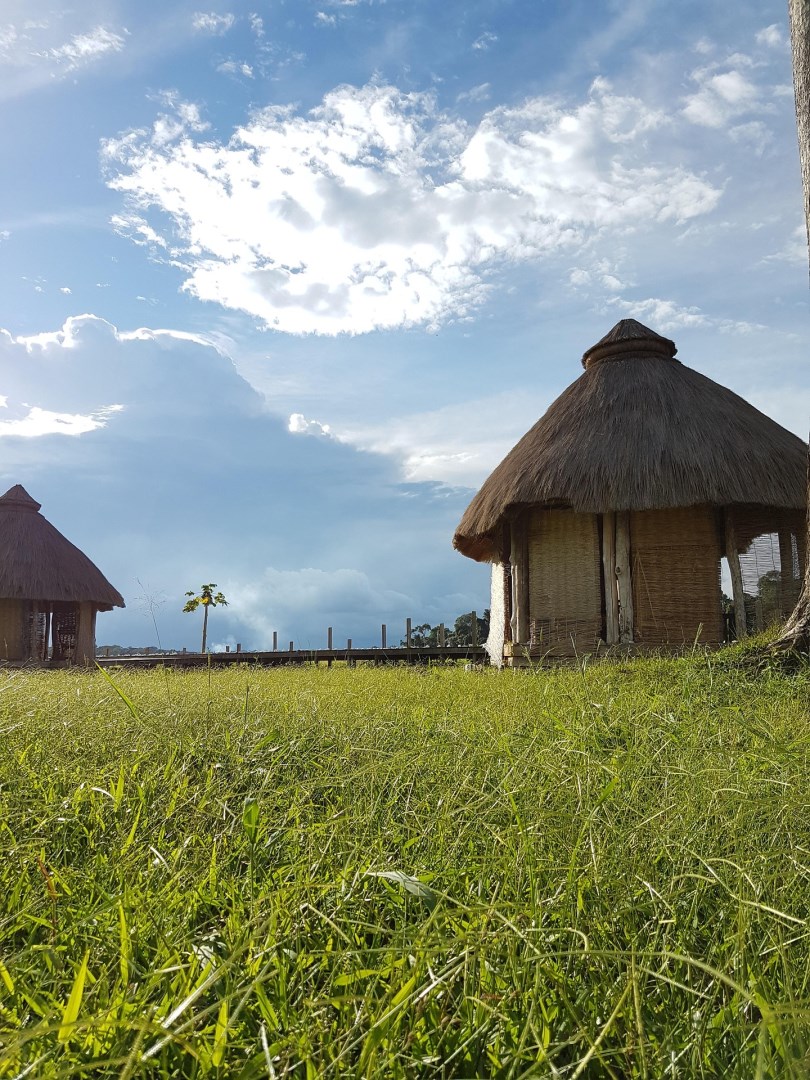
Cameroon
Cameroon is often called “Africa in miniature” for good reason. Within its borders, travelers can explore coastal beaches, dense rainforests, vast savannas, active volcanoes, and snow-capped peaks, all without crossing a border. The country’s most iconic landmark, Mount Cameroon, is the highest mountain in West Africa and an active volcano that draws hikers from around the world.
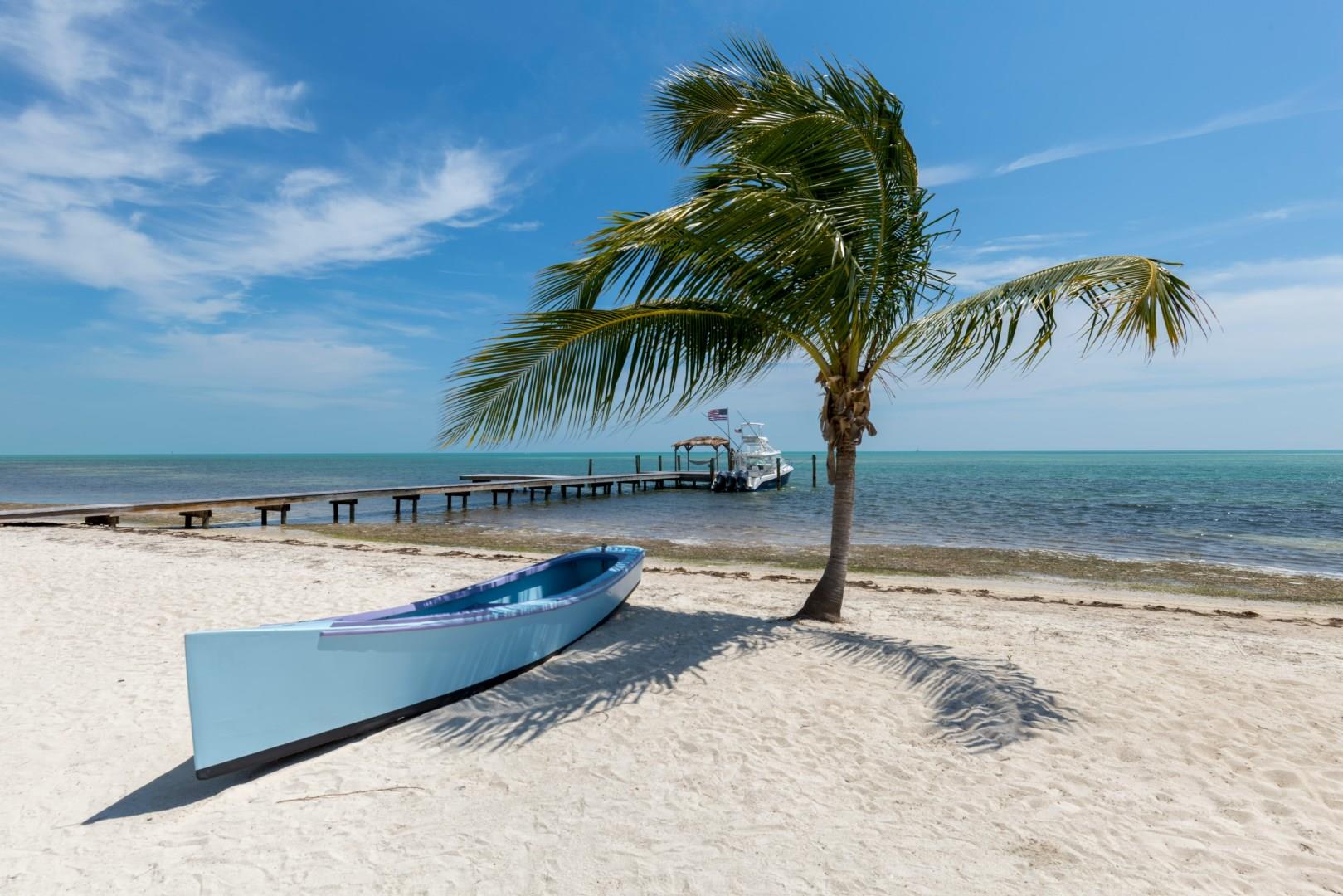
Islamorada
Islamorada, located in the Florida Keys, is a chain of islands often referred to as the “Village of Islands.” Known for its turquoise waters, coral reefs, and vibrant fishing culture, it is a premier destination for anglers, snorkelers, and divers.
