
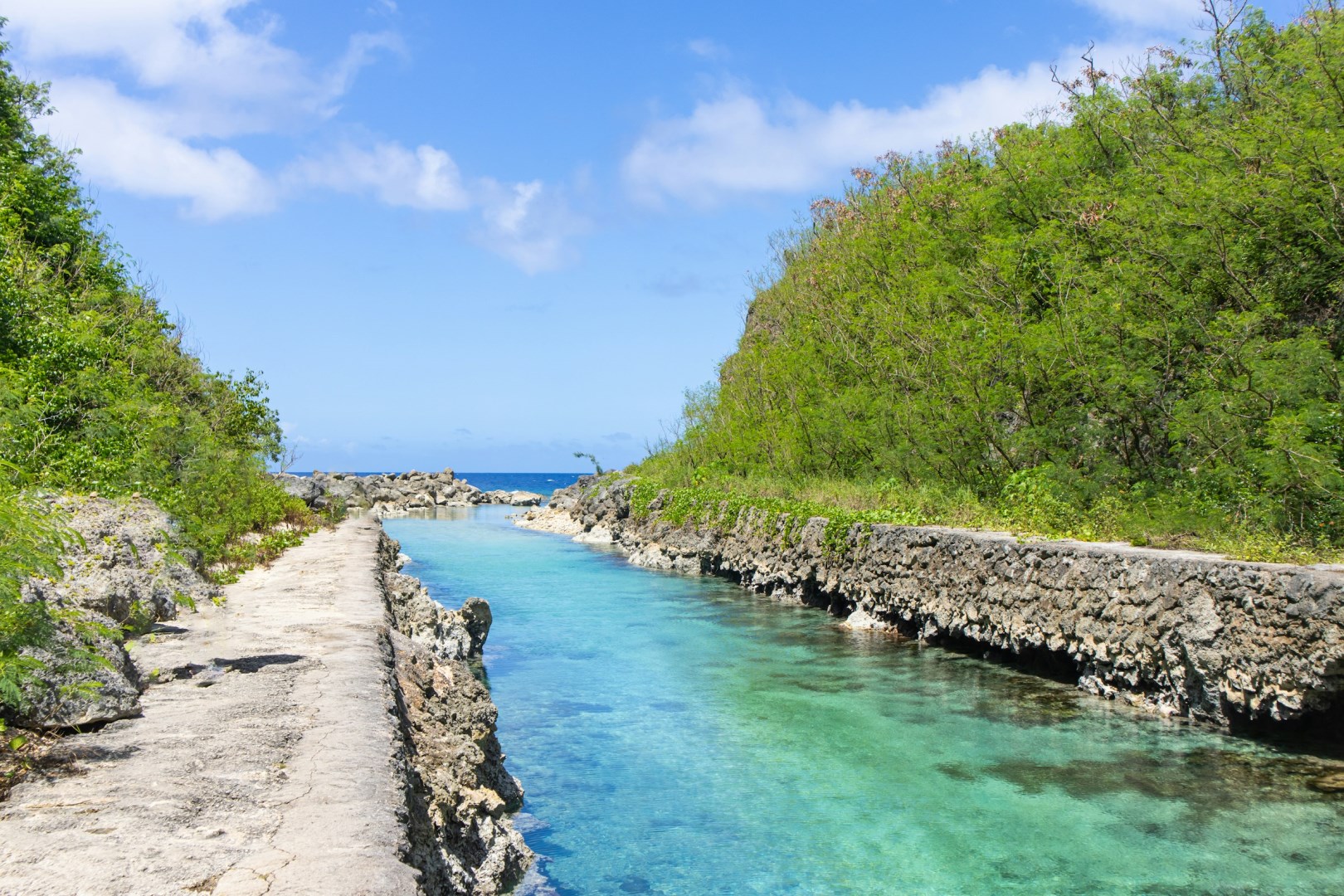
Guam
Guam, a vibrant island territory in the Western Pacific, offers travelers more than just sandy beaches and turquoise water. As the largest island in Micronesia, Guam has a dynamic past that’s shaped its present. Evidence of ancient Chamorro settlements can be found at sites like Latte Stone Park, where limestone pillars dating back over a thousand years stand tall.

Dominica
Dominica, known as the “Nature Island of the Caribbean,” is a haven for eco-tourists and adventure seekers. Nestled between the French islands of Guadeloupe and Martinique, this lush island boasts a remarkable landscape of volcanic mountains, dense rainforests, and stunning waterfalls. Dominica’s most iconic natural wonder is the Boiling Lake, the second-largest hot spring in the world.
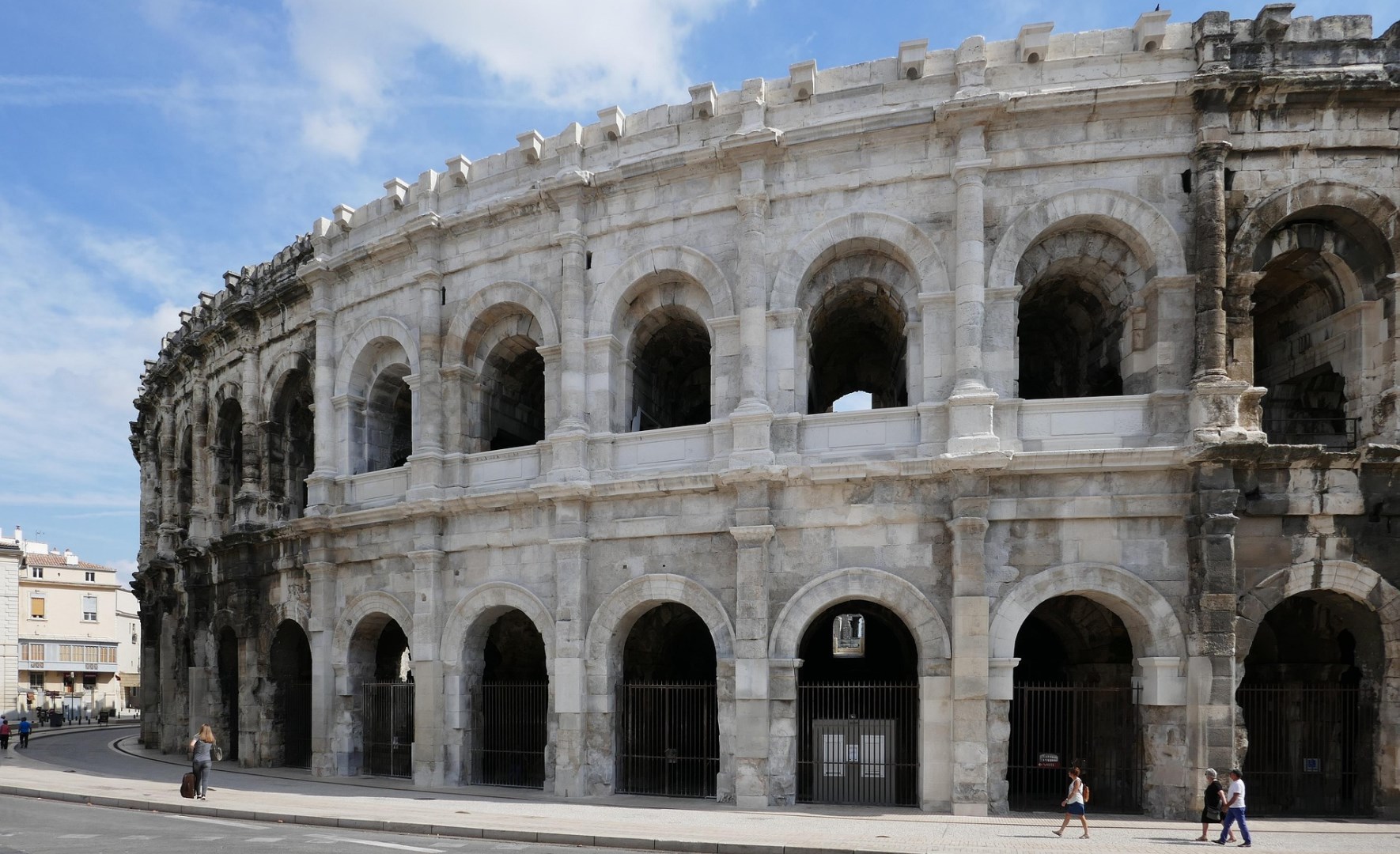
Nîmes
Located among the calcareous plateaus covered with Mideterranean scrub and alluvial deposites from the coastal plains, Nîmes appears as a city with various faces. First and foremost, the city is known as the 'French Roma', because of its famous history and its well conserved antique monuments. Nîmes is also, for many 'aficionados', the 'French Madrid'.
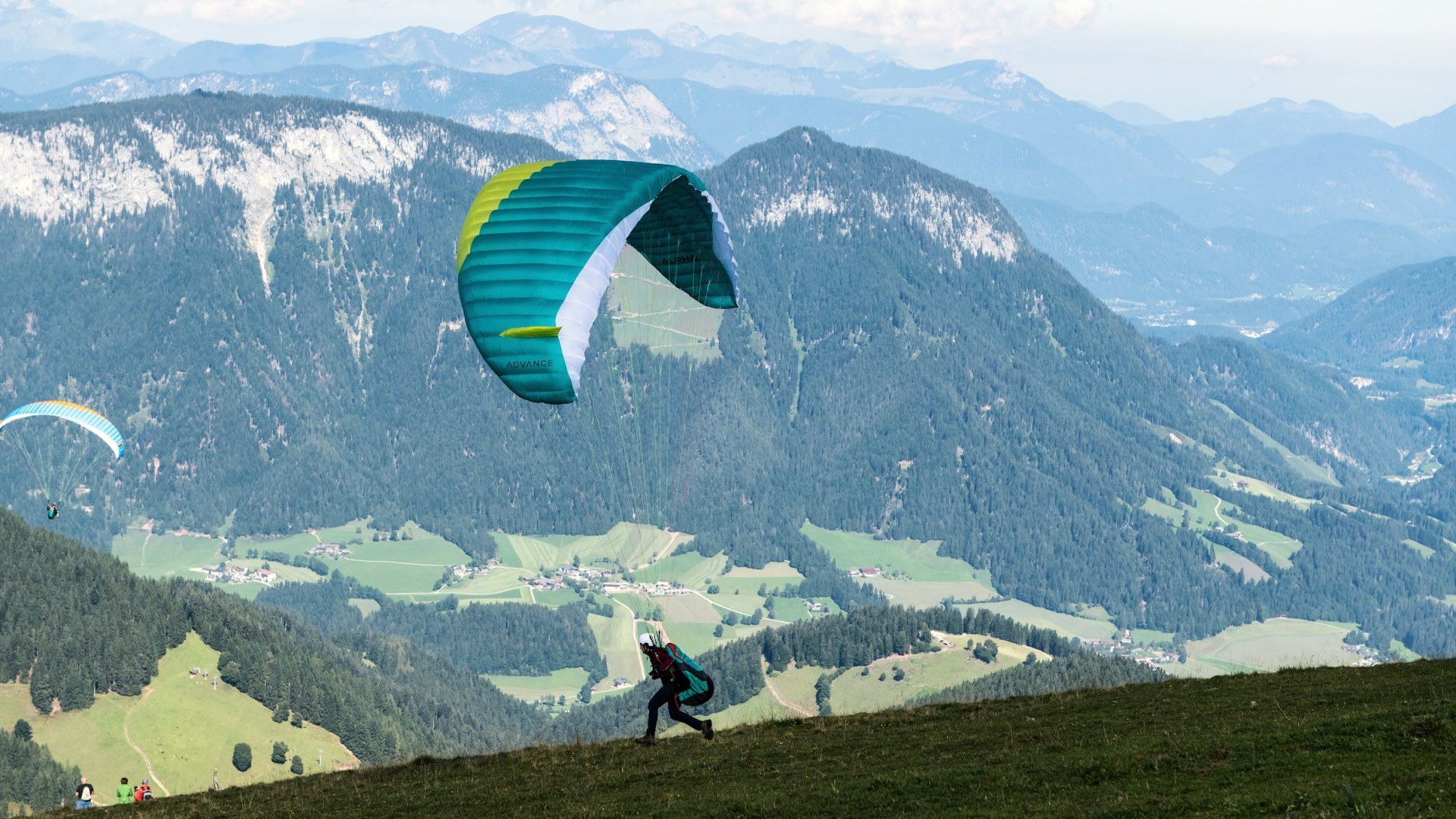
Hopfgarten
Hopfgarten im Brixental is a market town in Tyrol, Austria, located in the Brixental valley beneath the Hohe Salve mountain. The municipality includes a compact historic center surrounded by meadows, wooded slopes, and mountain peaks. Its position within the Kitzbühel Alps makes it a year-round base for outdoor activities, with extensive hiking and cycling routes in warmer months and access to ski areas in winter.
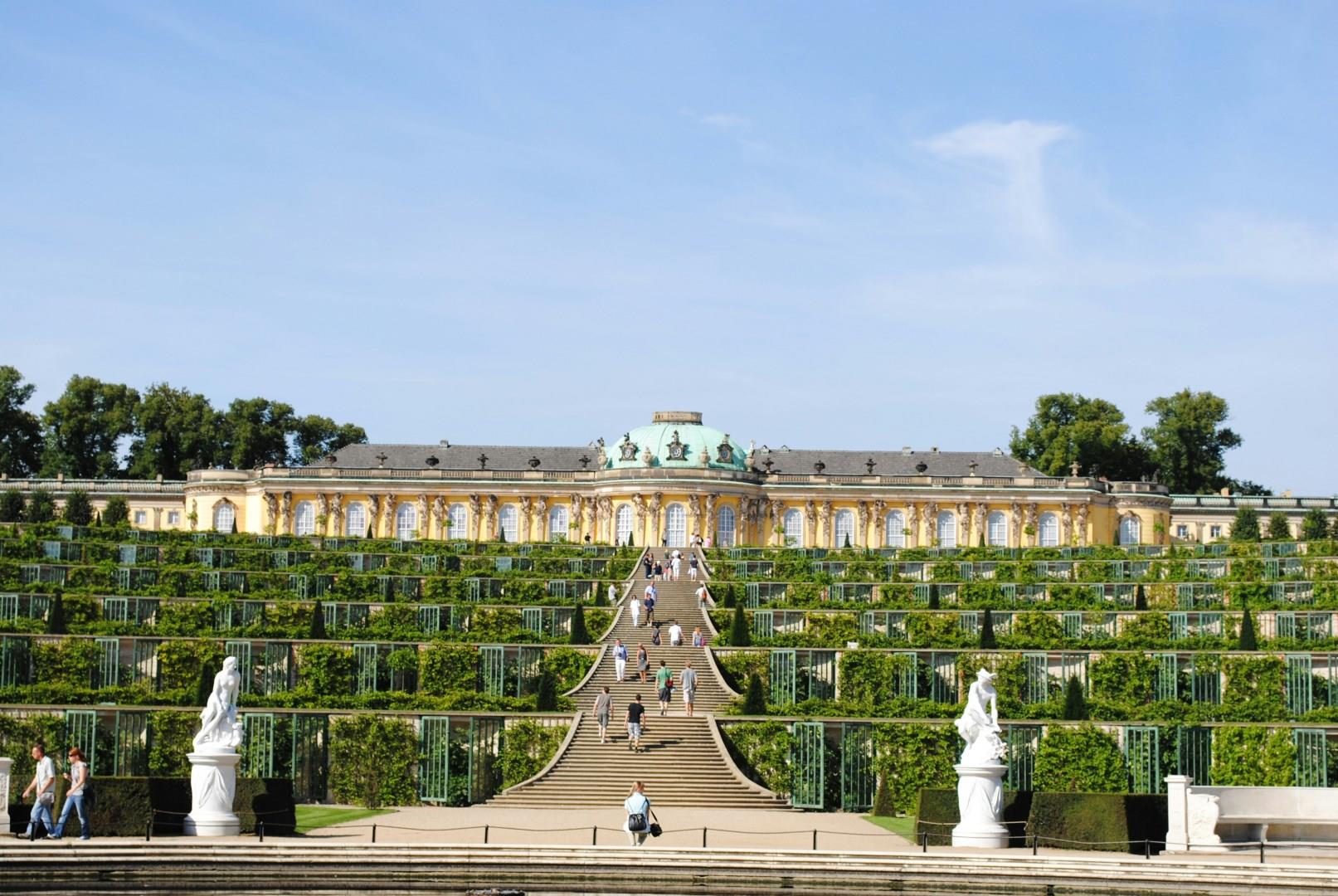
Potsdam
Potsdam, the capital of Germany’s Brandenburg state, lies just southwest of Berlin and is best known for its grand palaces, landscaped gardens, and role as a seat of Prussian royalty.
