
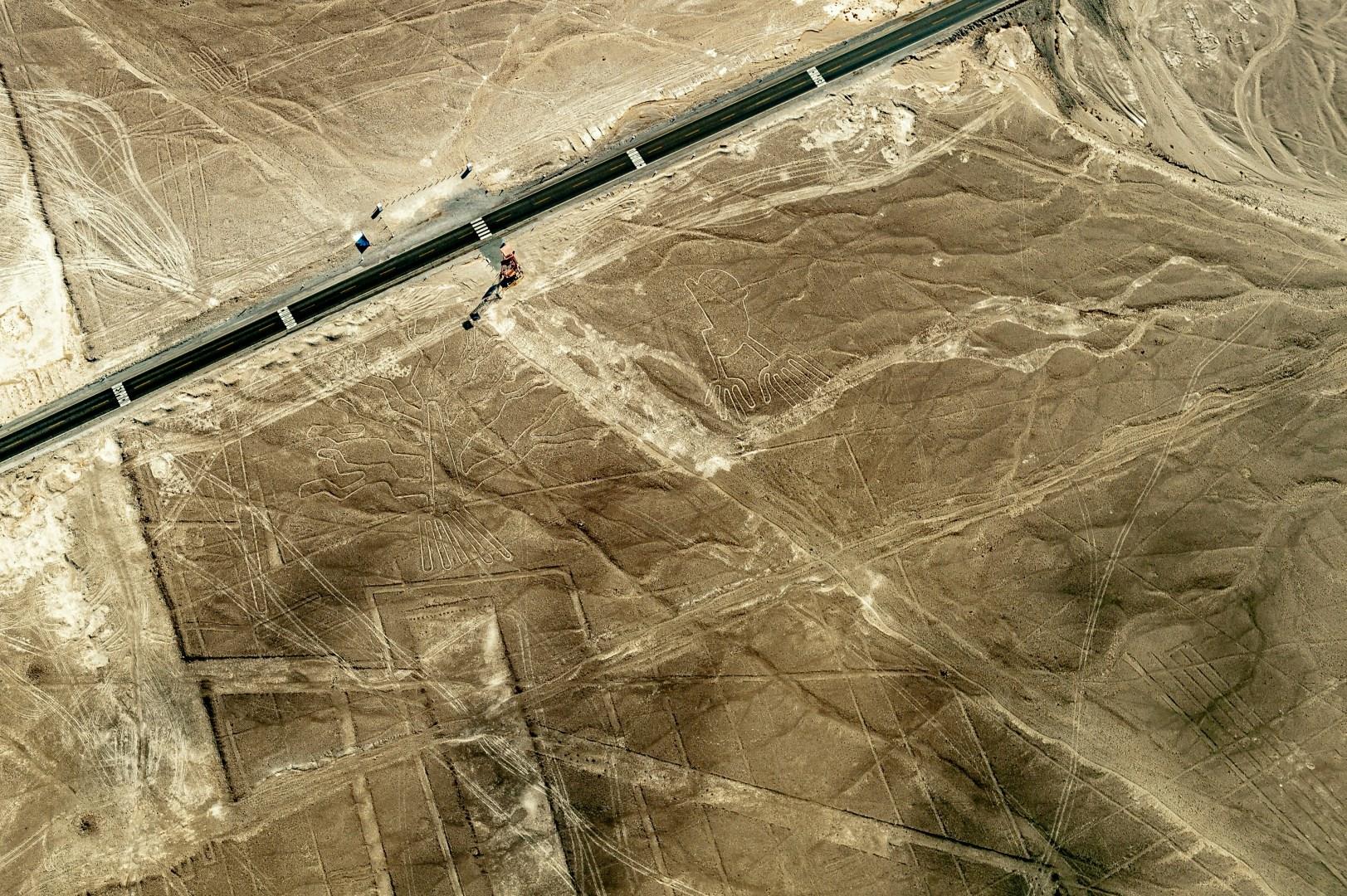
Nazca
In the southern deserts of Peru, Nazca invites visitors to look beyond the horizon. This small city is world-famous for the mysterious Nazca Lines, enormous geoglyphs etched into the desert floor more than 1,500 years ago. From the air, shapes like hummingbirds, monkeys, and even a stylized astronaut come into view, some stretching over 300 meters. Their exact purpose remains a mystery, fueling decades of theories.
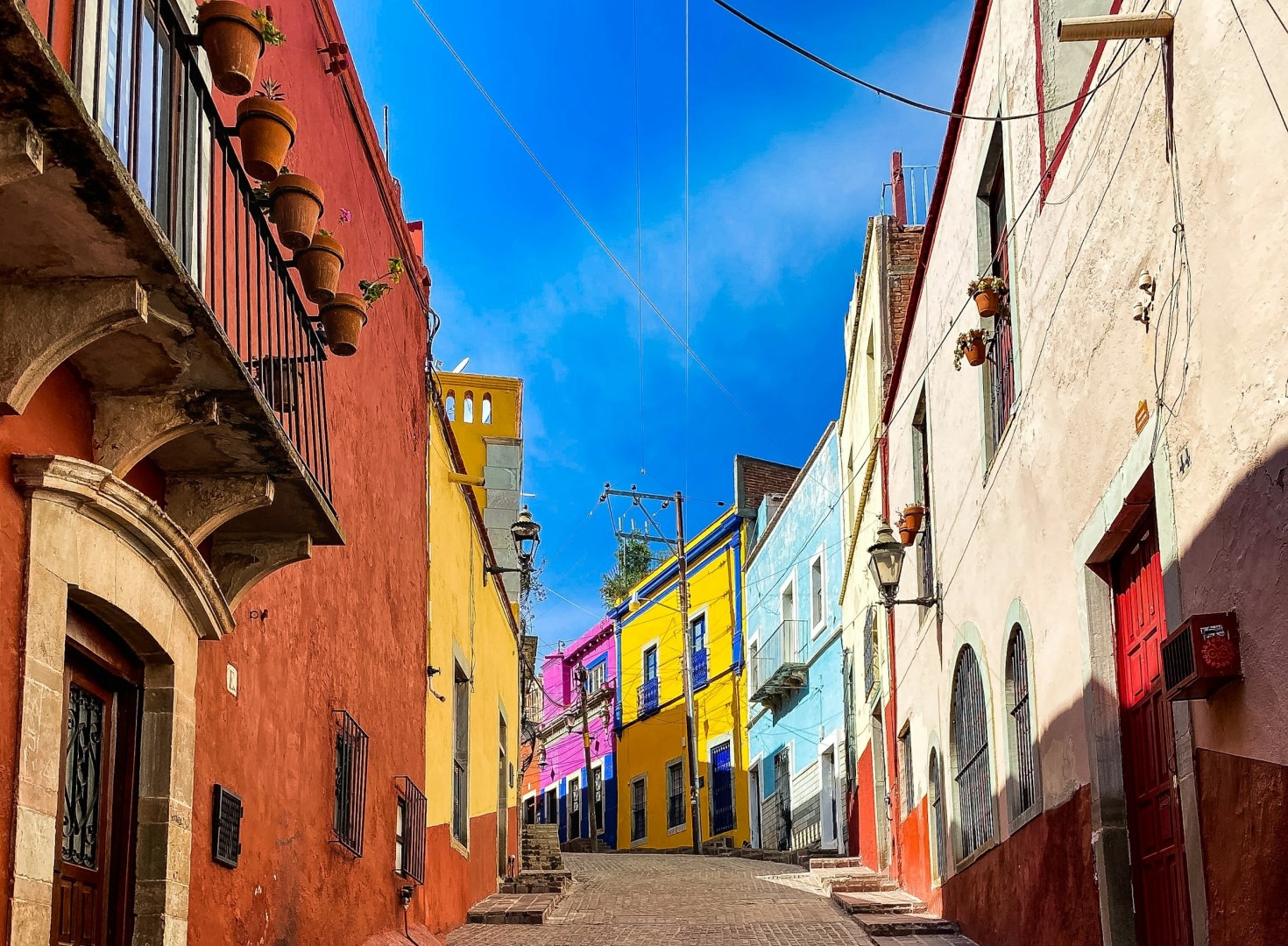
Guanajuato
Guanajuato, a UNESCO World Heritage City nestled in the mountains of central Mexico, is a place where history is built into every hillside alley and underground tunnel. Today, visitors can still tour La Valenciana Mine, where centuries-old tunnels and original mining equipment offer a glimpse into the city's wealth-driven past. The nearby Templo de San Cayetano, built by mine owners in the mid-1700s, is a stunning example of baroque design, lined with gilded altars and intricate woodwork.

Troy
Troy, a place of legends and a place of history. One of the most famous cities of ancient history, the mythological city of Troy dates back to the early Bronze Age. Best known as the famous city of Helen and the horse of Trojans from Homer's Iliad.

Flatts
Flatts is a small historic village on Bermuda’s North Shore, centered around Flatt’s Inlet, a narrow waterway connecting Harrington Sound with the Atlantic Ocean. The village is known for its colourful houses, waterfront setting, small docks, and views across the sheltered inlet. Its compact layout gives it a distinctly maritime character, with boats moving through the channel and restaurants and shops gathered close to the water.
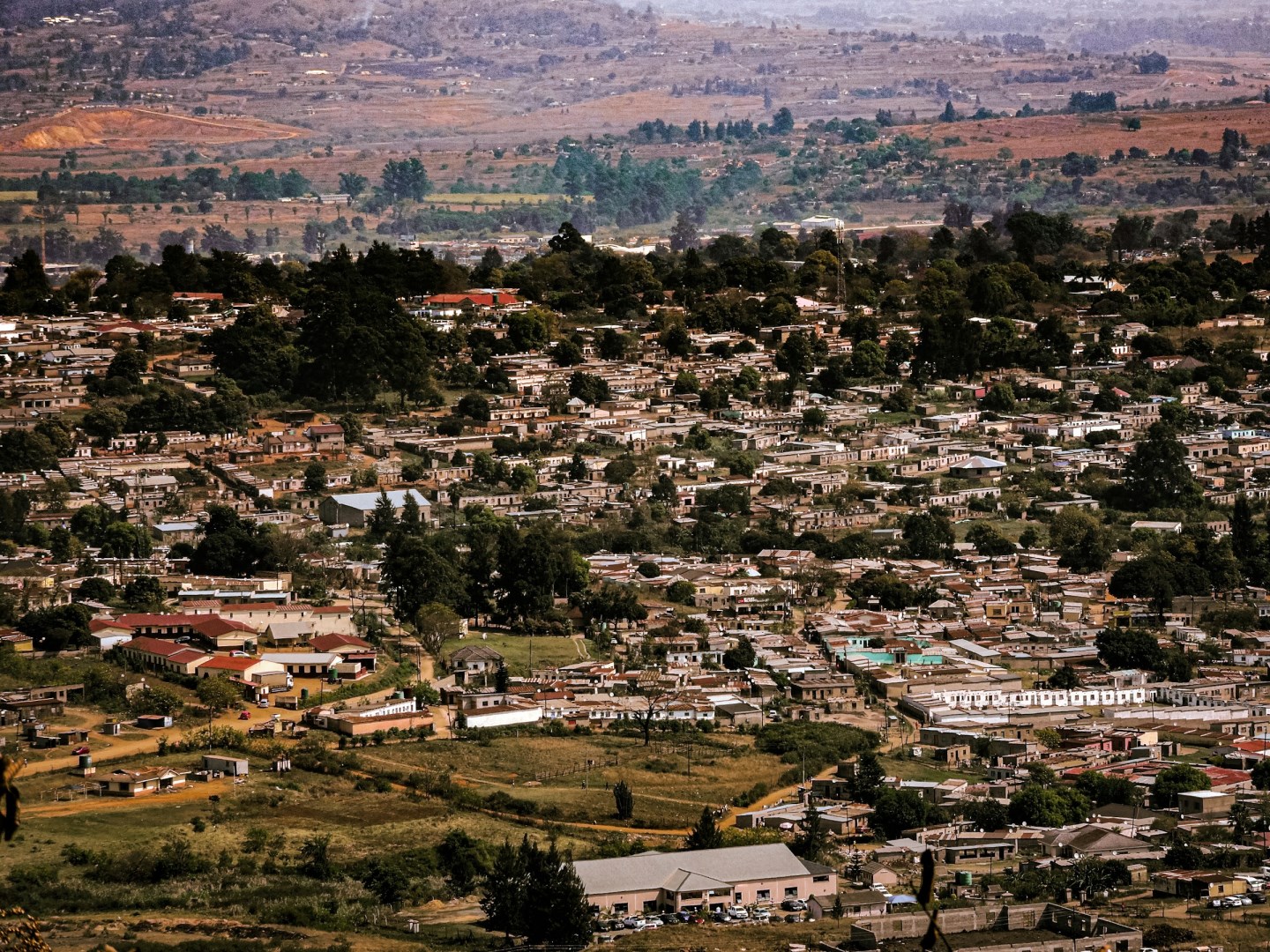
Manzini
Manzini is Eswatini’s largest city and a major commercial centre in the country’s central region. It lies in the Middleveld, where rolling hills, grasslands, cultivated fields, and wooded areas surround a busy urban centre. The city is an important transport and trading hub, connecting communities across Eswatini and providing access to nearby towns and attractions.
