
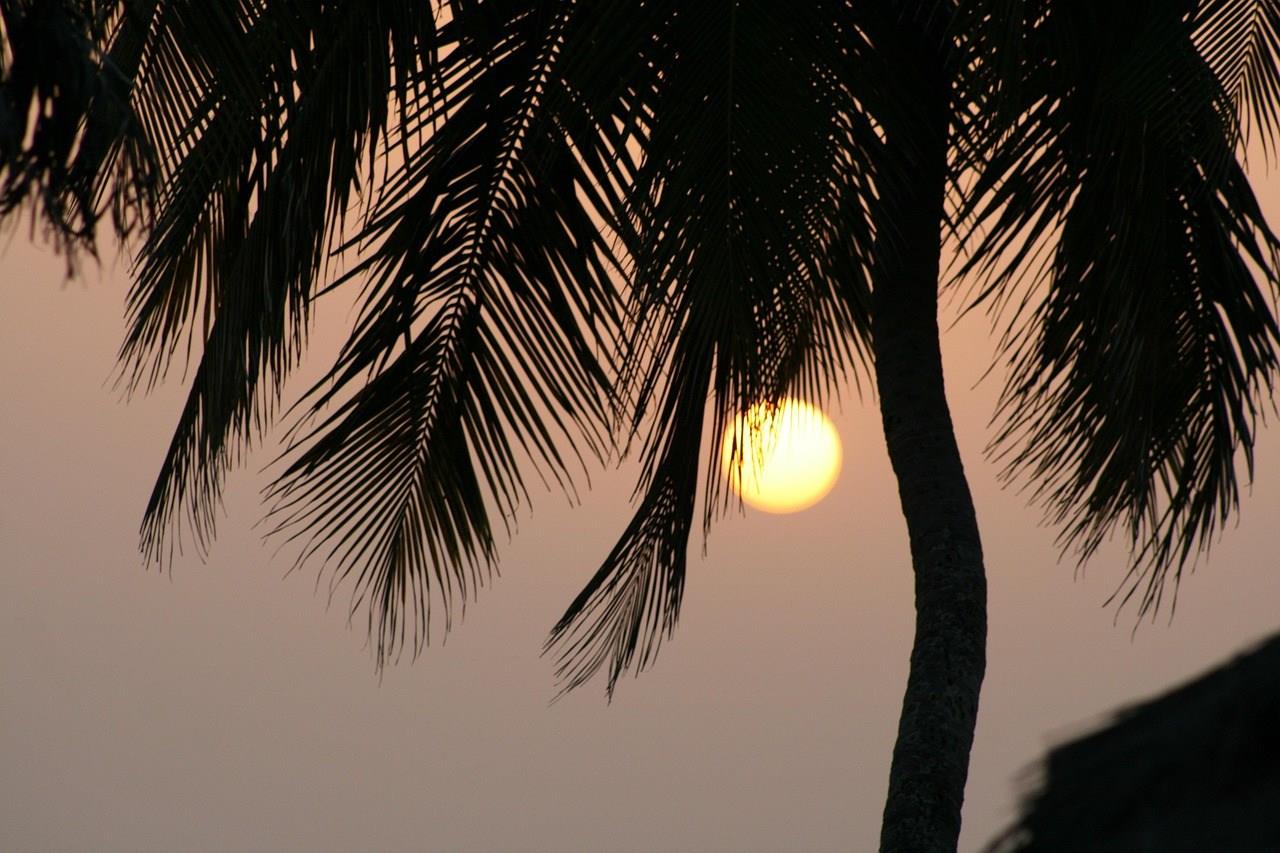
Guinea
Guinea, located on the west coast of Africa, offers a rich blend of landscapes, cultures, and traditions that remain largely untouched by mass tourism. Its Atlantic shoreline is dotted with fishing villages and sandy beaches, while inland, rolling highlands and dense rainforests give way to sweeping savannas.

Riomaggiore
Riomaggiore, a charming village in Italy's famed Cinque Terre, is a gem of the Ligurian coast. With its colorful houses cascading down steep cliffs towards the azure Mediterranean, this picturesque town offers a postcard-perfect escape. Founded in the 13th century, Riomaggiore is rich in history, with medieval churches like the Church of San Giovanni Battista, built in 1340, reflecting its ancient past.
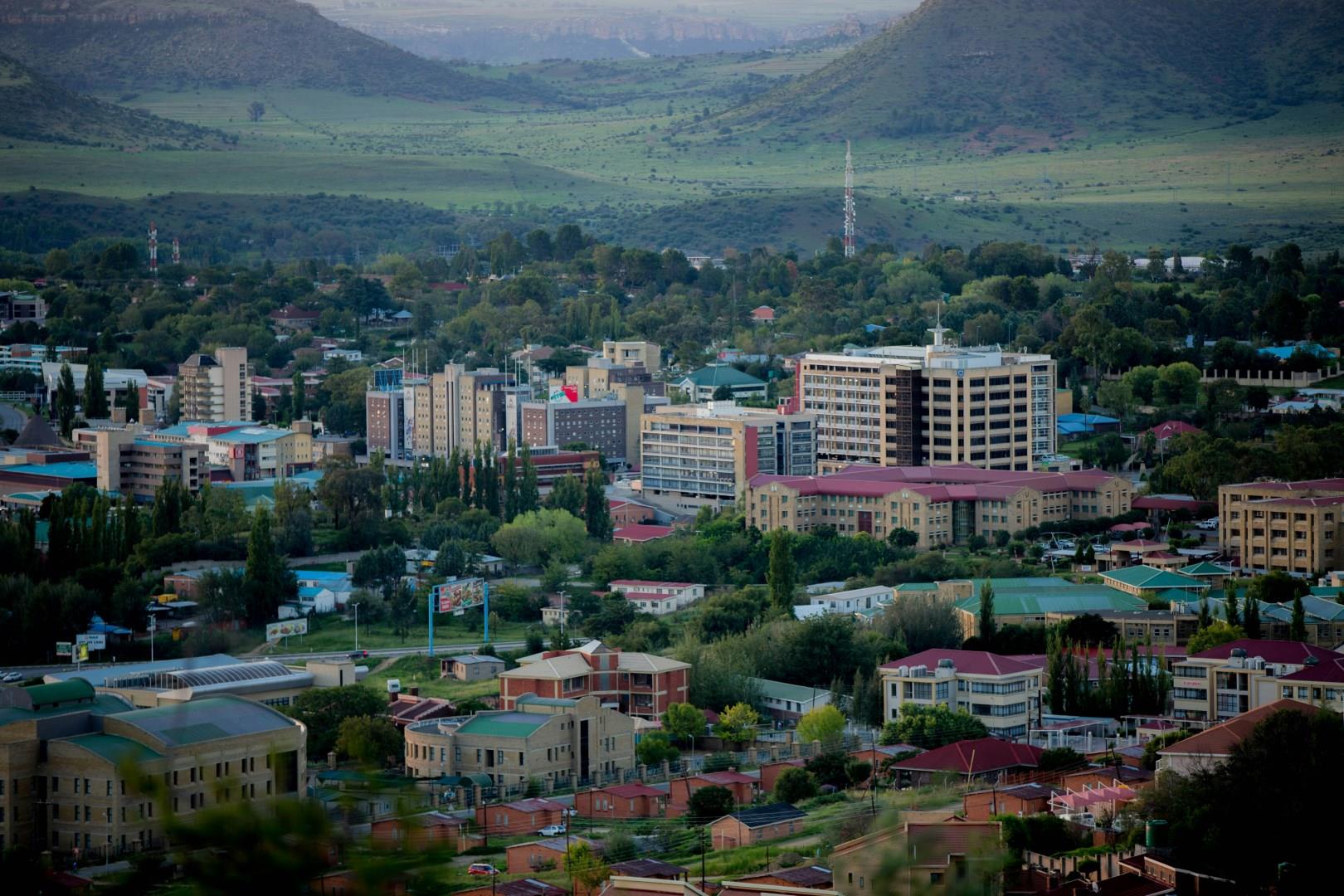
Maseru
Maseru, the capital of Lesotho, sits along the banks of the Caledon River near the border with South Africa. As the political and economic center of the country, it offers a mix of modern amenities, government offices, and bustling markets.
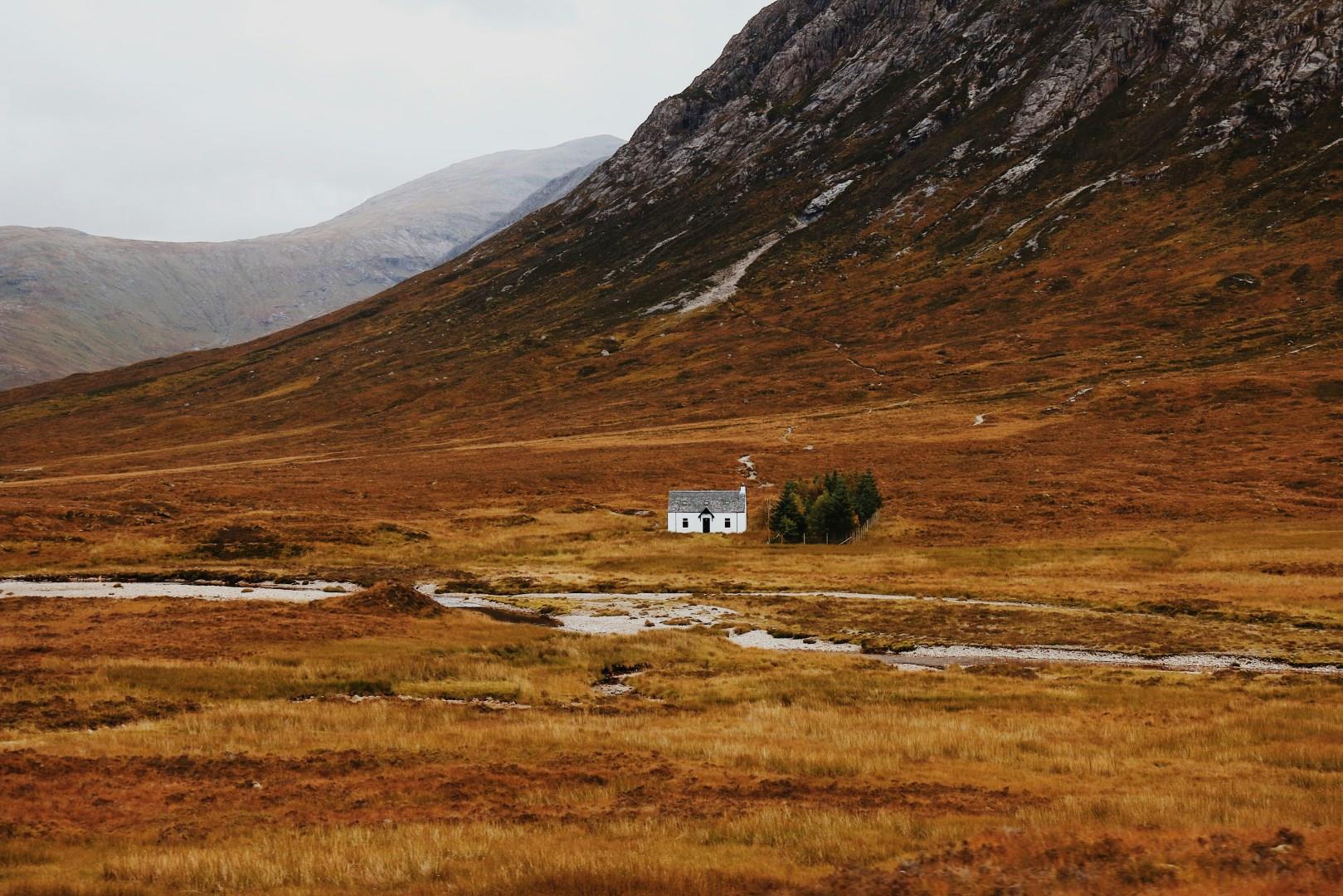
Glencoe
Glencoe lies in the western Highlands of Scotland, where a long, steep-sided valley cuts through mountains shaped by ancient volcanic activity and glaciation.
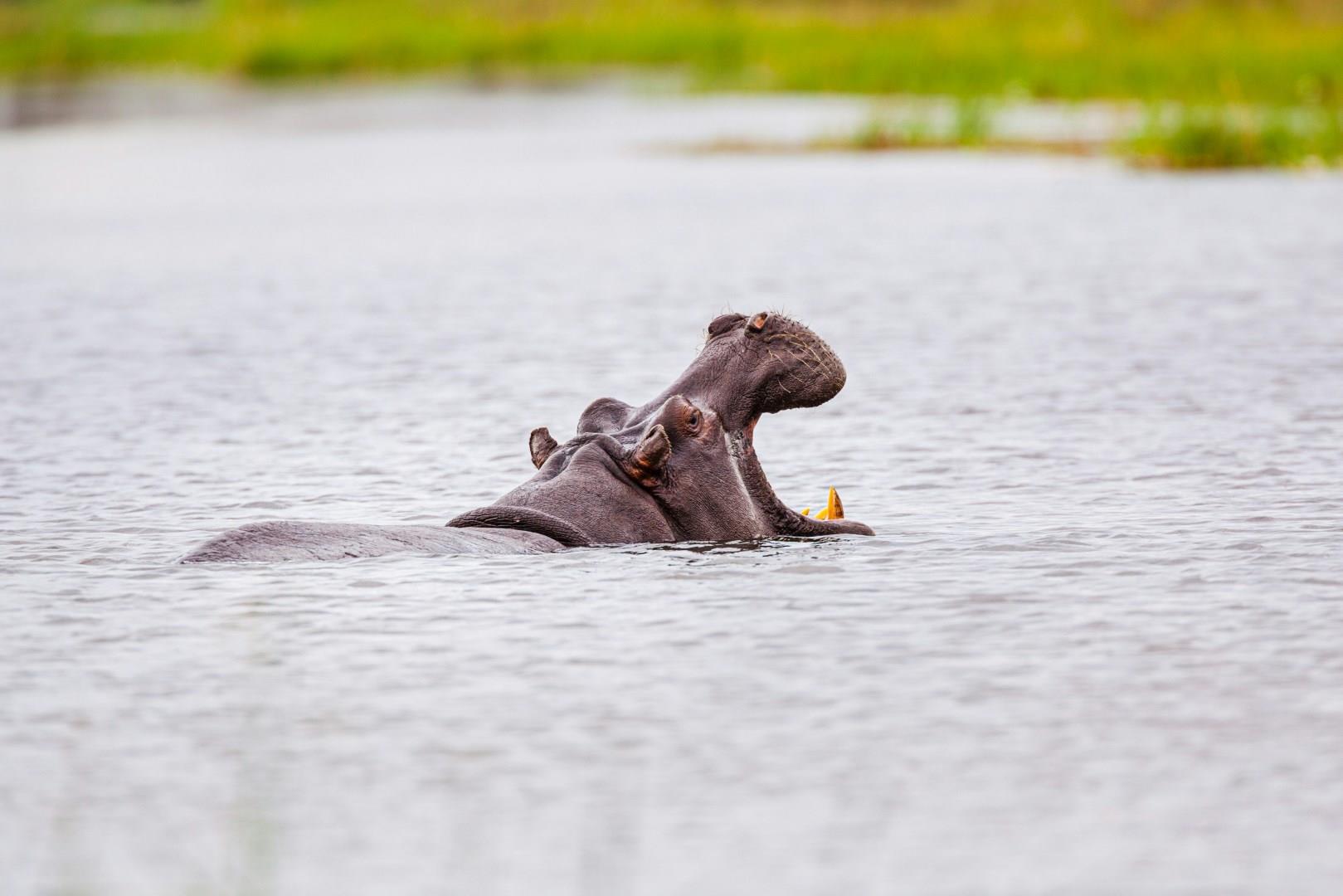
Moremi Wildlife Reserve
Moremi Wildlife Reserve, nestled in the heart of Botswana’s Okavango Delta, is a premier destination for those seeking an extraordinary safari experience. This pristine reserve, established in 1963, offers a rich tapestry of landscapes including lush floodplains, verdant woodlands, and expansive lagoons. Its diverse ecosystems make it one of Africa's most sought-after wildlife viewing locations.
