
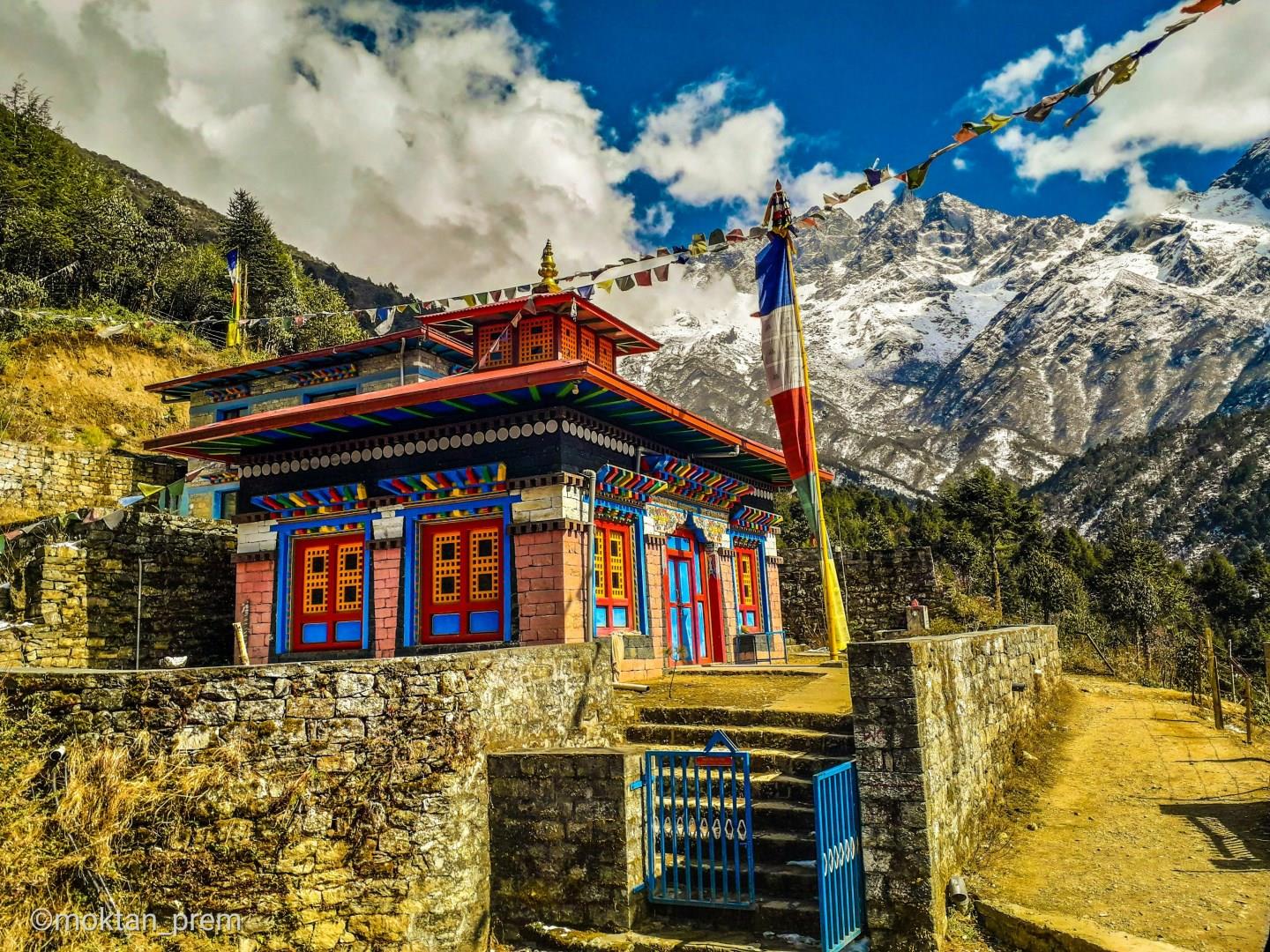
Lukla
Lukla, a mountain town perched at 2,860 meters in eastern Nepal, is best known as the gateway to the Everest region. The town is home to Tenzing-Hillary Airport, one of the world’s most thrilling landing strips, named after the legendary climbers who first reached Everest’s summit in 1953. The short, sloped runway hugs the mountain, offering a once-in-a-lifetime arrival that travelers remember long after their journey ends.
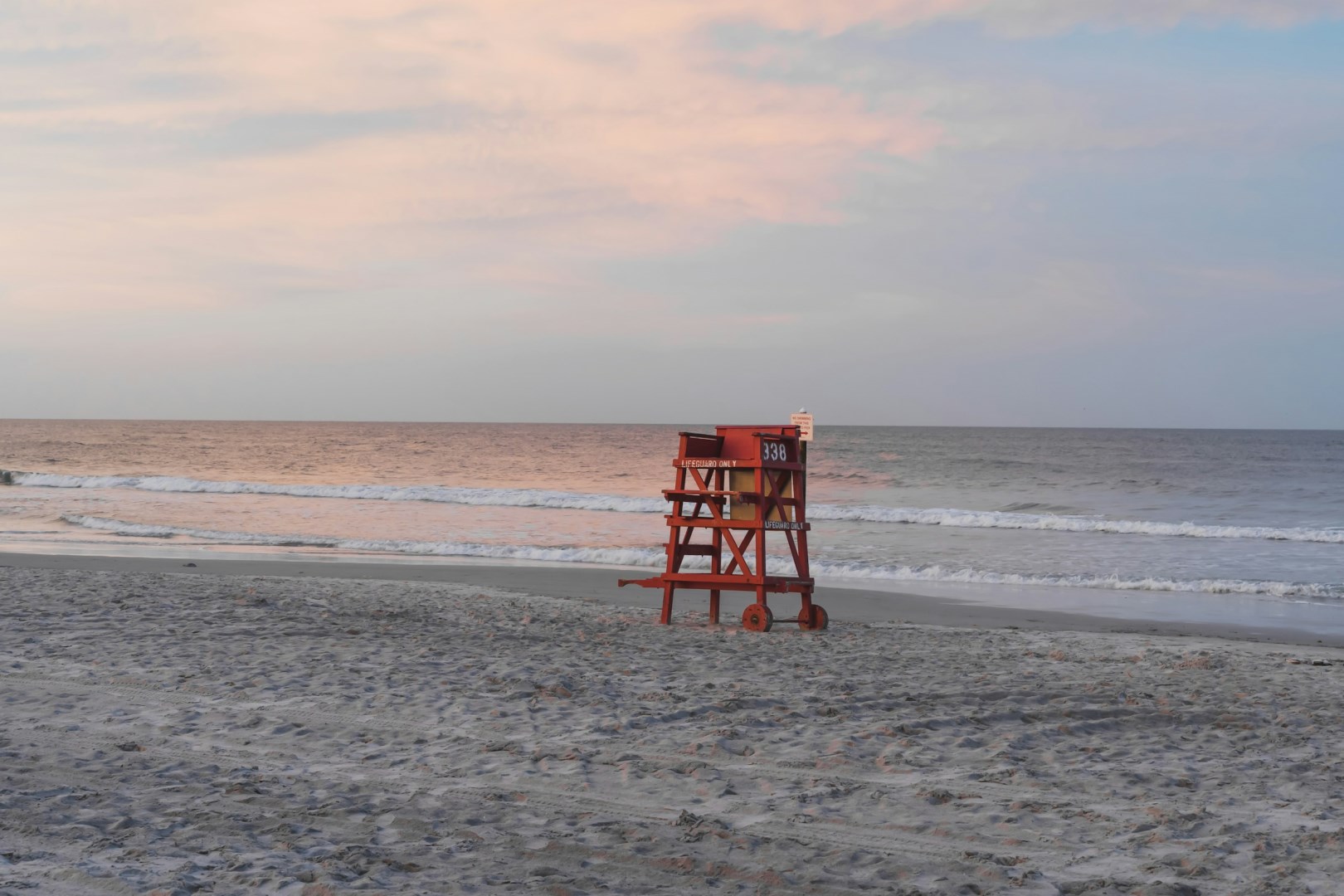
Daytona Beach
Located on the northern coast of the state of Florida in the United States, Daytona Beach is a popular winter sun destination and the site of the famous Daytona 500 car race.

Palm Springs
Palm Springs, California, is an oasis in the Sonoran Desert that has long been a playground for Hollywood stars, artists, and sun-seekers alike. This charming desert city is renowned for its mid-century modern architecture, luxury resorts, and a year-round climate that invites outdoor activities. Visitors can explore the Uptown Design District, a treasure trove of vintage shops, art galleries, and boutique stores that celebrate Palm Springs' rich cultural heritage.

Basel
Basel is the global center of the pharmaceutical industry, but most travelers visit for the world-famous ART Basel festival, as well as the numerous art galleries, iconic architecture and museums.
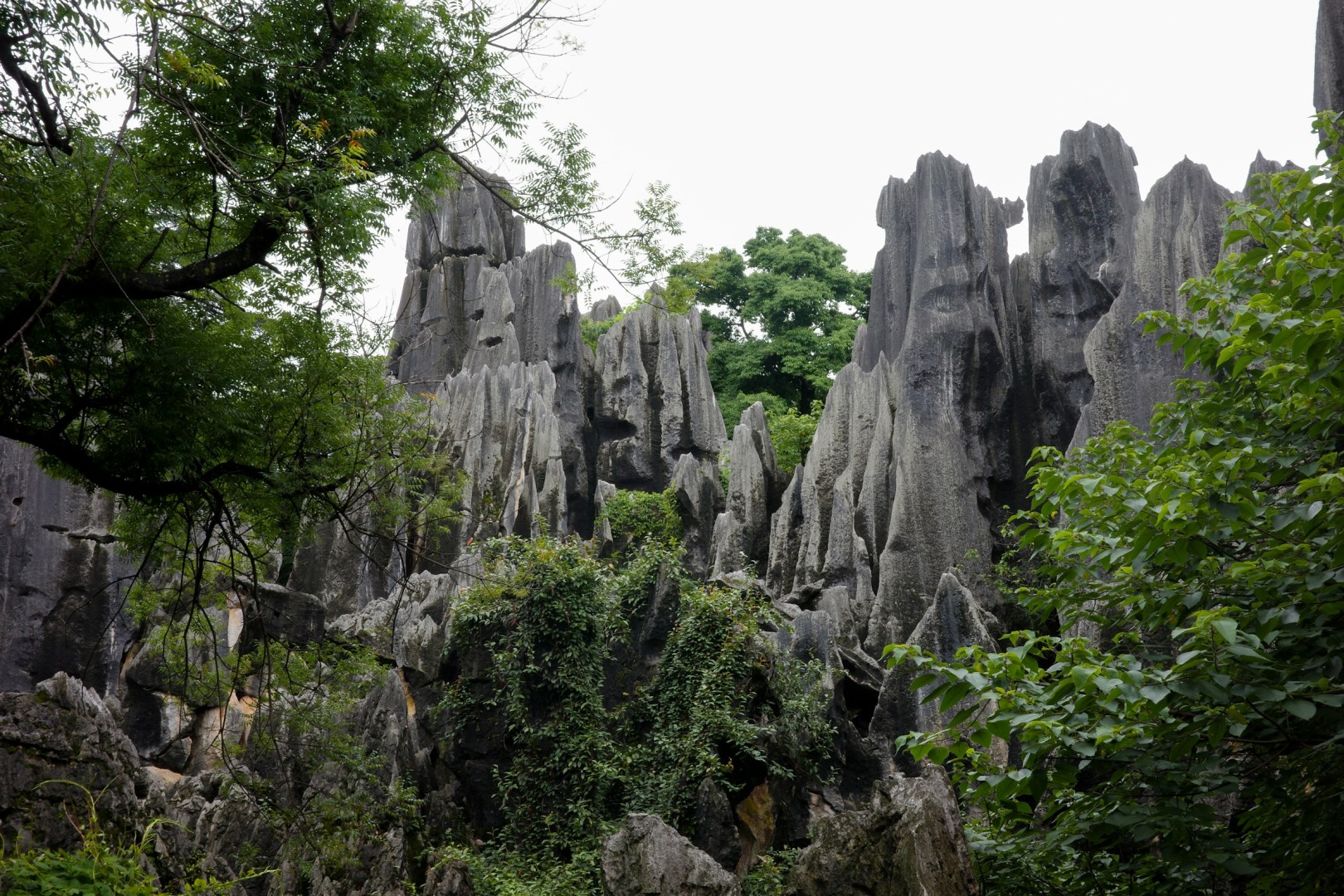
Kunming
Kunming, the capital of China’s Yunnan Province, is often called the “City of Eternal Spring” for its mild climate and blooming flowers year-round. Perched on a plateau more than 6,000 feet above sea level, Kunming has long served as a crossroads of cultures and trade routes connecting China to Southeast Asia.
