
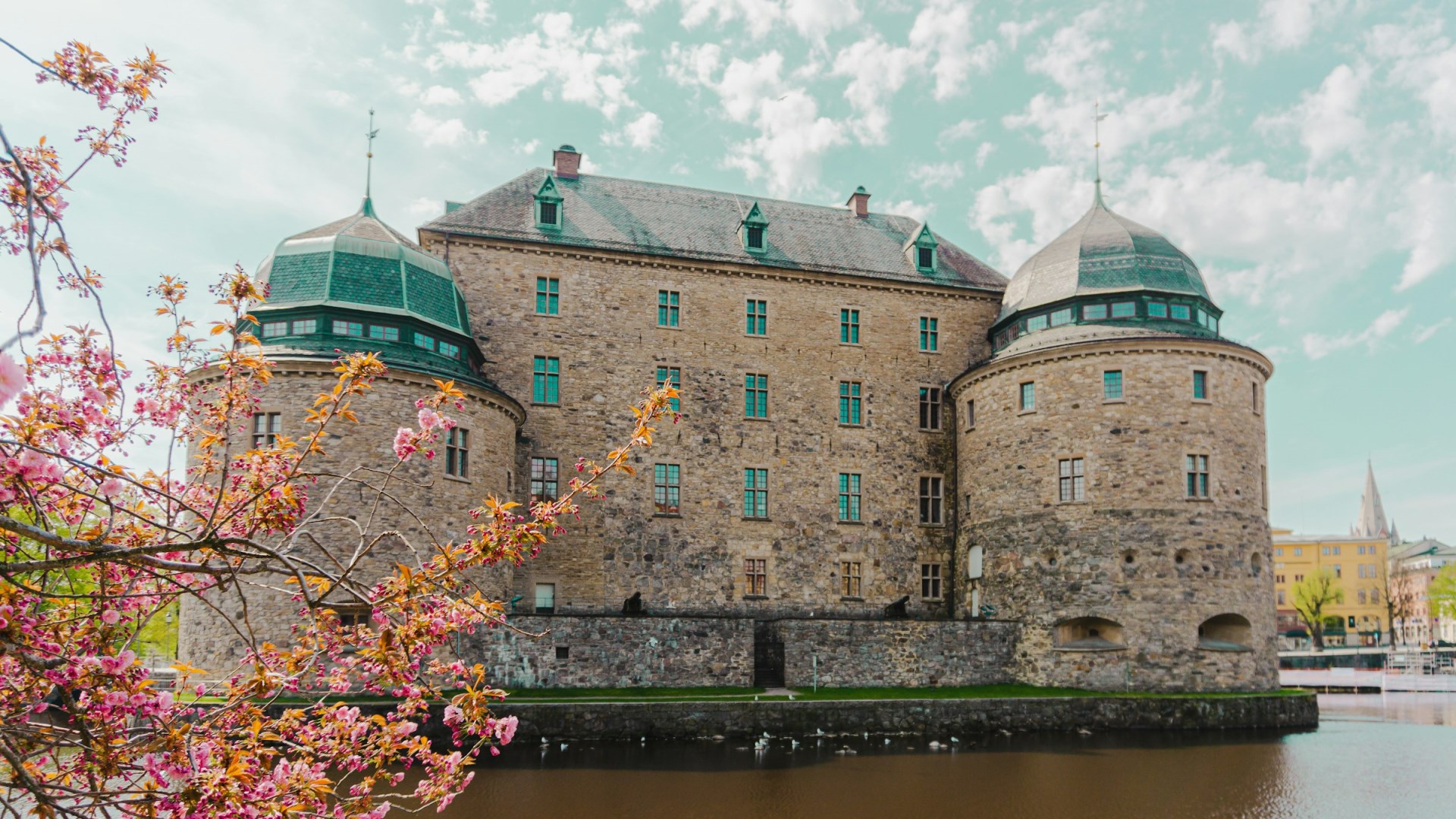
Örebro
Örebro today is the eighth largest city in Sweden, with about 119,000 inhabitants. The city is no longer dominated by any particular industry or trade, and now has a many-facetted economy. Industry is directed towards metal goods, machines, foods and graphic products. The former shoe town has become a prominent center for education.
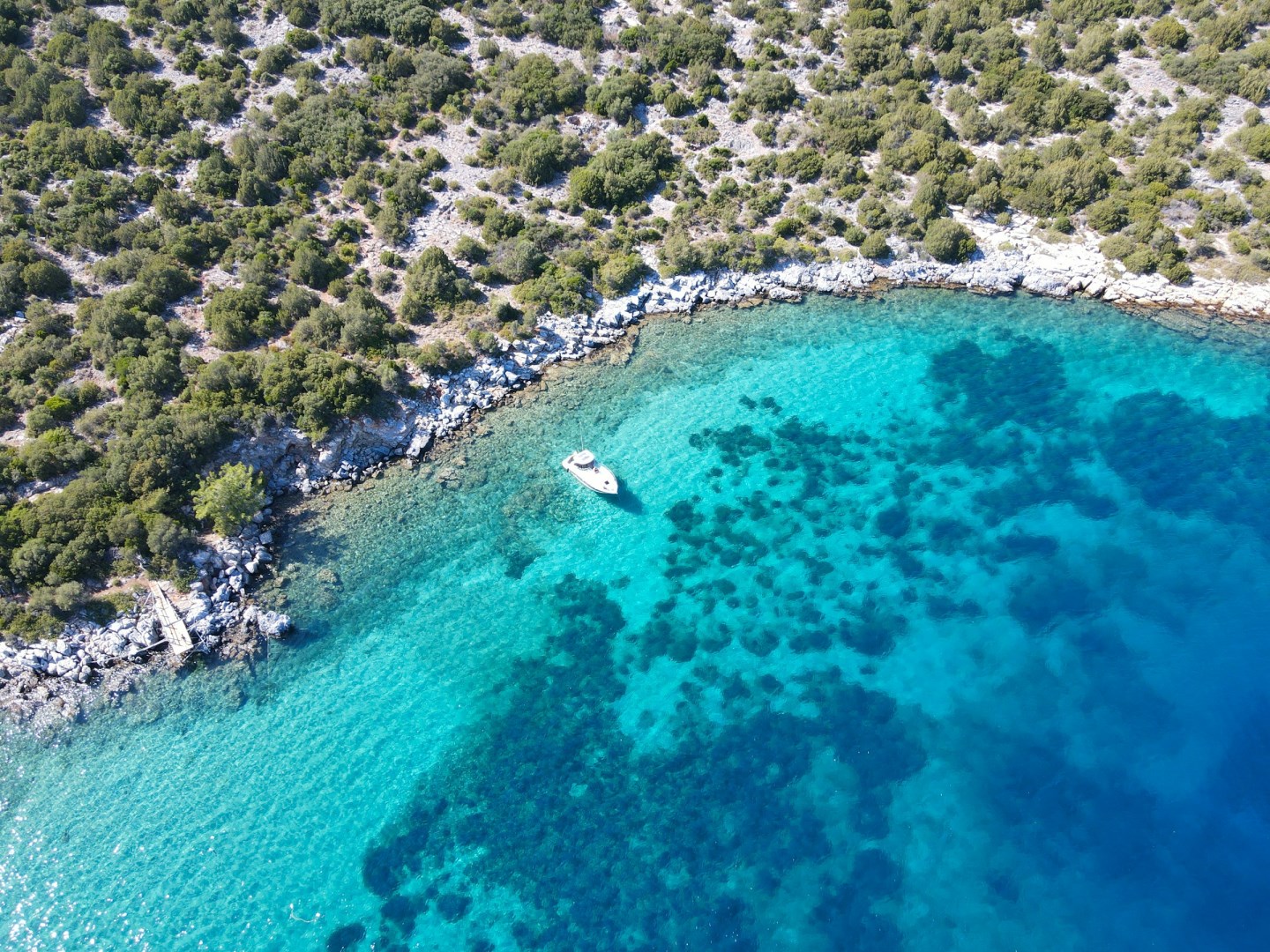
Samos
This hilly Aegean island, legendary birthplace of the goddess Hera, rests along a narrow strait across from the Turkish coast. Stroll through the streets of Old Town, lined with Turkish-style houses. Visit the Archarological Museum, housing artifacts from the Hearion, and be sure to view the lighted harbor at night. Also explore the 6th century AD Eupalina Tunnel, an enormous aqueduct built through the mountains to supply the city with water.

Donegal
Donegal, a picturesque town nestled in the northwest of Ireland, offers a perfect blend of rich history, rugged landscapes, and a warm Irish welcome. Known for its dramatic coastline along the Wild Atlantic Way, Donegal is a haven for nature lovers, history buffs, and those seeking an authentic slice of Irish life. The town's centerpiece, Donegal Castle, built by the O'Donnell clan in the 15th century, provides a fascinating glimpse into the region's Gaelic heritage.

Tamarindo Beach
Tamarindo Beach is a Pacific coastal destination in Guanacaste Province on Costa Rica's northwestern coast. The beach stretches along a broad bay bordered by tropical vegetation, estuaries, and low coastal hills. Tamarindo is part of the Las Baulas Marine National Park area, which protects important coastal and marine habitats nearby.

Cádiz
With its captivating blend of ancient history, sun-drenched beaches, and vibrant Andalusian culture, Cádiz, Spain, stands as one of Europe’s oldest continually inhabited cities. Founded over 3,000 years ago by the Phoenicians, this coastal gem in southern Spain offers a rich tapestry of historical sites and modern charms. The old city of Cádiz is a labyrinth of narrow cobblestone streets, whitewashed houses, and hidden plazas that evoke the city’s Moorish past.
