
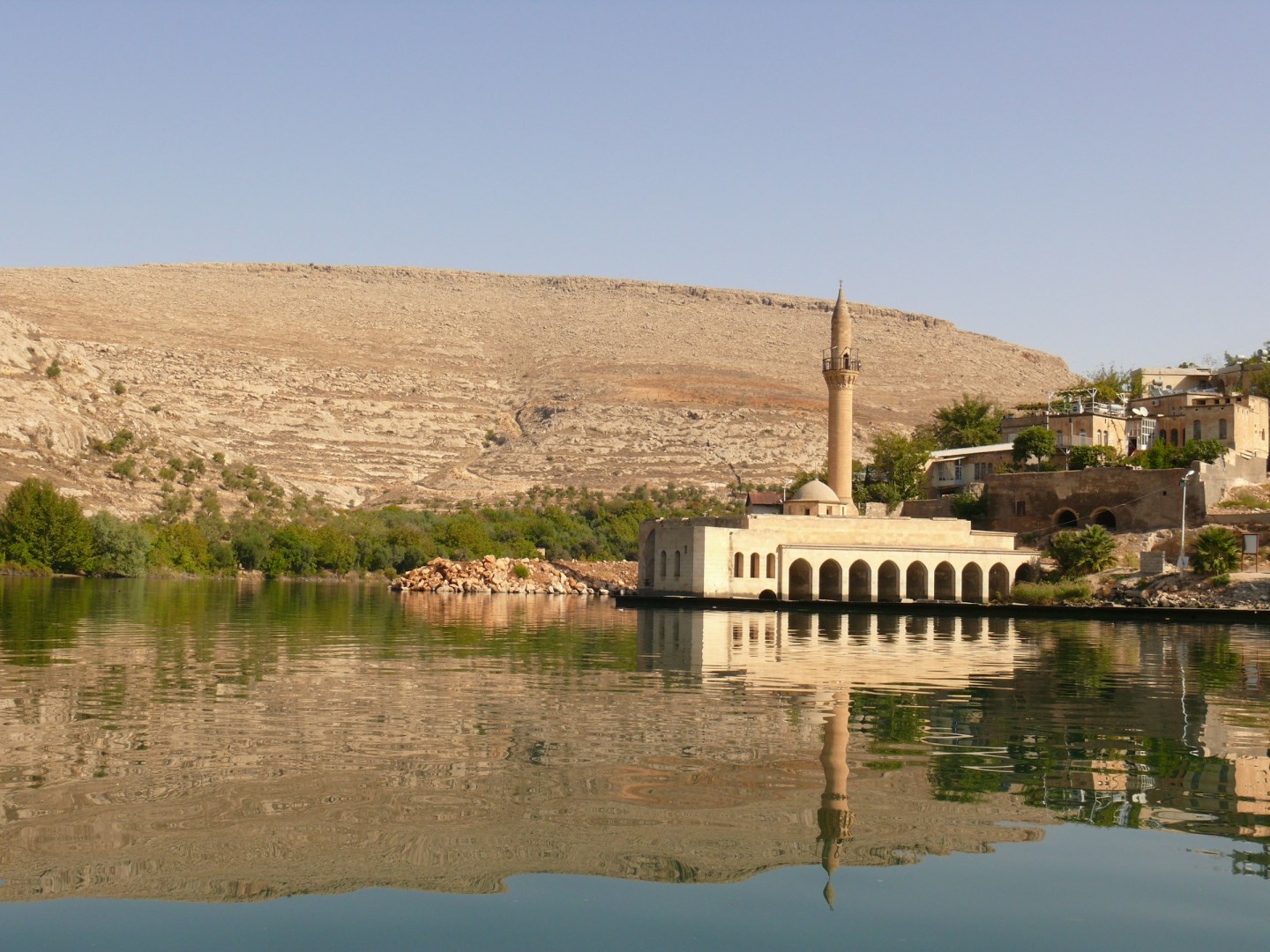
Urfa
Urfa proudly exhibits the legacy of all civilizations that have prospered in this region. In the second millenium B.C., it was a city of a Hurrite state. Tradition relates that Abraham was born in a cave near the area where the Mevlid Mosque now stands.
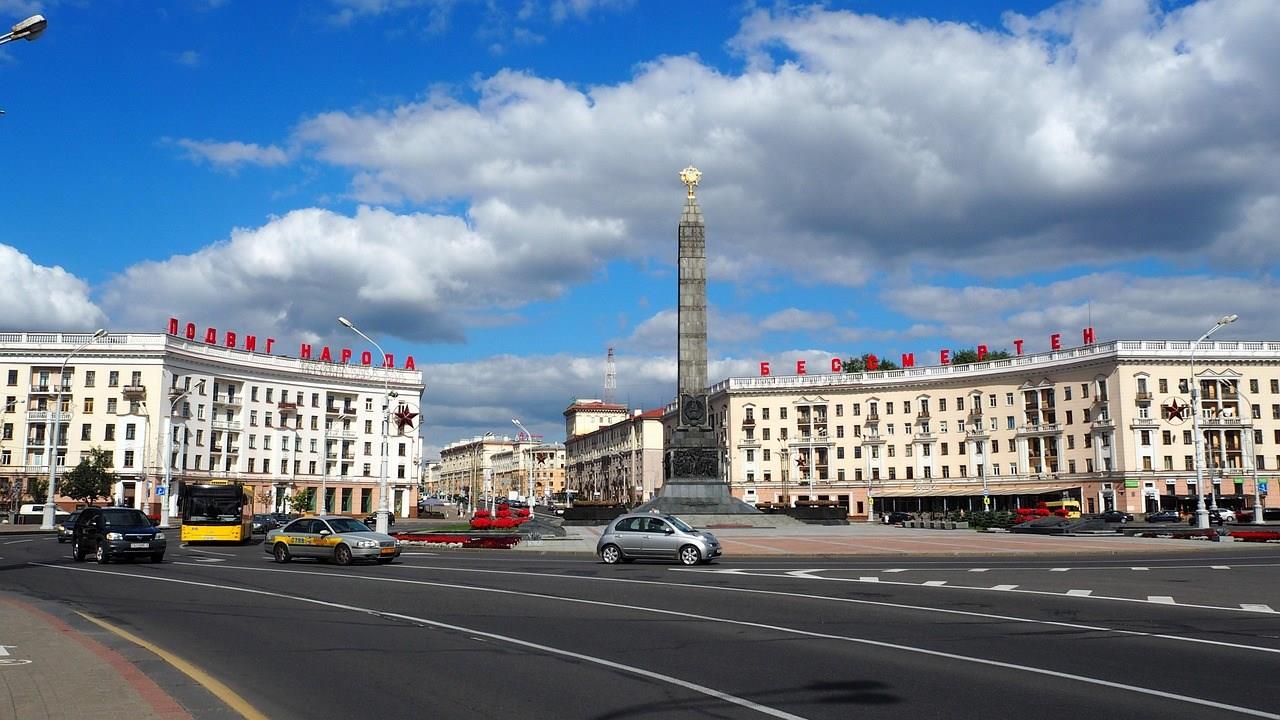
Minsk
Minsk, the capital of Belarus, is a city rich in history, culture, and architectural beauty. As one of the oldest cities in Europe, it has a unique charm that blends Soviet-era monumentalism with modern urban development.
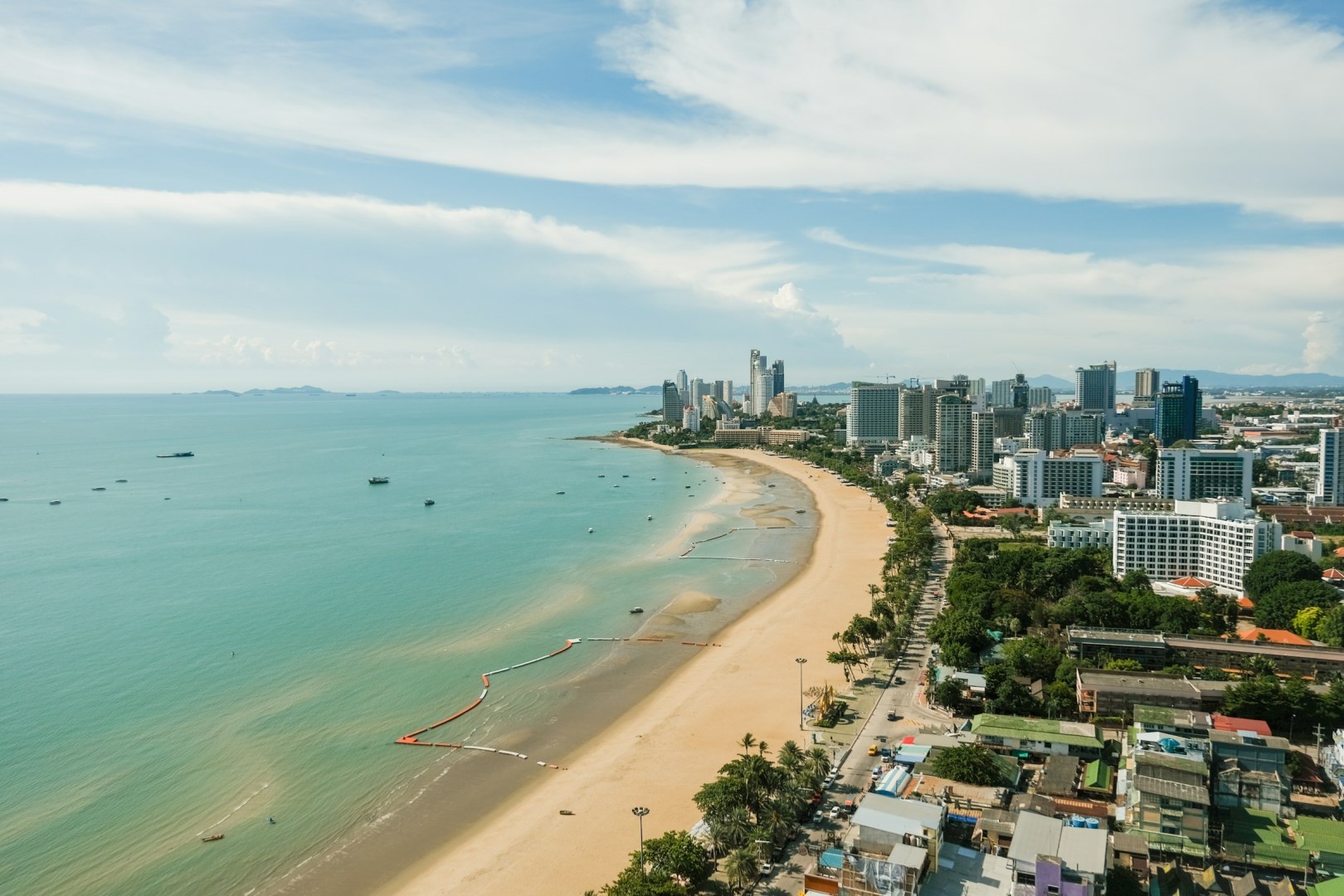
Pattaya
Pattaya is a coastal city in Chon Buri Province on Thailand's eastern Gulf coast, within easy reach of Bangkok. It developed from a small fishing community into a major seaside urban center, and today its landscape includes beaches, a busy waterfront, hotels, shopping areas, residential neighborhoods, and entertainment districts. Pattaya Beach forms the central shoreline, while Jomtien Beach extends south of the city and provides a more spacious coastal setting.

Palermo, Sicily
Palermo, the vibrant capital of Sicily, Italy, is a city where history, culture, and gastronomy converge in a kaleidoscope of experiences. A walk through Palermo is like stepping into a living museum, where Byzantine, Arab, Norman, and Baroque influences blend seamlessly. The Palermo Cathedral, a masterpiece of architectural evolution, showcases a mix of styles from its Norman origins to later Baroque and Neoclassical elements.
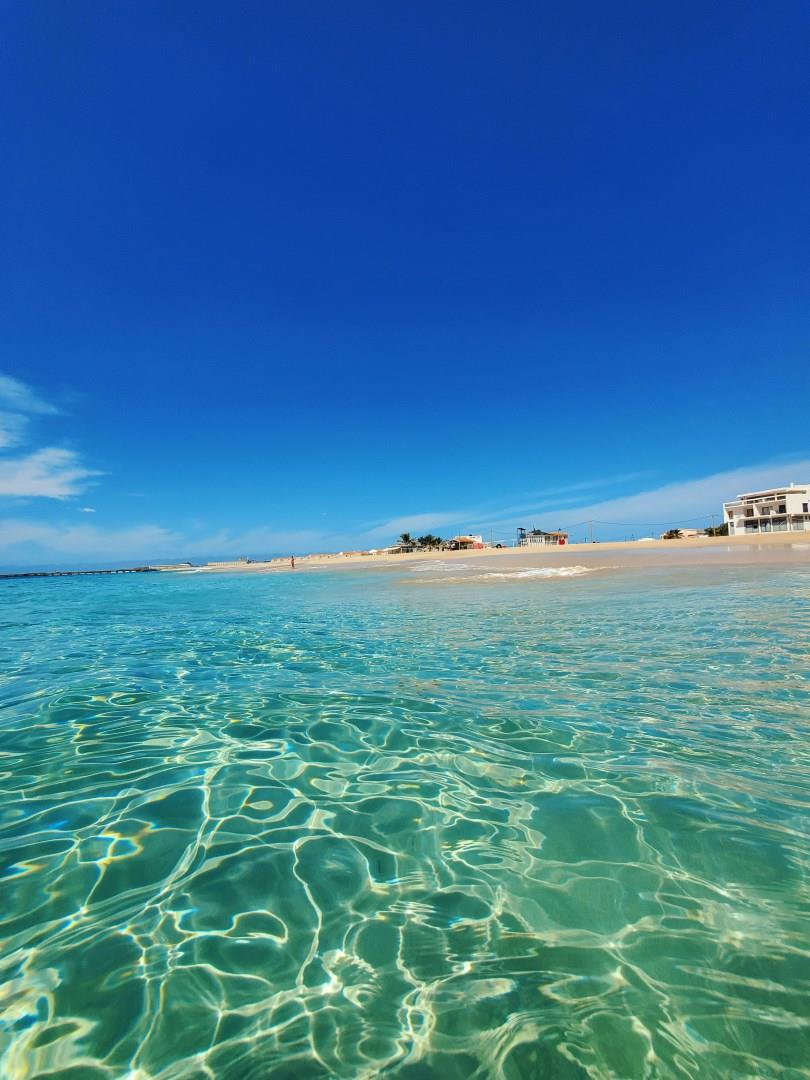
Maio
Maio, one of Cape Verde's hidden gems, offers a serene escape with its unspoiled landscapes and charming island atmosphere. This tranquil island, part of the Cape Verde archipelago, is renowned for its stunning beaches and laid-back vibe. The white sandy shores of Praia do Morro, with its crystal-clear waters and gentle waves, provide the perfect setting for relaxation and sunbathing, while the surrounding salt pans showcase Maio's historical role in the salt industry.
