
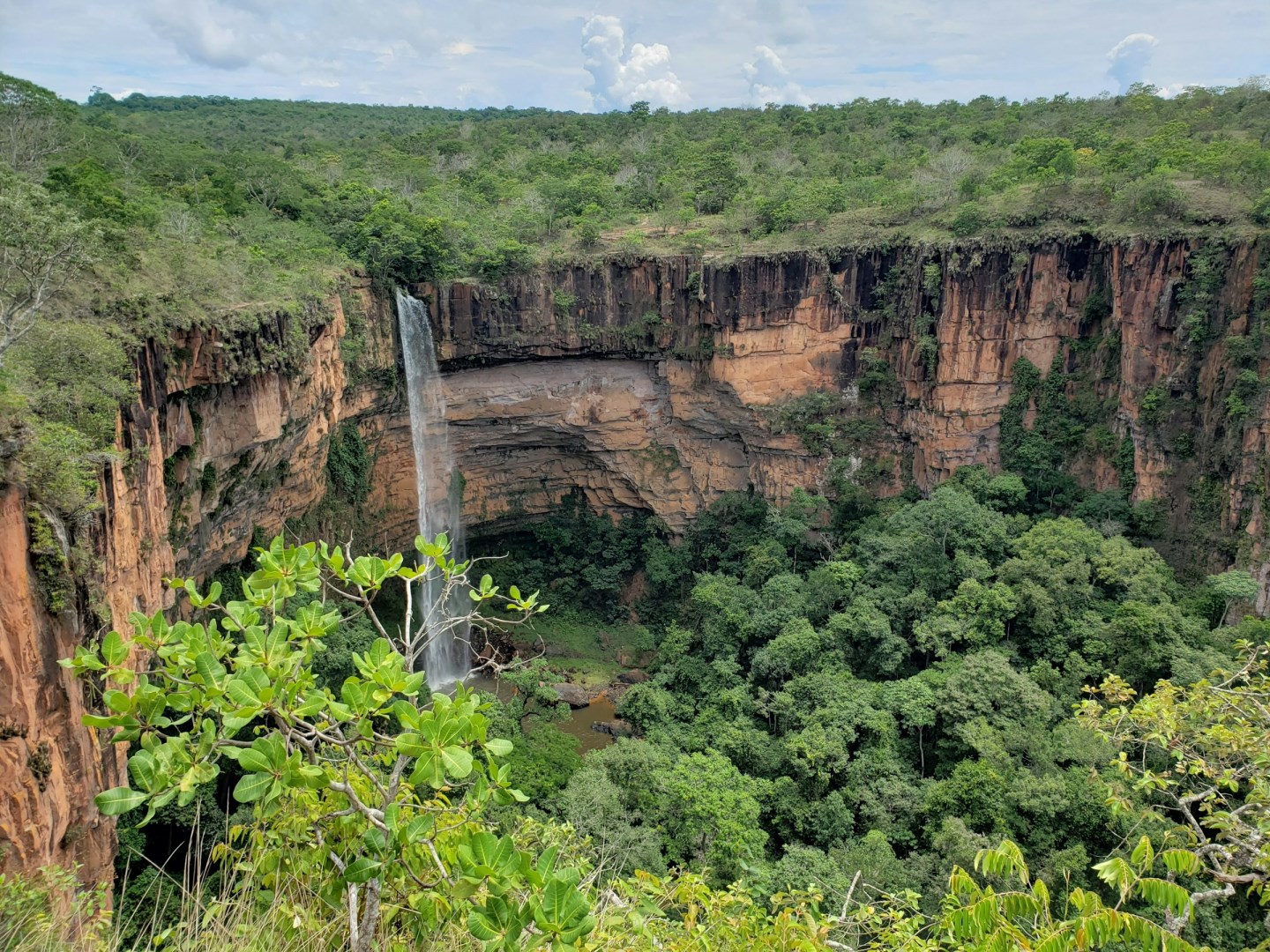
Cuiabá
Cuiabá is the capital of Mato Grosso in central-western Brazil and an important gateway to the Pantanal, Chapada dos Guimarães, and other natural areas of the state. The city developed around gold mining and later became an important regional center along the Cuiabá River. Its historic center contains colonial churches, traditional houses, and public squares, while newer districts extend well beyond the old city.
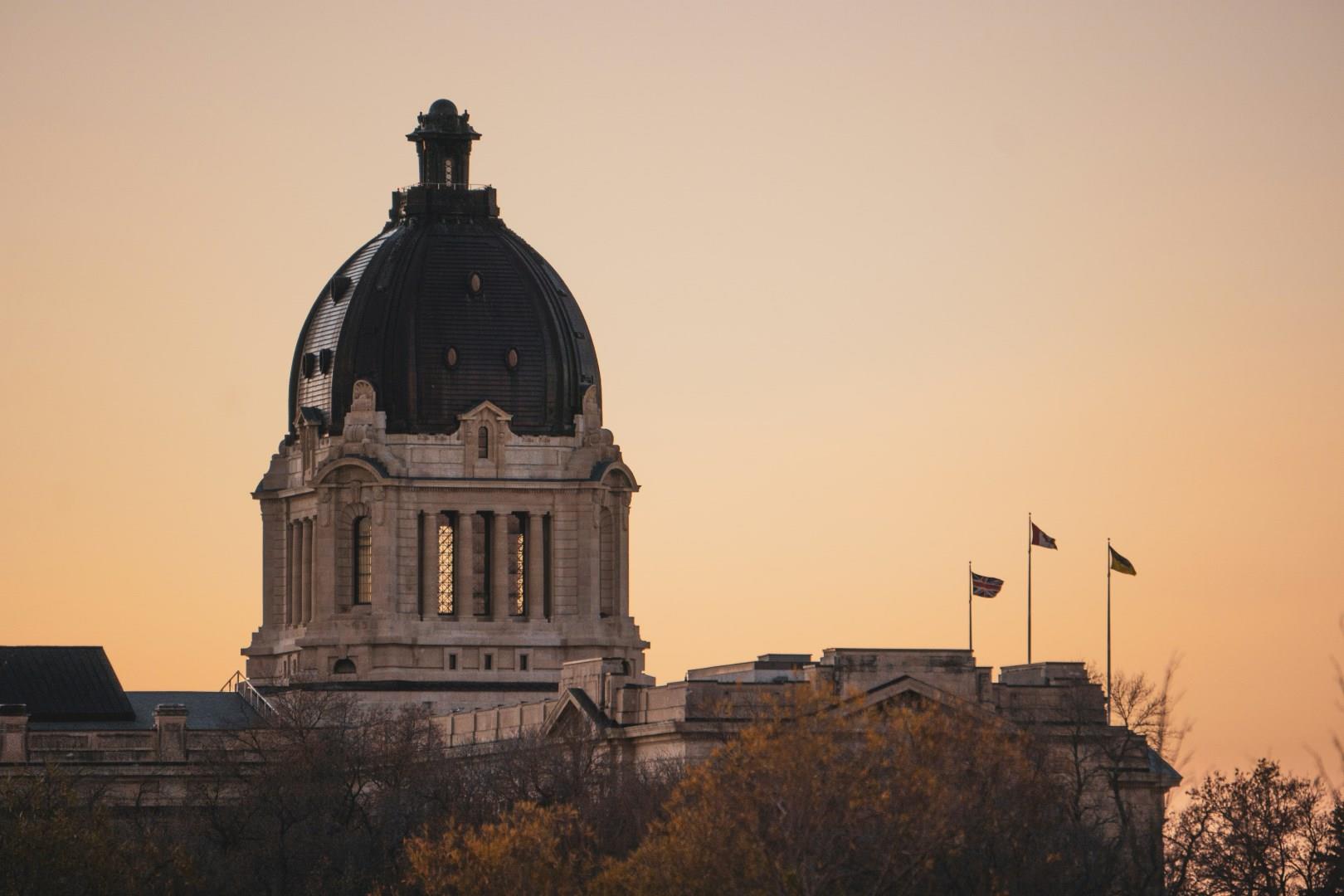
Regina
Regina, Saskatchewan’s capital, is a city with deep roots and wide-open skies. Originally established as a key stop on the Canadian Pacific Railway, Regina quickly grew into a political and cultural hub. Today, visitors can explore its past at the Royal Saskatchewan Museum, which features life-sized dinosaur exhibits and an extensive First Nations gallery.
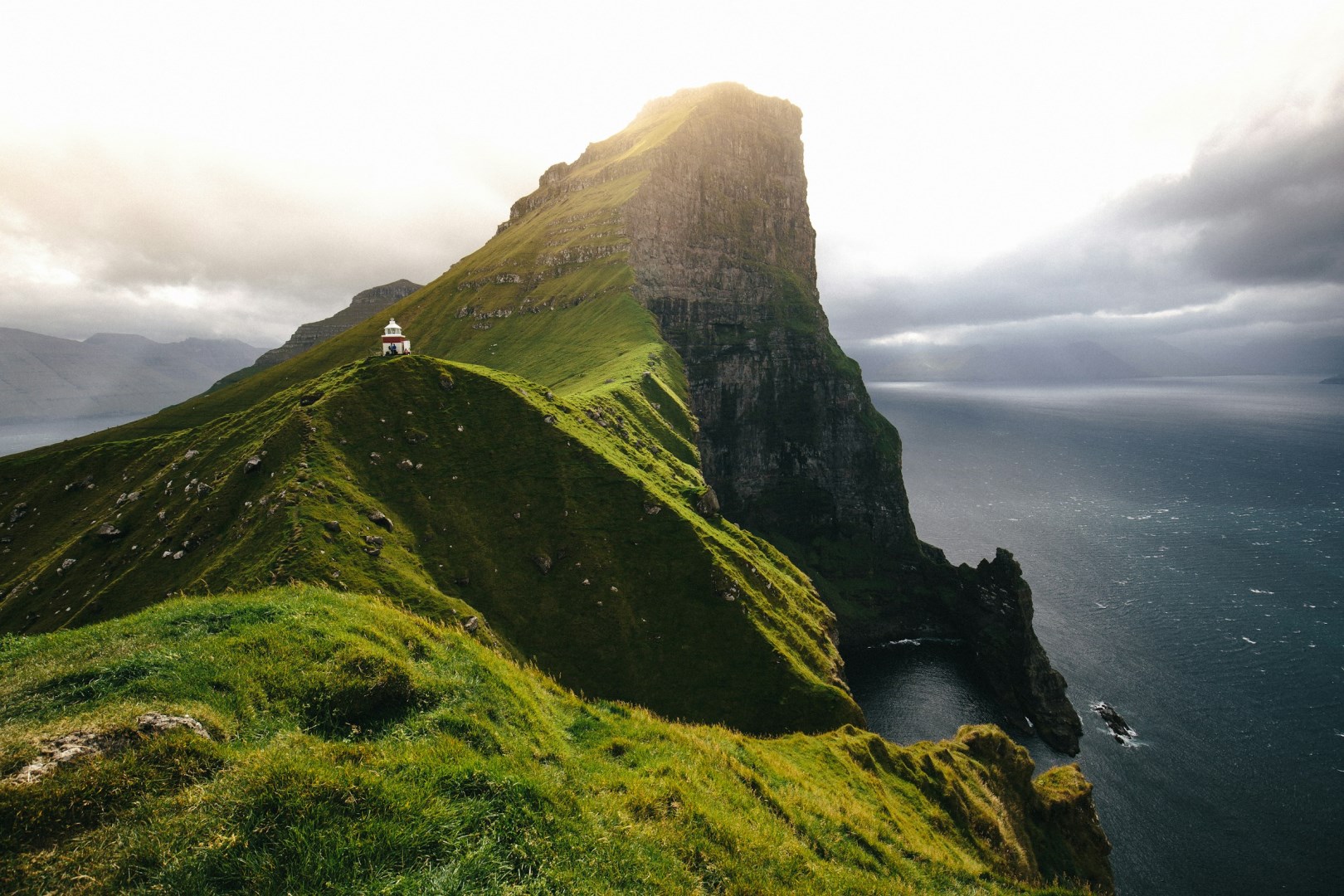
Kalsoy
Kalsoy is a narrow, mountainous island in the northern Faroe Islands, known for its steep eastern cliffs, deep valleys, and small settlements along the western side. The island is reached by ferry from Klaksvík, and its road passes through several short tunnels as it connects the villages of Húsar, Mikladalur, and Trøllanes. Much of Kalsoy remains open pasture and rugged mountain terrain, with the sea visible from almost every part of the island.
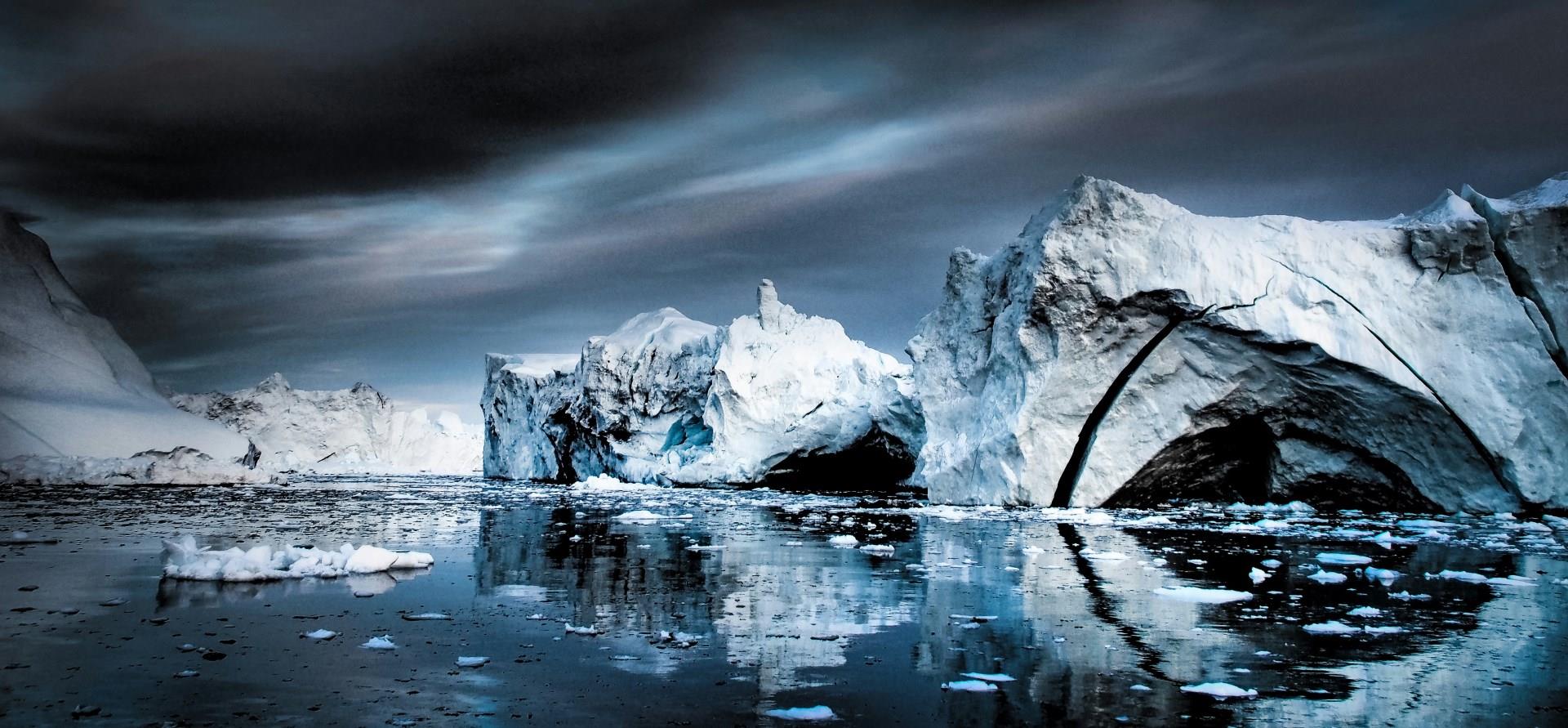
Ilulissat
On Greenland’s west coast, Ilulissat (once known as Jakobshavn) welcomes travelers with astonishing ice scenery and a sense of scale that feels almost otherworldly. The town sits beside Disko Bay, where immense icebergs drift silently past, glowing pink and gold in the Arctic light. The name “Ilulissat” means “icebergs,” and it could not be more fitting. Here, every turn toward the sea offers a fresh view of towering ice forms, each one sculpted by nature into something fleeting and beautiful.

Christchurch
Welcome to Christchurch, a picturesque city with English heritage. Here, the new mixes with the old in enchanting ways, with edgy modern architecture and old buildings sitting side by side
