
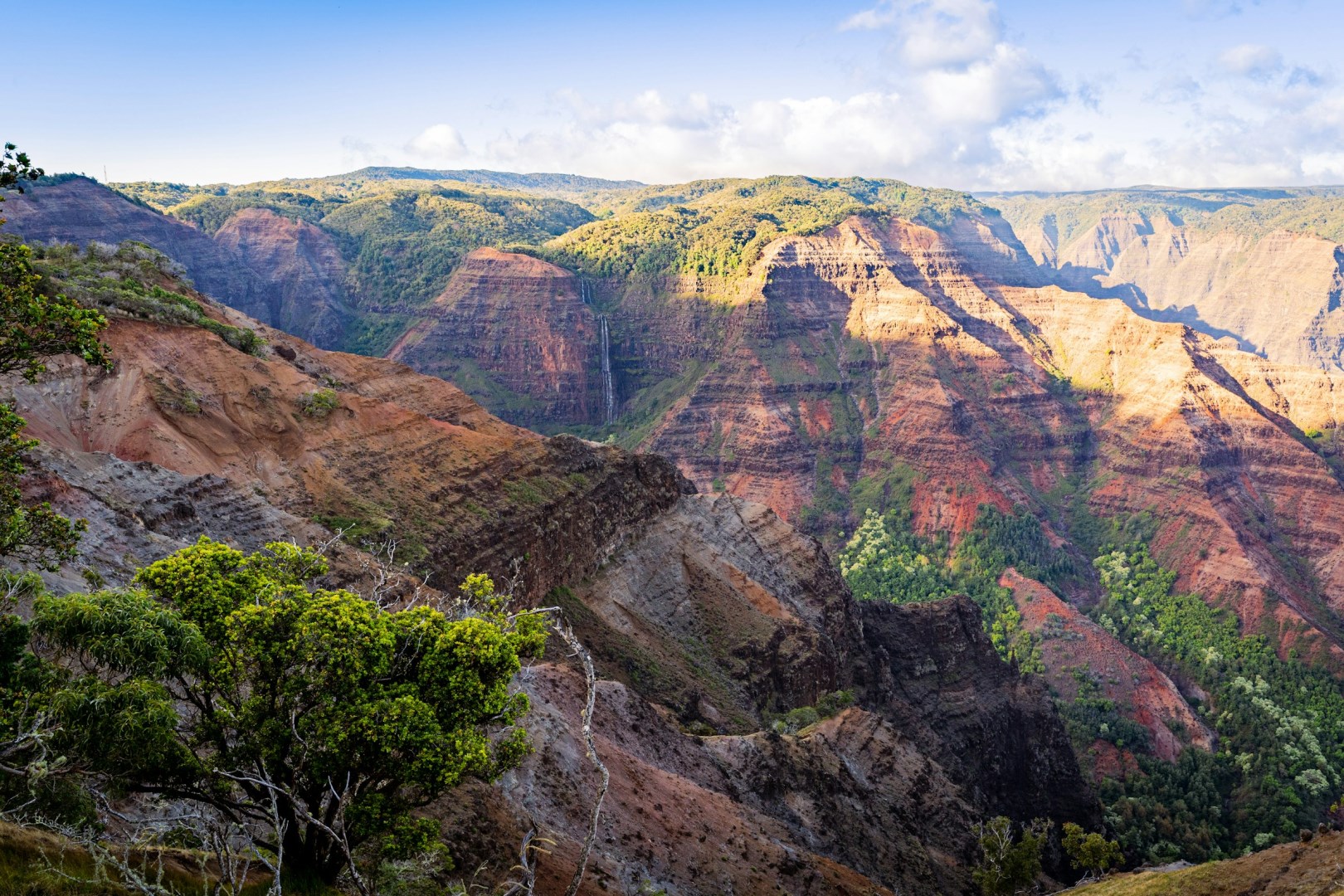
Waimea Canyon, Kauai
The Canyon valleys of the Waimea River and its tributary were once heavily populated, and the town was an early center of native government. It was here that Captain James Cook, English Navigator-Explorer, made his first landing in the Hawaiian Islands on January 20, 1778. Waimea developed as a provisioning port for whalers and sandalwood traders. A ruined Russian fort, built (1815) in a futile attempt to seize the isle, occupies a coastal bluff aboe the Waimea River. A rich sugar-plantation

Palenque
Palenque, nestled in the lush jungles of Chiapas, Mexico, offers an enthralling glimpse into the grandeur of the ancient Maya civilization. The city is renowned for its well-preserved ruins, which include the majestic Temple of the Inscriptions, where the tomb of the ruler Pakal the Great was discovered in 1952.
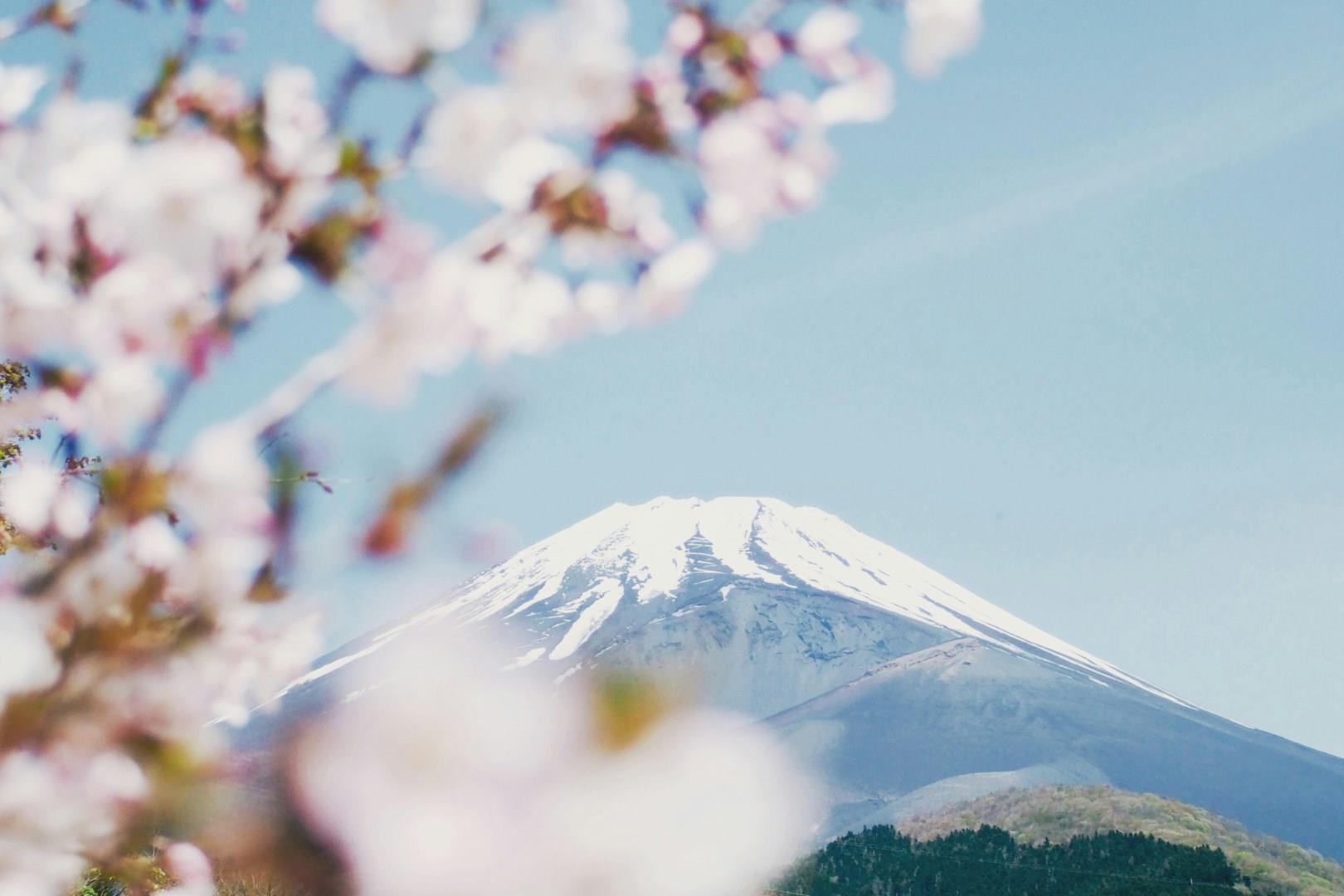
Mount Fuji
Mount Fuji rises above central Japan as both a physical landmark and a cultural symbol, long associated with pilgrimage, art, and seasonal ritual.
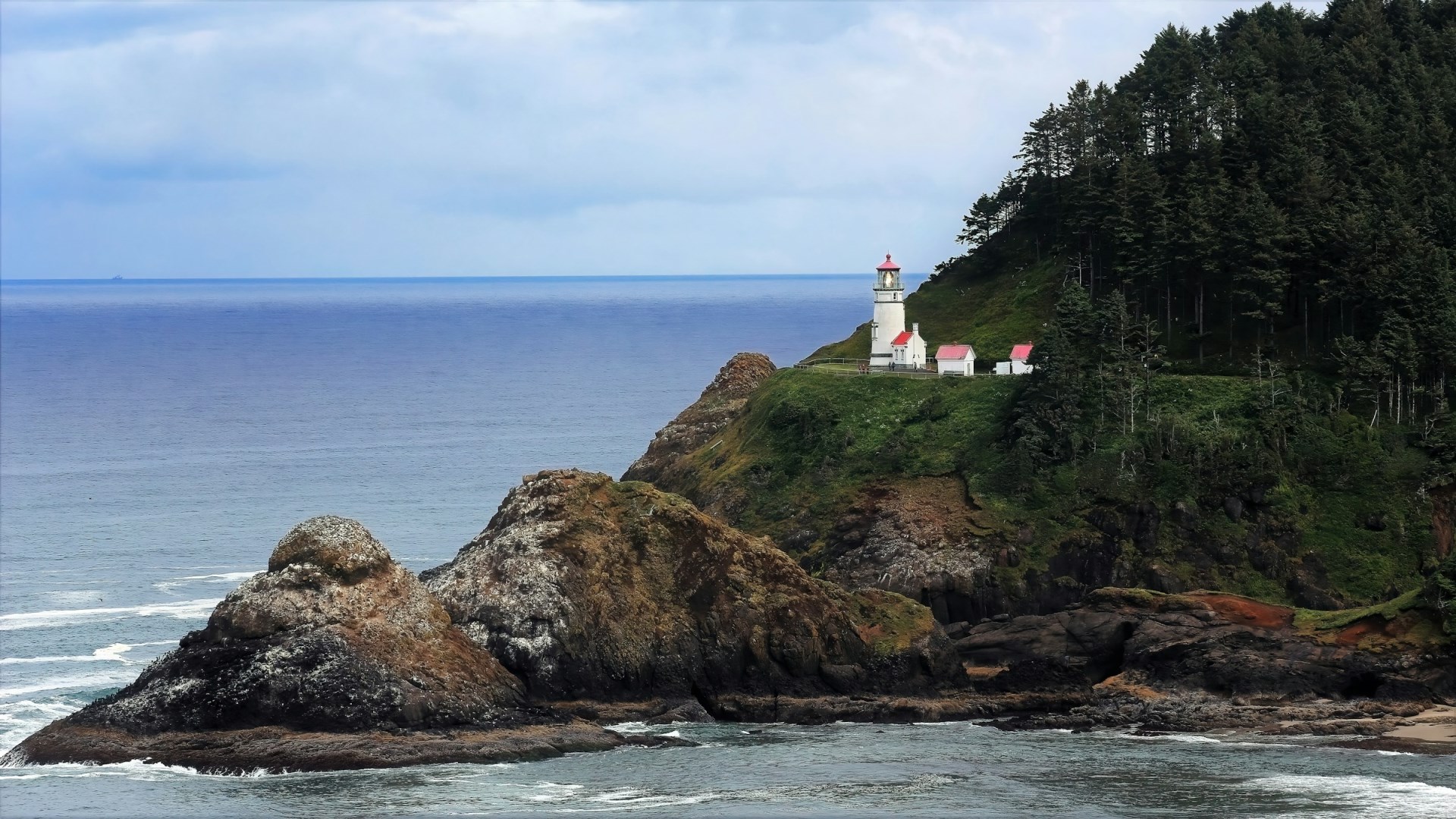
Heceta Head
Heceta Head is a prominent coastal headland on Oregon’s central coast, rising above the Pacific Ocean north of Florence. The area is part of the Siuslaw National Forest and is known for its steep forested slopes, rocky shoreline, and sweeping ocean views. Heceta Head Lighthouse stands on the headland above the coast and remains one of Oregon’s best-known navigational landmarks.
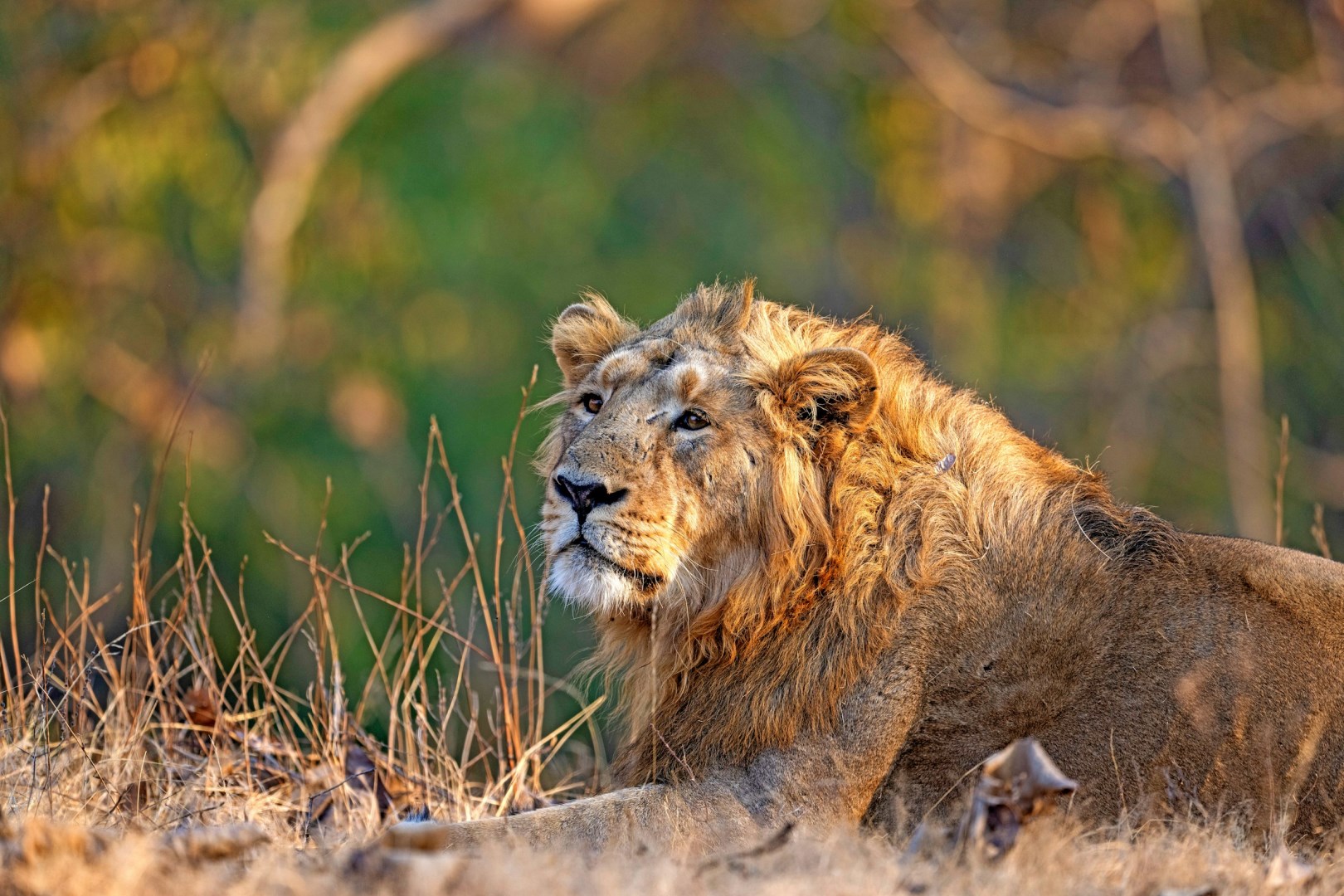
Gir National Park
Gir National Park is a protected forest in Gujarat, western India, and the most important natural habitat of the Asiatic lion. The park forms part of the larger Gir Protected Area, a dry landscape of deciduous woodland, thorn scrub, grasslands, rocky hills, and seasonal streams. The forest is also home to leopards, chital, sambar, nilgai, wild boar, crocodiles, and numerous bird species. Unlike many of India’s major wildlife reserves, Gir is closely surrounded by villages and pastoral communitie
