

Dominica
Dominica, known as the “Nature Island of the Caribbean,” is a haven for eco-tourists and adventure seekers. Nestled between the French islands of Guadeloupe and Martinique, this lush island boasts a remarkable landscape of volcanic mountains, dense rainforests, and stunning waterfalls. Dominica’s most iconic natural wonder is the Boiling Lake, the second-largest hot spring in the world.
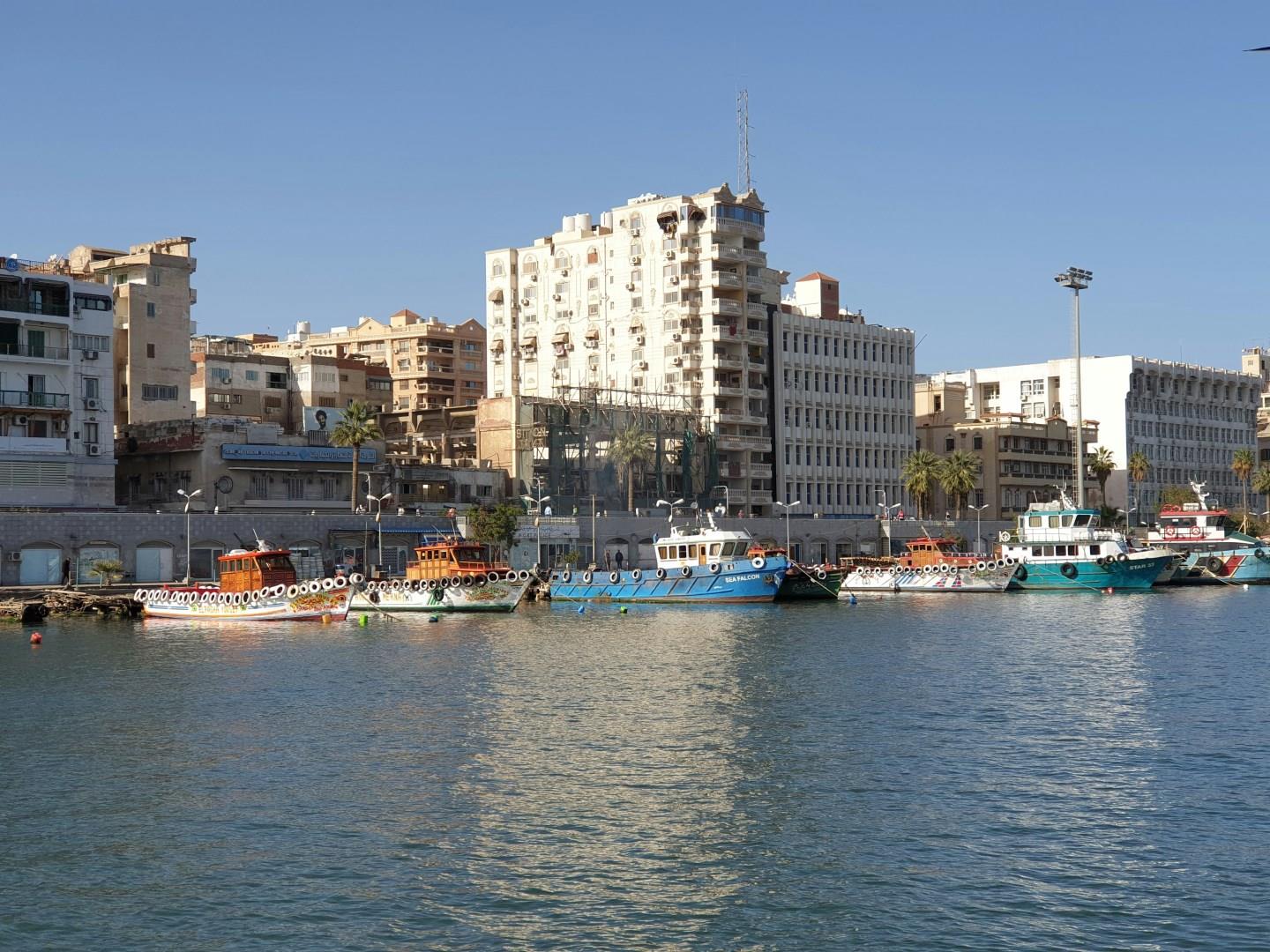
Port Said
Egypt’s Port Said sits at the northern entrance of the Suez Canal, where the Mediterranean meets one of the world’s most famous waterways.

Mount Kenya
Mount Kenya, the majestic volcanic mountain located in central Kenya, is a natural wonder that captivates visitors with its dramatic landscapes and rich biodiversity. As Africa's second-highest peak, standing at 5,199 meters (17,057 feet), Mount Kenya offers an array of trekking routes that lead adventurers through lush forests, alpine meadows, and glacial valleys.

Bologna
Bologna, Italy, is a city that effortlessly weaves together rich history, vibrant culture, and renowned gastronomy, making it an irresistible destination for travelers seeking an authentic Italian experience. Often referred to as "La Dotta, La Grassa, La Rossa" (The Learned, The Fat, The Red), Bologna proudly wears these nicknames that highlight its academic prestige, culinary heritage, and distinctive terracotta-colored architecture.

Las Vegas
Las Vegas, Nevada, is an electrifying city where glitz and glamour meet entertainment and excitement. Known as "The Entertainment Capital of the World," Las Vegas offers an unparalleled array of attractions, from its iconic casinos and luxurious hotels to its world-class dining and live shows. The city's entertainment scene is second to none, featuring legendary headliners, cutting-edge performances, and an array of themed attractions.
