
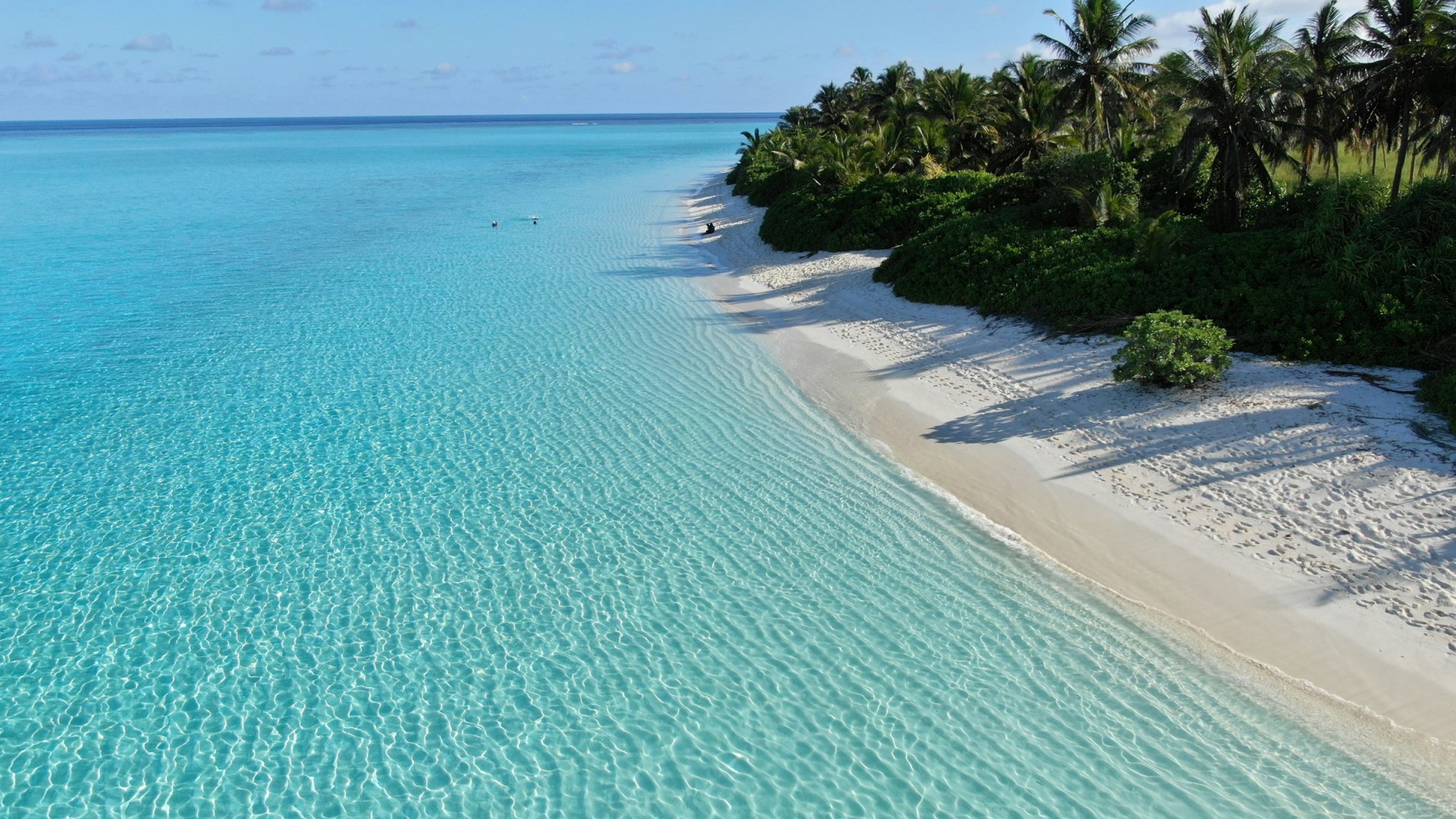
Thoddoo
Thoddoo is a local island in the North Ari Atoll of the Maldives, distinguished by its unusually strong agricultural tradition. While coral reefs, beaches, and lagoons surround the island, much of its interior is covered by productive farmland, with watermelon, papaya, eggplant, chili, drumstick, breadfruit, and other crops cultivated for local consumption and markets. The island’s broad green interior sets it apart from many smaller Maldivian islands where available land is more limited.
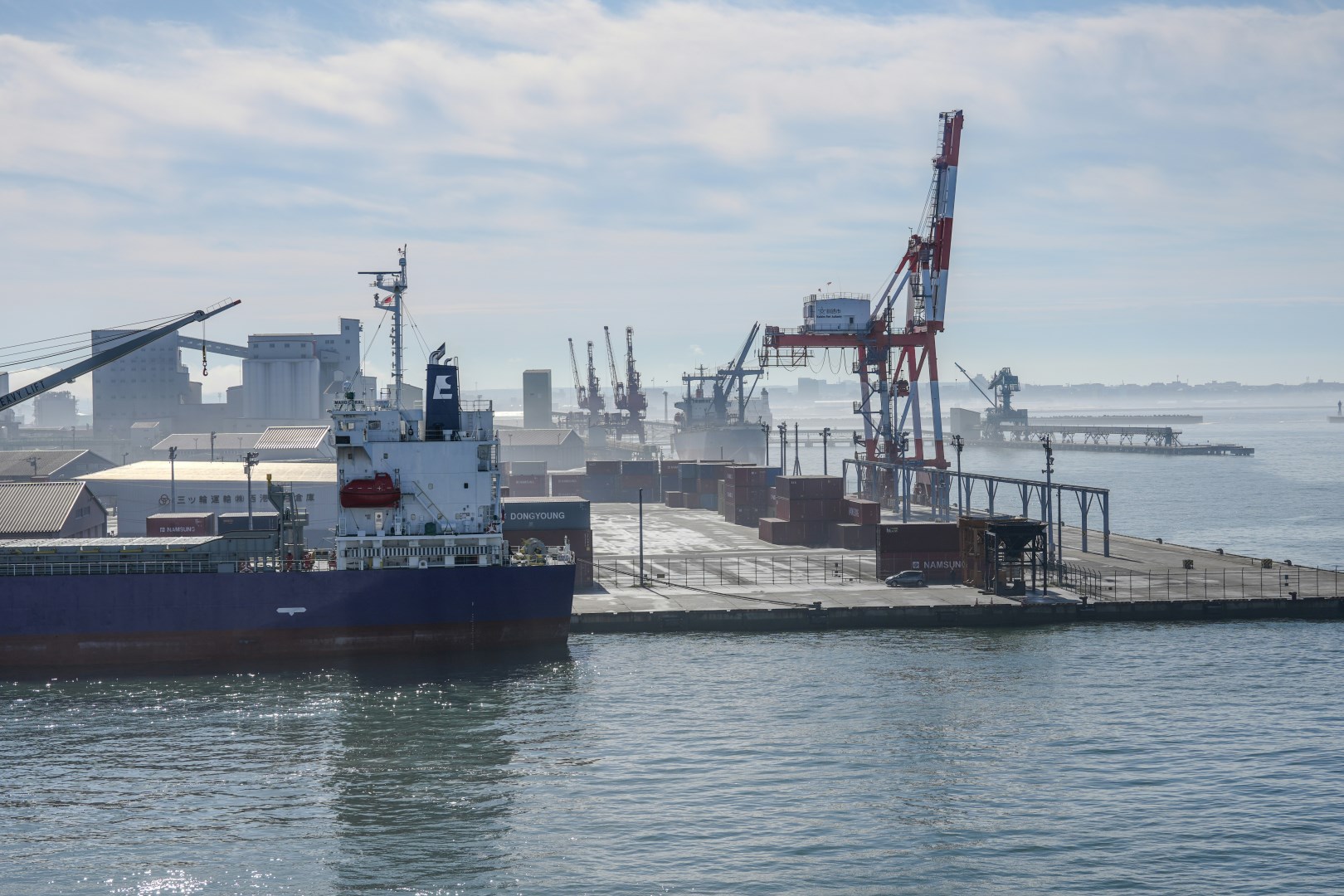
Kushiro
Kushiro is a port city on the eastern coast of Hokkaido, Japan’s northernmost main island. The city faces the Pacific Ocean and is known for its fishing industry, wetlands, and cool maritime climate. Fog drifting in from the sea is common during warmer months and has become one of Kushiro’s defining natural features.

Morelia
Morelia, the capital of Michoacán, is a city that wears its history in stone. Built in the 16th century and recognized as a UNESCO World Heritage Site, its historic center is filled with over 200 colonial-era buildings made from pink cantera, a soft volcanic stone that gives the city its distinct look. The centerpiece is the Morelia Cathedral, a massive baroque structure that features twin towers that light up every Saturday night with a fireworks and music display.
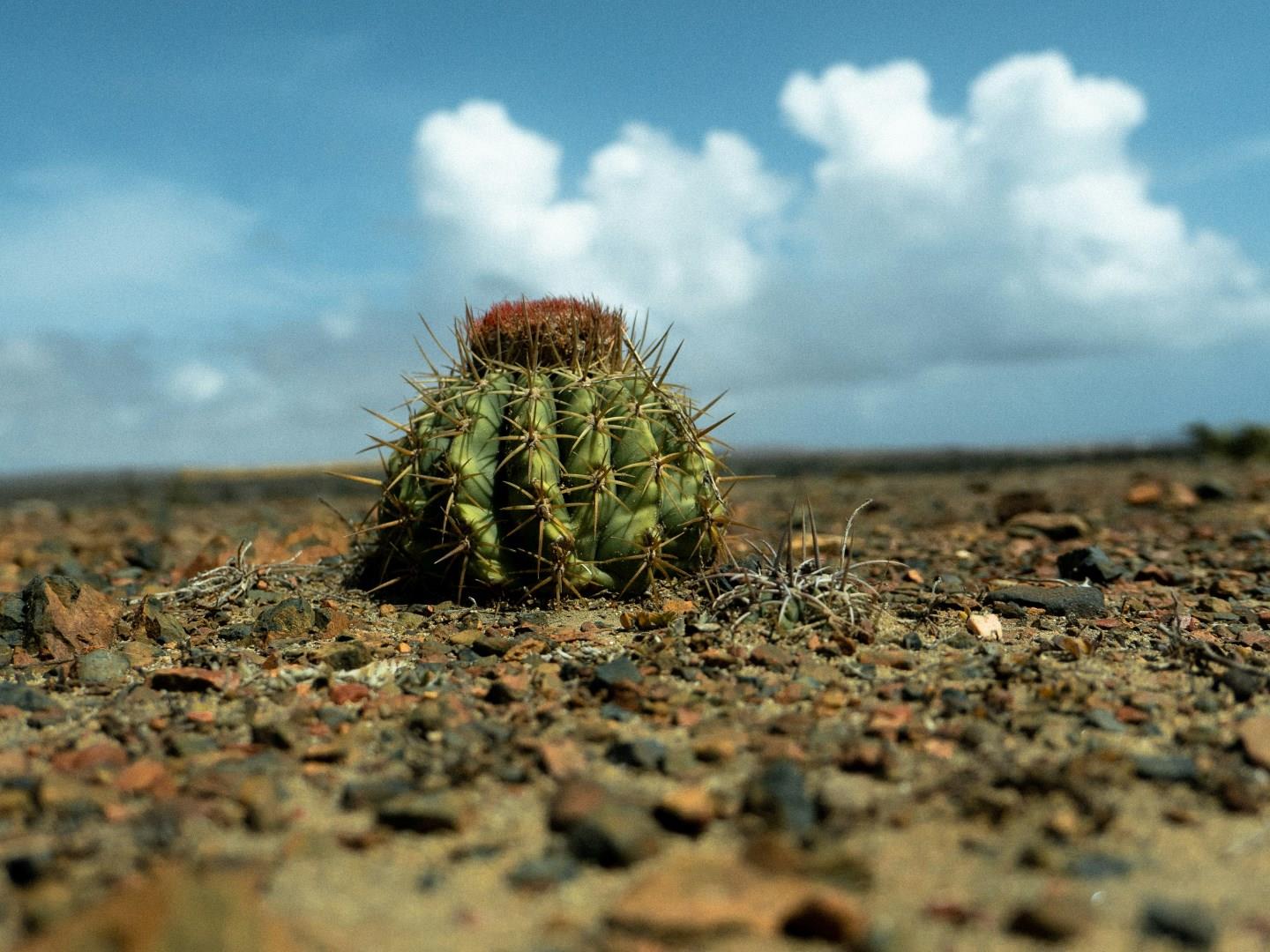
Arikok National Park
Arikok National Park, covering nearly 20% of Aruba, is a striking showcase of the island’s rugged landscapes, cultural history, and biodiversity. Unlike the postcard image of Aruba’s white-sand beaches, Arikok reveals a wilder side, with windswept hills, desert-like terrain, and dramatic limestone cliffs meeting the sea.
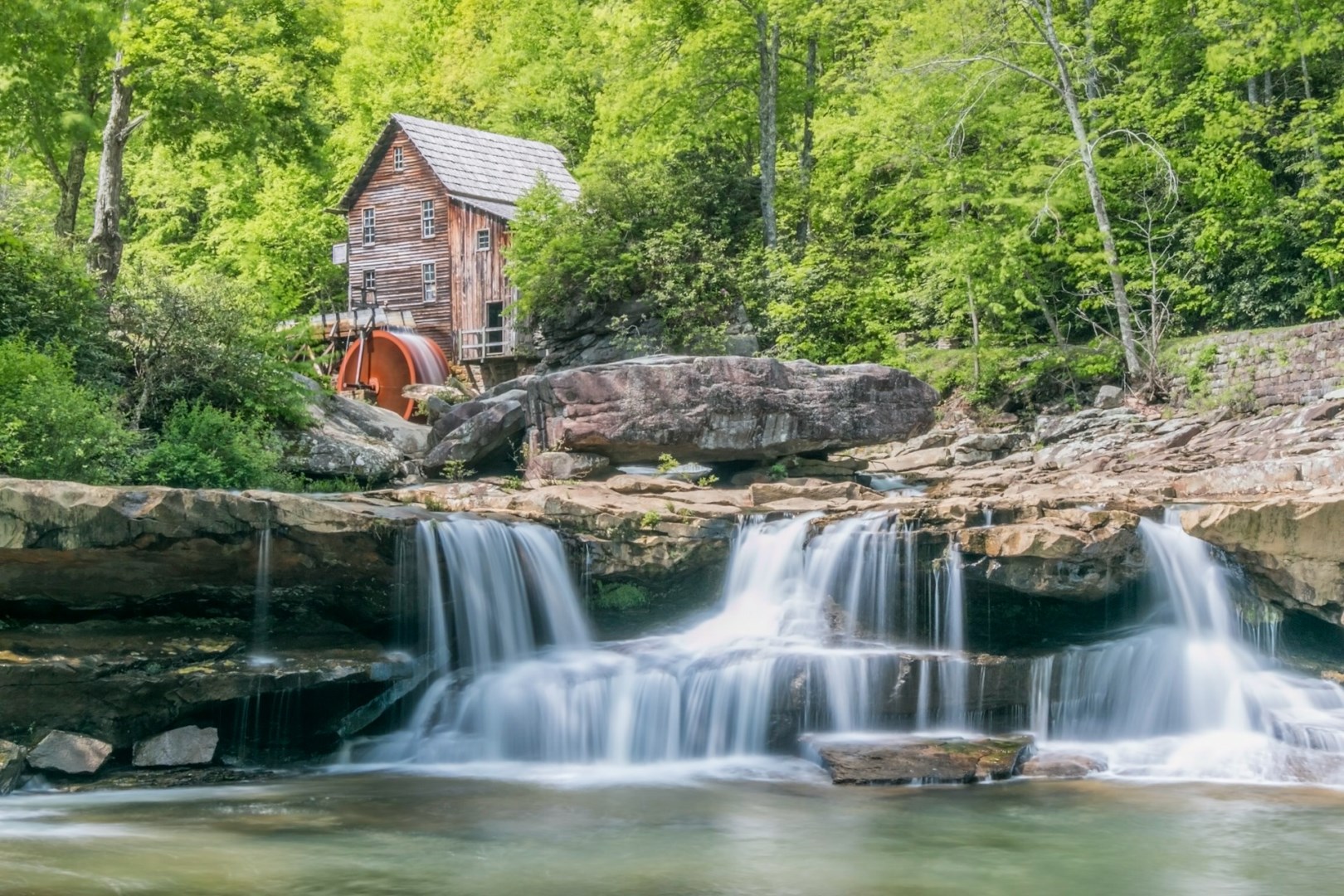
West Virginia
West Virginia offers a travel experience shaped by mountain traditions, surprising culinary finds, and deep historical roots. Today, towns like Harpers Ferry preserve that legacy. Perched at the confluence of the Potomac and Shenandoah rivers, Harpers Ferry feels like a living museum with 19th-century buildings, historical reenactments, and trails that lead directly into the Appalachian Mountains.
