
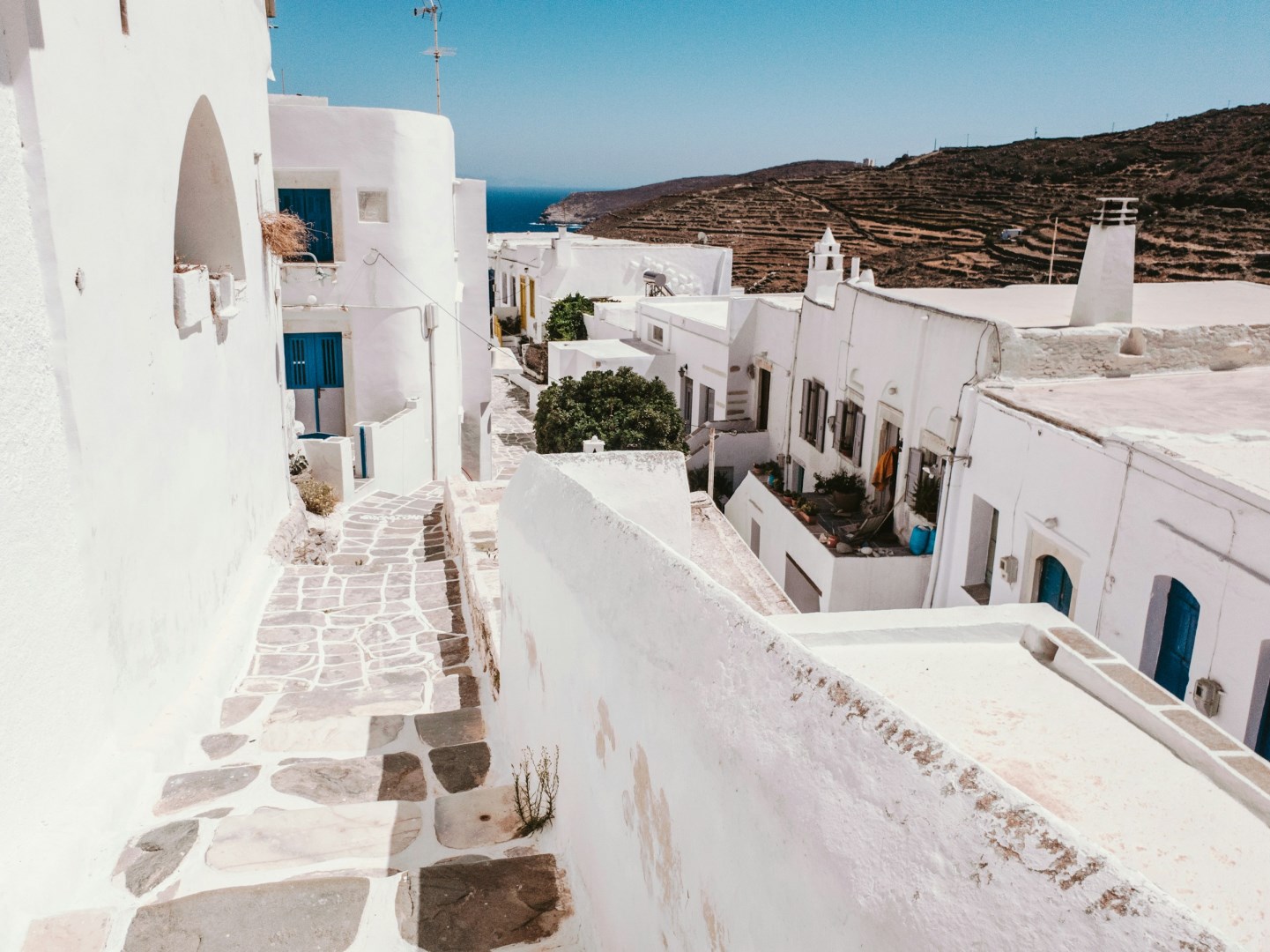
Sífnos
Sífnos is a Cycladic island in the southwestern Aegean, known for its whitewashed villages, stone-paved lanes, terraced hillsides, pottery workshops, and well-marked walking trails. Apollonia, the island’s main settlement, spreads across several hills at the center and serves as its cultural and social hub. Smaller villages such as Artemonas, Kastro, and Exambela retain traditional houses, churches, courtyards, and narrow alleys.
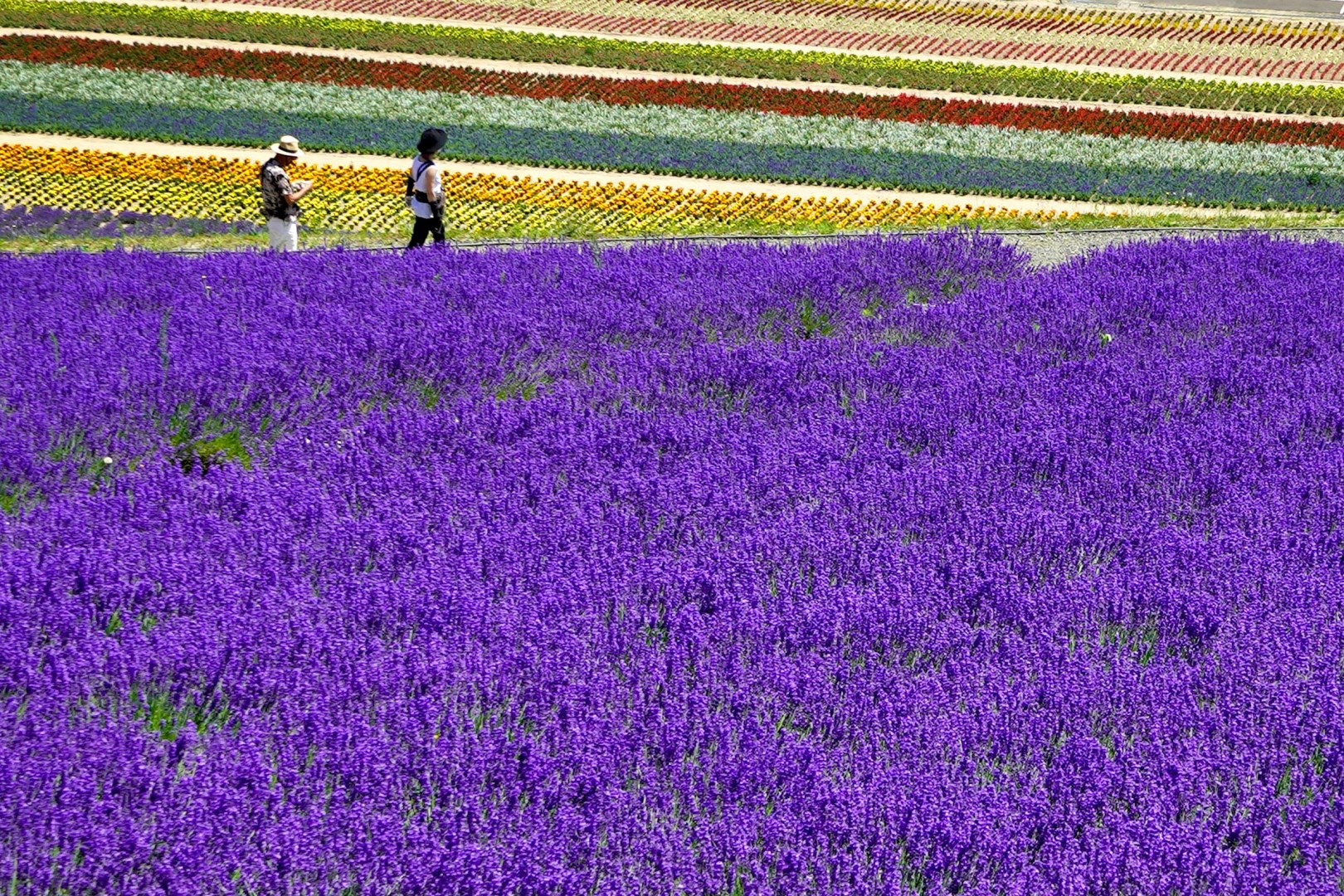
Furano
Furano is a small city in central Hokkaido, surrounded by the Tokachi and Yubari mountain ranges. Its broad basin contains farmland, rolling hills, rivers, and open countryside, while the surrounding mountains provide a distinct backdrop in every season. Furano is particularly associated with fields of lavender and other flowers, but agriculture remains an important part of the local landscape beyond the famous flower farms.

Gaborone
Gaborone, the vibrant capital of Botswana, offers a unique blend of modernity and tradition, making it an increasingly popular destination for travelers seeking an African city adventure. Founded in 1966, this city is relatively young but holds immense significance as the political and economic heart of Botswana.
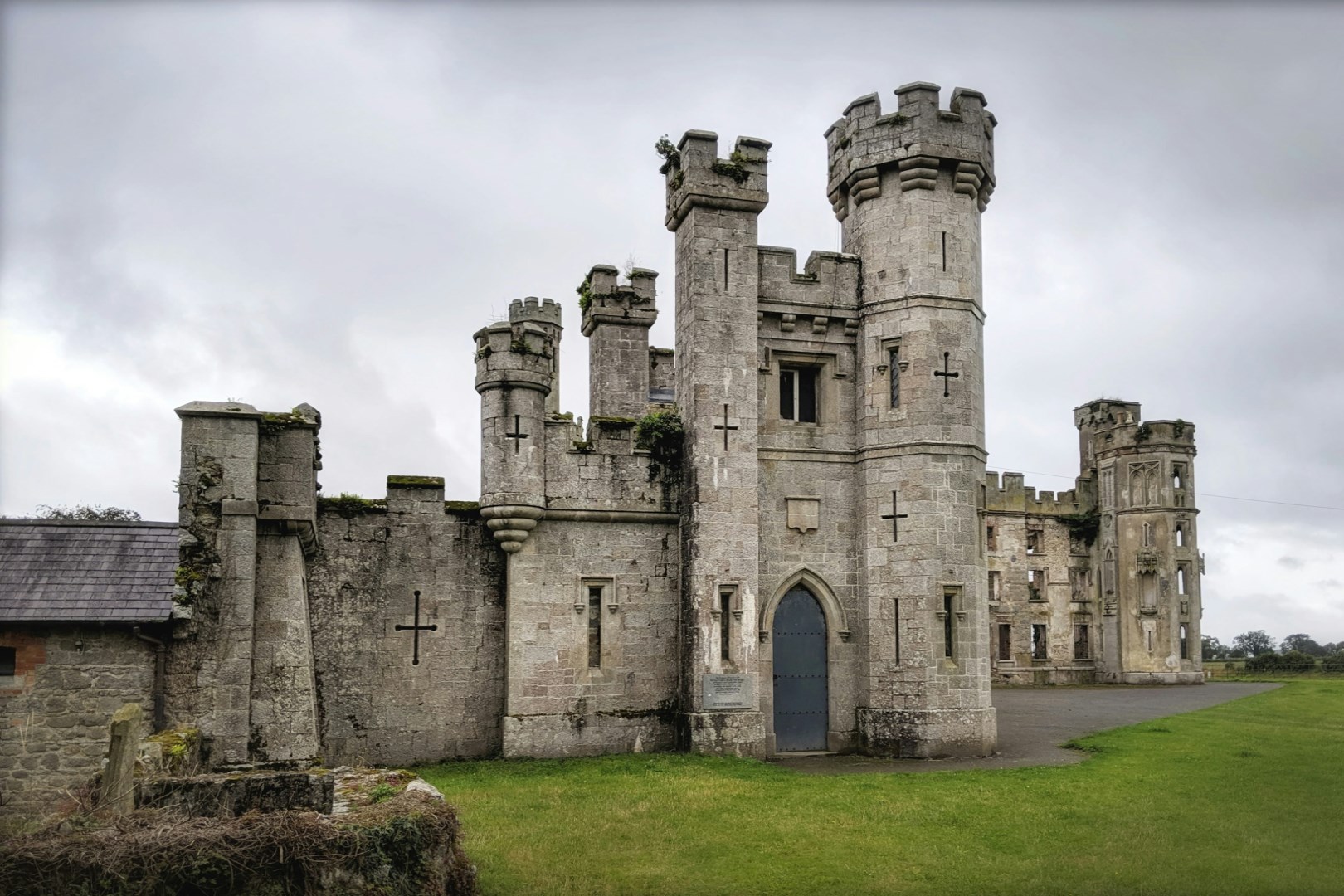
County Carlow
A most pleasant and picturesque county, famed for its scenic beauty. Bordered by the Blackstairs Mountains and Mount Leinster, the county is divided by the rivers Barrow and Slaney. There are many historical monuments and castles. Recreations include Golf, Tennis, Fishing, Shooting, Rowing, River Cruising, Swimming, Hunting and Climbing.
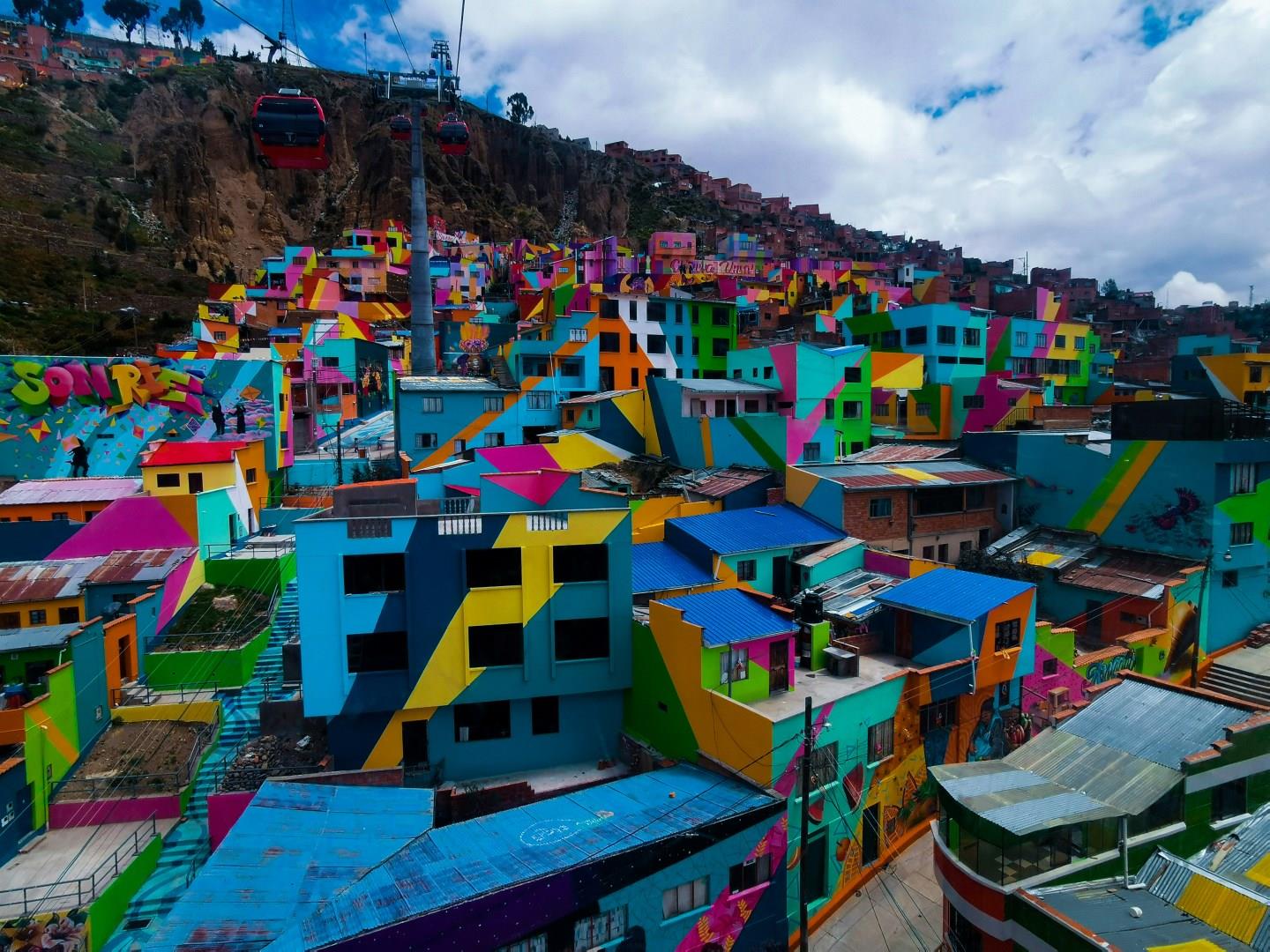
La Paz
La Paz, Bolivia’s seat of government, is one of the world’s highest capital cities, dramatically set in a deep canyon carved by the Choqueyapu River. Founded in 1548 atop an important Indigenous settlement, the city has long been a crossroads of Andean cultures, colonial history, and modern political life.
