
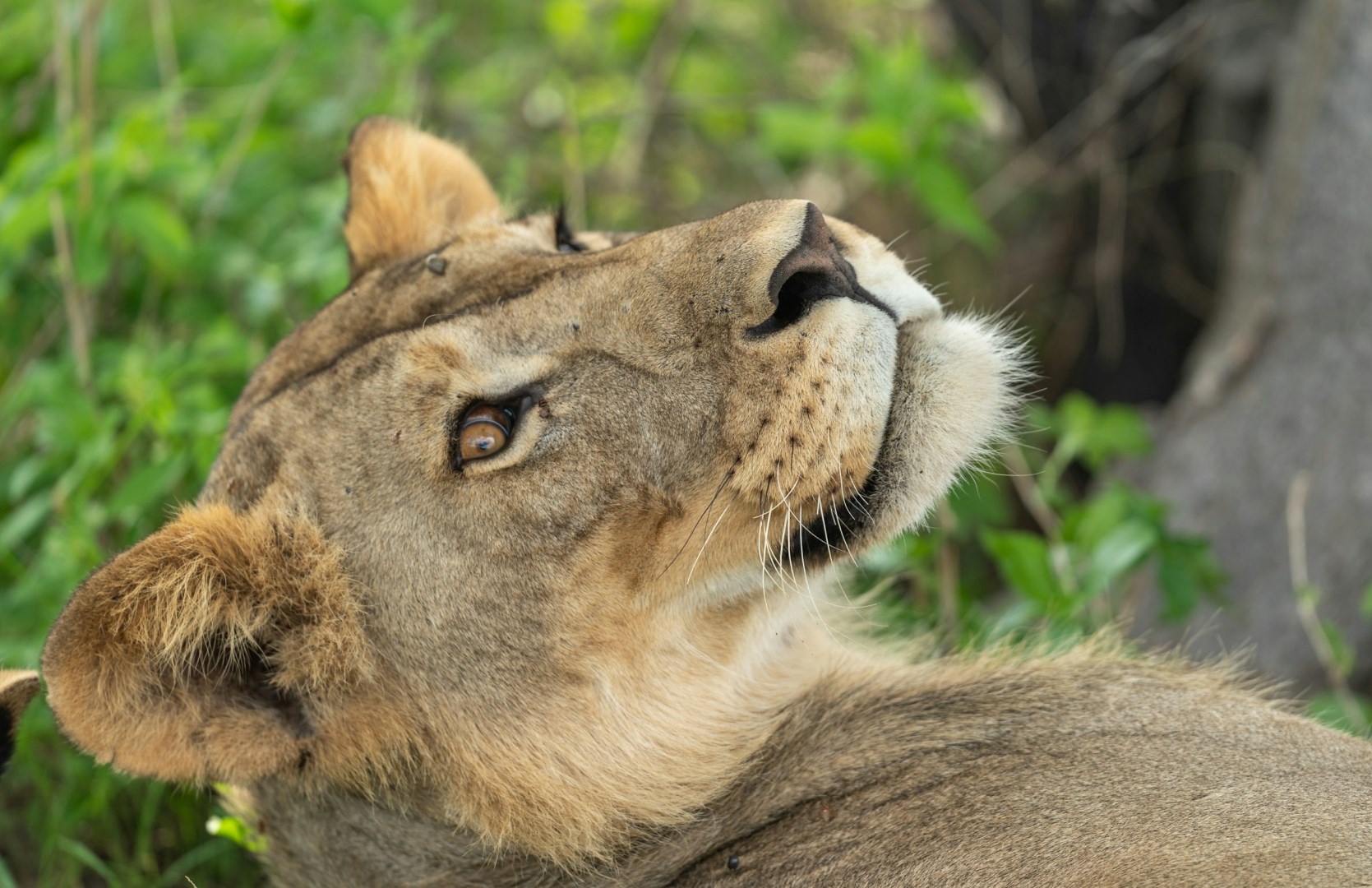
Ruaha National Park
Ruaha National Park is a vast protected area in south-central Tanzania, covering about 20,226 square kilometres. The park is defined by a varied landscape of open savanna, miombo woodland, rocky hills, seasonal rivers, and large baobab trees. The Great Ruaha River forms one of its most important natural features, providing water and supporting wildlife across the surrounding plains.

Bhutan
Bhutan, often called the “Land of the Thunder Dragon,” is a Himalayan kingdom known for its dramatic landscapes and deeply rooted traditions. Towering peaks, forested valleys, and winding rivers set the stage for a country that has long prioritized harmony between nature and culture.
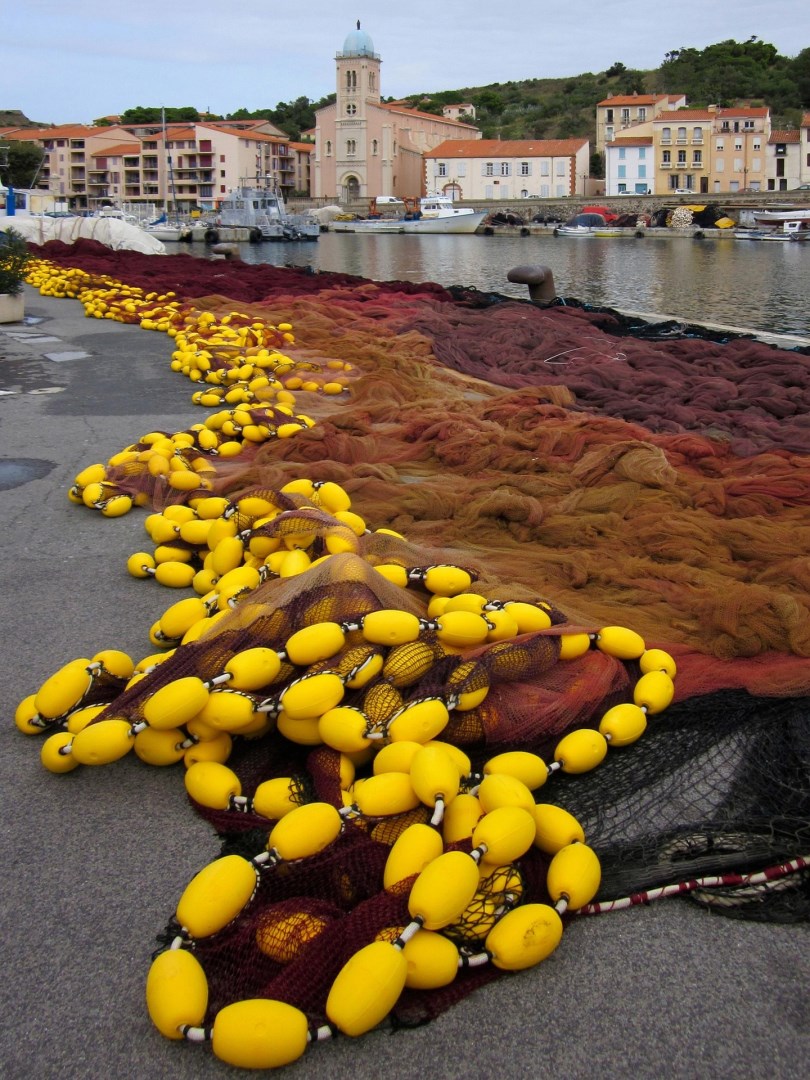
Port Vendres
Port Vendres is an old natural harbour that welcomes trade vessels, fishing and yachting boats. It has 3 basins: the outer harbour, the Old Port and the new Darse.
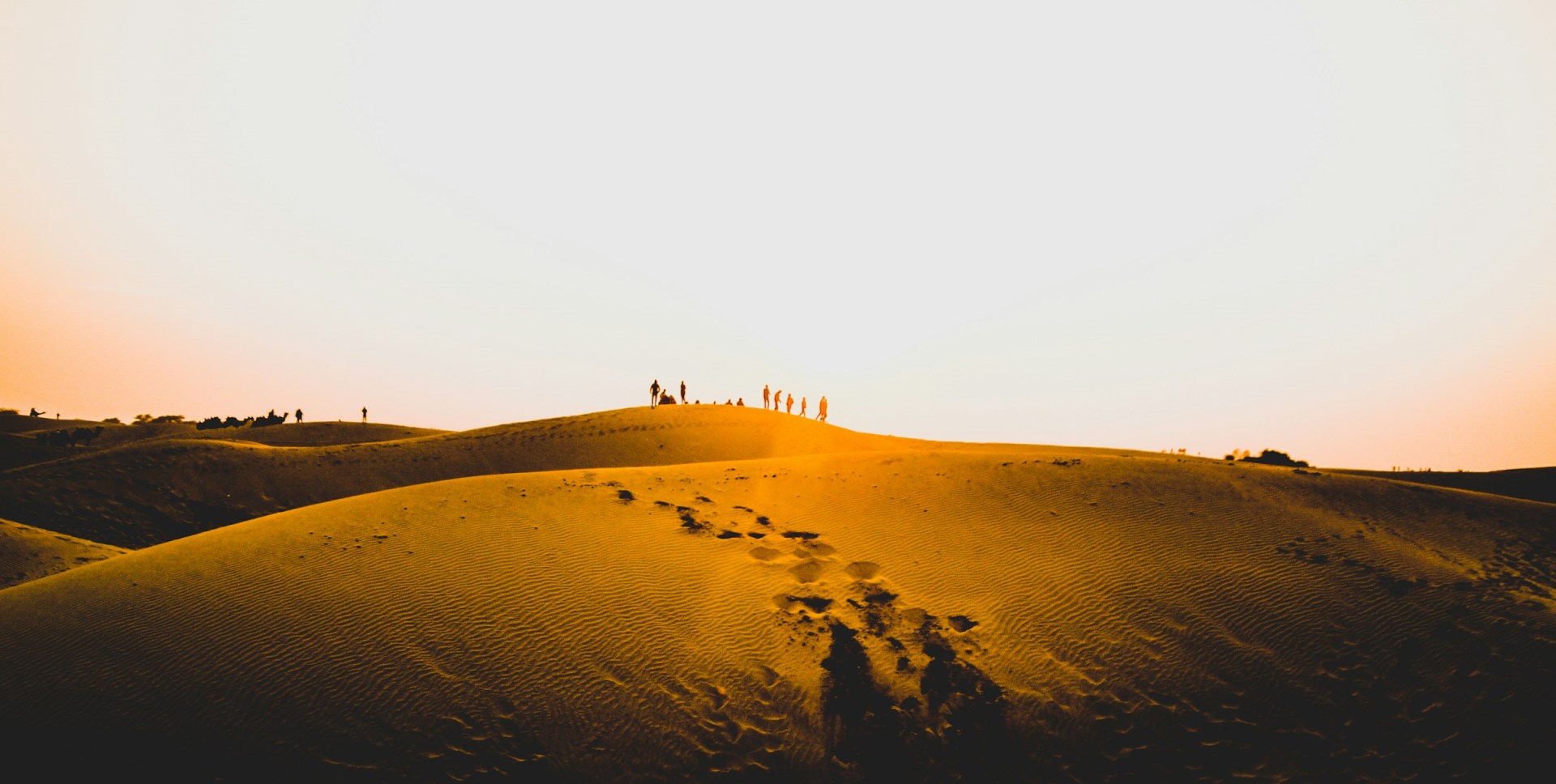
Thar Desert
The Thar Desert stretches across northwestern India, with its largest Indian expanse lying in Rajasthan and extending toward the borders of Gujarat, Punjab, and Haryana. It is a dry landscape of sand dunes, gravel plains, rocky ground, thorn scrub, and scattered grasslands rather than an entirely sandy wilderness. Jaisalmer, Jodhpur, and Bikaner are among the best-known gateways to the desert, while smaller settlements reveal how people have adapted to scarce water and extreme temperatures. The
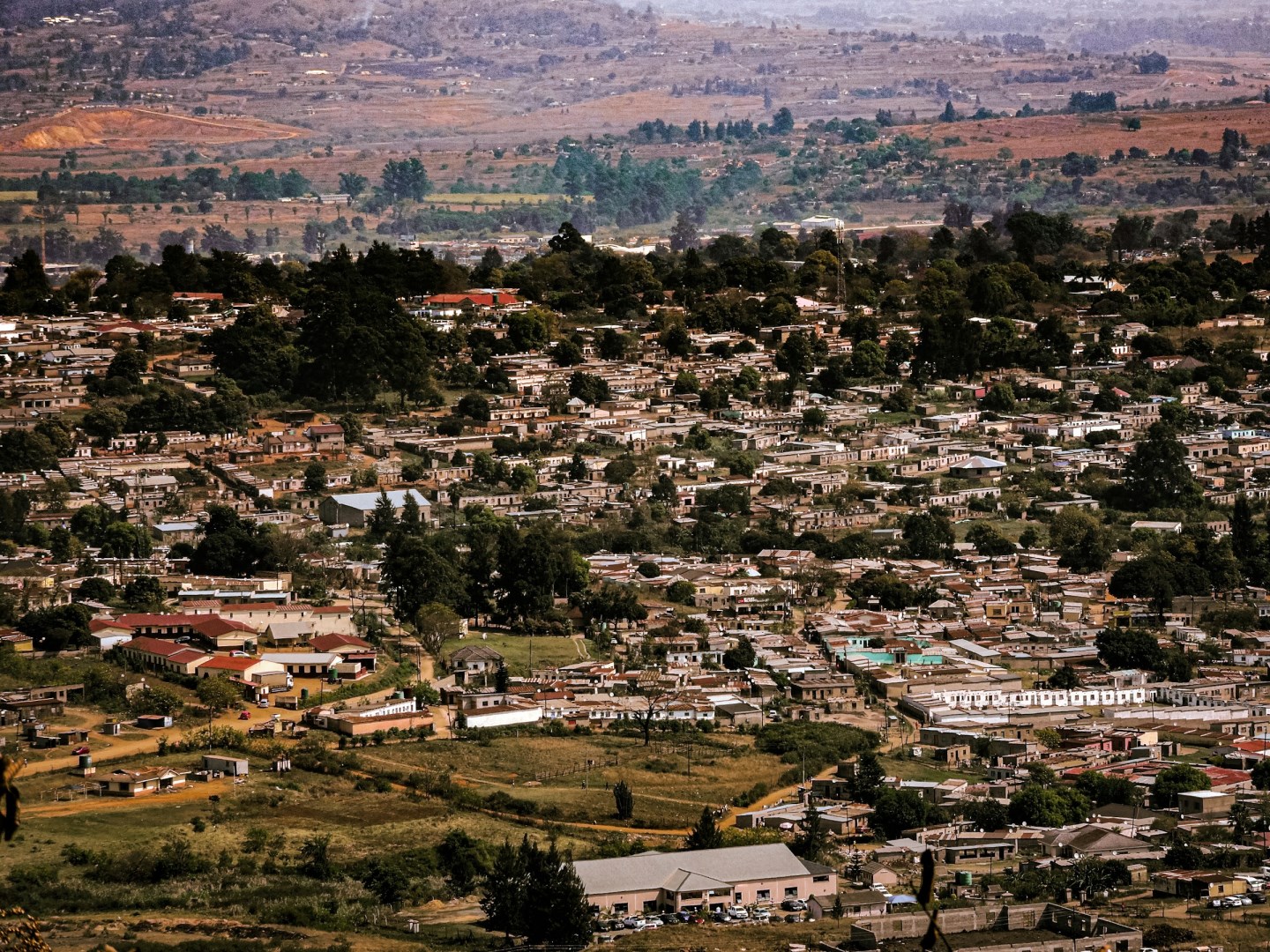
Manzini
Manzini is Eswatini’s largest city and a major commercial centre in the country’s central region. It lies in the Middleveld, where rolling hills, grasslands, cultivated fields, and wooded areas surround a busy urban centre. The city is an important transport and trading hub, connecting communities across Eswatini and providing access to nearby towns and attractions.
