
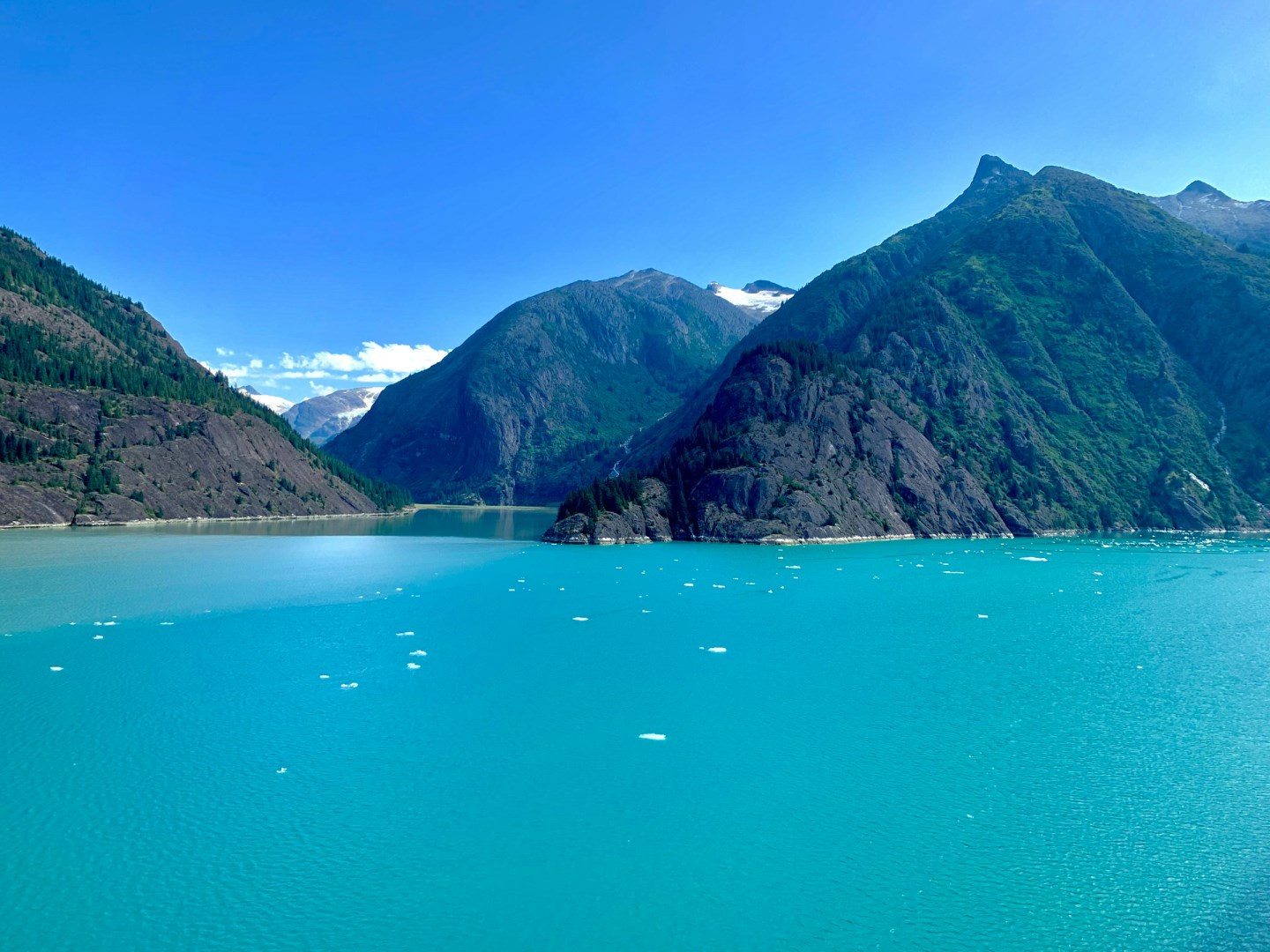
Hoonah
Hoonah, located on Chichagof Island in southeastern Alaska, is a small coastal community surrounded by breathtaking wilderness and rich Tlingit heritage. As Alaska’s largest Tlingit village, Hoonah is deeply connected to Indigenous traditions, storytelling, and respect for the natural world.

Bolivia
Bolivia is a country where altitude meets attitude high in the Andes with rich traditions that stretch back thousands of years. Its capital, La Paz, sits in a bowl-shaped valley surrounded by jagged peaks, making it one of the highest cities in the world. Cable cars glide over the city’s rooftops, linking markets, museums, and neighborhoods in a way that doubles as both transport and sightseeing. From here, visitors can easily reach the Moon Valley.
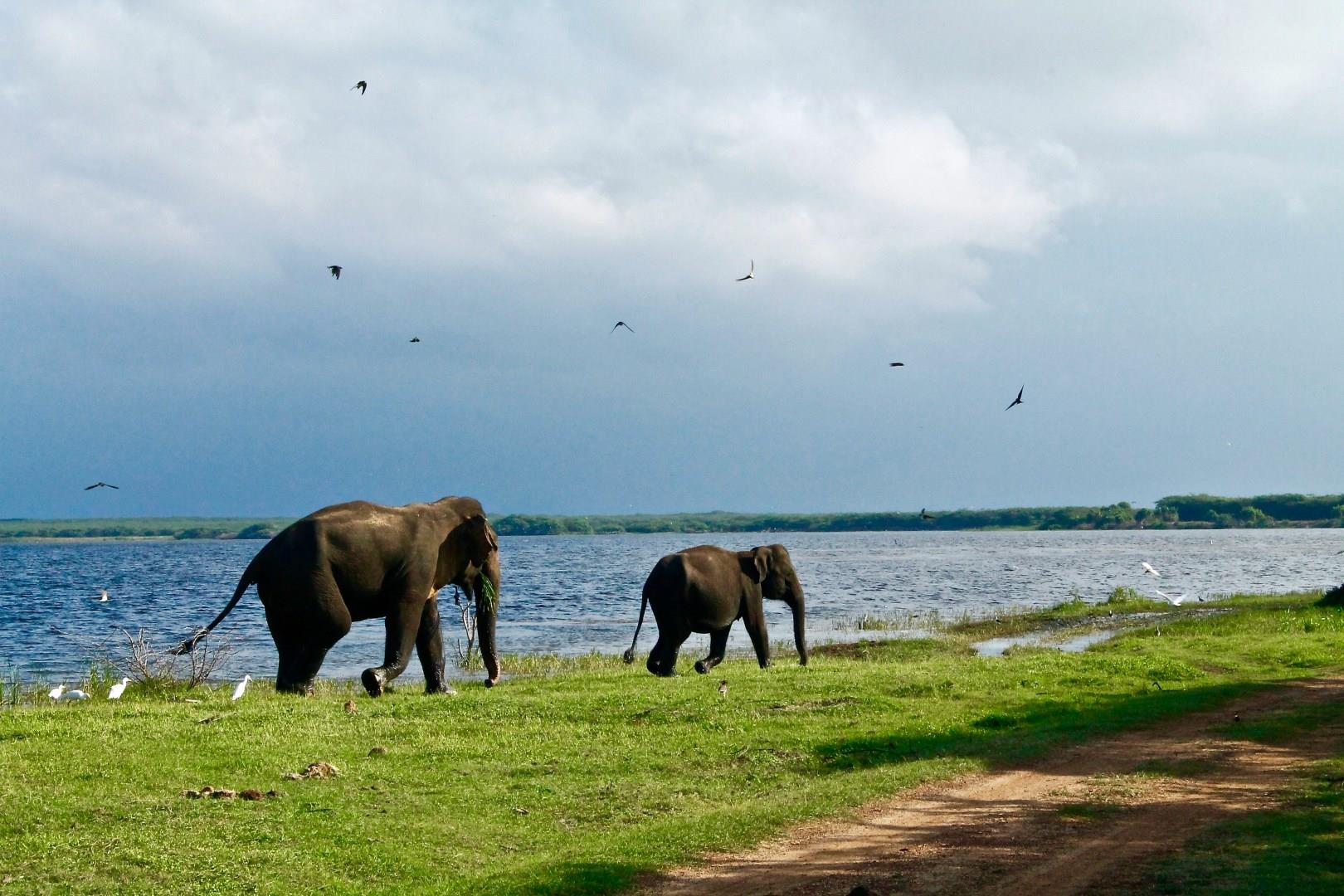
Tissamaharama
Tissamaharama, often called “Tissa” by seasoned travelers, sits in southern Sri Lanka as a town steeped in history and living culture. Once the capital of the ancient Ruhuna Kingdom in the 3rd century BCE, this settlement still radiates stories from the distant past in its temples, reservoirs, and even the streets where market life unfolds each day.
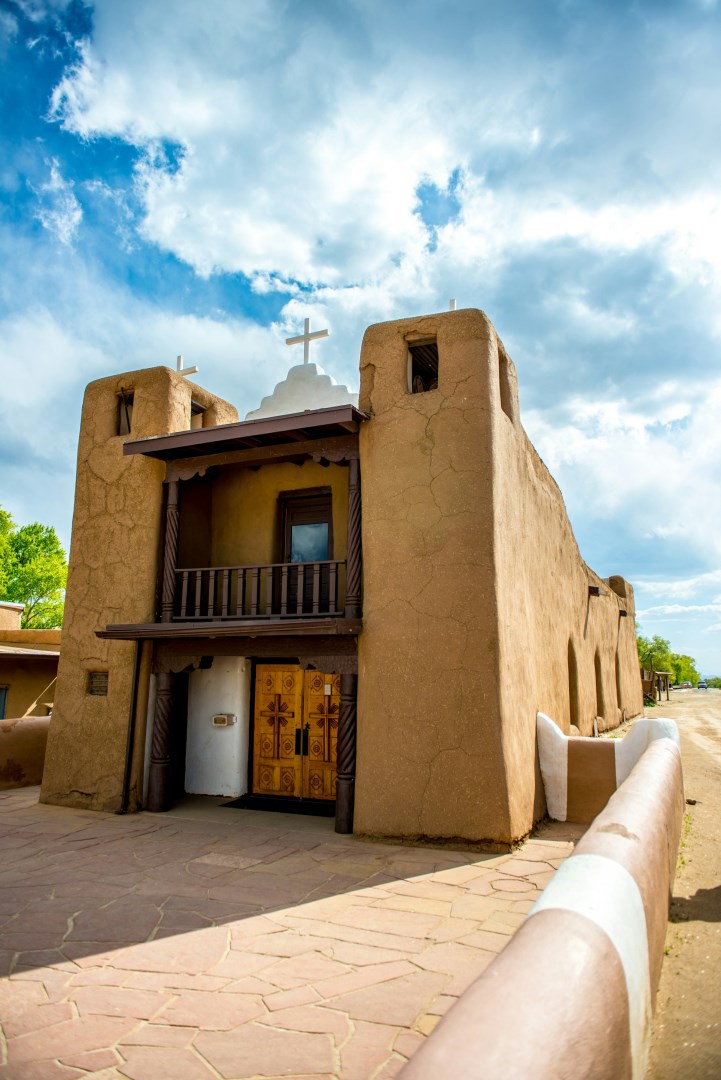
Taos
Taos, located in northern New Mexico, is a town renowned for its rich blend of Native American, Spanish, and Anglo cultures, dramatic landscapes, and artistic legacy. Nestled in the Sangre de Cristo Mountains, it has been a center for centuries of human settlement, from the Taos Pueblo, one of the oldest continuously inhabited communities in North America, to Spanish colonial missions and trading posts.
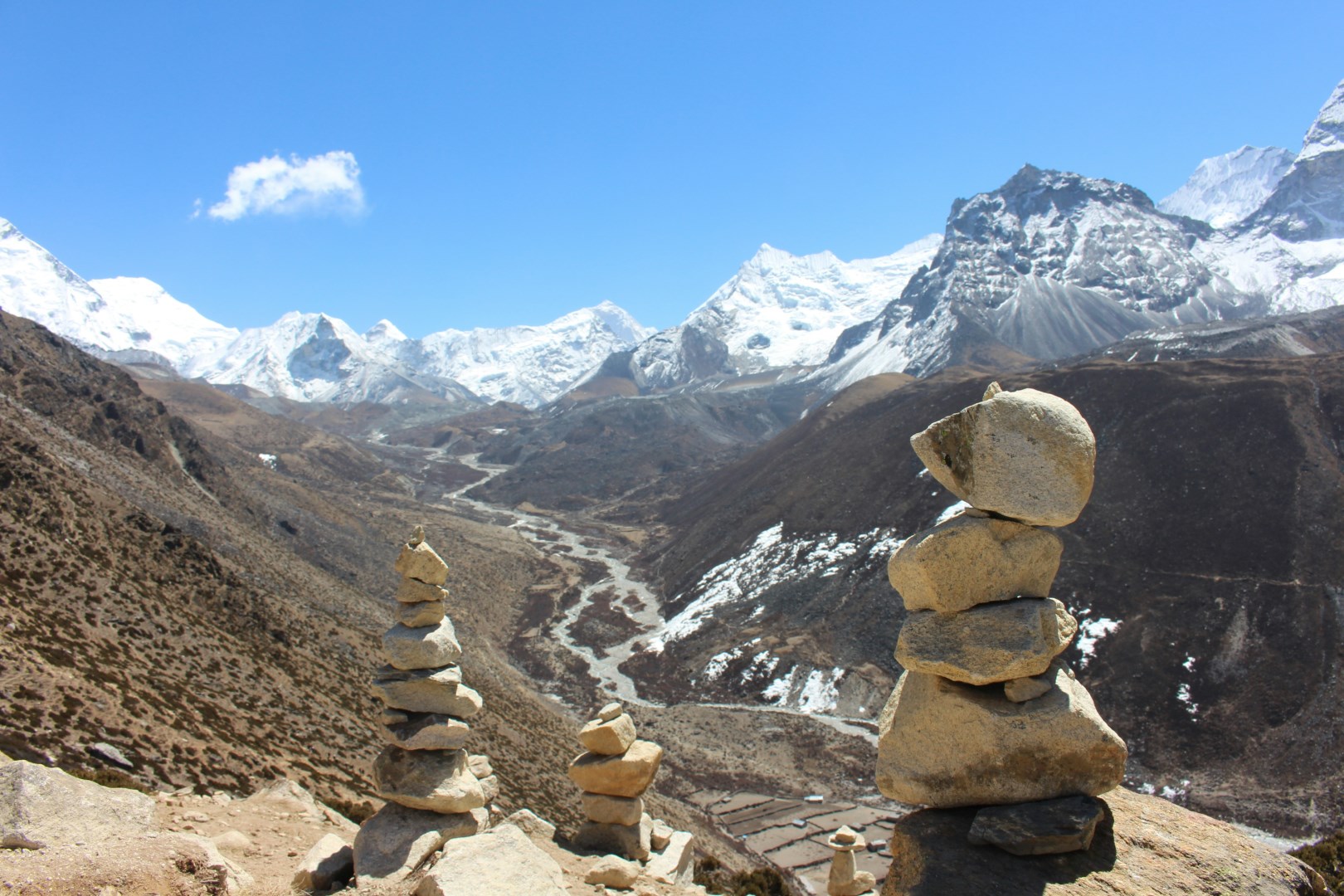
Dingboche
Set in a wide valley beneath towering Himalayan peaks, Dingboche offers a striking pause along the route toward Mount Everest. Unlike the narrower trails below, Dingboche opens into a broad landscape framed by snow-covered giants such as Ama Dablam and Lhotse. The village sits high above the tree line, where the air feels thin and clear, and the surrounding terrain shifts from forested slopes to open alpine ground.
