

Lake Manyara
Nestled at the base of the Great Rift Valley, Lake Manyara is a hidden gem in northern Tanzania that offers an unforgettable safari experience. The lake is part of Lake Manyara National Park, which is known for its dramatic landscapes, from dense groundwater forests to grassy plains. Wildlife enthusiasts will be thrilled to explore this compact park, home to an impressive variety of animals, including elephants, hippos, and the famous tree-climbing lions.
Jeonju-si
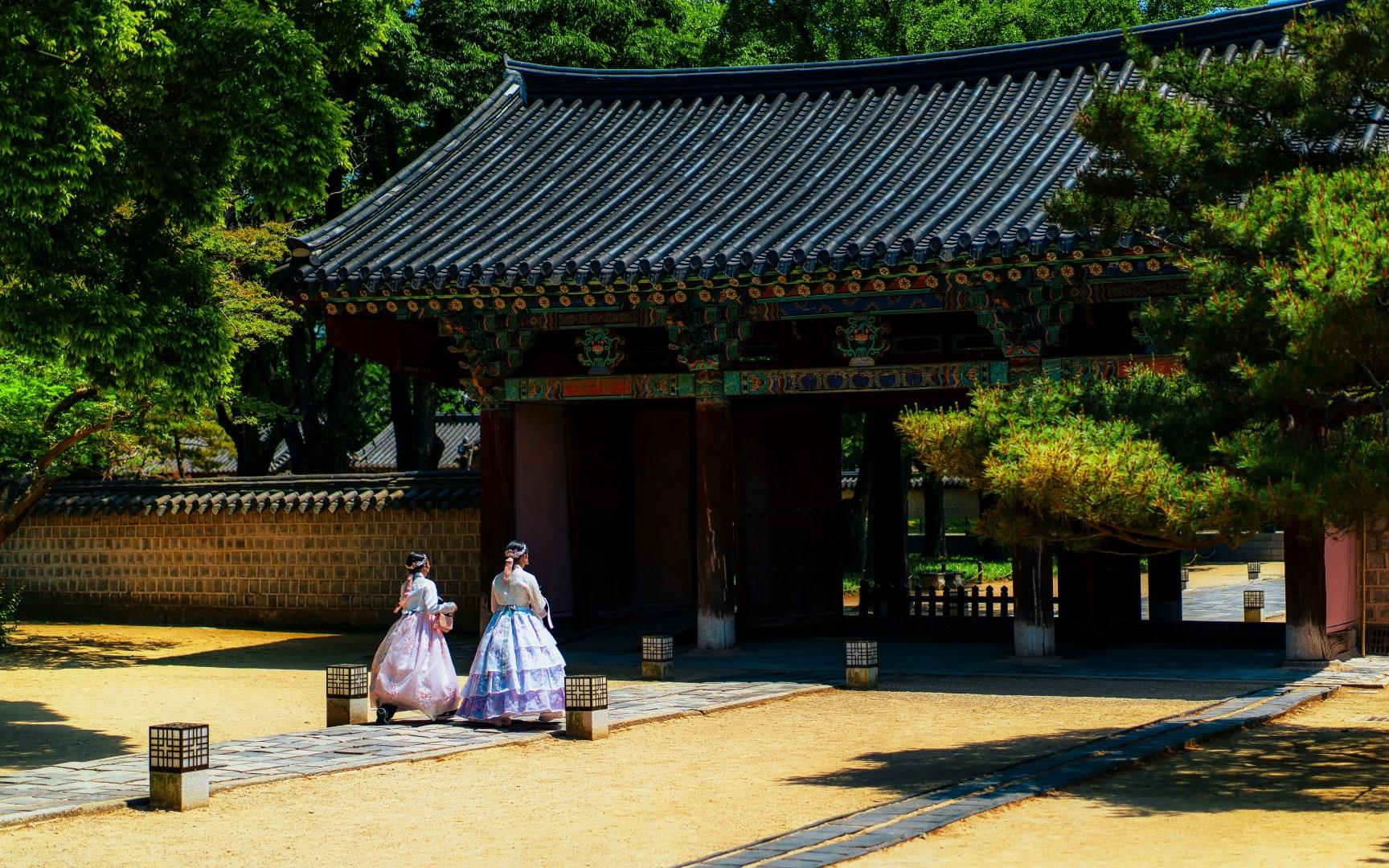
Jeonju-si, in South Korea’s North Jeolla Province, is widely associated with preservation rather than spectacle. The city’s identity is closely tied to its role as a former provincial capital during the Joseon Dynasty and as the birthplace of the royal Yi family.
Armenia
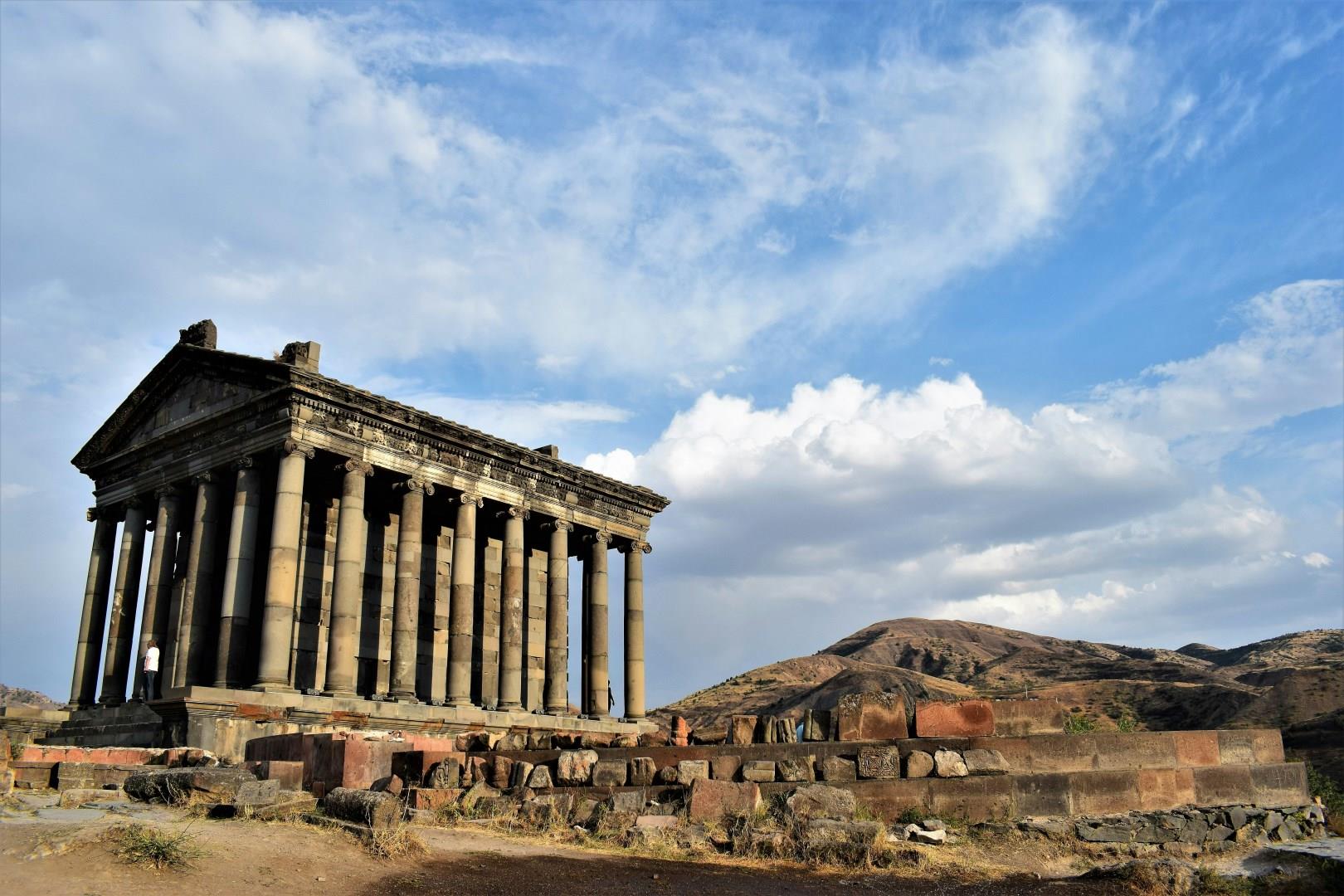
Armenia, set at the crossroads of Europe and Asia, is a country rich in history and breathtaking landscapes. Known as one of the world’s oldest nations, it offers travelers a glimpse into ancient traditions that remain alive today. The dramatic scenery ranges from high mountains and deep gorges to serene lakes, creating endless opportunities for exploration.
King Salmon
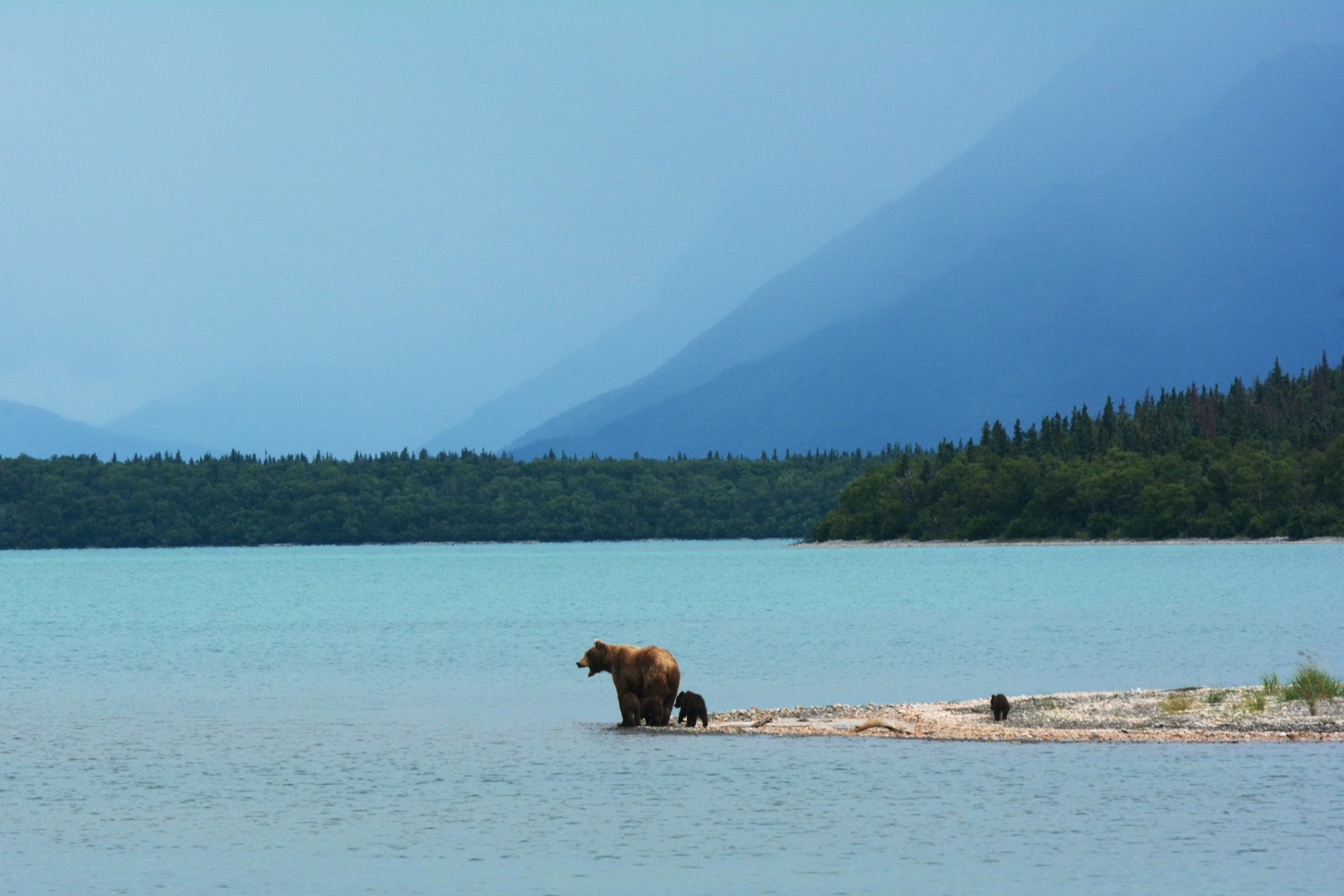
King Salmon is a small community in southwest Alaska on the Alaska Peninsula, located along the Naknek River near the shores of Naknek Lake. It serves as a regional transportation and service center for the Bristol Bay area and as an important base for visitors traveling into the surrounding wilderness. The community is surrounded by tundra, wetlands, lakes, rivers, and low volcanic hills rather than tall mountains.
Waterton Lakes National Park
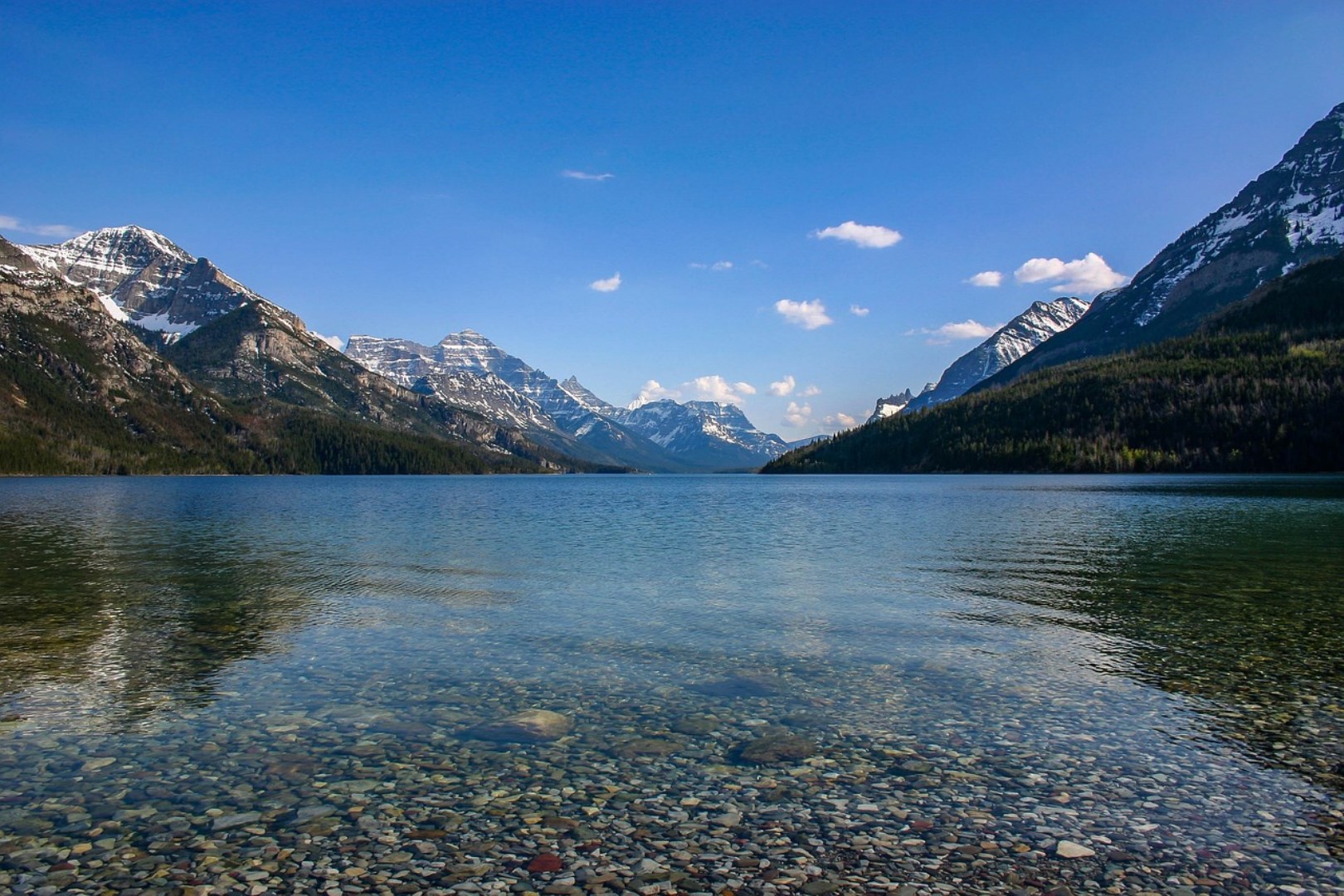
Together with neighboring Glacier National Park in the United States, Waterton Lakes National Park is part of the world's first international Peace Park, which was recognized as a UNESCO World Heritage Site in 1955. The Waterton-Glacier Peace Park protects an important biological crossroads where the Rocky Mountains reach their narrowest width. Waterton's bedrock is much older than that of the mountains to the north found in Jasper and Banff.
