
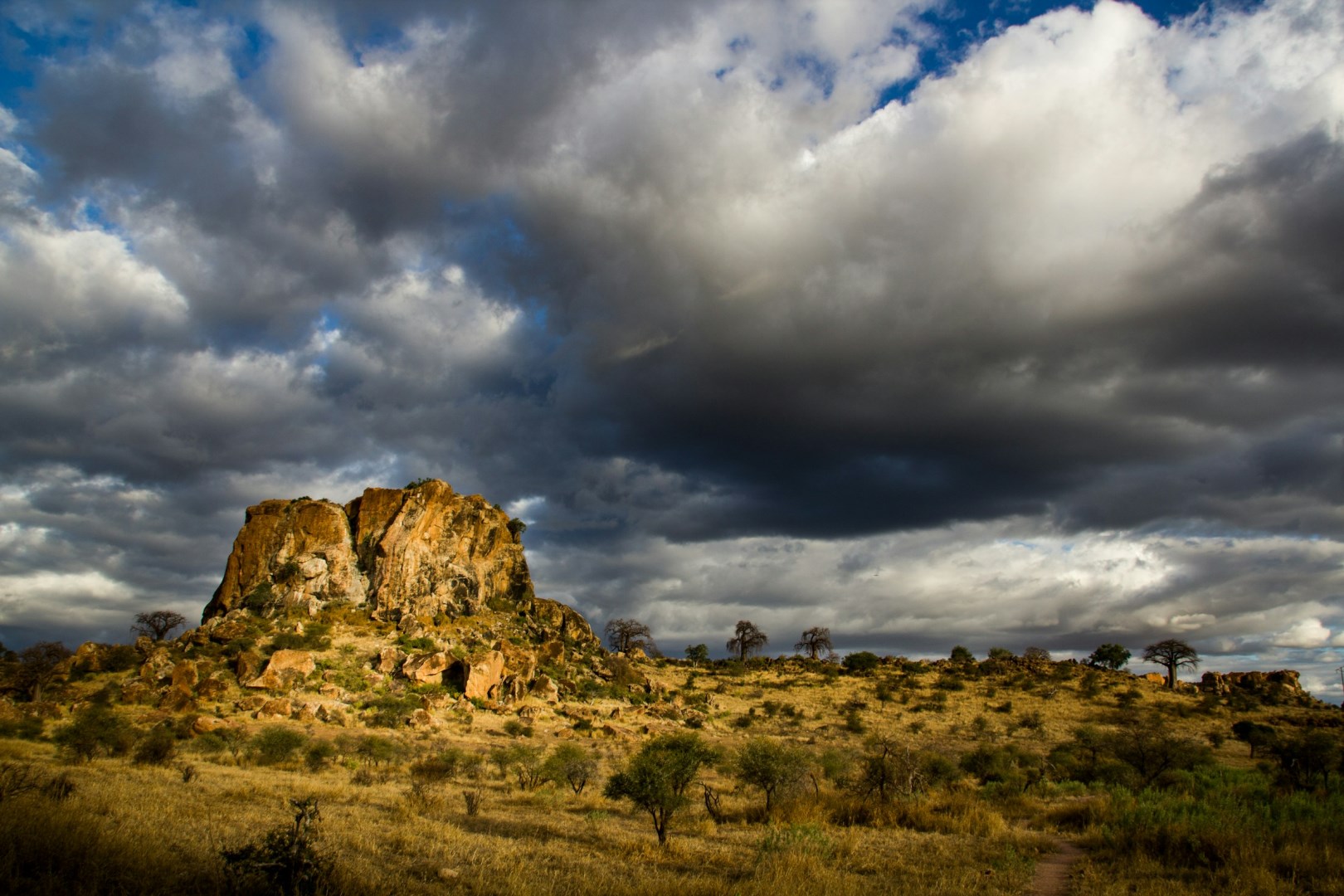
Mapungubwe National Park
Mapungubwe National Park lies in Limpopo province at the meeting point of the Limpopo and Shashe rivers, where South Africa borders Botswana and Zimbabwe. Its landscape combines open savanna, sandstone cliffs, baobab trees, riverine woodland, and rocky hills. The park forms part of the Mapungubwe Cultural Landscape, a UNESCO World Heritage Site recognized for its archaeological and cultural importance.
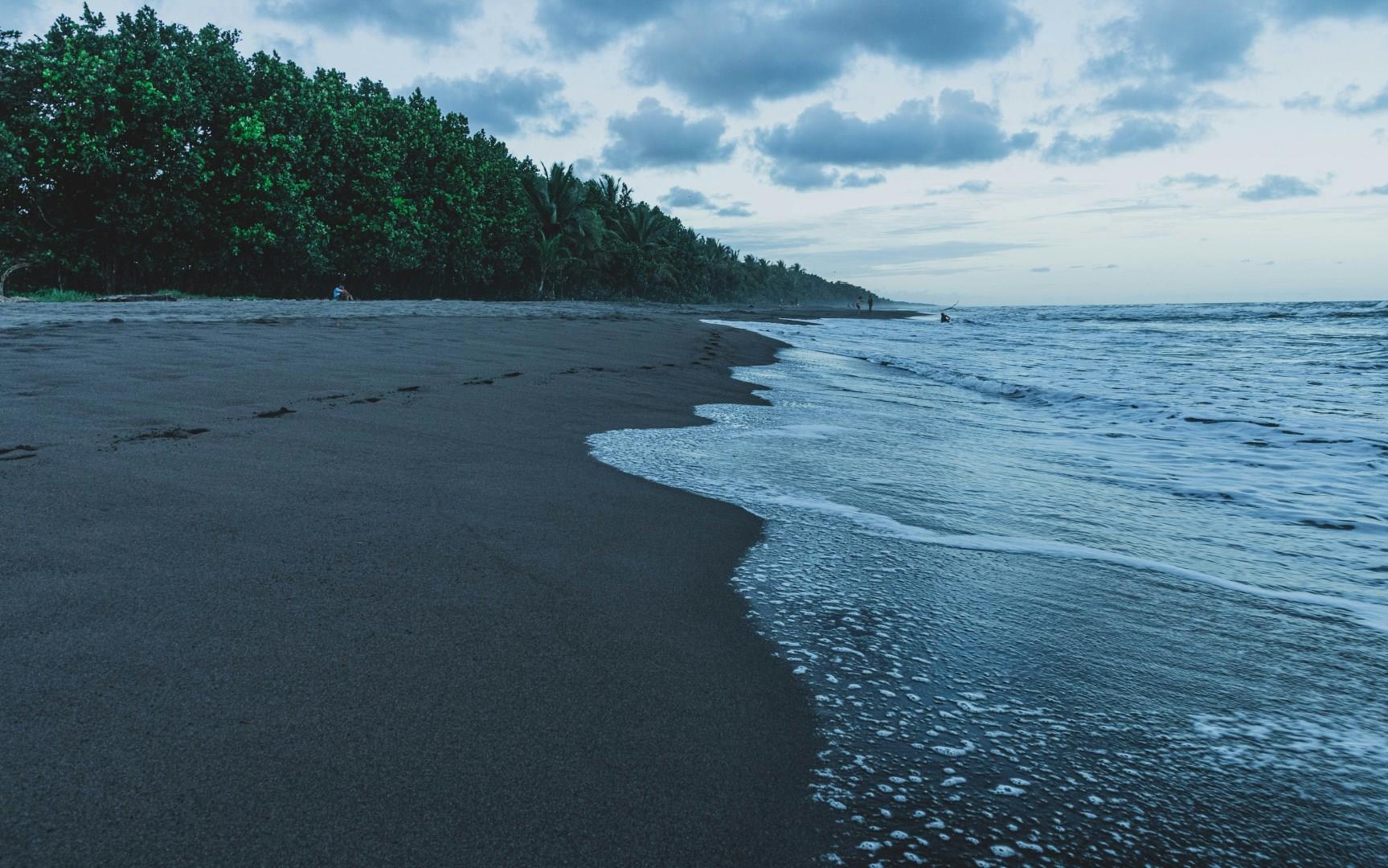
Tortuguero
Tortuguero, located on Costa Rica’s remote northern Caribbean coast, is a destination unlike any other in the country. Accessible only by boat or small aircraft, this coastal village sits between the Caribbean Sea and a network of freshwater canals. Its name, meaning "place of turtles," comes from the thousands of sea turtles that arrive annually to lay their eggs on its beaches, including green, leatherback, and hawksbill turtles.

Ravenna
Ravenna is a destination that captivates visitors with its timeless beauty and rich heritage. Whether marveling at its mosaics, savoring its cuisine, or enjoying the peaceful Adriatic coast, Ravenna promises an unforgettable journey into Italy’s past and present.
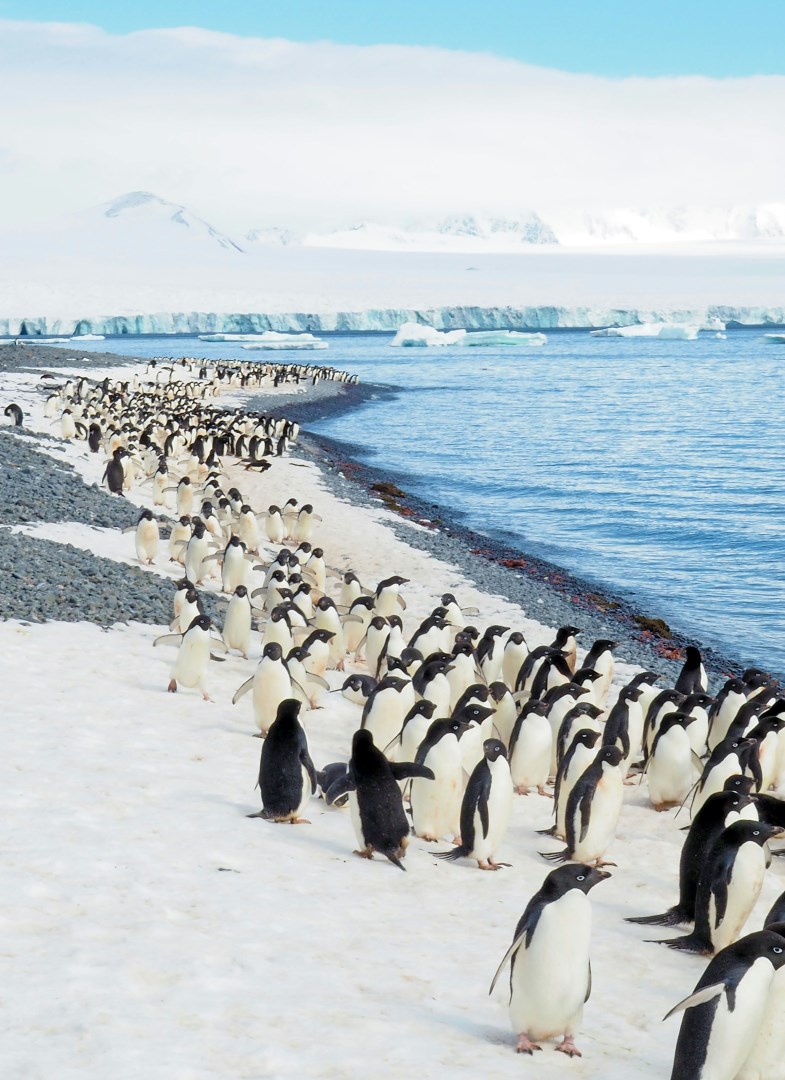
Brown Bluff
Brown Bluff is a distinctive coastal landmark on the east side of the Tabarin Peninsula, overlooking the southwestern Antarctic Sound. Its defining feature is a long beach of cobbles and volcanic ash backed by steep, red-brown cliffs that rise toward an ice-capped, flat-topped mountain. The cliffs are made of volcanic tuff and contain rounded volcanic bombs, giving the shoreline a rugged geological character. Glaciers and permanent ice border the site, while brash ice can sometimes spread across

Algarve
The Algarve, Portugal's southernmost region, is a treasure trove of stunning landscapes and rich cultural experiences. Renowned for its breathtaking coastline, the Algarve boasts dramatic cliffs, golden sandy beaches, and crystal-clear waters. The coastline is dotted with picturesque towns like Lagos and Albufeira, which offer a blend of vibrant nightlife and tranquil beaches. The iconic Ponta da Piedade near Lagos is a must-see, with its striking rock formations and secluded caves that can be e
