

Nelson Lakes National Park
Nestled in the heart of New Zealand's South Island, Nelson Lakes National Park is a paradise for nature enthusiasts and adventure seekers alike. This breathtaking park is renowned for its stunning lakes, dense beech forests, and rugged mountains. The twin lakes, Rotoiti and Rotorua, are the park's crown jewels, offering crystal-clear waters framed by lush greenery. Visitors can explore these serene lakes by taking a scenic boat ride or embarking on a picturesque hike along their shores.

Dominica
Dominica, known as the “Nature Island of the Caribbean,” is a haven for eco-tourists and adventure seekers. Nestled between the French islands of Guadeloupe and Martinique, this lush island boasts a remarkable landscape of volcanic mountains, dense rainforests, and stunning waterfalls. Dominica’s most iconic natural wonder is the Boiling Lake, the second-largest hot spring in the world.
Tierra Del Fuego
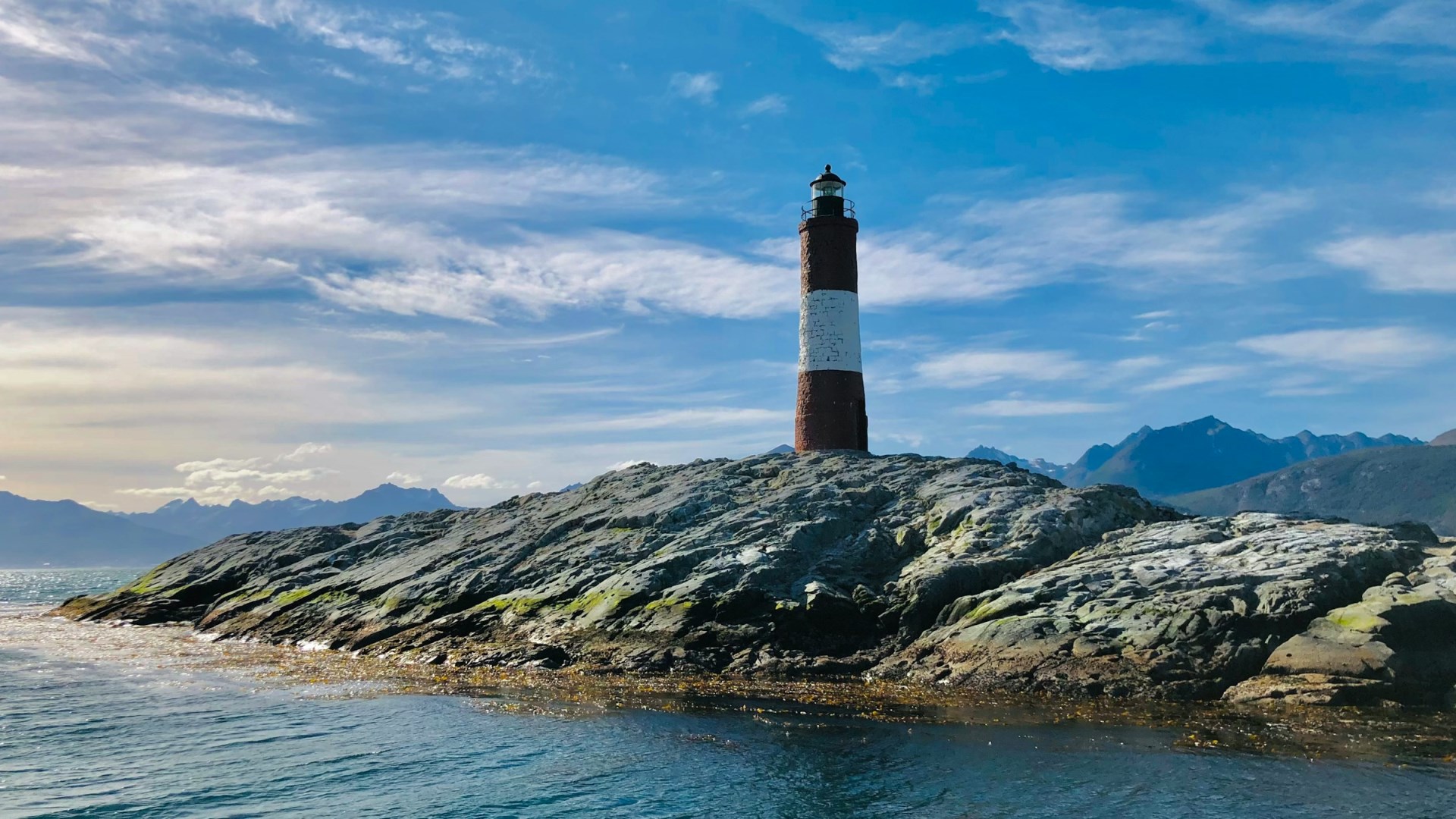
Argentina shares half of this island territory in the South Atlantic Ocean with Chile. It's a place of oil derricks, sheep, glaciers, wind and waterways. Ushuaia and Río Grande are the two main towns; awesome scenery, wild walks and fishing are the island's main attractions. Argentina's only coastal national park comprises rivers, lakes, forests and glaciers, with great trekking and wildlife-spotting opportunities.

Dijon
Dijon is the capital of the Burgundy region in eastern France and a city renowned for its rich history, architectural beauty, and, of course, its world-famous mustard. With the city's origins dating back to Roman times, Dijon boasts an impressive array of historical sites, including the Église Notre-Dame and Palais des Ducs, one of France's most outstanding museums of fine arts.
Palm Beach
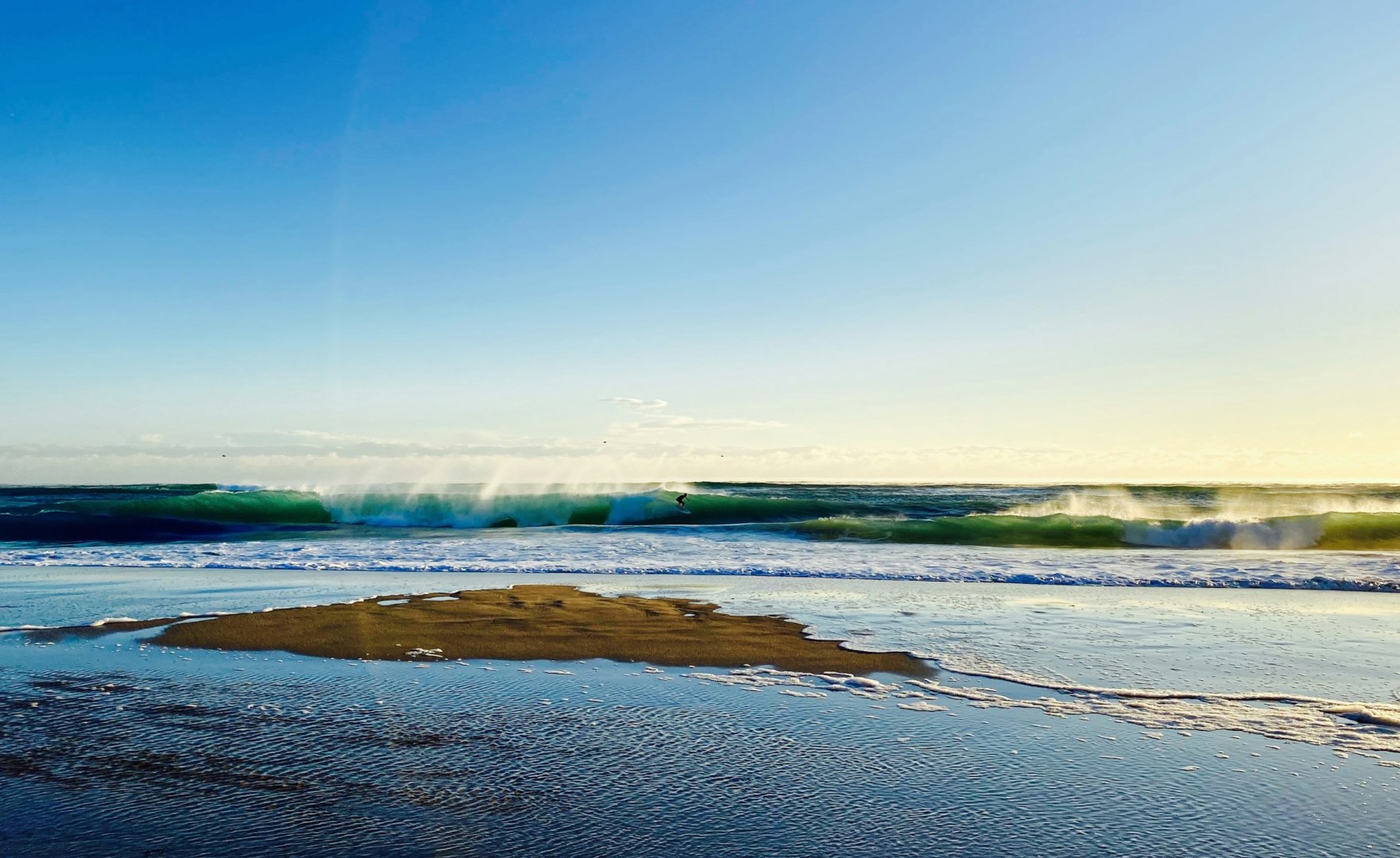
Palm Beach, southeastern Florida, on the northern end of a barrier island situated between Lake Worth (a lagoon) and the Atlantic Ocean; incorporated 1911. It has a subtropical climate and is a fashionable and luxurious winter resort. The town is named for its palm-lined beach.
