
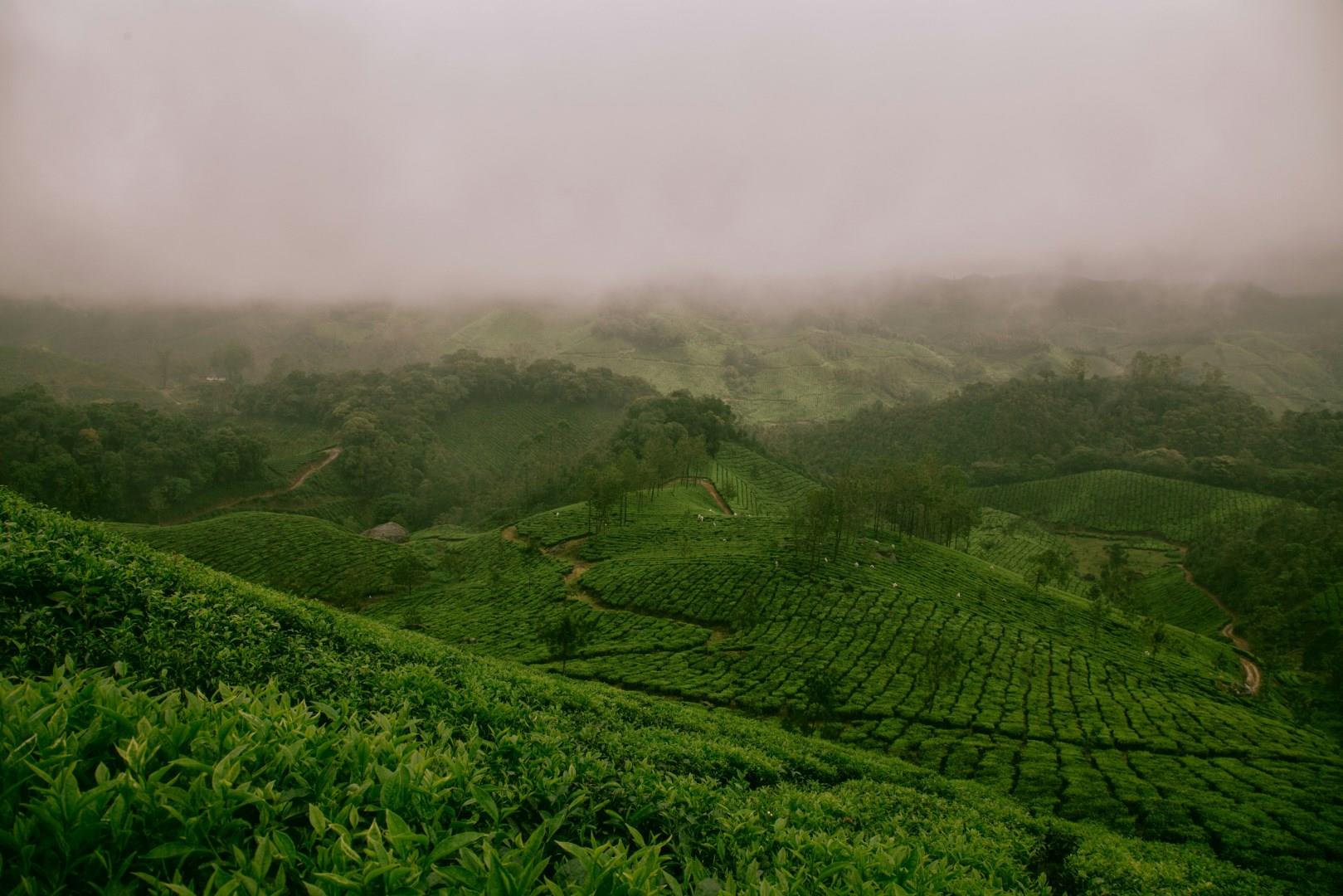
Munnar
Munnar, located in the Western Ghats of Kerala, India, sits at around 1,600 meters above sea level and was once the summer resort of British colonial officers. Today, it’s known for its vast tea plantations, many of which date back to the 19th century. Visitors can walk through estates like Kolukkumalai, the highest tea plantation in the world, where traditional methods are still used to process leaves by hand.

Dominica
Dominica, known as the “Nature Island of the Caribbean,” is a haven for eco-tourists and adventure seekers. Nestled between the French islands of Guadeloupe and Martinique, this lush island boasts a remarkable landscape of volcanic mountains, dense rainforests, and stunning waterfalls. Dominica’s most iconic natural wonder is the Boiling Lake, the second-largest hot spring in the world.

Cordoba
Argentina's second largest city, founded 400 years ago by Conquistadores, Cordoba is built at the edge of the Pampas and in thefoothills of the Andes Mountains. It is a university town that maintains the charm of Colonial days and Spanish traditions.
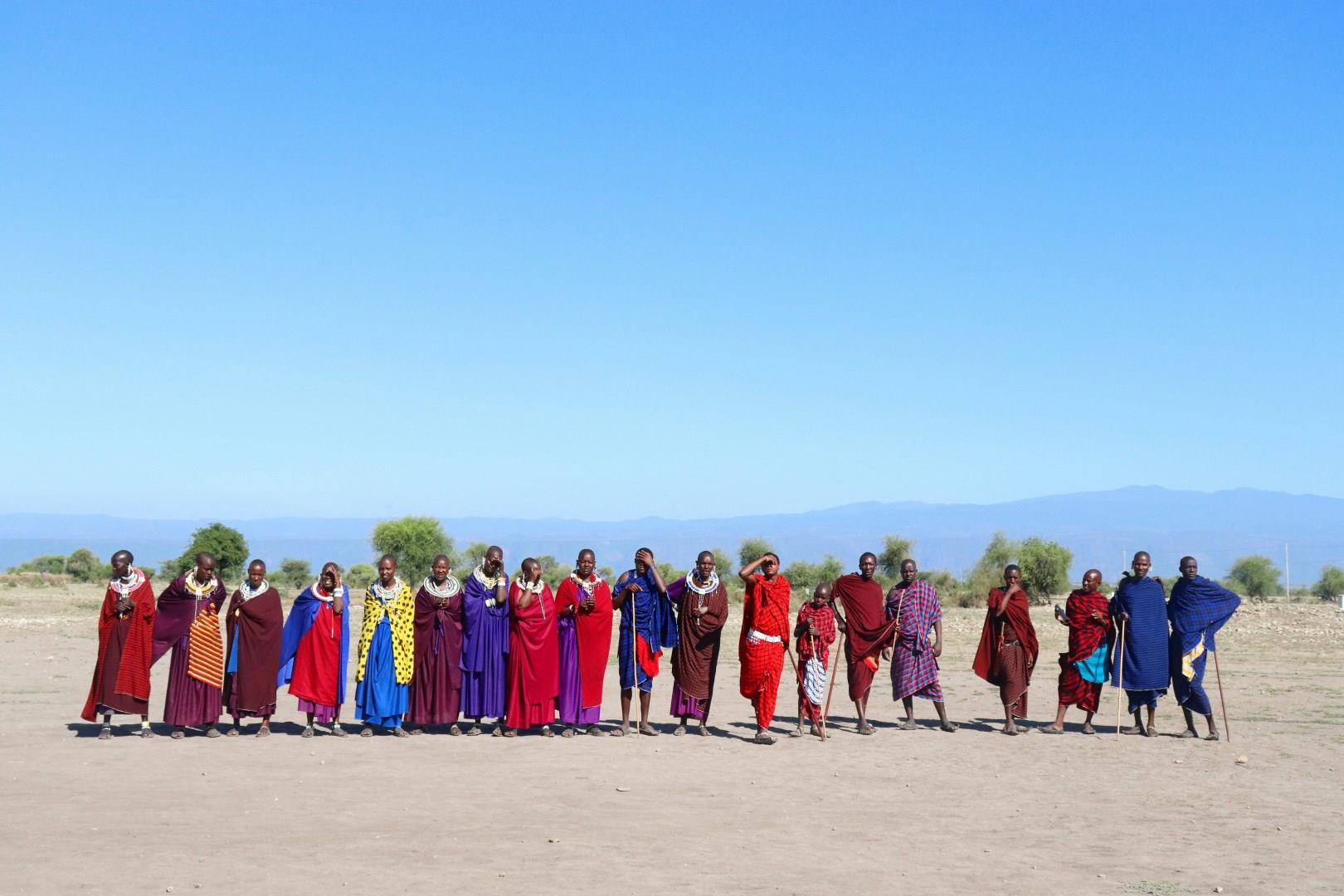
Karatu
Karatu, located in northern Tanzania between Lake Manyara and the Ngorongoro Crater, is more than just a stopover for safari-goers. This highland town, surrounded by rolling farmland and volcanic hills, offers travelers a closer look at daily life in the region. The area is home to the Iraqw people, known for their terraced farming, traditional homesteads, and unique language unrelated to most other East African tongues.

Hurghada
Hurghada, located on the western shore of the Red Sea, is a vibrant Egyptian city known for its stunning beaches and thriving marine life. As one of Egypt's premier resort destinations, it offers an array of activities for beachgoers and adventure seekers alike. The city's pristine beaches are perfect for relaxing, while the warm, crystal-clear waters invite visitors to dive into a world of colorful coral reefs and diverse marine species.
