

Nile River
The River Nile, most often associated with Egypt and its ancient civilizations, actually flows through eight other countries including Uganda, Ethiopia, Sudan, and Kenya. It is formed by two major tributaries, the White Nile and Blue Nile, and is considered by many to be the longest river in the world when measured from its source waters in Rwanda and Burundi.
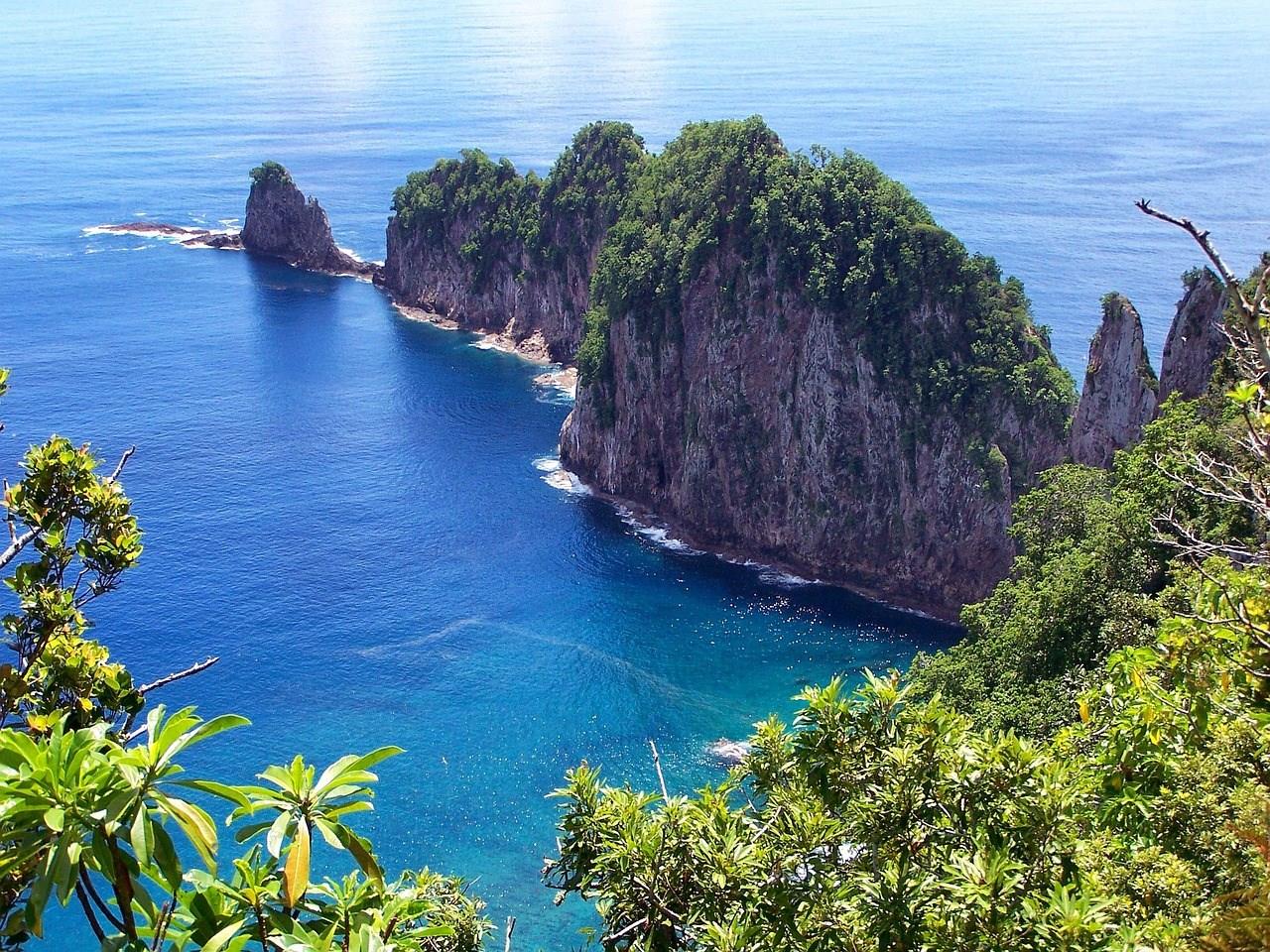
National Park of American Samoa
The National Park of American Samoa invites visitors to step into a world shaped by towering volcanic ridges, tangled rainforests, and clear coral-sand bays. Spread across Tutuila, Ta‘ū, and Ofu islands, the park protects nearly 13,500 acres of land and 4,000 acres of ocean, an unusual patchwork where ancient ecosystems like paleotropical rainforests meet hip-deep coral reefs. Only U.S. national park in the Southern Hemisphere, it’s a place where you can hike through cloud-shrouded forests and t

Taranto
Taranto is a city on the coast of the Ionian Sea in Southern Italy. It is situated between the bodies of water named Mar Piccolo and Mar Grande.
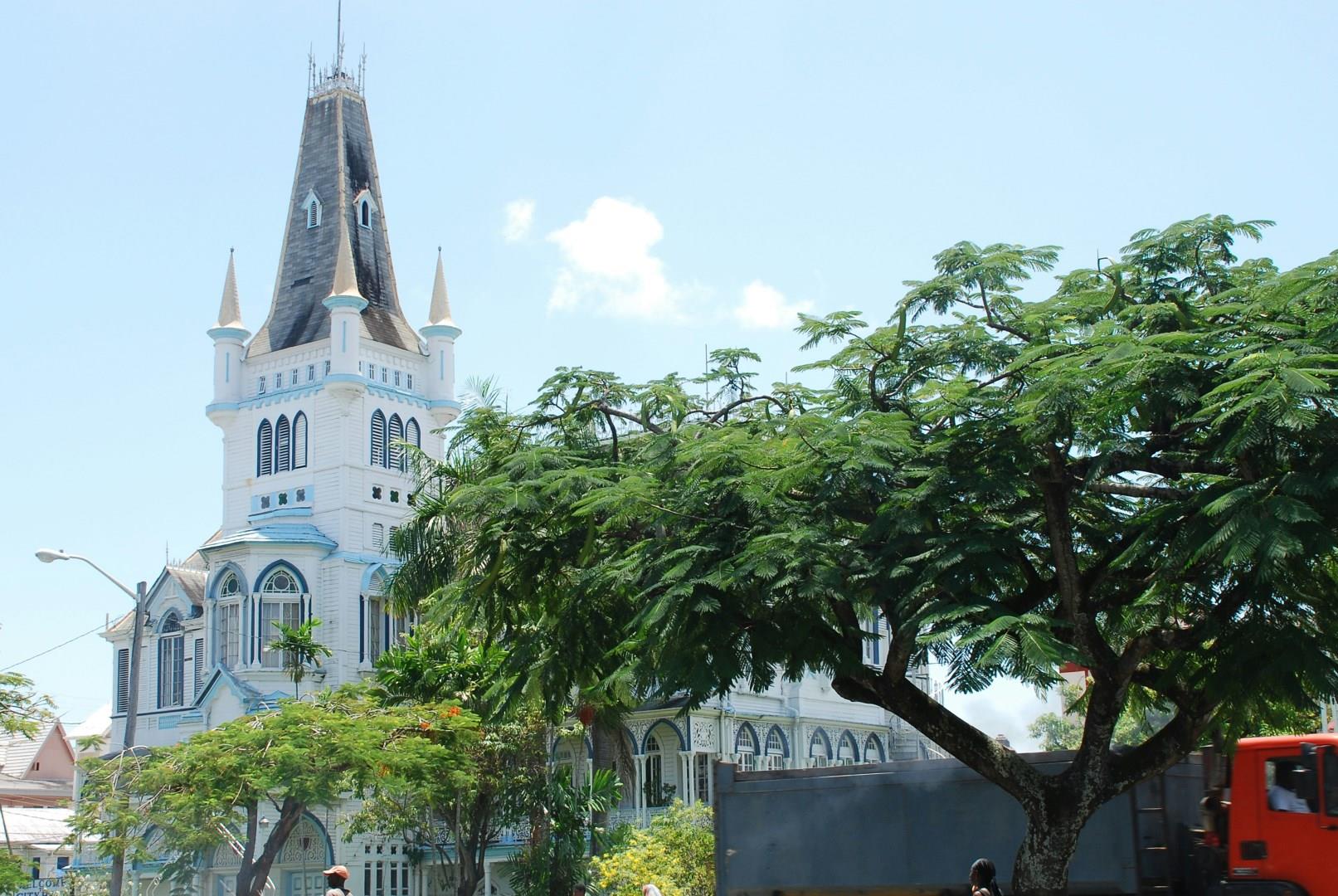
Georgetown
Georgetown, Guyana’s capital, is a city of wooden cathedrals, tree-lined canals, and street corners alive with music, food, and political discussion. Located at the mouth of the Demerara River, the streets still follow the Dutch grid system, and the city’s architectural signature, with its elegant wooden buildings with louvered shutters and fretwork, make it one of the most visually distinct capitals in South America.

Niagara Falls
Niagara Falls, Canada, is a destination that captures the imagination with its breathtaking natural beauty and vibrant atmosphere. Straddling the border between Canada and the United States, Niagara Falls is a world-renowned wonder that consists of three powerful waterfalls: the Horseshoe Falls, the American Falls, and the Bridal Veil Falls. The Canadian side is famous for offering the most spectacular views of these cascading waters.
