

Casablanca
Islamic and French influences blend together in charming Casablanca, Morocco’s iconic coastal city. Frequently used as a port for Spanish and Mediterranean cruises, Casablanca lies halfway between Marrakesh and Fes and is the perfect entryway for exploring the rest of Morocco.
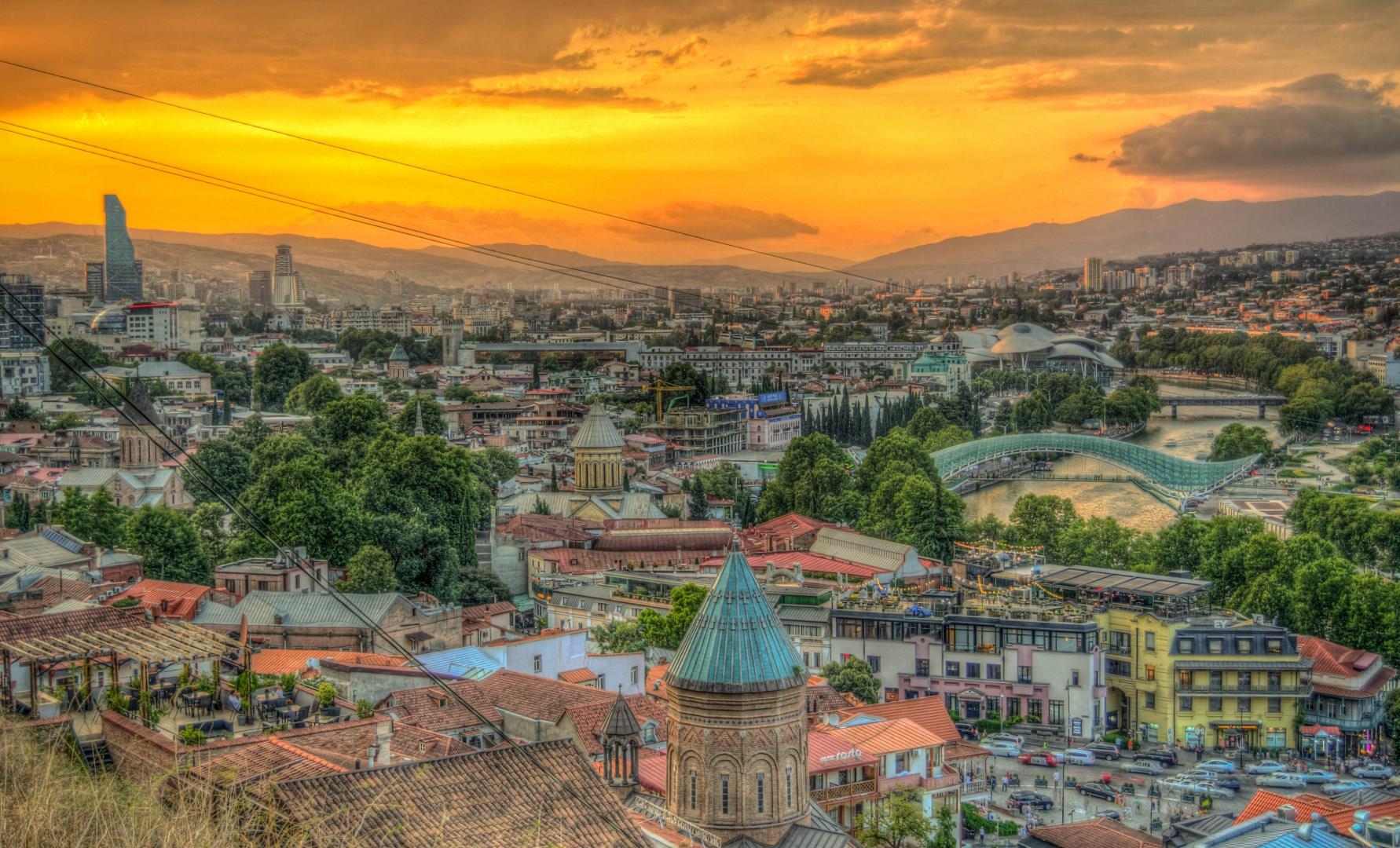
Tbilisi
Tbilisi, the capital of Georgia, is a city where tradition and modern life blend seamlessly. Set along the banks of the Kura River and surrounded by hills, its layout reflects centuries of change and cultural exchange. The Old Town, with its cobbled lanes and wooden balconies, is a living museum of architecture, showcasing influences from Persian, Ottoman, and Russian eras. Above it all, the Narikala Fortress stands watch, offering sweeping views of the city below.

Sitka
Sitka is accessible only by air or sea, giving visitors a real taste of this wild frontier. Sitka offers incredible scenery, fishing, hiking, and abundant wildlife. 22 of Sitka's buildings and monuments appear in the National Register of Historic Places.

Slovenia
>Slovenia, tucked between the Alps and the Adriatic Sea, is a small country with a strong sense of identity and an impressive variety of landscapes. Its capital, Ljubljana, is known for its walkable center and mix of Baroque, Secessionist, and modern architecture. The Ljubljanica River runs through the city and is lined with open-air cafés and artisan shops.

St. Thomas
St. Thomas, the gateway to the U.S. Virgin Islands, is a vibrant mix of history, culture, and Caribbean charm. Its capital, Charlotte Amalie, features a waterfront lined with pastel-colored colonial buildings, narrow cobblestone streets, and historic forts such as Fort Christian, which offer glimpses into the island’s Danish colonial past.
