

Amsterdam
Amsterdam, the 17th century capital of Holland, is often called the "Venice of the North" due to its numerous, boat-navigable canals. Truly rich in history, the oldest part of this populous, multicultural city is Sloten, which dates all the way back to the 9th century.

Rhode Island
Rhode Island may be the smallest state in the U.S., but it offers an outsized variety of experiences, from colonial history to coastline escapes. Founded in 1636 by Roger Williams as a haven for religious freedom, the state still reflects its independent spirit. In Providence, travelers can visit the John Brown House Museum to explore the city’s role in early American commerce, or walk Benefit Street, lined with preserved 18th- and 19th-century homes.

St. Maarten
St. Maarten, a dazzling island in the Caribbean, is renowned for its unique blend of Dutch and French cultures, reflecting its dual governance. The capital, Philipsburg, on the Dutch side, invites visitors with its vibrant Front Street, lined with duty-free shops, colorful markets, and charming eateries. The island’s cultural tapestry is further showcased in the Museum of Sint Maarten, where artifacts and exhibits illustrate the island's rich history and heritage.
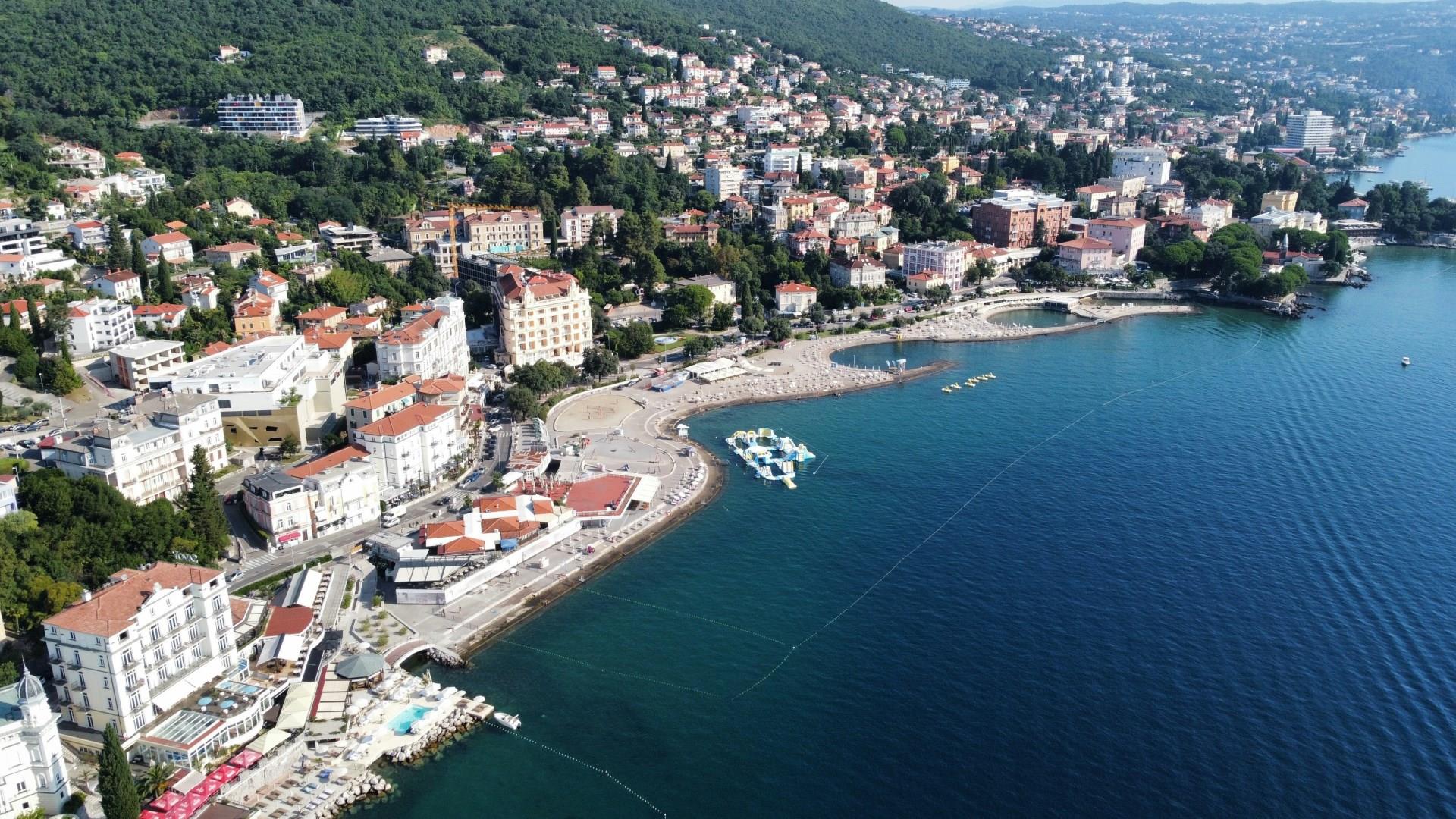
Opatija
Opatija, located on Croatia’s Kvarner Bay, has been drawing visitors since the 19th century, when Austro-Hungarian aristocrats built grand villas along its Adriatic shoreline. Today, many of those same buildings still stand with some restored as luxury hotels and others preserved as cultural landmarks. The town’s most recognizable structure, Villa Angiolina, opened in 1844 and marked the start of Opatija’s rise as a fashionable seaside resort.

Kyoto
Travel through enchanting Kyoto to discover a cultural and spiritual haven in Japan. Once the country’s imperial capital, Kyoto is now home to magnificent shrines, lush botanical gardens and nature parks, and exceptional culinary delights.
