
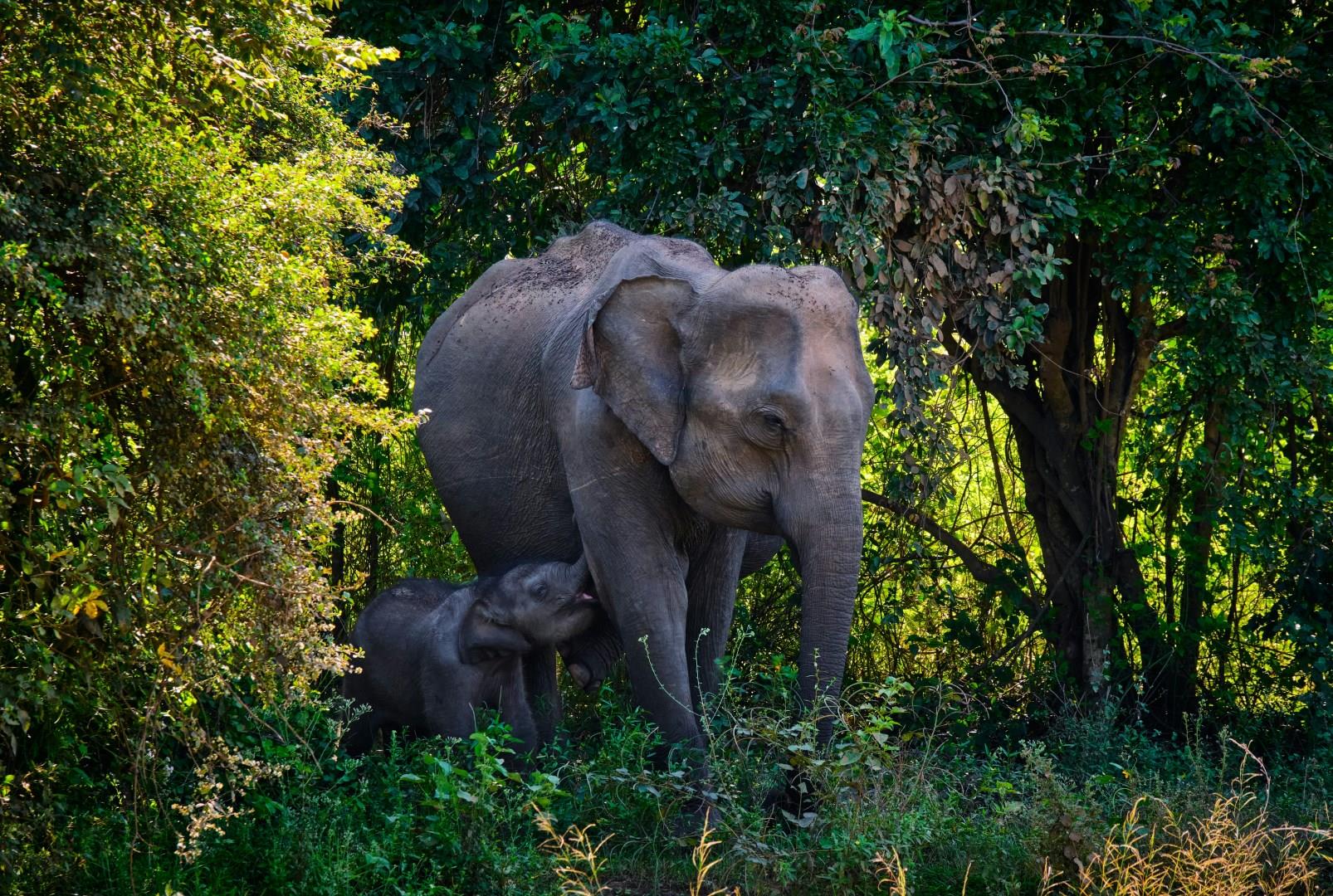
Udawalawe National Park
Udawalawe National Park, located in southern Sri Lanka, is one of the country’s best places to see wild elephants in their natural environment. Established in 1972, the park protects an important watershed area around the Udawalawe Reservoir and provides a sanctuary for hundreds of elephants, which can often be seen roaming in herds across the open grasslands.

Angkor Wat
Angkor Wat, located near Siem Reap in Cambodia, is a mesmerizing testament to the grandeur of the Khmer Empire and one of the world's most remarkable archaeological sites. Built in the early 12th century by King Suryavarman II, Angkor Wat was originally dedicated to the Hindu god Vishnu but later became a Buddhist temple.
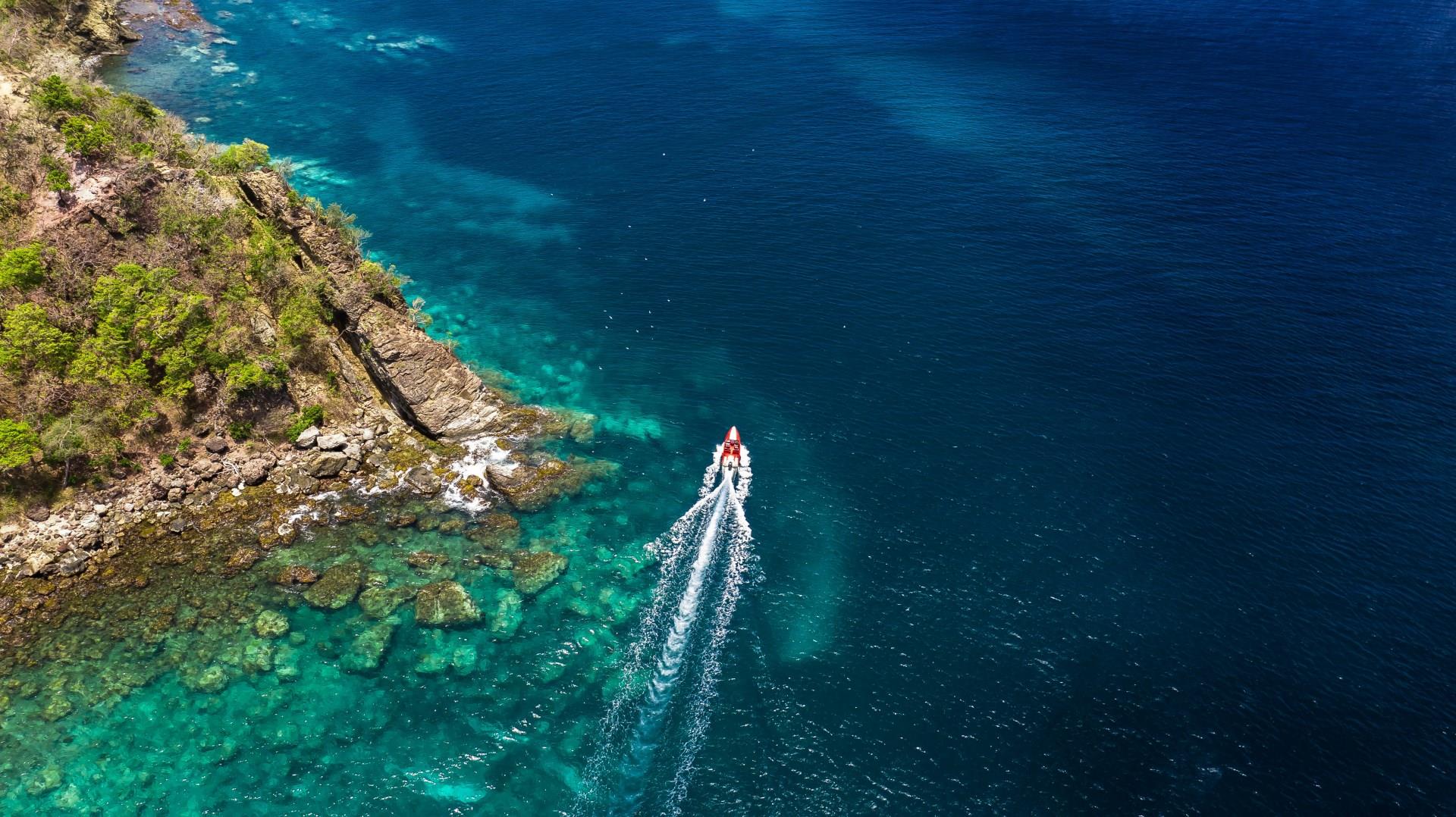
Carriacou
Carriacou, the largest of Grenada’s sister islands, offers a slower pace of life and an intimate window into traditional Caribbean culture. Known as the “Island of Reefs,” it is surrounded by vibrant coral systems that have long supported fishing and sailing traditions.

Jordan
Beyond its historical sites, Jordan's natural landscapes offer a diverse range of experiences. The Dead Sea, the lowest point on Earth's surface, is renowned for its buoyant waters and therapeutic mud, attracting visitors seeking relaxation and wellness. To the south, Wadi Rum's dramatic desert scenery, with its towering sandstone mountains and vast red dunes, provides a backdrop for adventure activities like jeep tours, camel rides, and stargazing.

Pushkar
Pushkar, a small town in the state of Rajasthan, India, is a unique blend of spirituality, culture, and natural beauty. Nestled around the serene Pushkar Lake, this holy town is a major pilgrimage site for Hindus, home to the rare Brahma Temple, one of the very few in the world dedicated to Lord Brahma, the creator god in Hinduism. The temple's striking architecture, with its red spire and intricate marble carvings, draws thousands of devotees and curious travelers alike.
