

Dominica
Dominica, known as the “Nature Island of the Caribbean,” is a haven for eco-tourists and adventure seekers. Nestled between the French islands of Guadeloupe and Martinique, this lush island boasts a remarkable landscape of volcanic mountains, dense rainforests, and stunning waterfalls. Dominica’s most iconic natural wonder is the Boiling Lake, the second-largest hot spring in the world.
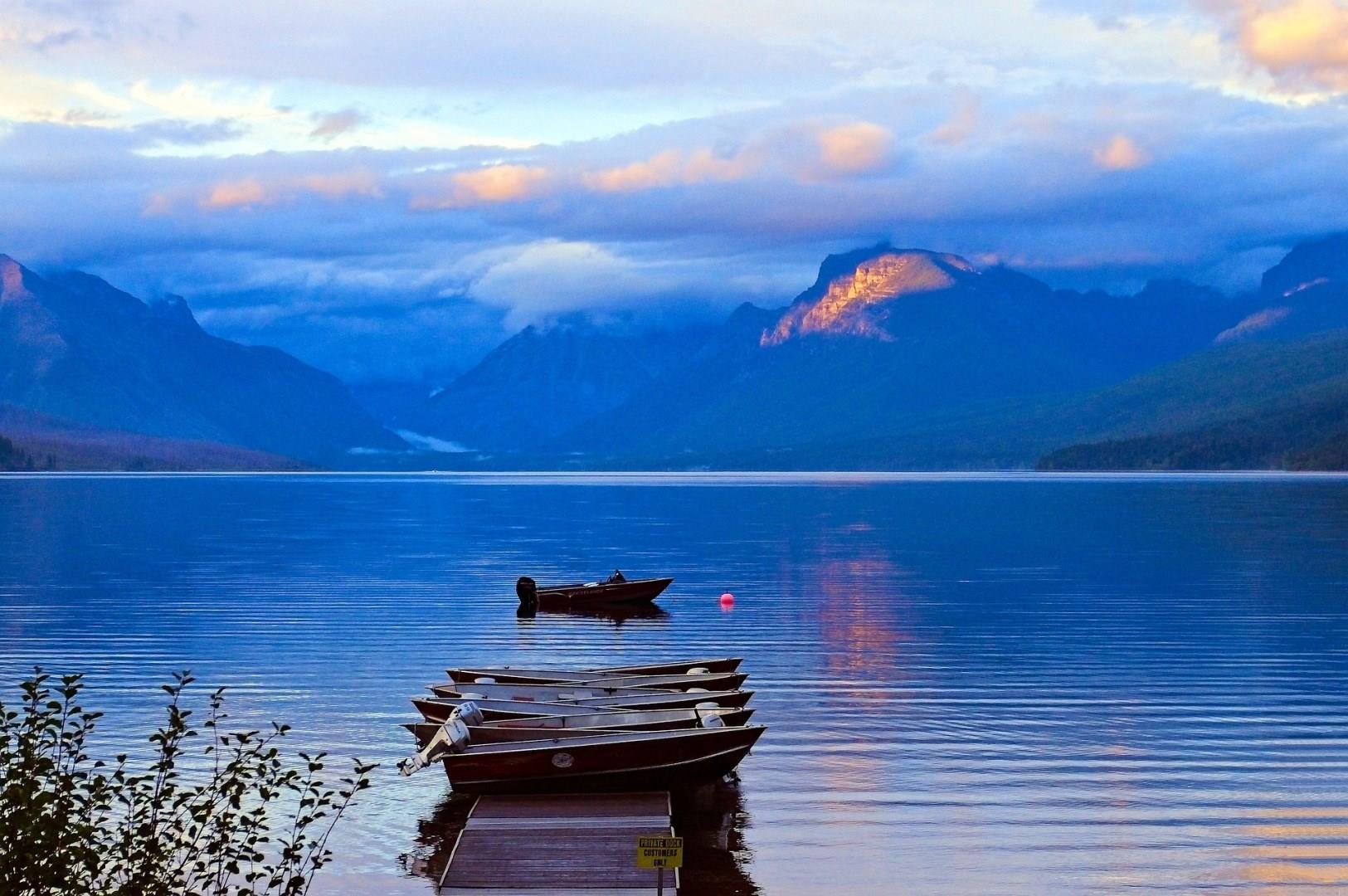
Lake McDonald
Lake McDonald, nestled within the heart of Glacier National Park, Montana, is a picturesque jewel that captivates visitors with its serene beauty and outdoor activities. As the largest lake in the park, Lake McDonald stretches over 10 miles (16 kilometers) long and is renowned for its crystal-clear waters, vibrant colors, and stunning backdrop of rugged mountains.
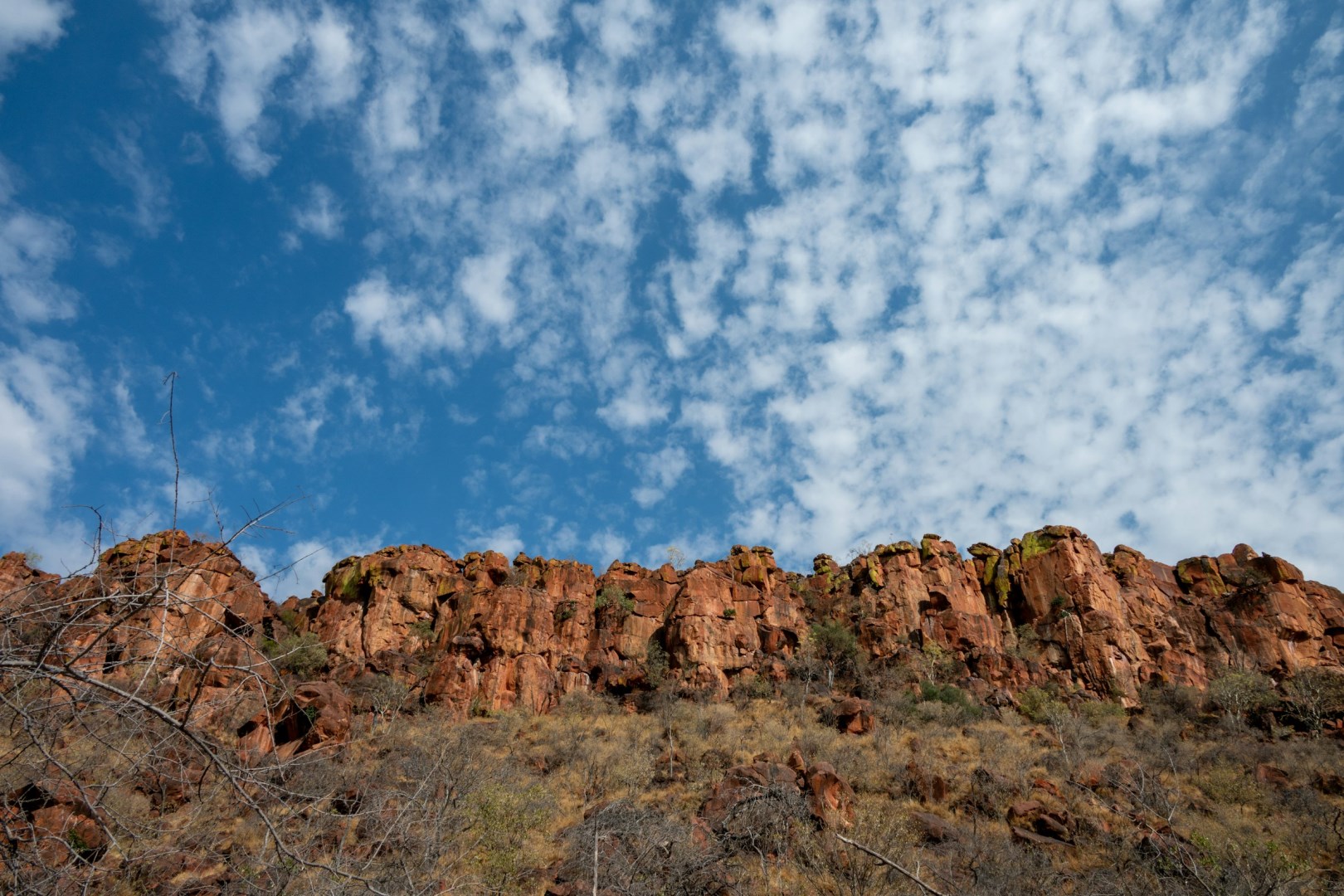
Waterberg Plateau National Park
Waterberg Plateau National Park is a protected area in central Namibia, known for its long sandstone plateau rising above surrounding savanna and thornbush. The porous sandstone supports permanent springs at the base of the plateau, creating greener habitats than those found across much of the surrounding region.
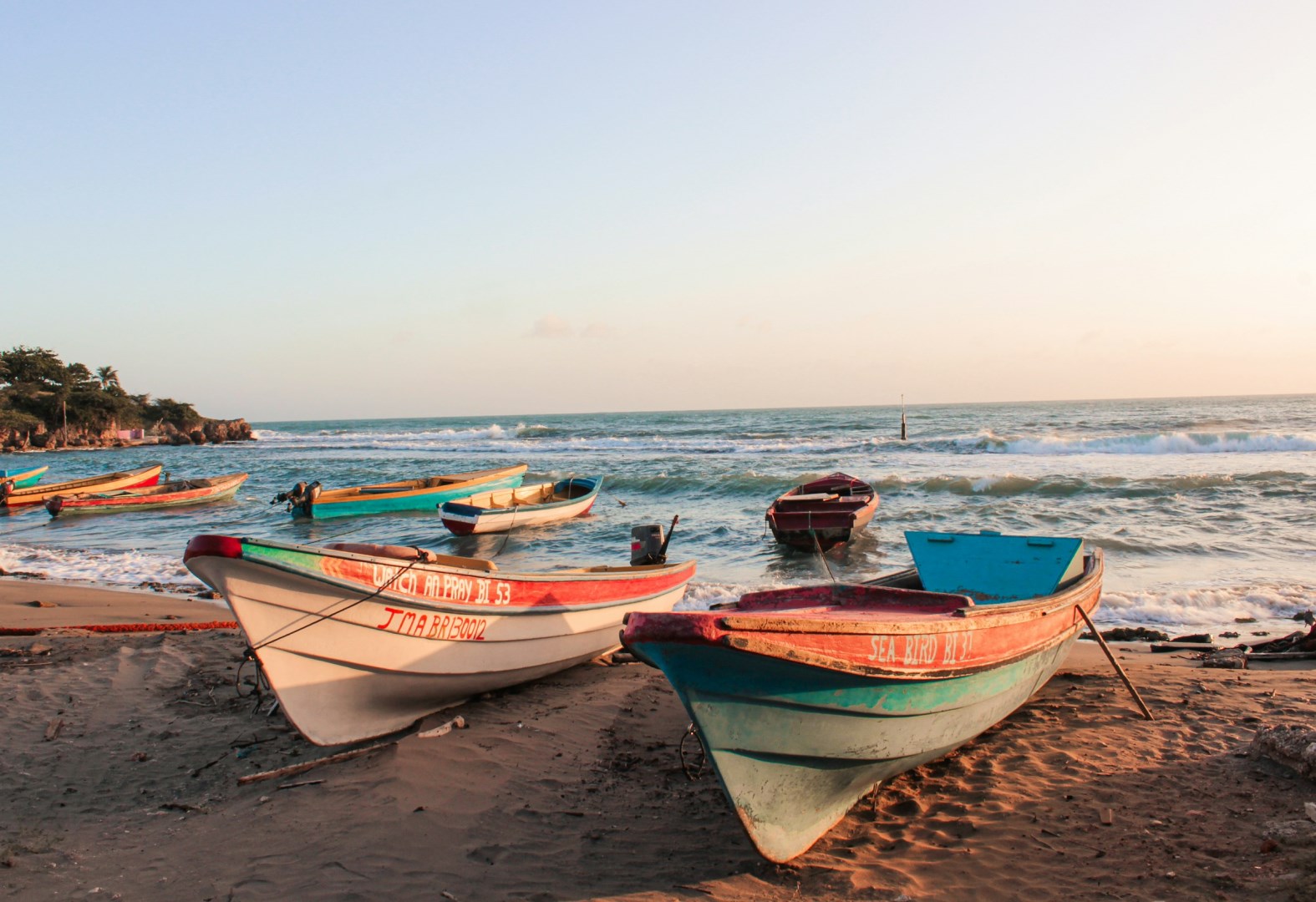
Treasure Beach
Treasure Beach is a collection of small coastal communities on Jamaica’s south coast in Saint Elizabeth Parish, known for quiet bays, fishing villages, rocky shores, and dry coastal landscapes. Unlike the larger resort areas on the island’s northern coast, the area has developed around local communities, small guesthouses, farms, and independent businesses. Calabash Bay, Frenchman’s Bay, Billy’s Bay, and Great Bay form the main coastal sections commonly associated with Treasure Beach.

Nile River
The River Nile, most often associated with Egypt and its ancient civilizations, actually flows through eight other countries including Uganda, Ethiopia, Sudan, and Kenya. It is formed by two major tributaries, the White Nile and Blue Nile, and is considered by many to be the longest river in the world when measured from its source waters in Rwanda and Burundi.
