

Alsace
Nestled in the northeastern corner of France, Alsace is a region that enchants with its picturesque villages, half-timbered houses, and vibrant blend of French and German cultures. Renowned for its scenic vineyards, Alsace's Route des Vins (Wine Route) stretches over 170 kilometers, winding through charming medieval towns like Riquewihr, Colmar, and Eguisheim.
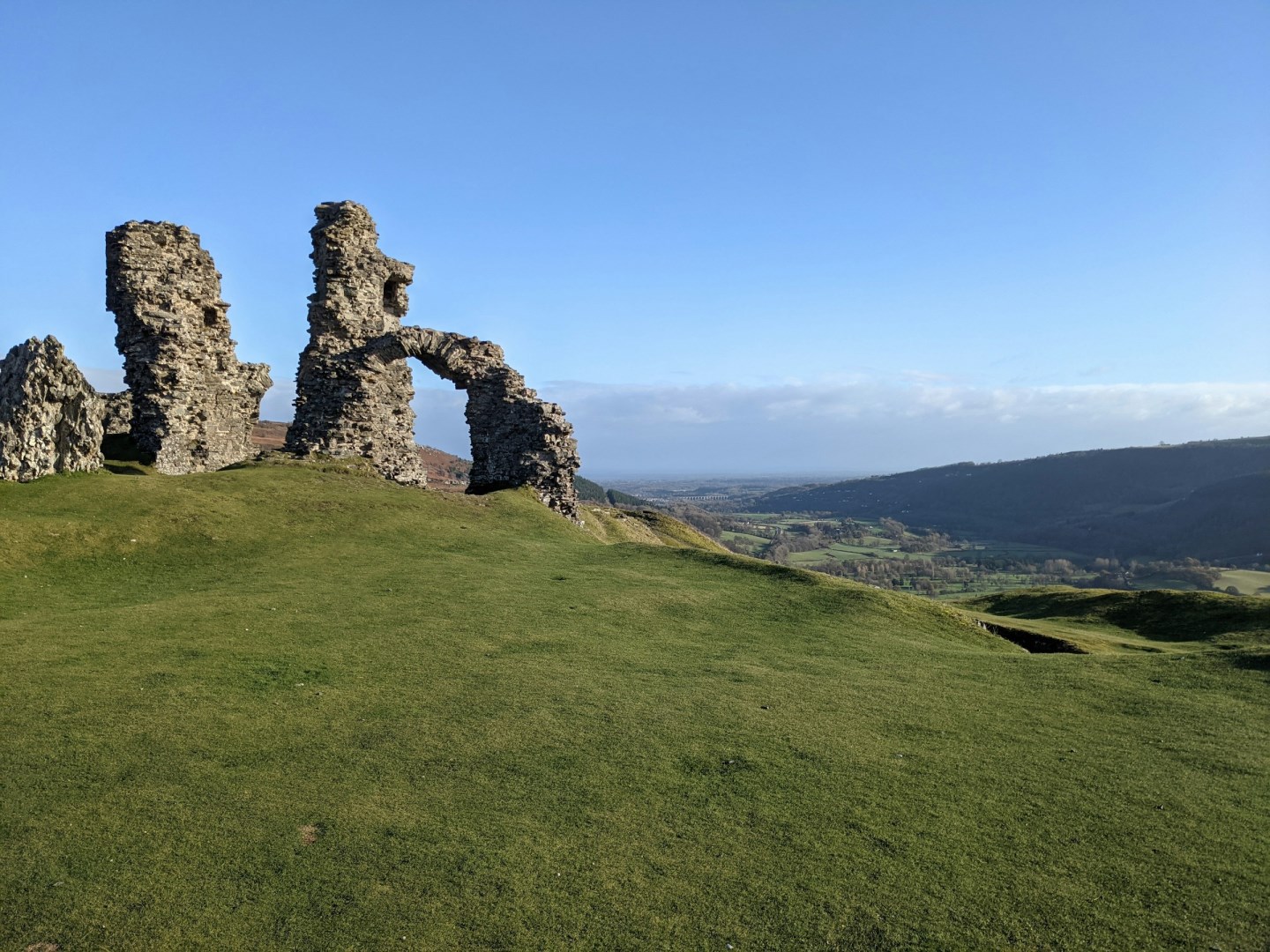
Llangollen
In common with so many ancient Welsh towns, Llangollen takes its name from its founding Saint; Collen, a seventh century saint, who chose this place to build his hermitage or cell in the custom of the times, with tiny church, hospice and outhouses all enclosed within a wall.
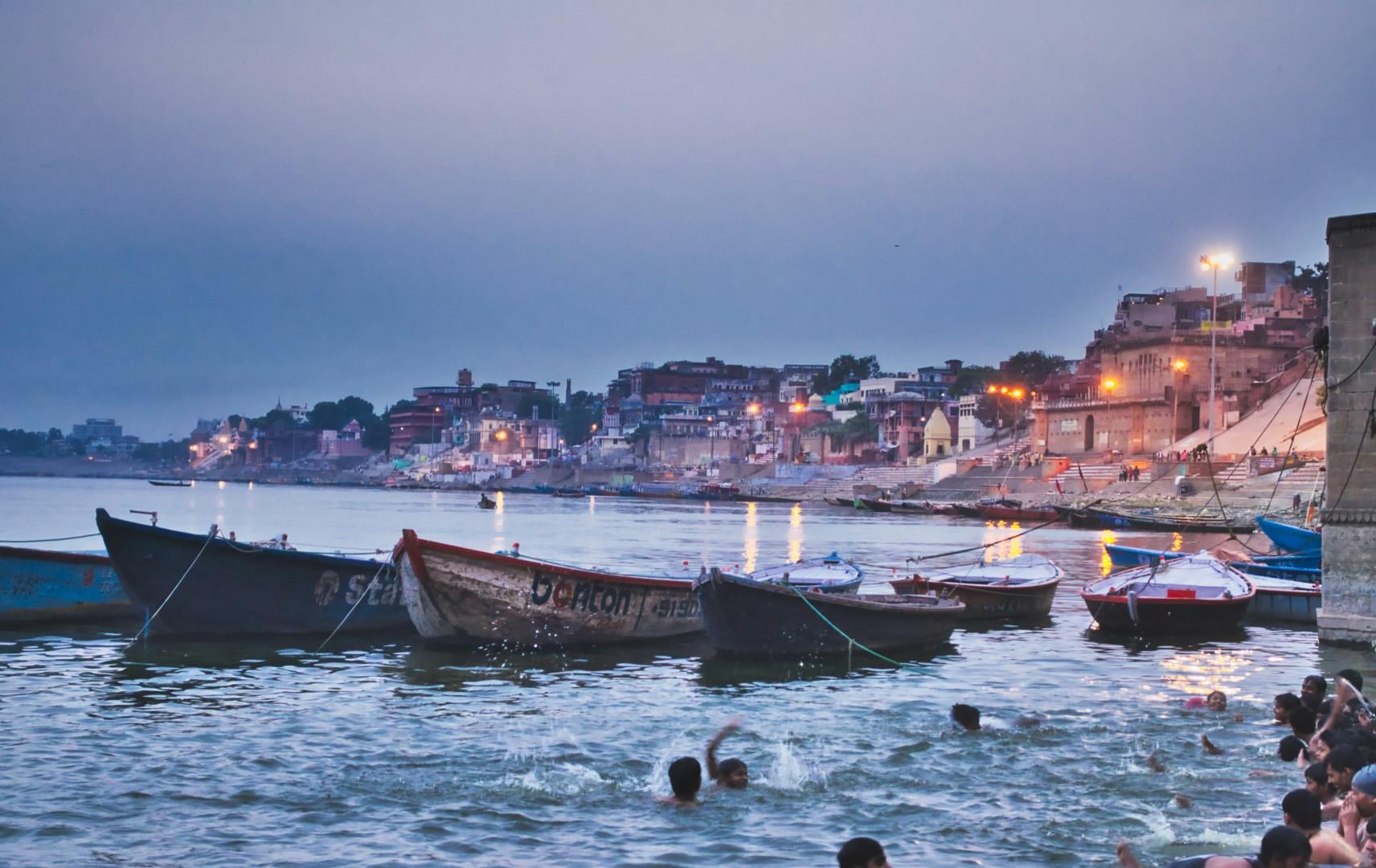
Varanasi
Varanasi sits along the sacred Ganges River in northern India as one of the oldest continuously inhabited cities in the world. It is a place where daily life and rituals flow together on the long stone steps called ghats that reach down to the water. Visitors often rise early for a sunrise boat ride, watching as light spreads across the river and pilgrims make gentle offerings to the water.
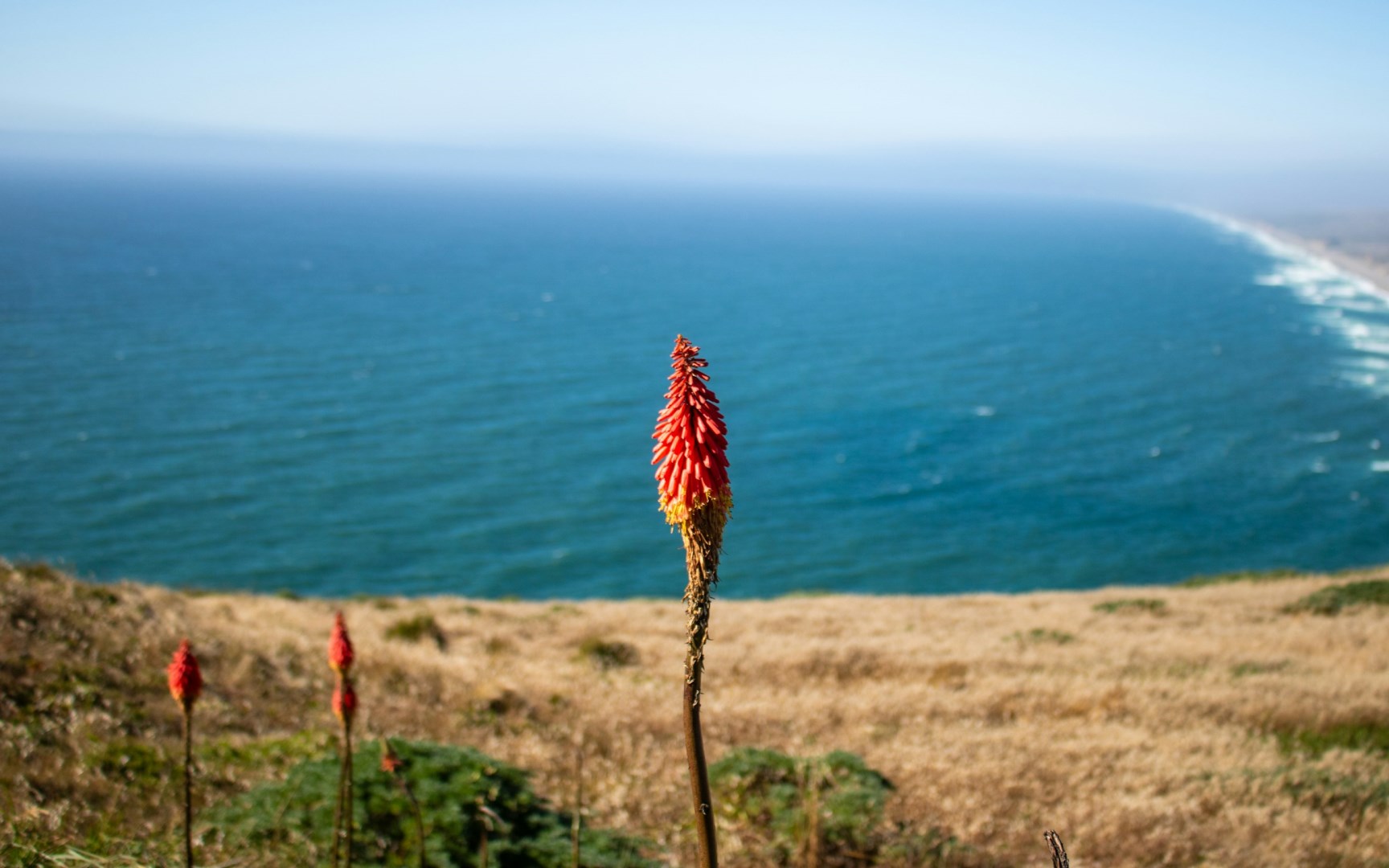
Point Reyes
Point Reyes is a rugged coastal region of Northern California, extending into the Pacific Ocean on the western side of Marin County. Much of the peninsula is protected within Point Reyes National Seashore, where windswept beaches, coastal cliffs, grasslands, forests, wetlands, and rocky headlands create a varied landscape.
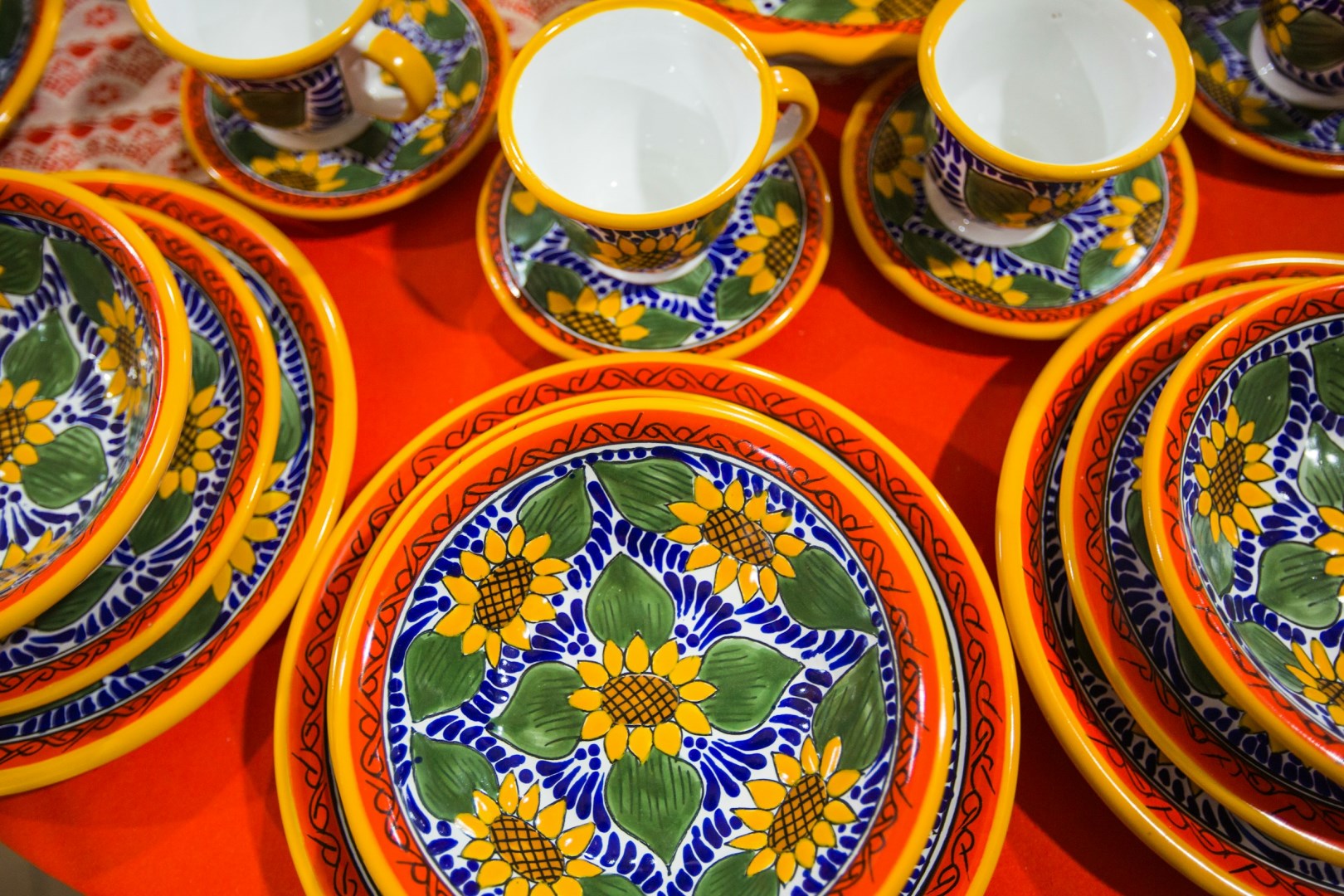
Puebla
Puebla is a state in east-central Mexico, stretching from the high volcanic plateau near Mexico City into the mountains and warmer valleys toward Veracruz and Oaxaca.
