
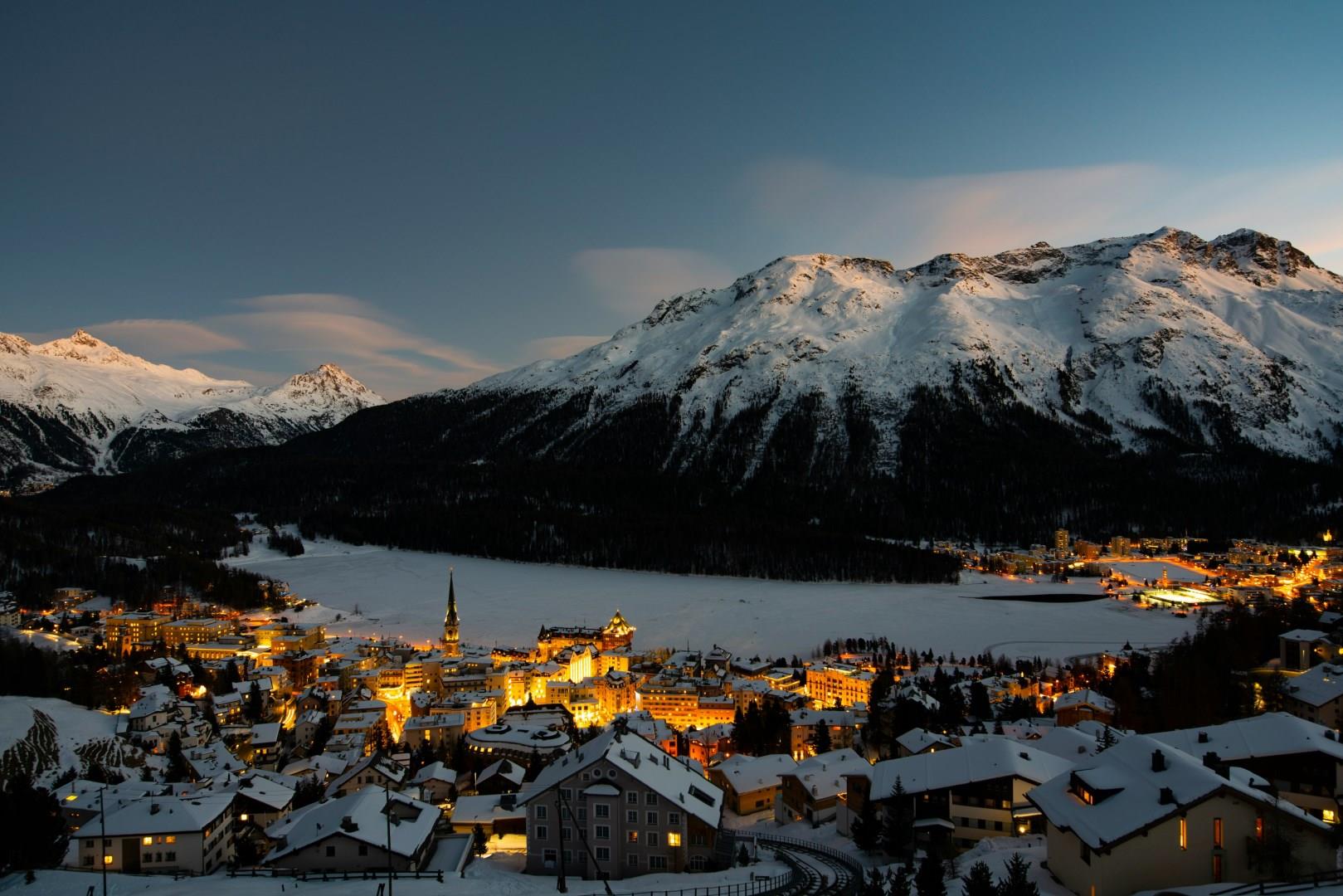
St. Moritz
St. Moritz, located in Switzerland’s Engadin Valley, has been attracting visitors for over 150 years, long before the term "alpine resort" became common. It was here in 1864 that winter tourism was born, when a hotelier made a wager with British guests that they would enjoy the snow just as much as the summer sun. They returned, and the rest is history. The town has since hosted the Winter Olympics twice (in 1928 and 1948) and remains a favorite for skiing, snowboarding, and ice sports.
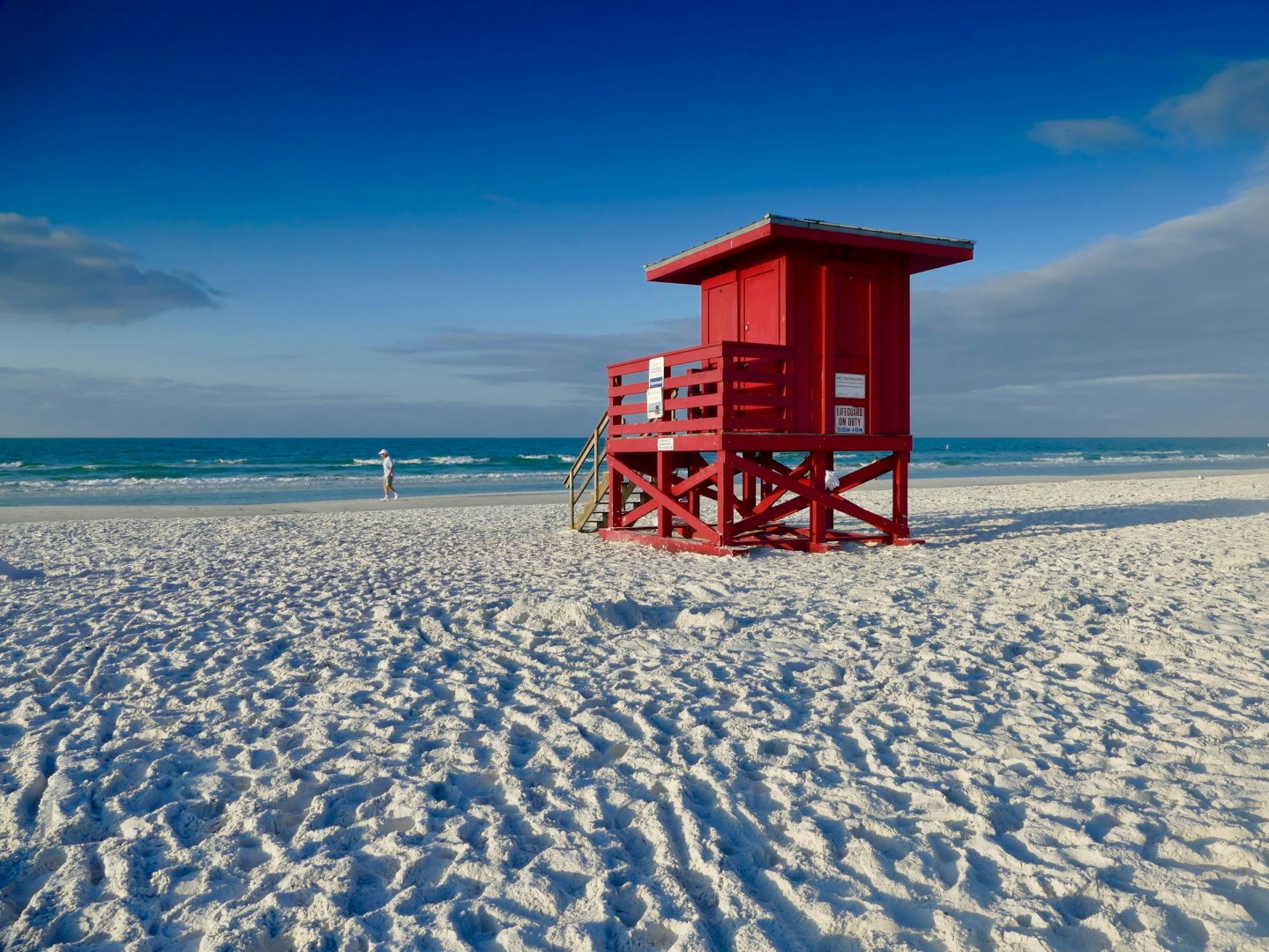
Siesta Key
Siesta Key is a barrier island off Sarasota on Florida’s Gulf Coast, known for its broad beaches and unusually fine quartz-crystal sand. Siesta Beach is the island’s best-known public beach, with a wide shoreline, shallow Gulf waters and facilities that include concessions, parking and beach access. The island is more than a beach destination, with Siesta Key Village providing a compact center of restaurants, shops and casual entertainment.
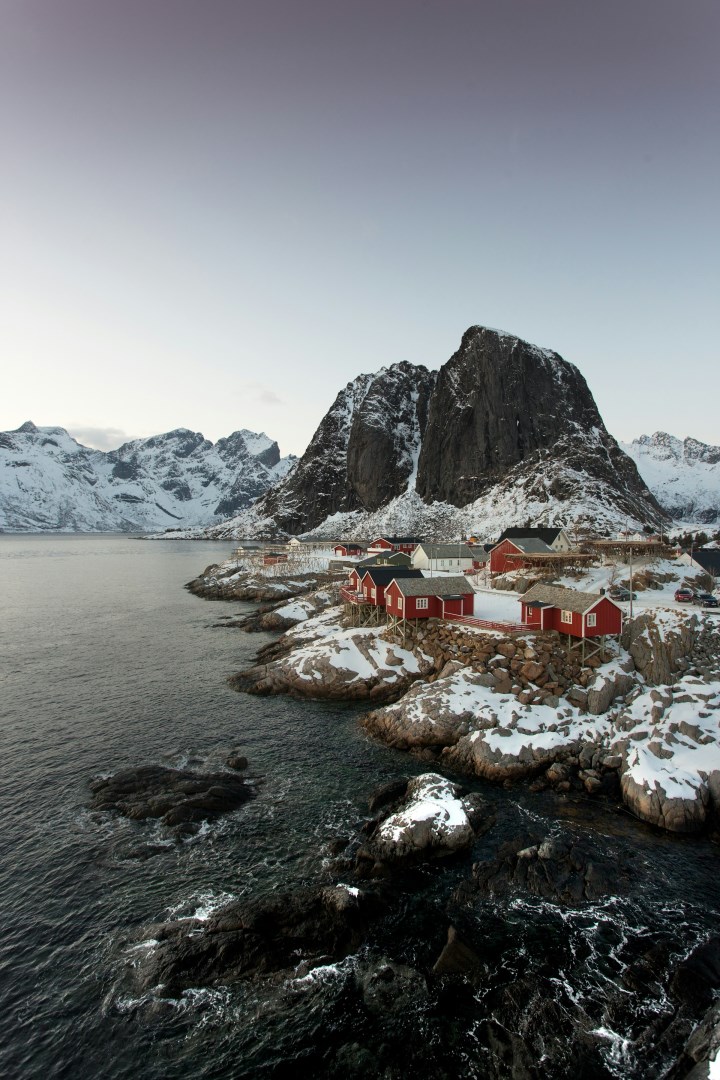
Reine
Reine is a small fishing village on Moskenesøya in the Lofoten Islands of northern Norway, where a chain of small islands and bridges sits between Vestfjord and the mountains surrounding Reinefjord. Around 300 people live in the village, which remains an active fishing community with fish reception, processing, and related businesses. Traditional red rorbu fishermen’s cabins stand along the waterfront and on nearby islands, alongside working boats and drying racks for stockfish.
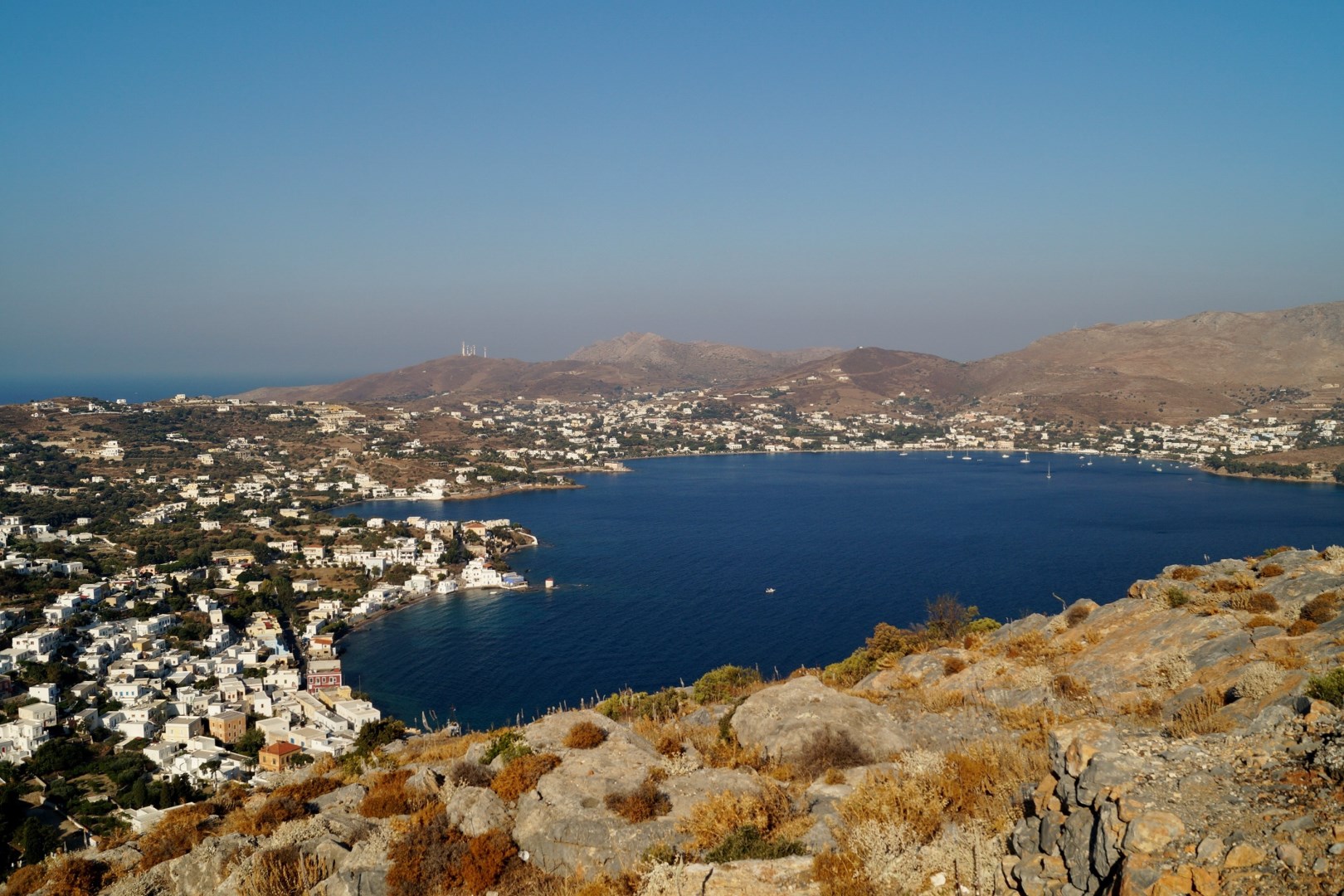
Leros Island
Leros Island, Greece, rests quietly in the Aegean Sea, offering a combination of sun-drenched beaches and historical landmarks that invite exploration. The main town, Agia Marina, spreads along a natural harbor, where fishing boats and small yachts sway gently against the backdrop of colorful houses climbing the hillside. Winding streets reveal a mix of architecture, from traditional whitewashed homes to neoclassical buildings.
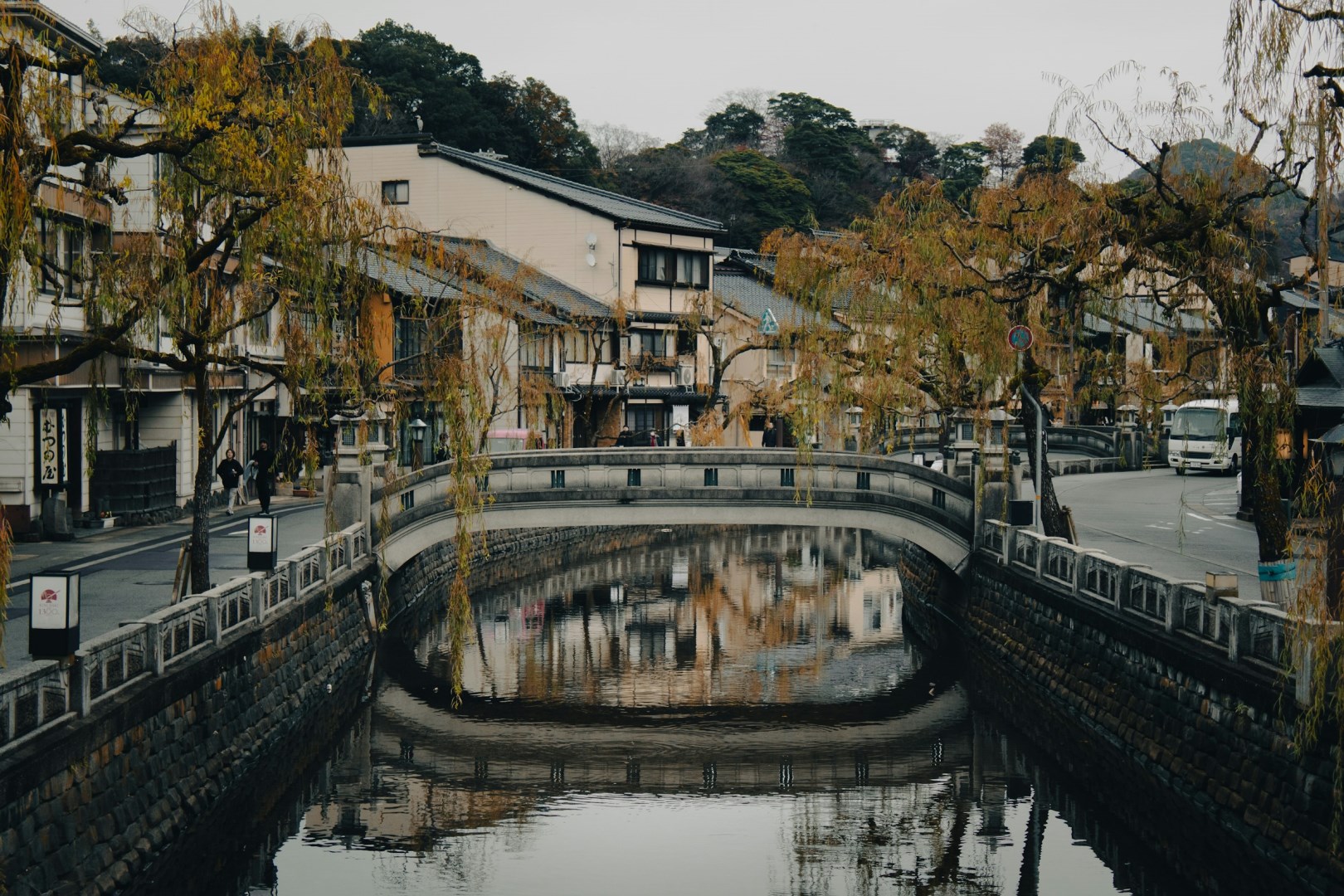
Kinosaki
Kinosaki Onsen is a resort area best known for its hot springs (onsen) as well as its charming, nostalgic atmosphere: guests of the local ryokans (traditional Japanese inns) stroll between the seven public onsen wearing yukata (literally translated as "bathing cloth," a casual version of the kimono) and geta (wooden sandals).
