

Hiroshima
Hiroshima, a city on Japan’s Honshu Island, is a place where history and resilience intertwine to create a destination that is both deeply moving and inspiring. Beyond its historical significance, Hiroshima offers visitors a vibrant cultural scene.
Richards Bay
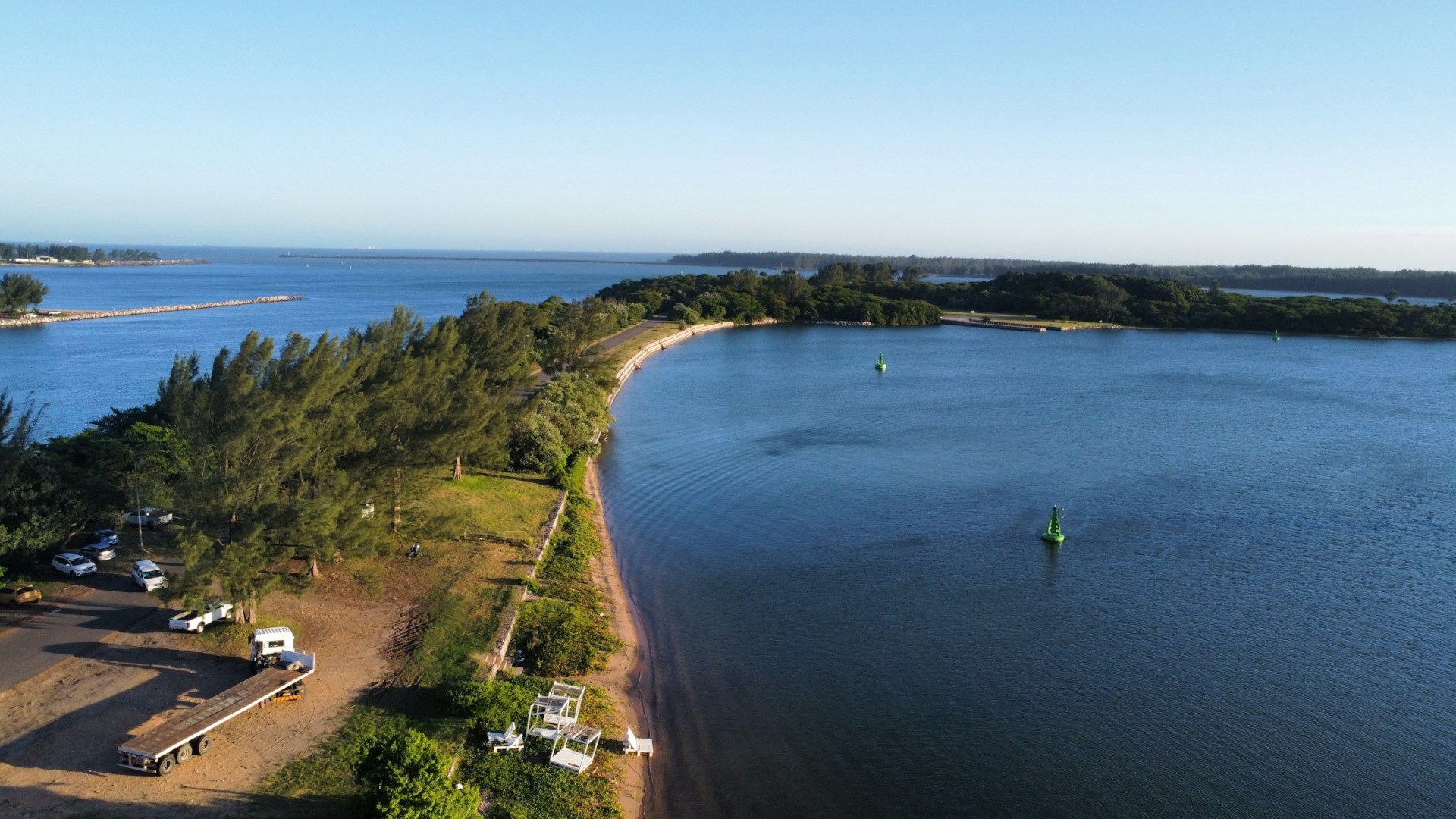
Richards Bay is a coastal city in KwaZulu-Natal, set around the Mhlatuze River estuary where wetlands, lagoons, beaches, and the Indian Ocean meet. It is both an important industrial centre and a gateway to the Zululand coast, giving the city a distinctive combination of working harbour and protected natural areas. Richards Bay is known for its deep-water port, while nearby Alkantstrand provides a popular beach setting.

Kenai Fjords National Park
Kenai Fjords National Park in Alaska is a stunning showcase of glaciers, rugged coastlines, and pristine wilderness, making it a dream destination for outdoor enthusiasts and nature lovers. Located near the town of Seward, this park is home to the Harding Icefield, one of the largest icefields in North America, feeding over 40 glaciers that spill into the sea.
Port Moresby
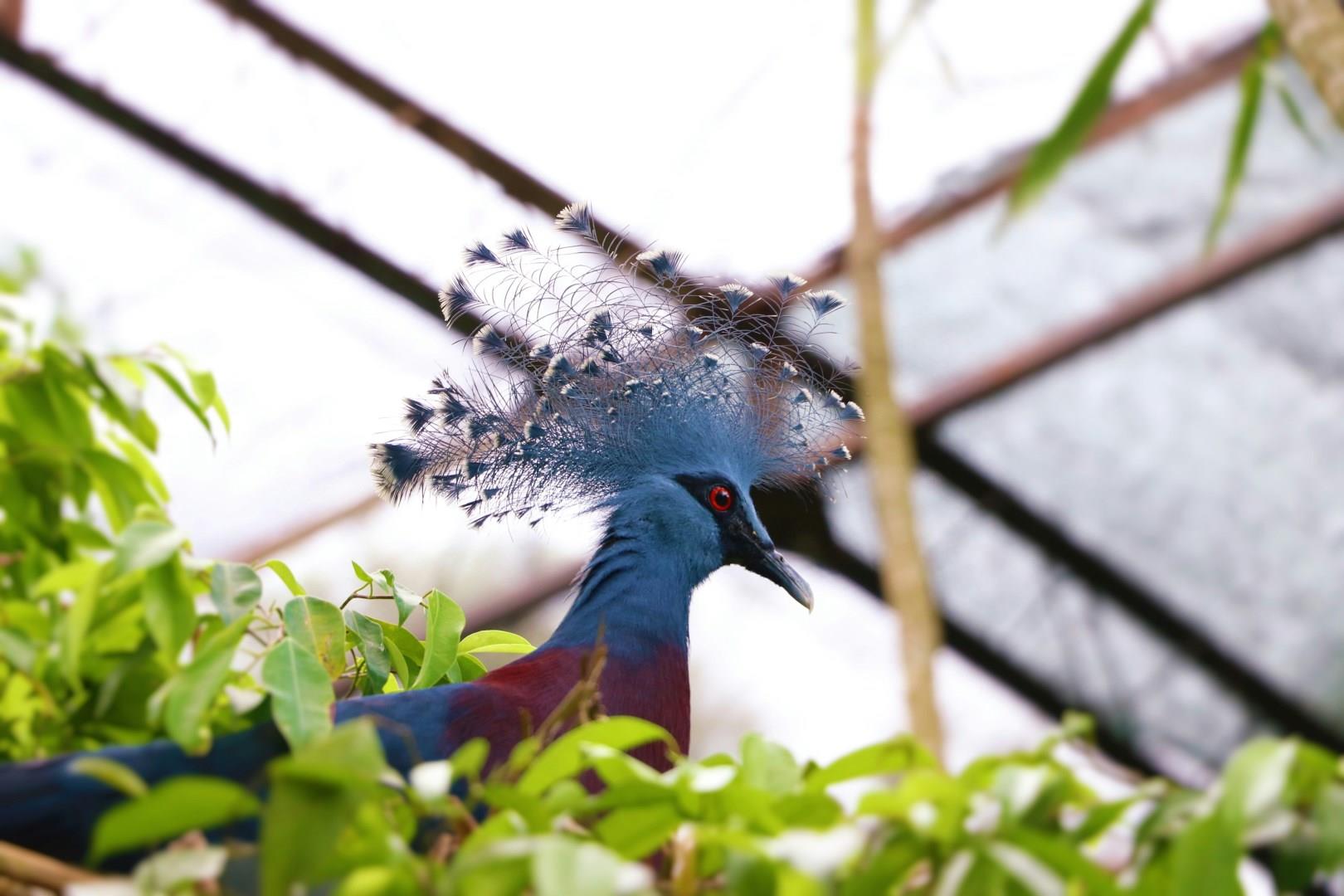
Port Moresby sits by the Coral Sea as Papua New Guinea’s capital and shows visitors a city of contrasts where glittering new buildings rise beside traditional villages built on stilts. One such place is Hanuabada, the original Motuan village, where roofs reach above water’s edge and everyday life still unfolds in Tok Pisin and local tongue.
Puerto Ayora
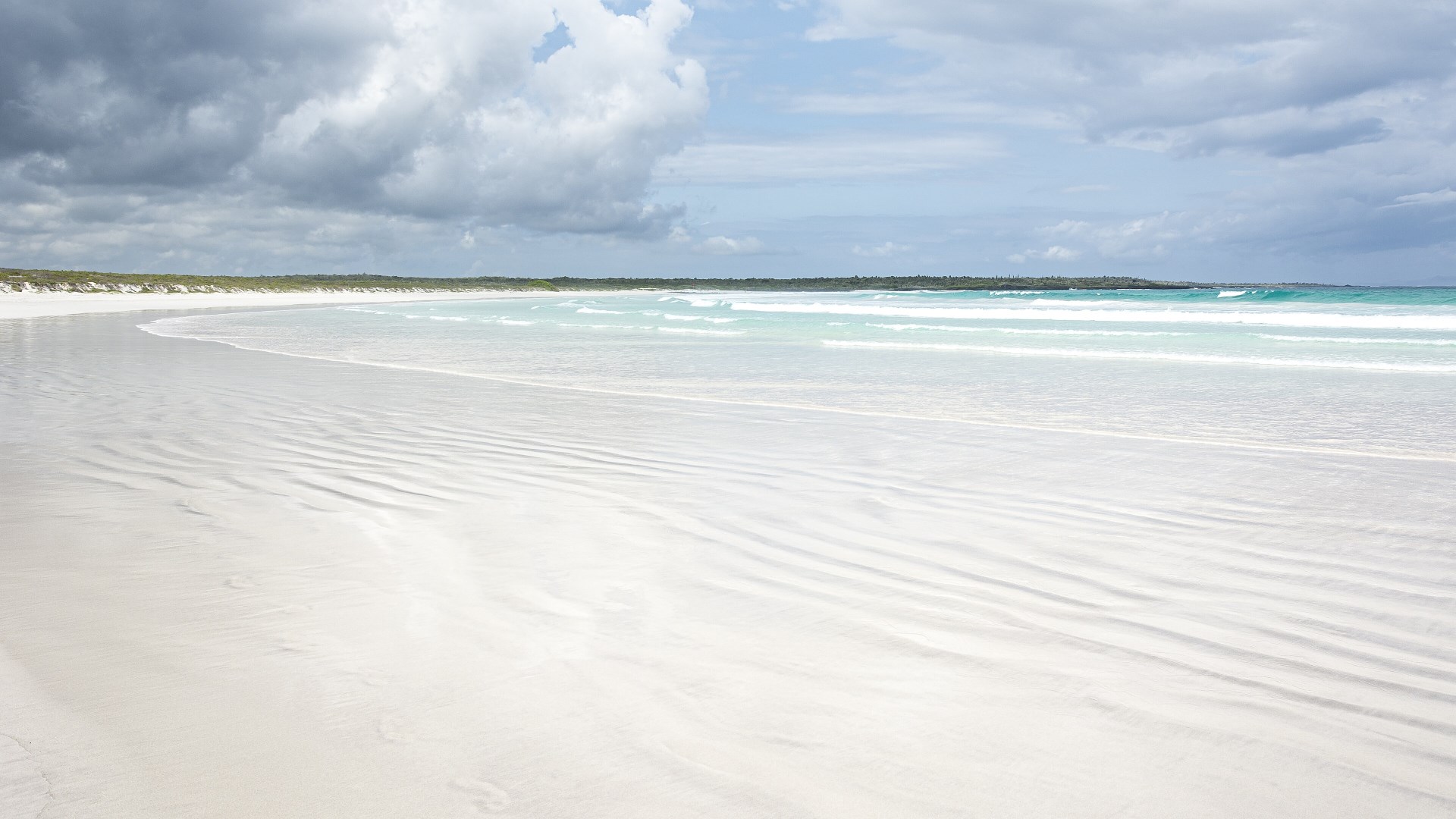
Puerto Ayora is the largest town in the Galápagos Islands of Ecuador and is located on the southern coast of Santa Cruz Island. The town serves as a central base for travel throughout the archipelago, with ports, research centers, hotels, and tour operators concentrated around Academy Bay.
